


Are you ready for any surprise the trail might throw at you? One missing piece of gear can turn a nice walk into a risky trip. In this guide, we share the top safety tools trusted by seasoned hikers. We explain what makes each item essential, from navigation gear (like GPS devices or maps) to emergency lights and first aid kits. Keep reading to see our top picks and learn how the right gear can help you handle any unexpected twist on your route.
Top Hiking Safety Tools Every Hiker Needs
When you set out for a hike, having the right gear keeps you safe. These must-have items handle small mishaps and big emergencies alike. They are the heart of the 10 Essentials that seasoned hikers trust.
Make sure you have good navigation gear. Bring a paper map and a compass, and use a GPS app on your phone when cell service is thin. Protect your skin by carrying SPF 30+ sunscreen, a wide-brim hat, and sunglasses to block the sun’s rays.
Pack extra clothes to handle a change in the weather. Items like a fleece gaiter, beanie, and mittens can really help when temperatures drop. If you’re out after dark, a headlamp such as the Black Diamond ReVolt 350 will light your way. A small first aid kit is handy to treat minor cuts and scrapes on the go.
Don’t forget fire-starting tools like a lighter for emergencies. A reliable multi-tool knife, like the Swiss Army Victorinox Rally, can fix gear or help prepare food. Bring extra food to keep your energy up during long hikes. Use a water purifier, like the Epic Water Filter, to keep water safe to drink. Keep an emergency shelter, be it a space blanket or a bivy, if you get caught out after sunset. Finally, a communication tool like the Garmin inReach Mini SOS makes it easy to call for help if needed.
Essential Hiking Safety Tools for Navigation and Visibility
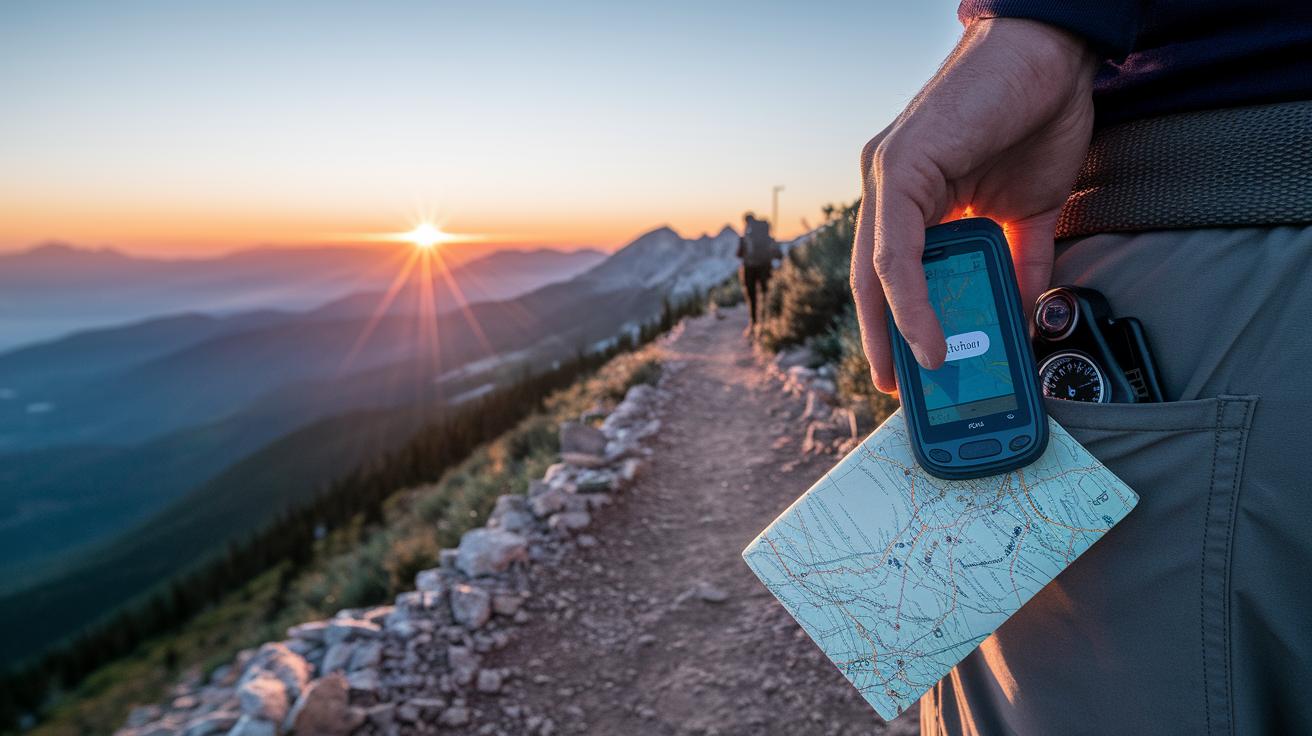
When you're off-grid, having clear navigation and reliable visibility tools can make a huge difference. We recommend carrying the Garmin inReach Mini SOS device. It lets you send messages and alerts when there's no cell service. GPS watches like the Garmin Fenix 7 or Suunto 9 come with barometric altimeters (sensors that measure changes in air pressure to help track elevation and weather) to keep you informed about the terrain. And yes, we still value a good old paper map and compass, many experienced hikers trust them when technology lets them down.
For lighting and signaling, the Black Diamond ReVolt 350 headlamp is a great pick. It offers hands-free light when the trail darkens or weather turns rough. A signal mirror is a simple tool that reflects sunlight over long distances, making it easier for rescuers to spot you. Reflective trail markers also help keep your route visible as dusk falls. The Midland ER310 weather radio, with NOAA alerts and a built-in SOS beacon, rounds out this kit by keeping you updated on sudden weather changes.
Don't forget to back up these devices. Pre-download a GPS hiking app on your phone and pack extra LED headlamps. With this gear in your bag, you'll be ready for the unexpected on your mountain adventure.
Hiking Safety Tools for Remote Communication
When you head off the grid, having strong communication tools is a must. A satellite messenger like the Garmin inReach Mini lets you text back and forth and send an SOS when you need help. This device keeps you connected even where your cell phone won’t work, making it a great partner to other safety gear.
A personal locator beacon (PLB) is a true lifesaver. It sends your GPS location straight to rescue teams, giving them the info they need right away. Carrying a PLB adds an extra layer of safety and peace of mind on isolated trails.
Don't forget a small pack of SOS flares. They light up the sky in low-visibility or night-time conditions and can attract attention when other devices might fail.
Lastly, consider the Midland ER310 weather radio. It not only delivers NOAA weather alerts but also works as an SOS beacon in tough conditions. Pack these tools to stay connected and safe on your backcountry adventures.
Hiking Safety Tools for Wildlife Defense and Self-Protection
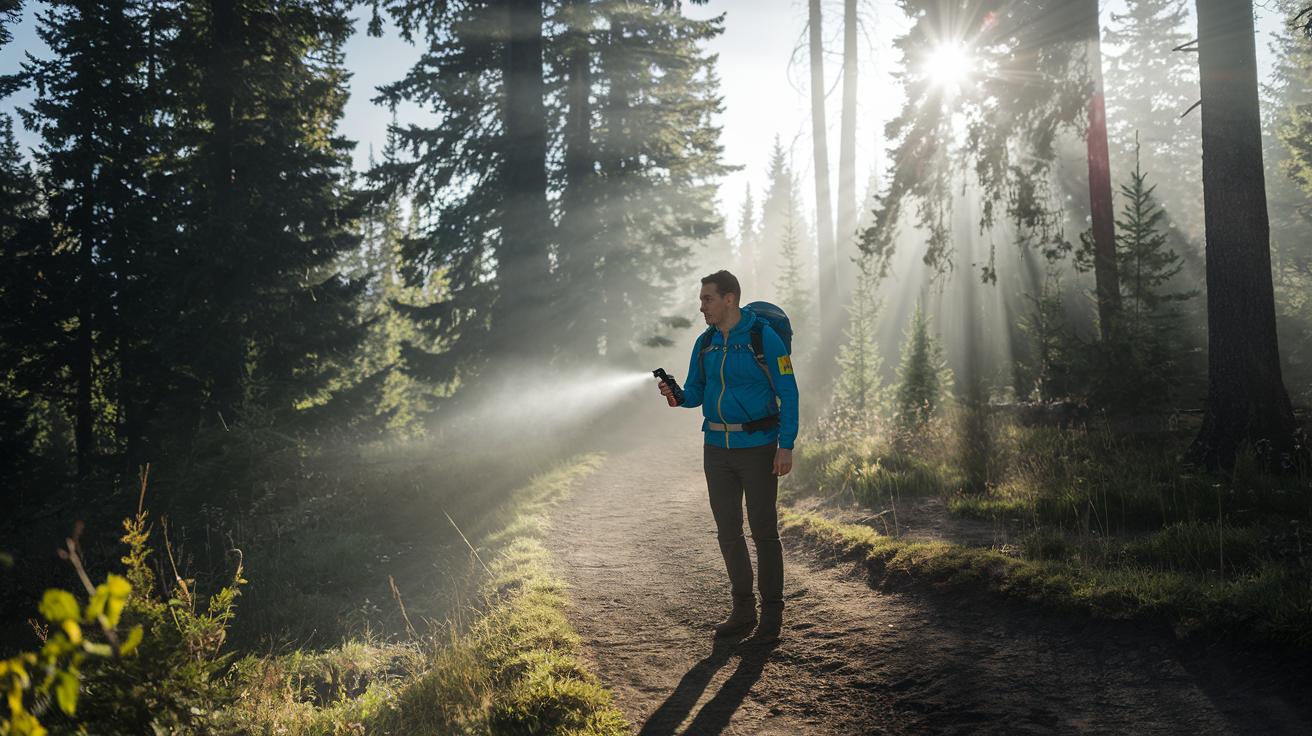
Wild animals can appear unexpectedly on the trail, so it makes sense to pack gear that helps keep them at bay. Bear spray is the top choice for dealing with large animals. This little canister is built to work fast when you need it. Keep it within easy reach and learn how to use it well.
For smaller critters, pepper spray or animal deterrent gels add another layer of safety. These compact tools fit easily in your pocket. Take a moment to learn the spray's angle and range so you know how to handle a sudden encounter.
A tactical pen is also a smart addition. It works like a regular pen but has a firm grip and a sharp tip that might help deter a threat. Many hikers also pack a multi-tool like the Swiss Army Victorinox Rally. This tool not only helps with quick repairs but can also serve as a backup for self-defense.
Always check local wildlife rules before you set out. Use this gear only after you’ve practiced with it. Being prepared and familiar with your tools helps you stay calm and react quickly if a wild encounter happens.
Survival Hiking Safety Tools for Shelter, Water, and Fire
When you venture off the beaten path, extra survival tools can boost your safety. We aren’t talking about water filters, fire starters, or emergency shelters here. Instead, we mean handy gadgets like a SunJack 25W solar panel that charges your gear off-grid, and a portable power bank that keeps your electronics ready when you need them most.
I remember a day on a lonely ridge when my power bank saved the day by keeping my phone alive all day. It was a simple reminder: a little extra gear can make a big difference in remote places.
| Tool | Purpose | Key Feature |
|---|---|---|
| SunJack 25W Solar Panel | Charges devices away from power outlets | Compact, lightweight, and easy to set up |
| Portable Power Bank | Keeps electronics charged when no power is around | High capacity with fast charging ability |
Packing and Prepping Your Hiking Safety Tools Pack
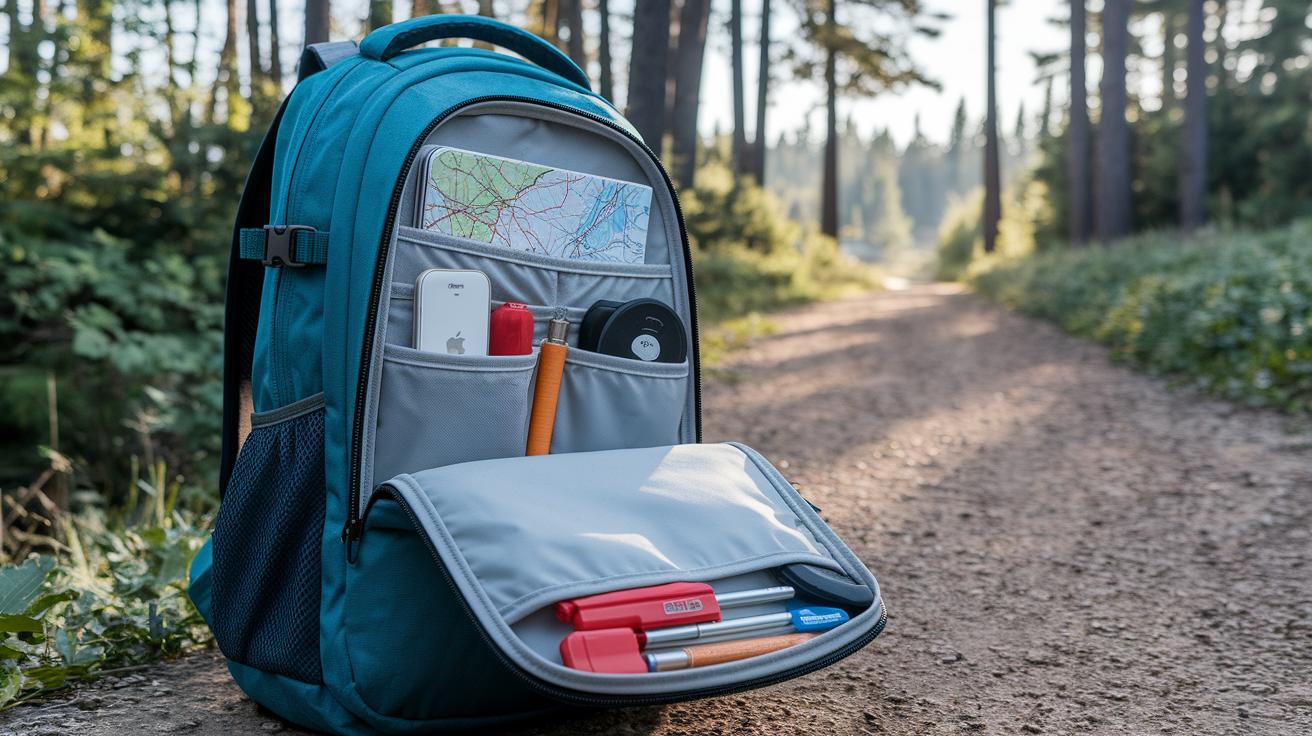
Keep your gear organized so that key items are always easy to grab. Store your paper map, compass, or satellite messenger in the outer pockets of your pack so you can reach them quickly in an emergency. Place your first aid kit and fire-starting tools in the main compartment where they stay secure yet within reach when you need them.
Protect your electronics by using waterproof cases for them and for spare batteries. Keep your solar charger and portable power bank together so you always have a backup power source on remote trails. For a quick look, here’s a simple checklist of what to pack:
| Item | Where to Store |
|---|---|
| Navigation tools | Outer pockets |
| First aid and fire-starting gear | Main compartment |
| Electronics and spare batteries | Waterproof cases |
| Solar charger and power bank | Close at hand |
Test and rotate your equipment each season and keep your emergency plan updated. Review local safety tips before setting out to be fully prepared for any challenge on the trail.
Final Words
In the action, we covered a clear checklist of must-have gear from navigation devices to compact first aid packs and defense tools. Each section outlined the best hiking safety tools to keep you secure on the trails. We showed how well-organized gear makes mountain travel stress-free and enjoyable. With this practical guide, your pack is ready to support safe, memorable mountain experiences. Enjoy every trail and soak in the mountain hospitality while staying confident and secure.
FAQ
Q: What does a hiking safety tools list include?
A: The hiking safety tools list includes navigation gadgets (map, compass, GPS), sun protection, extra layers, a headlamp, a first aid kit, fire-starting gear, a multi-tool, extra food, water purification, emergency shelter, and a communication device.
Q: What are the best hiking safety tools for beginners?
A: The best hiking safety tools for beginners are simple and practical. They include basic navigation tools, a reliable headlamp, a compact first aid kit, fire-starting tools, and a satellite messenger for off-grid communication.
Q: How do hiking safety tools protect from animals?
A: Hiking safety tools protect from animals by including deterrents like bear spray and pepper spray along with a tactical pen, which can help fend off unwanted wildlife encounters during your trip.
Q: What safety equipment is essential for hiking?
A: Essential hiking safety equipment consists of navigation devices, an LED headlamp, a first aid kit, fire-starting tools, water purification methods, an emergency shelter, and a satellite messenger or personal locator for remote distress communication.
Q: What are 10 essentials every hiker should carry?
A: Ten essentials every hiker should carry are a paper map, compass, sun protection (hat, sunscreen), extra clothing, headlamp, first aid kit, fire-starting tool, multi-tool, extra food, and a water purification system.
Q: What should I carry for protection while hiking?
A: For protection while hiking, carry deterrents like bear spray or pepper spray and a tactical pen, along with your multi-tool. These items provide a first line of defense during unexpected wildlife encounters.
Q: What is the 20% rule for backpacking?
A: The 20% rule for backpacking means adding an extra 20% of your estimated weight for gear to cover unforeseen needs or emergencies, helping you prepare effectively for changing situations on the trail.