


Have you ever been on a quiet trail and wondered what you should do if a mountain lion shows up? In lion country, it pays to be ready. Here are some simple tips to help keep you confident and safe on the trail:
• Stand tall and try to look bigger.
• Keep your focus on the path ahead.
• Ditch your headphones so you can hear what’s happening around you.
By following these clear, smart steps, you can fully enjoy the open spaces without worry. Stay alert and respect the mountains, and your next hike will be both safe and unforgettable.
Core Mountain Lion Safety Essentials
Mountain lion encounters in Colorado are rare, but these wildcats can be dangerous to both people and animals. Stay alert and be ready.
If you see a mountain lion, try to stay calm. Stand tall and open your jacket or lift a branch so you look bigger. This sends a clear warning to the animal. Do not run, running might start a chase. Instead, stand your ground or slowly back away while keeping the animal in view and speaking in a firm, steady voice.
While hiking, stick to safe practices. Keep your eyes on the trail and skip distractions like headphones. If you're with a friend, stay close. Many hikers say they leave headphones at home so they can spot any wildlife sooner. Also, wear bright clothes to make sure you're visible in open areas.
Keep children and pets nearby at all times. Ask park staff about any recent wildlife sightings, they can give you useful tips on adjusting your pace or route. Avoid jogging or biking when light is low at dawn or dusk, as mountain lions are more active then. And try not to bend or crouch, since that might make you look like easy prey.
Following these tips will help you enjoy your hike safely and keep you and your group safe from unexpected mountain lion encounters.
Trail Risk Prevention and Smart Mountain Lion Safety Behavior
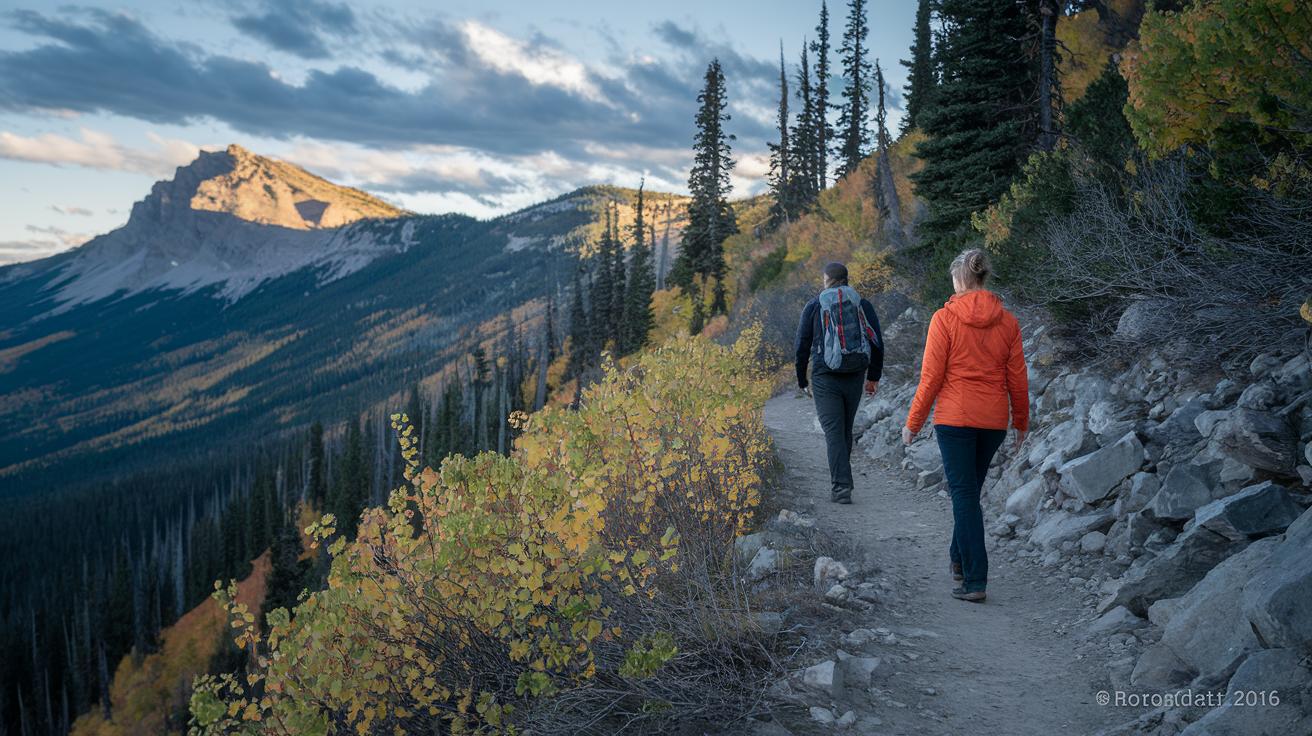
When you're in mountain lion country, it's smart to stay on your toes. Different areas and seasons call for a little extra care. Local guides say rocky paths or thick brush need you to be extra alert. Some park rangers even share, "Last fall, I told hikers to be watchful around creek banks since conditions change with each season."
Here are some clear tips mixed with smart advice:
- Stay on marked trails; some spots are known for higher risks.
- Take off your headphones so you can really listen to your surroundings.
- Wear bright clothes, local ranchers mention that lions tend to steer clear of colorful groups.
- Hike with a partner and keep kids and pets close.
- Check with park staff for any recent wildlife updates.
- In rocky areas, pack a whistle or a noise maker as a precaution.
- Slow down during early morning and evening light to see clearly.
Seasonal reminders: Late summer brings more insects near water, so keep your focus sharp. In cooler months, shorter days might shift lion activity earlier, so consider heading out at sunrise.
| Tip | Example |
|---|---|
| Extra Alert Areas | Rocky trails and creek banks need extra care |
| Noise Makers | A whistle can help warn off any uninvited visits |
Understanding Mountain Lion Behavior and Habitat Cues
Mountain lions (also known as cougars, pumas, panthers, or catamounts) like to hide in thick brush and rocky areas to surprise their prey. They often wander near trails where people hike in Western states. They are most active at dawn and dusk, so be extra cautious during these times.
In the spring, when deer head to new grounds and livestock are having their young, mountain lions may go after domestic animals more often. Local landowners sometimes adjust lambing times or use sheltered birthing methods to help reduce the risk. Knowing these hints about their habitat can help you guess where they might be. If you see a very quiet trail or spots where tall grass hides movement, take a moment to look around. When light is low, follow your night safety checks and stay aware of what’s happening around you.
One park ranger shared this tip: "When the rustling in the brush is all you hear, it might be time to double-check your surroundings before moving on."
Nonlethal Deterrents and Advanced Mountain Lion Safety Tactics
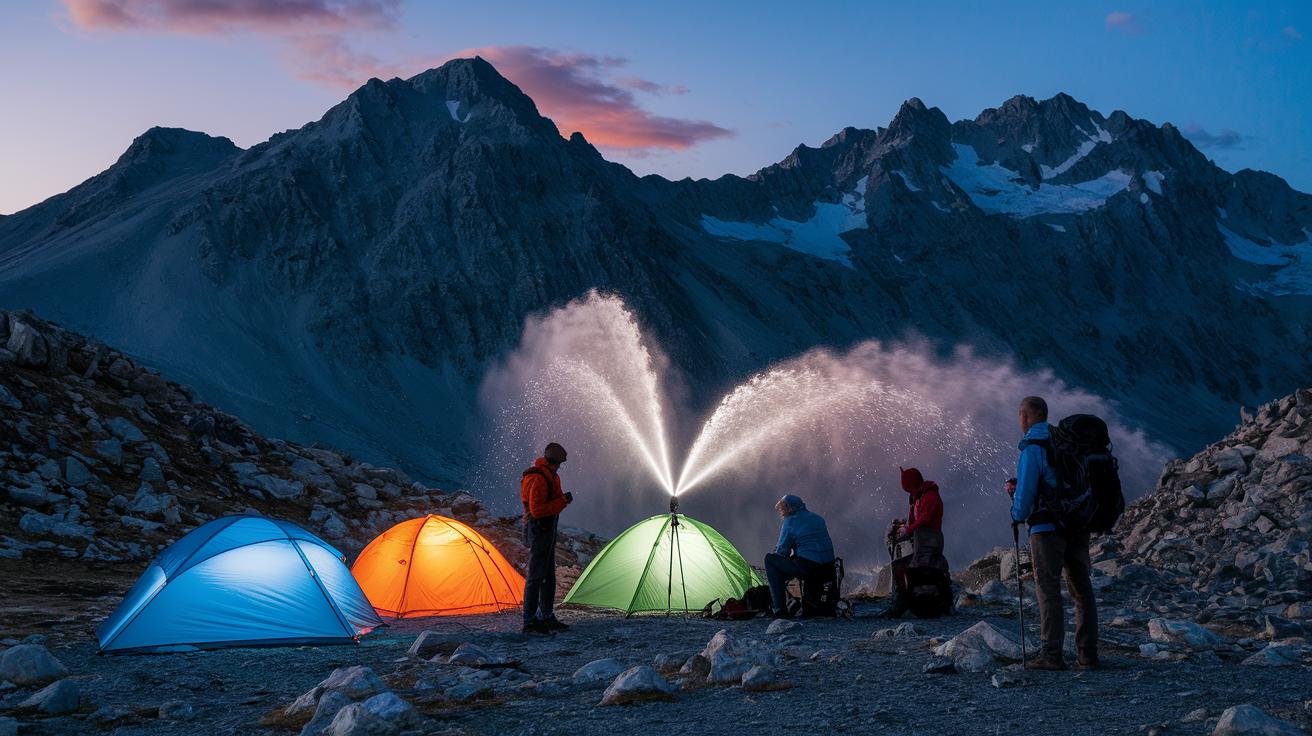
You can boost your safety when camping or managing livestock in mountain lion territory with nonlethal methods. One option is a motion-activated water device that sprays a quick burst lasting 3–4 seconds over about 10 meters (35 feet). Though they are still being tested, these sprays can startle an approaching lion and give you a moment to get ready. One local guide said, "A sudden burst of water made us freeze long enough to reassess our options."
Livestock guardian dogs are a tried and true part of a good safety plan. Breeds like Akbash, Kangal, Great Pyrenees, and Komondor have been known to cut attacks by more than 90%. Many ranchers even say these dogs save them around $3,000 every year.
A strong fence is also key. Aim for a barrier at least 3 meters (10 feet) high and include a 15–20 cm (6–8 inch) buried edge to stop animals from digging under. Since mountain lions can jump over tall obstacles, combining different measures is smart. You might also add temporary electric or visual deterrents that use water, sound, or light to protect areas like newborn pens or campsite edges. Together, these steps give you solid options to handle mountain lion encounters without resorting to lethal measures.
Protecting Pets and Property for Mountain Lion Safety
Bring your pets inside at night or keep them in a secure kennel. You should not feed them outside because stray food attracts small animals, and these can bring mountain lions close. Remove thick brush near barns and enclosures to cut off hiding spots for wildlife. Use strong, tall fences or lion-proof enclosures to boost your property’s security.
For campers and homeowners, try these simple steps:
- Keep food in bear-proof containers.
- Cook in clean, open areas at your campsite.
- Set up tents and park RVs away from heavy vegetation.
- Watch over your livestock, especially during birthing seasons.
When walking your dog, always use a leash and keep them in sight. Walking alone at dawn or dusk can be risky since mountain lions are more active in low light. Keep your pets secure and limit their outdoor time during these hours.
Check your fences often for any gaps and trim back overgrown areas that may form natural hideaways for predators. By staying alert and taking these steps, you help create a safe space for your family, pets, and livestock while you enjoy your time outdoors.
Regional Threat Data and Emergency Outdoors Response for Mountain Lion Safety
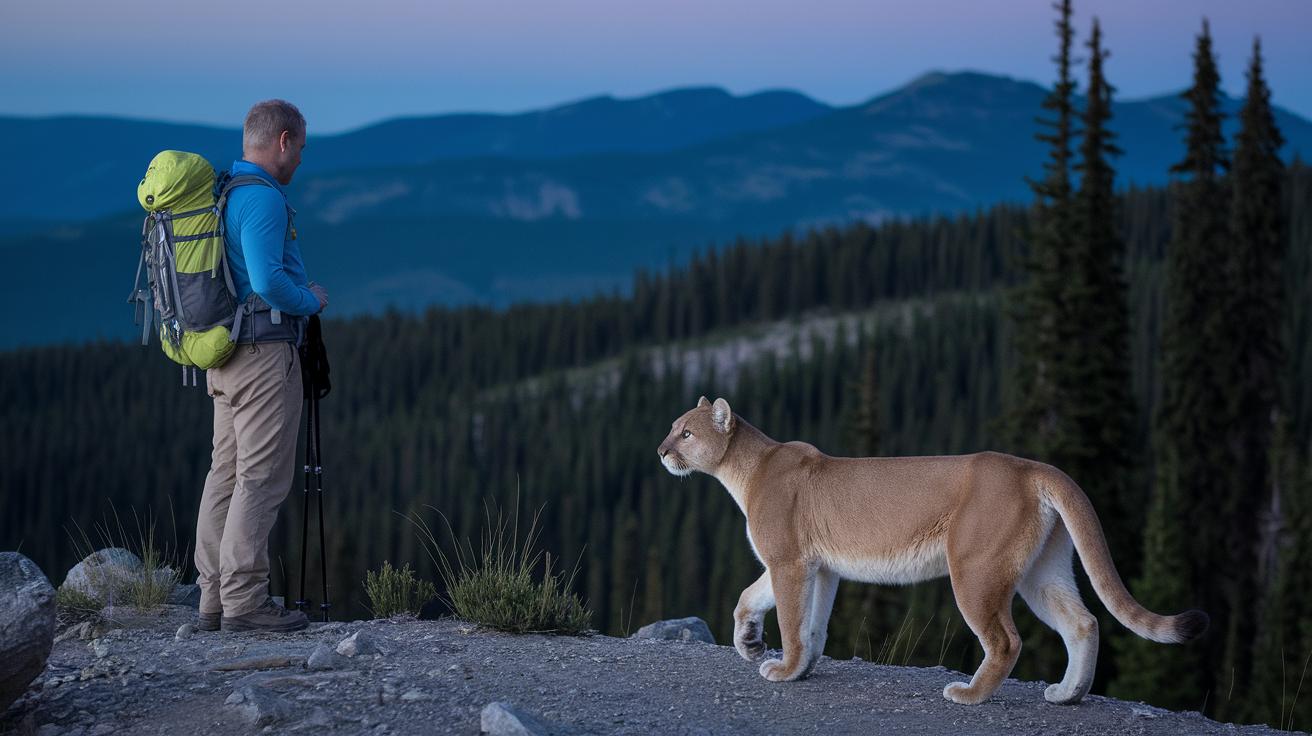
Mountain lion encounters are rare. In Colorado, only a few attacks have been confirmed. Some areas like California's Sierra Nevada and Washington's Cascades see a few more sightings. Park agencies share wildlife reports and safety notices so you know what to expect.
If you spot a mountain lion, stand your ground and slowly back away while keeping eye contact. Running might trigger a chase. One park ranger shared a story of a hiker who lifted his jacket and moved away slowly while speaking firmly. Staying calm can really change the outcome.
If the situation gets dangerous, protect your neck and throat with rocks, sticks, or even your hands if you must. Fighting back firmly can help if the lion gets too close.
Always plan for emergencies when you're outdoors. Pack a communication device, a first-aid kit, and know your escape routes before you head out. A whistle or a flare can be lifesaving in remote areas.
Learning basic survival skills adds an extra layer of safety. Practice setting up an emergency shelter or using a tarp when camping in isolated spots. Checking local safety reports and wildlife data can help you prepare for any encounters.
Plan ahead, practice your escape strategy, and keep your essential survival gear handy. This way, you can enjoy the trails in peace and safety.
Final Words
In the action, this guide breaks down smart trail tactics, giving you clear tips on mountain lion safety. We covered how to stand your ground, how to spot key habitat cues, and ways to keep pets and property secure. Nonlethal deterrents and quick-response ideas round out the safety advice shared here.
Keep these points in mind while exploring the trails. Embrace the wild with confidence and caution. Stay positive, stay alert, and enjoy every step you take.
FAQ
What are the mountain lion safety tips and rules?
The mountain lion safety tips and rules suggest staying alert on trails, hiking with a partner, keeping children and pets close, and avoiding distractions to reduce exposure risk in cougar country.
What should you do if a mountain lion is stalking you?
The steps if a mountain lion is stalking you include staying calm, standing tall to appear large, slowly backing away while maintaining eye contact, and speaking in a steady, authoritative tone.
Do mountain lions attack humans and are they dangerous or aggressive?
The likelihood of mountain lion attacks on humans is very low; they generally avoid people but can become aggressive if cornered, making it best to keep a safe distance and follow safety protocols.
What should you do if you see a mountain lion with your dog?
The advice when you see a mountain lion with your dog is to keep your pet close, stand your ground, and slowly back away without turning your back, as sudden movements can trigger a chase.
What mountain lion defense weapon can be used for safety?
The recommended defense tools include sturdy items like rocks or branches and bear spray, which some hikers use effectively to deter mountain lions when confronted.
What does mountain lion mating season involve?
The mountain lion mating season usually occurs in the winter months; during this time, the animals may display unpredictable behavior, so extra caution on the trails is advisable.
What are the odds of seeing a mountain lion?
The chances of seeing a mountain lion are very slim since encounters are rare and most sightings happen off marked trails or during low-light periods when these animals are most active.
What can scare away a mountain lion?
The measures to scare away a mountain lion include making loud noises, throwing objects, using nonlethal deterrents like bear spray, and keeping a confident stance with direct eye contact.
Can a person survive a mountain lion attack?
A person can survive a mountain lion attack by following safety protocols such as standing your ground, protecting vital areas like the neck, and using available objects aggressively to fend off the animal.