


Have you checked if your gear is ready for your hut hike? Many hikers end up in trouble by leaving out important items. In this guide, we share a simple safety checklist for 3–4 day hut trips.
We list must-haves like:
- A trusted rain shell (to keep you dry)
- A synthetic puffy jacket (for extra warmth)
- A headlamp (so you can see in the dark)
With the right gear in your pack, you can head out with confidence and enjoy every step in the mountains.
Core Equipment Safety Checklist for Hut Hikes
Before you head out, pack smart by gathering all the essentials for a safe hut hike. We suggest a pack with about 36 L capacity (think Osprey Kestrel 48 or similar models like the Tempest 30 or Talon 33). This size works well for 3–4 day trips without overloading you.
Essential gear includes:
- A good rain shell to keep you dry from unexpected showers.
- A synthetic puffy jacket to help you stay warm when it gets cold.
- Daily base layers (one pair per day, unless you can rinse them with clean water) for comfort and extra insulation.
- Reliable waterproof hiking boots with solid ankle support (for example, the Lowa Renegade is a popular choice).
- A headlamp with extra batteries so you can see clearly in dark huts.
- A basic first-aid kit for minor cuts or scrapes.
- Toothbrush and toothpaste to keep your personal hygiene in check.
- A multi-use neck tube for extra protection on the trail.
Test your gear before you set off to avoid surprises on the trail. Pack heavier items close to your back and use easily reachable pockets for your first-aid kit and snacks. This approach helps you travel light while staying safe.
For more packing ideas and customizable options, check out a multi-day hiking packing checklist online. Following these tips lets you focus on the joy of your hut hike, knowing you’re ready for any change in the weather or trail conditions.
Clothing and Weatherproof Gear Safety for Hut Hikes
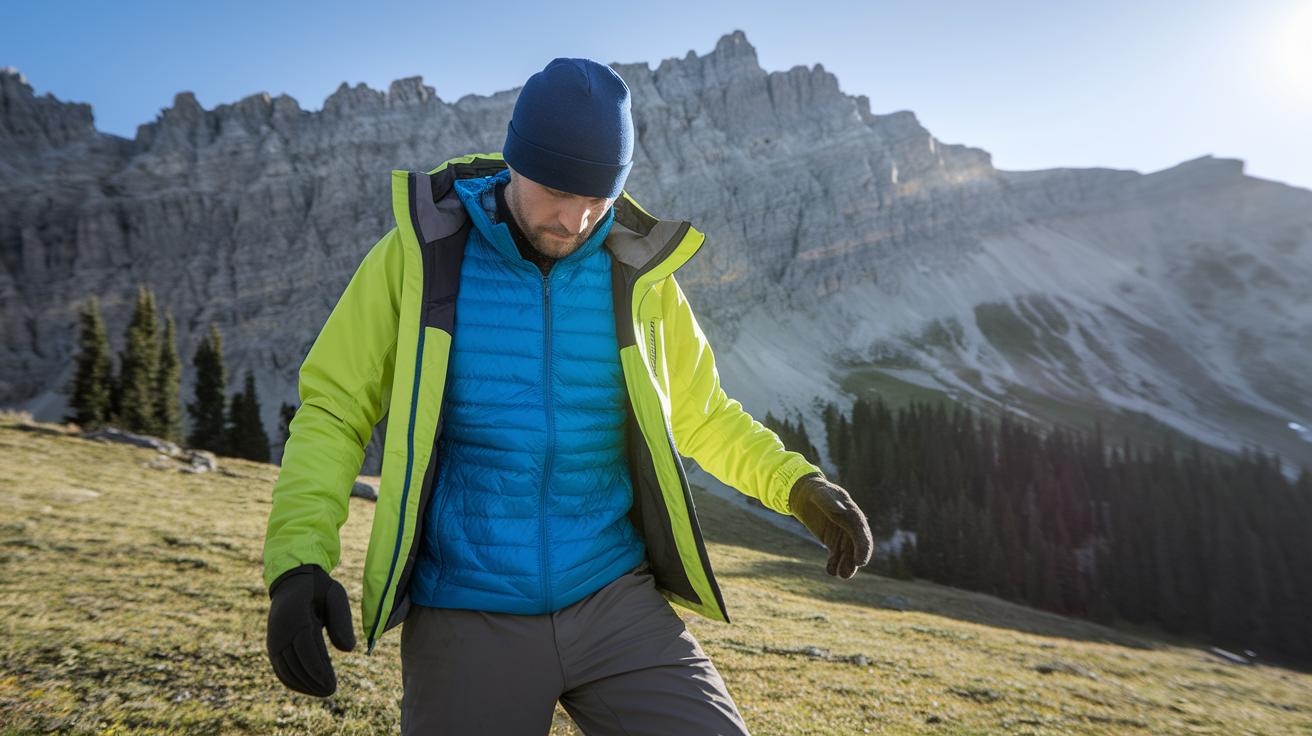
When you head into the mountains, layering your clothes is key. Start with a light, breathable base layer that wicks sweat away. Then add a long-sleeve shirt to keep you warm on cool mornings. A Gore-Tex rain shell is a must, it keeps rain off while letting moisture escape, so you stay dry even when the weather turns suddenly rough. For extra warmth without extra weight, a synthetic puffy jacket is a smart pick. One hiker said, "My puffy jacket felt like a warm hug when a sudden downpour hit."
Don’t forget waterproof gloves and a beanie to protect your hands and head when it gets cold. On sunny days, a brimmed cap or sunhat shields you from harsh rays. A lightweight rain cover for a 25–35 L pack will keep your gear dry and handy during sudden showers. In the high country, weather can change in the blink of an eye. Pack clothes that let you easily mix and match your layers to stay safe, comfortable, and ready to enjoy every incredible mountain view.
Navigation and Emergency Tools Checklist for Safe Hut Hikes
Bring these essentials to help you stay on track and call for help if needed. Your smartphone loaded with an offline GPS app (like Gaia GPS) is a must. Make sure you sync your maps before you start your hike.
A personal locator beacon such as the Garmin InReach Mini 2 (subscription from $12/month) gives you extra safety during an emergency.
Don't forget a compass and paper map as backups. They are a smart check when your digital devices may struggle, especially on narrow ridges or in heavy tree cover.
A headlamp with extra batteries is essential for moving safely in unfamiliar huts after dark. Also pack a compact powerbank with built-in cables so you can recharge your phone if you lose access to power. Trekking poles are very useful for added balance on steep or uneven trails.
If you're hiking in very remote areas, consider bringing a satellite messenger for extra emergency signals. Using a mix of modern and classic gear will help you face any challenges along your hut hike.
- Smartphone with offline GPS (e.g., Gaia GPS)
- Garmin InReach Mini 2 personal locator beacon
- Compass and paper map
- Headlamp with extra batteries
- Compact powerbank with built-in cables
- Trekking poles
- Optional satellite messenger
For more guidance on what to do in an emergency, check out our hiking safety tips.
Nutrition, Hydration, and Energy Supplies Safety for Hut Hikes
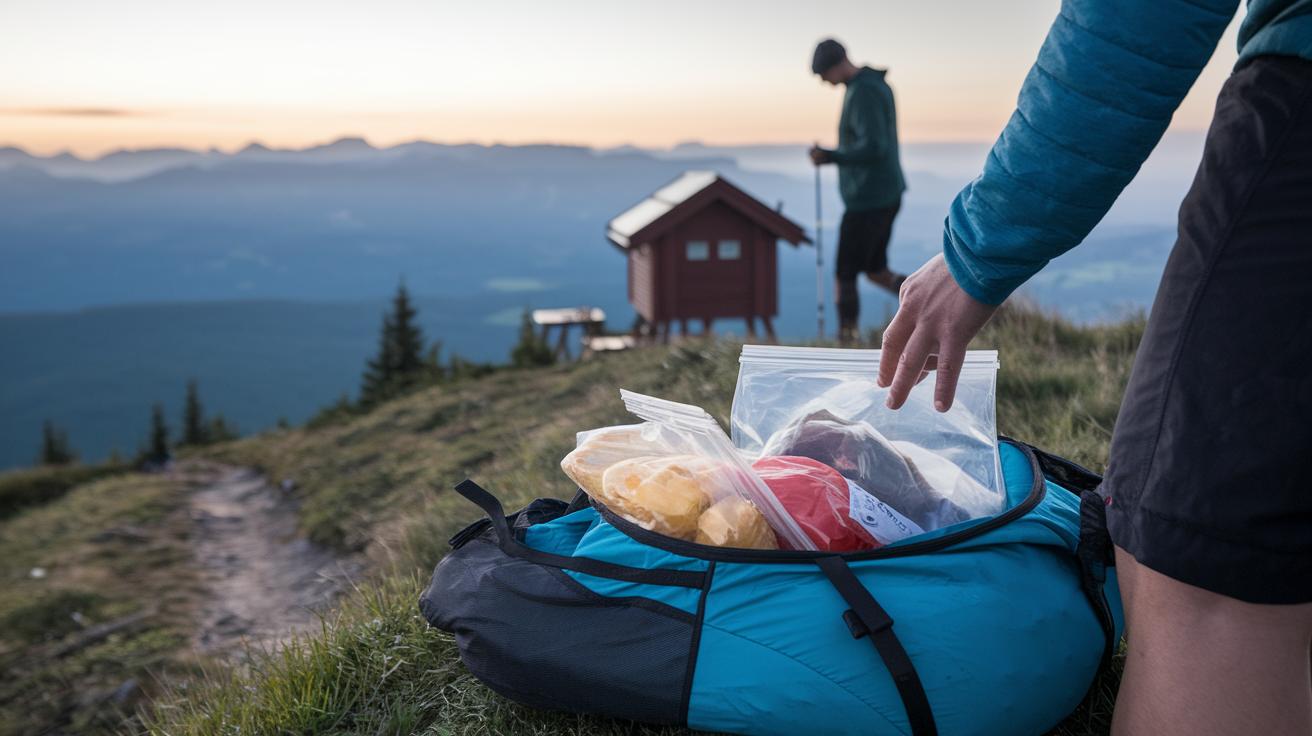
Pack your food and drinks with care for a safe hut hike. Use lightweight zip-lock bags to portion out your meals. This way, you keep things fresh without extra bulk. Mix a few salty snacks like nuts with a sweet energy bar for a quick boost. Aim for three meals and two snacks a day to keep your energy up during long trips.
Bring a 1 L water bladder and a backup bottle. A small water filter like the Sawyer Mini or SteriPEN lets you clean water from streams or hut taps. That means you don’t have to carry too much water. Add electrolyte tablets to each liter to replace minerals lost when you sweat on steep climbs.
Keep your food organized by packing meals in small, ready-to-eat bags. This makes it easy to grab a bite when your energy starts to lag.
- Lightweight zip-lock bags for food
- Salty and sweet snacks like nuts and energy bars
- 1 L water bladder plus backup bottle
- Sawyer Mini or SteriPEN water filter
- Electrolyte tablets for each liter
Hut Comfort and Sleep System Packing Safety for Hut Hikes
When you spend the night in a mountain hut, keeping things comfortable and clean is key to staying safe. Bringing the right sleep and hygiene gear makes a big difference. Pack a sleep sack that works well with the hut mattresses so you can sleep cozy without extra bulk. A camp pillow adds a familiar touch on sometimes hard or uneven beds.
Fresh clothes made from light fleece or cotton help you feel clean after a long day on the trail. Carry a pair of shoes or slippers just for the hut to keep your feet warm and to protect the indoor floors from mud. To keep wet items separate, pack a small lavender bag to store damp clothes. Also, a compact hygiene kit with a travel toothbrush and a quick-dry towel makes staying fresh in shared spaces easier.
- Sleep sack that fits hut mattresses
- Camp pillow for extra comfort
- Fresh clothes (light fleece or cotton)
- Hut-only shoes or slippers
- Small lavender bag for damp clothes
- Hygiene kit with travel toothbrush and quick-dry towel
Pack Organization and Load Balance Strategies for Safe Hut Packing
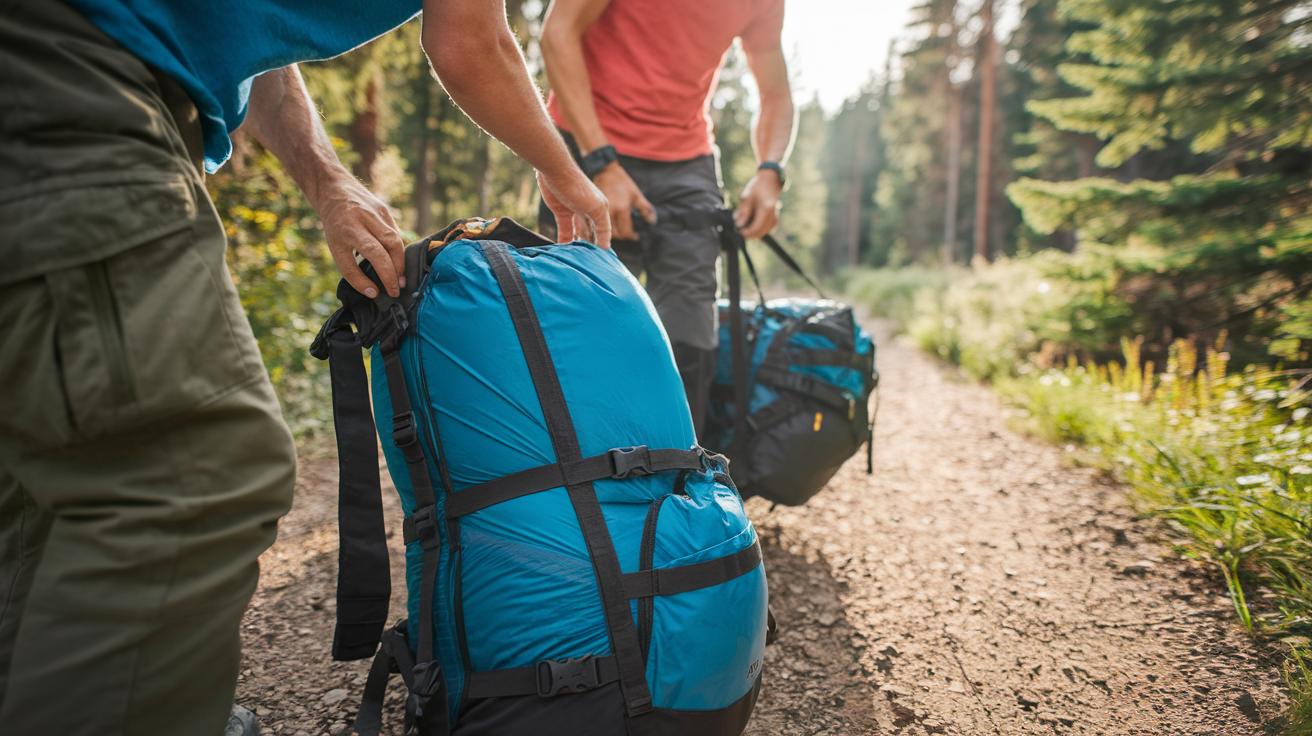
Pack so you can grab the essentials without stopping. We suggest using compression sacks to shrink your clothes and free up space. Place heavy items like your stove or water filter close to your back. This keeps your center of gravity low and makes long climbs easier.
Secure your trekking poles with the external straps. Using dry bags for wet gear helps keep your food and electronics safe from moisture. This extra step can save you a headache later.
Keep your first-aid kit and snacks in top or hip-belt pockets so you can quickly access them in an emergency. Adjust your hipbelt and shoulder straps for a snug fit. A well-fitted pack helps avoid pressure points and makes your hike smoother.
Group similar items together in smaller pouches or packing cubes. For example, keep your technical gear in one pocket and toiletries in another. With a neat pack, you save energy and have every item right where you need it.
Pre-Hike Gear Verification and Maintenance for Hut Trip Safety
Before you head out, give your gear a thorough check. This helps you spot problems now rather than on the trail, ensuring a safe hut trip.
Start by examining your pack and rain gear. Look at every zipper and seam for loose threads or signs of wear that could let water in. Check that your hoodie drawcords move smoothly and adjust correctly. Take a few minutes to try on your break-in boots, making sure they are comfortable and don’t pinch.
Next, confirm that your electronics are fully charged. Check the battery levels on your headlamp and see that your powerbank is holding a charge. Run your water filter with clean water to ensure it flows well and purifies as expected. Test your stove (or stove substitute) briefly to confirm it lights and heats up properly. Remember to pack spare batteries or a solar charger for extra safety.
Review these steps one more time:
- Inspect zippers, seams, and drawcords
- Test boots and electronics
- Run the water filter with clean water
- Verify stove function and pack spare power sources
Taking a few extra minutes for this gear check helps you avoid surprises and builds a secure mindset for your hut hike.
Troubleshooting Common Gear Issues and Emergency Repairs on Hut Hikes
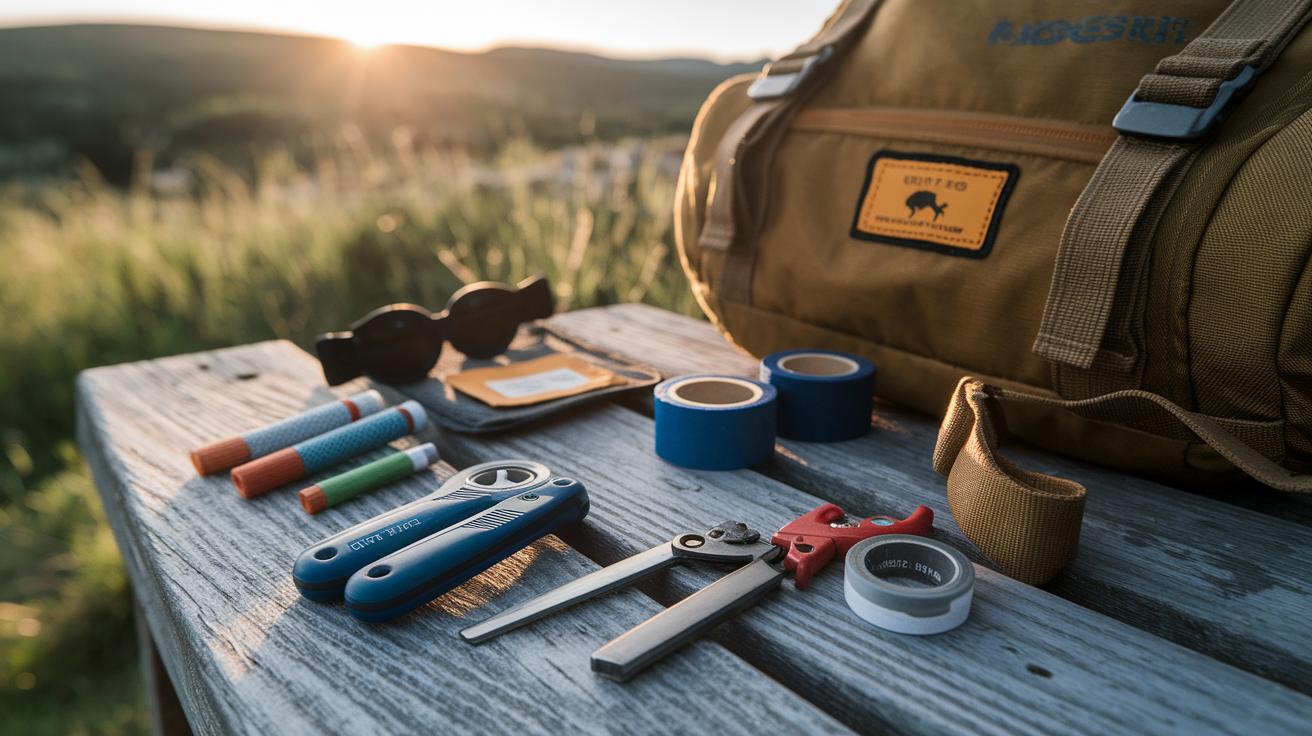
When you're out on a hut hike, your gear can take a beating. That's why it's wise to carry a small repair kit that lets you fix problems quickly. Pack a multi-tool (a handy tool for many fixes), some duct tape, extra buckles, a sewing kit, and a few gear patches to mend rips or secure loose parts. This kit can turn minor issues into easy fixes so you don't fall behind.
Small issues can arise along the trail, a tear in your jacket, a broken pole, or a stubborn zipper. If your fabric tears, use your sewing kit or a patch to mend it temporarily. Replace a broken buckle with a spare, and reinforce weak spots on your bag or jacket with duct tape.
If something major happens, like severe pole damage or a failing shelter system, use your personal locator beacon or satellite messenger for a quick safety check. And don't forget to pack an emergency food bar. It gives you a boost of energy if you're delayed and serves as a backup while you fix your gear.
Remember to pack these items:
- Multi-tool
- Duct tape and spare buckles
- Sewing kit and gear patches
- Emergency food bar
Always check your repair kit before each trip. That way you stay ahead of any hazards and enjoy a safe hut hike.
Final Words
In the action, we covered everything you need to be ready on the trail. From your core equipment and weatherproof apparel to navigation tools and nutrition tips, every section aimed to keep you safe and comfortable in the mountains.
We also broke down pack organization, pre-hike checks, and even emergency repairs. This guide is your gear packing safety checklist for hut hikes, straightforward, practical, and designed to set you up for a memorable stay while trekking in the mountains. Enjoy your next hut hike!
FAQ
What does a gear packing safety checklist for hut hikes include?
The gear packing safety checklist includes items like your backpack, layered clothing, waterproof gear, navigation devices, first-aid kit, and a basic repair kit. This setup keeps you safe on the trails.
What should be in a hut-to-hut or alpine packing list such as for Alta Via 1 or Alps hut hikes?
The hut-to-hut packing list covers essentials such as a high-quality rain shell, puffy jacket, base layers, durable hiking boots, food, water, and navigation tools to keep you prepared in changing mountain conditions.
What size backpack should I use for hut-to-hut hiking?
The recommended backpack for hut-to-hut hikes is around a 36 L pack. It offers enough room for key gear while keeping weight manageable during a 3–4 day trip.
What items are necessary for a multi-day hike or hiking vacation packing list?
Your multi-day hiking list should include safety items like a first-aid kit, a rain shell, extra base layers, sturdy footwear, reliable navigation tools, nutrition, hydration, and sleep system accessories for comfort in the huts.
What should a via ferrata packing list include?
A via ferrata packing list adds safety gear to your standard hut hike items. Include a climbing harness, helmet, gloves, and extra protective gear to keep safe on climbing routes while still packing essential comfort items.