


Ever thought about whether your hike leaves just footprints or a lasting mark? We’re seeing a new trend where hikers choose gear built to last and plan routes that help protect wild land. More of us now pick equipment that cuts down on waste and design our trails with nature in mind. Simple habits, like picking up extra trash along the way, show that we all care for our outdoor spaces. This fresh take on hiking proves you can enjoy nature safely and respectfully while taking care of the planet.
Sustainable Hiking Trends: Enjoy Nature Responsibly
Hiking in 2024 means taking care of wild places while enjoying the great outdoors. Every step can help the planet when you choose gear that lasts, keep waste low, and plan your route with care. More hikers are picking strong, weather-ready gear, mapping out trails that protect the land, and aiming for climbs that leave little carbon behind. Instead of adding extra weight with throwaway items, many are cleaning up on the trail and cutting out single-use plastics. This simple switch keeps the paths clear and honors the idea of leaving nothing but footprints.
Key ways to hike sustainably:
- Pick up trail trash even if it makes your pack a bit heavier
- Ditch single-use plastics
- Use bear canisters or Ursacks (special food storage bags) to keep food safe
- Follow the 7 Leave No Trace principles (rules to minimize your impact)
- Avoid repackaging food into disposables
- Manage campfires with care and only when safe
- Support local businesses in nearby trail towns
- Repair gear using warranties or quick DIY fixes
- Buy used equipment to cut down on waste
- Recycle old hiking shoes through programs like Nike Grind
By following these tips, you can enjoy a safe and respectful outdoor adventure while helping future hikers experience nature in its best form.
Sustainable Hiking Trends: Top Gear Innovations for Low-Impact Foot Travel

New gear is making our hikes greener and more adaptable. Bio-based backpacks now use renewable fibers and even include built-in water filters made from natural materials. One European maker showed that these backpacks cut down on plastic and have parts that compost after use.
Compostable tents also lead the way. Made with natural fibers and eco-friendly adhesives, they break down under industrial composting. Users tested these tents on damp summer nights and found them to be very reliable.
Modular clothing keeps you ready for sudden weather changes. A modular jacket lets you switch liners if you need more warmth. And with modular boots, you can replace parts to fix minor issues on the trail without a hassle.
| Innovative Gear | Key Benefit |
|---|---|
| Bio-based Backpacks | Made from renewable materials with compostable parts |
| Compostable Tents | Designed to break down during industrial composting |
| Modular Clothing | Allows quick changes for shifting weather |
| Modular Footwear | Offers replaceable parts for a better fit and easier repairs |
Sustainable Hiking Trends: Trail Stewardship and Conservation-Centric Route Planning
Planning a hike with care means leaving nature the way you found it. Stick to the seven Leave No Trace rules. Take only photos and leave only footprints. Using marked trails helps reduce erosion and protects fragile spots. Camp only in designated areas so you don’t create new paths.
Plan your route with conservation in mind. Many trails now require permits and limit the number of hikers. This keeps the land safe and lets everyone enjoy nature.
Quick tips:
- Stay on marked trails and use designated campsites.
- Keep your group small to reduce impact.
- Reuse food containers to cut down on waste.
Volunteers play a big role in caring for our trails. Many hiking groups host trail maintenance days to repair and protect popular paths. Joining these efforts not only helps nature but also brings you closer to the outdoors.
Stick to well-used trails and smart planning to make your hike eco-friendly. Permit systems and mindful scheduling support sustainable hiking practices. By caring for nature and taking part in volunteer work, you make the trail a better place for everyone.
Sustainable Hiking Trends: Community Engagement and Ethical Local Support
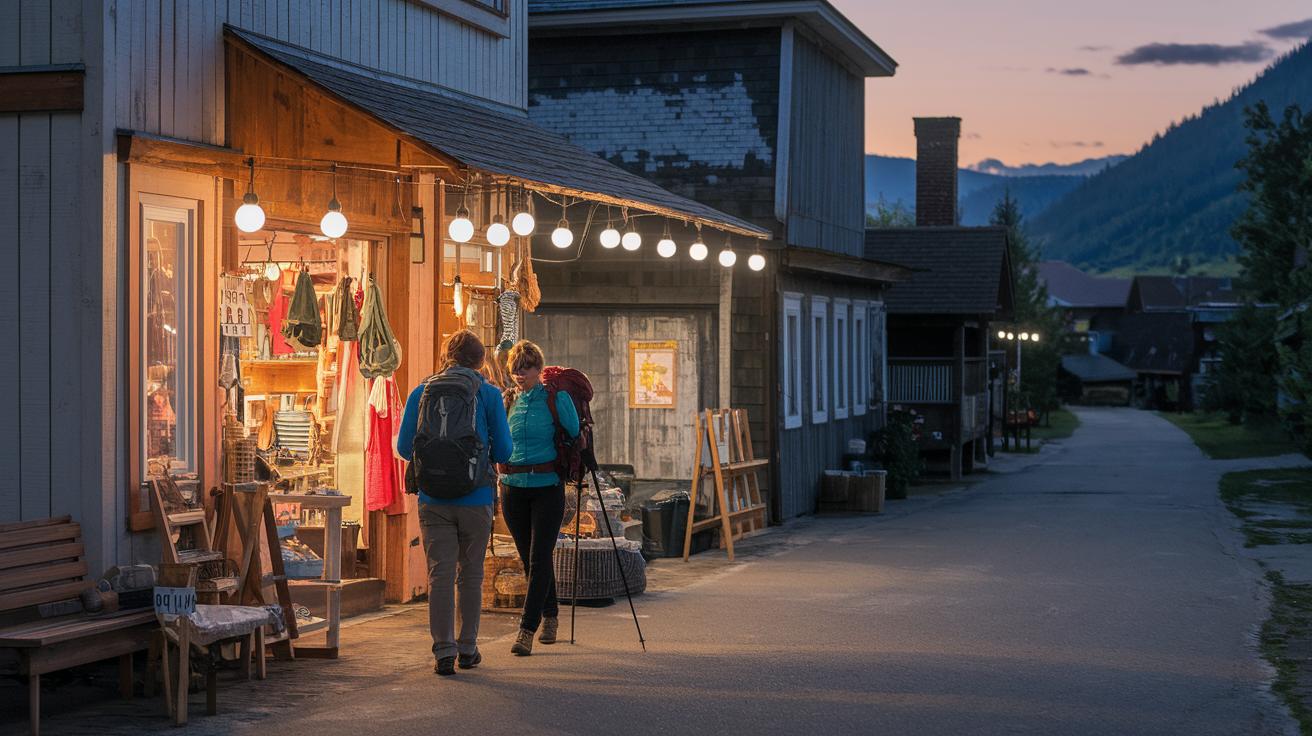
When you hit the trails, you can help protect nature and support the locals. Small, family-run stores in trail towns give you good supplies while cutting down on long-haul transport and keeping money in the area. One local shop owner once said, "A friendly smile and honest advice come with every purchase here." Every purchase matters.
Booking a guide service run by locals is another smart move. These guides know every bend of the trails and work hard to keep the land safe. They can offer tips on which paths help reduce trail wear and point out safe spots to eat and sleep.
You can also lend a hand by joining volunteer trail projects. Many communities arrange clean-ups and maintenance days to keep the paths safe and scenic.
Quick ways to get involved:
- Buy locally made snacks and gear.
- Volunteer for trail care days.
- Pick guiding services run by local residents.
Every mindful choice builds a fair wilderness journey that supports your hiking plans and keeps the local nature and culture strong.
Sustainable Hiking Trends: Carbon-Neutral Summit Ascents and Access Innovations
Starting your hike with a clean slate begins before you even tie your boots. Today, hikers plan every part of their journey to lower their impact. Many choose to take public transit, shuttles, or ride-shares to get to the trail. Carpooling with fellow hikers helps keep the air cleaner and makes the entire trip greener.
Digital tools, like the hiking app from hike2hut.com, let you plan eco-friendly travel. You can check for low-emission paths, find nearby shuttle stops, and set up your route. Some trails now mark low-emission options, so you can climb to the summit in a carbon-neutral way. This careful planning helps you enjoy nature while respecting local communities.
It’s not just the ride that matters. Hikers are also taking a closer look at campfire safety. Many now plan campfires carefully, using controlled fire pits where allowed. This helps reduce fire risk while still giving you that cozy wood-stove glow on a chilly night.
Planning both your transport and your campfire options is key to these eco-friendly innovations. Every little effort to lower your footprint works to protect wild places and keeps your journey low-impact. Every extra mile you travel this way boosts community spirit and helps care for the environment.
Sustainable Hiking Trends: Forecasting Tomorrow’s Green Trail Technologies

Imagine trails that not only guide you but also care for nature. Smart tools like AI now plan routes to protect fragile soils and keep the land healthy. You might soon rest in a solar-powered, ultralight shelter that charges by day, so you sleep warm without heavy batteries. Biodegradable markers show the way and then fade naturally, leaving no footprint. These eco-friendly ideas work with careful route planning to make every step gentler on the earth. Volunteer-led trail fixes give you a real way to help nature while you hike. New digital tools and rugged gear also make managing waste easier and build local community ties. Bit by bit, these small changes add up to a big impact. Every step you take helps create a healthier planet for tomorrow.
Final Words
In the action, we explored everything from innovative eco-friendly gear to practical trail stewardship that lessens our impact. We looked at postponing waste through smart gear fixes, using sustainable transport options, and relying on local support to boost mountain communities.
Our guide shows that simple actions build a safer, enjoyable experience. Embracing sustainable hiking trends helps protect the trail and ensures future hikers can enjoy the authentic mountain warmth and care.
FAQ
What is the biggest trend in sustainability right now?
The biggest trend in sustainability right now is a focus on reducing environmental impact by using eco-friendly gear, waste reduction practices, and supporting local economies on the trail.
How is hiking sustainable?
Hiking is sustainable by following low-impact practices such as Leave No Trace, using repairable or secondhand gear, and supporting local businesses while keeping our trail footprints small.
What are the 7 R’s of sustainable fashion?
The 7 R’s of sustainable fashion typically include Refuse unwanted items, Reduce waste, Reuse products, Repair damages, Recycle materials, Repurpose old items, and Rethink purchasing habits.
What is the best sustainable hiking gear?
The best sustainable hiking gear is gear made with recycled or bio-based materials, designed for durability and repairability, and sourced from eco-friendly initiatives to lessen environmental impact.