


Ever notice how one hike feels like a gentle stroll, while another leaves you on edge? The secret is in planning ahead and making smart choices from the start. Checking the weather, studying your topo maps (which show hills and valleys), and knowing the trail details can turn a risky trek into a safe, stress-free journey. In this guide, we share simple, practical tips to help you prepare and set out with confidence. Ready to enjoy the trail and keep your adventure safe?
Pre-Trip Trail Preparation in Hiking Safety Tips
Staying safe is the number one goal on any hike. Before you head out, check the weather forecast to steer clear of dangerous storms. Look up the temperature, wind speeds, and chances of rain so you can set off early and get off exposed ridges by early afternoon. For instance, check the forecast first thing in the morning to avoid any surprise thunderstorms.
Do your homework on the trail. Look online or in guidebooks for key details like the total distance, how much climbing (elevation gain) you'll do, where water crossings are, and any tricky spots along the way. Pick a trail that matches your fitness level and experience. If long climbs or steep sections are new to you, choose a gentler route.
Make sure you know if the trail needs a permit or has any special rules. Many trailheads post guidelines about camping or fires. Checking these details ahead of time can help you avoid fines or last-minute surprises.
Plan your timing by knowing when the sun rises and sets. Sticking to well-marked trails not only keeps you safe but also helps protect the environment. Remember to follow Leave No Trace practices to keep nature pristine.
Simple checklist:
- Check weather and trail conditions.
- Research total distance, elevation gain, and any hazards.
- Confirm permit needs and local rules.
- Note sunrise, sunset, and plan your hiking window.
- Pick a route that suits your fitness.
- Stay on established trails and follow Leave No Trace guidelines.
For extra guidance on getting ready, visit the hiking safety tools resource to review essential gear and pre-trip checklists.
Navigation Strategies and Map Skills in Hiking Safety Tips
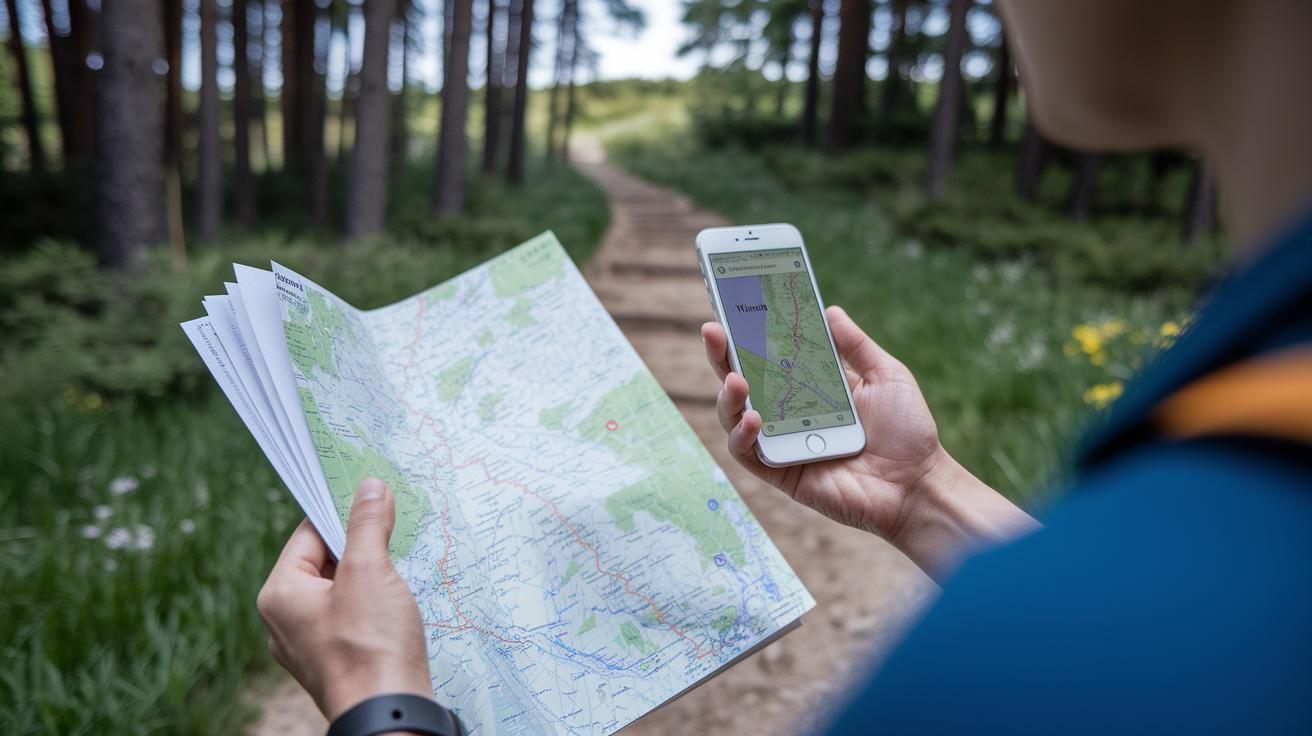
Bring along both a paper map and a digital route plan on your hike. Download offline trail maps from a reliable GPS hiking app like the one at https://hike2hut.com?p=. This way, if you lose cell service, you can still check your route. Mark key stops such as water sources and trail junctions on your digital map, and always keep a paper map as a backup. Check your position with your map and compass every 30 to 60 minutes to make sure you're still on track. Watching for familiar landmarks and trail signs will help you avoid straying off course.
- Use a compass and paper map to know your location.
- Mark important trail junctions and water stops.
- Check your digital map often for any updates.
- Stay alert by keeping an eye out for big landmarks.
Combining Paper and Digital Navigation Tools
Use a paper map and compass along with your GPS app to avoid mistakes. For instance, if your GPS shows you off a well-known water crossing, look at your paper map to confirm the route. This simple cross-check builds confidence and keeps you safe when conditions change. Mixing both methods ensures that if one tool fails, you still have a reliable way to navigate through the mountains.
Comprehensive Essential Gear List in Hiking Safety Tips
Before you head out, it's smart to check your gear. Each item on this list helps keep you safe and ready for the trail. We know that weather and conditions can change fast, so pack these essentials to tackle any twist the path throws at you.
| Item | Purpose |
|---|---|
| Navigational Device | Use a map, compass, phone, or satellite communicator to find your way on unfamiliar trails. |
| Sun Protection | Wear a wide-brimmed hat, UPF hoodie, and apply sunscreen to guard against the sun’s rays. |
| Extra Insulation | Bring a rain jacket, down layer, hat, and gloves to keep warm if the temperature drops. |
| Illumination Source | A headlamp with spare batteries will light your way when daylight fades. |
| First Aid Kit | Carry basic supplies like bandages to treat minor injuries quickly. |
| Fire Starter | Have waterproof matches or a lighter ready to start a fire for warmth or signaling. |
| Repair Kit | Pack a knife or multi-tool and some duct tape for quick gear fixes on the trail. |
| Nutrition | Bring high-salt snacks to keep your energy up and support proper hydration. |
| Water | Keep at least 1 liter per 2 hours on hand, plus a filter or purification tablets. |
| Emergency Shelter | A space blanket or bivy sack offers vital protection in harsh conditions. |
| Hiking Footwear | Wear sturdy boots with a good grip to avoid slips and support your ankles. |
| Appropriate Clothing | Use moisture-wicking layers with reflective patches for comfort and visibility in low light. |
Review this checklist before each trek. Each item has been chosen to ensure you stay safe, comfortable, and ready for whatever the mountains bring.
Weather Preparedness and Environmental Risks in Hiking Safety Tips
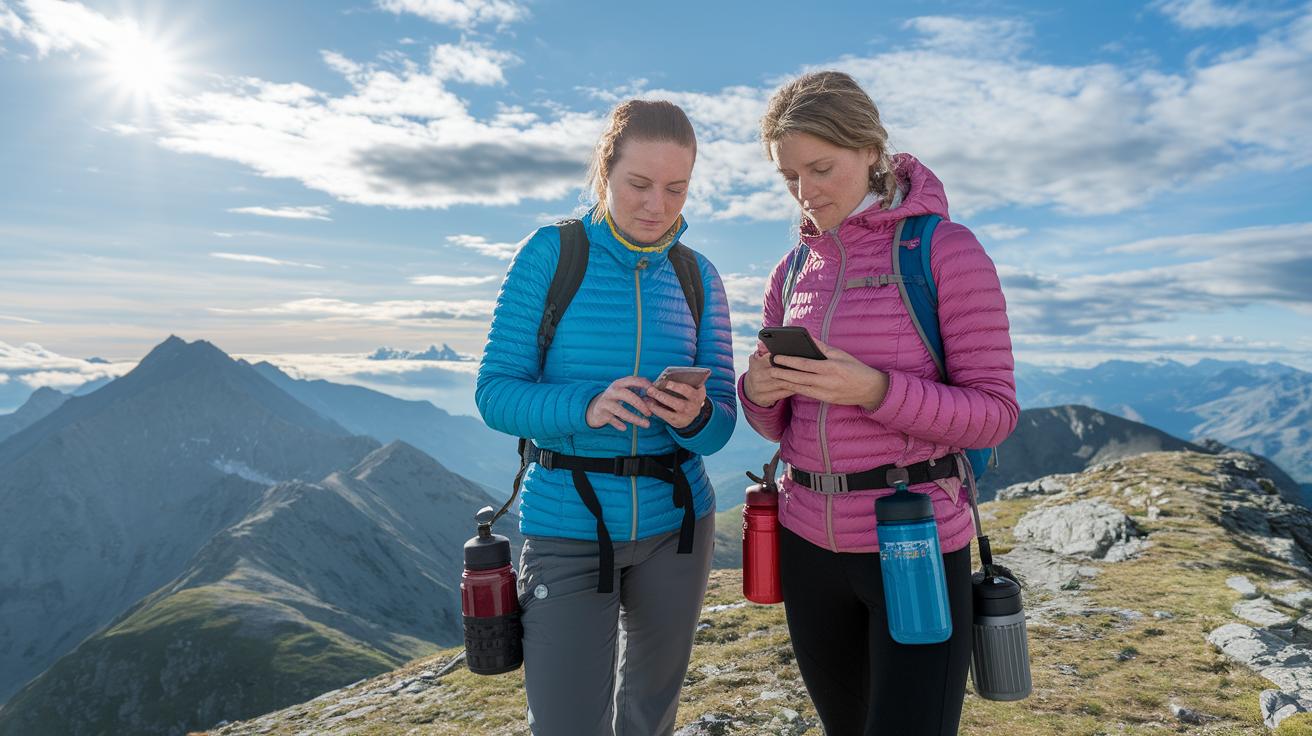
Before you head out, check the weather forecast. Look at the temperature, wind, and any chance of rain or thunderstorms. Starting early helps you beat the heat and cross open ridges or river crossings before afternoon storms set in. This strategy cuts down on heat risks and reduces the chance of getting caught in a shower later.
Bring plenty of water along with some electrolytes and a portable filter. In hot weather, you can get dehydrated fast. A good rule is to pack one liter for every two hours of hiking, and even more when it's really warm.
Dress in layers so you can easily adjust as the weather changes. Pack a moisture-wicking base layer, an insulating mid-layer, and a lightweight shell to protect you from wind and rain. This setup helps you manage differences of over 20°F (11°C) between the valley and the ridge. Also, remember your sunblock and protective clothing to guard against high UV exposure.
Keep a lightweight rain shell handy in case of an unexpected shower. Carry high-calorie bars or other quick-energy snacks for any delays. Here are a few simple tips to keep in mind:
- Check the forecast right before you leave.
- Start your hike early.
- Adjust your gear as the weather shifts.
First Aid Readiness and Emergency Protocols in Hiking Safety Tips
Pack a small, personal first aid kit to handle common trail mishaps like blisters, sprains, and cuts. Include simple supplies for cleaning and dressing wounds. Learn basic splint techniques (a way to support a broken limb) and CPR. This prep helps turn a minor incident into a safe experience.
Before setting off, practice an emergency drill. For example, act out a scene where someone gets hurt. Practice signaling for help and putting together a makeshift shelter. These drills boost your confidence if nature has other plans.
Carry a lightweight personal locator beacon or satellite communicator with a rescue plan. This device can make the difference between a quick rescue and a long wait. Pack a safety whistle and a small mirror too, so you have extra ways to signal when your voice might not carry.
Tell two trusted contacts about your trip. Share the trail name, your start time, and when you expect to return. This way, someone will know where to look if you run into trouble. Review your plan and run through your emergency drills regularly to stay ready.
A solid first aid plan combined with practice drills can reduce rescue times and guide you through unexpected situations.
Wildlife Encounters and Hazard Prevention in Hiking Safety Tips

When you're on the trail, keep an eye out for animals like bears, moose, and rattlesnakes. Pack bear spray and learn how to use it safely. Early mornings and late afternoons are when animals are most active, so stay extra alert. When you reach a blind corner, make a little noise. This simple step helps alert nearby animals and gives everyone time to move safely.
Watch out for other hazards too. Look up at slopes before stepping into narrow canyons to avoid rockfall. Pay attention to trail markers that warn of unstable ground. At stream crossings, choose a bridge or a shallow ford instead of wading through deep water. And always store food at least 100 yards away from your sleeping area to keep critters at bay.
Quick tips:
- Carry bear spray and know its effective range.
- Make noise at blind corners to signal your approach.
- Check overhead slopes to reduce the risk of rockfall.
- Use safe water crossings like bridges or shallow fords.
- Keep food far from your camp to avoid attracting animals.
Following these simple rules will help you enjoy the trail while keeping both you and the local wildlife safe.
Group Coordination, Solo Trek Security, and Fatigue Management in Hiking Safety Tips
When planning your hike, tell the public only where you’re headed in general. Share your full route details, like trail name, start time, and when you plan to be back, with a few trusted friends. This way, you stay safe without giving too much info to strangers.
If you’re hiking alone, bring a personal alarm or use your phone to record your journey. These extra steps can help alert others if something goes wrong.
When you’re out in a group, pick a time every 1 to 2 hours to check in with one another. For example, one person might phone in when they reach a water crossing. This keeps everyone in the loop and reassured.
Keep your energy up and avoid getting too tired by taking regular breaks. Stop every half hour for a drink of water and nibble on quick snacks like trail mix or granola bars. These mini-breaks make a big difference on longer hikes.
Also, it’s smart to build up your strength before your trip. Try training rides or simple strength workouts to prepare your muscles. On steep parts of the trail, go at a steady pace to save energy and avoid burnout.
- Share your full itinerary with a trusted contact.
- Check in with your group every 1 to 2 hours.
- Plan regular rest stops with water and snacks.
- Do some pre-hike workouts to boost your endurance.
Final Words
In the action, every step on your route matters. This article covered key hiking safety tips, from planning your trail, using both digital and paper maps, and packing the right gear, to checking weather and planning for emergencies. We also shared ideas for handling wildlife, fatigue, and group coordination on the trail.
Your careful preparation makes all the difference. Enjoy the trail and stay safe out there.
FAQ
What are some key hiking safety tips for students, beginners, and kids?
The key hiking safety tips include thorough pre-hike research, packing essential gear, letting someone know your plans, and sticking to marked paths. These guidelines help students, beginners, and kids stay safe on the trail.
What are the ten most important items to bring when hiking?
The ten essentials include a map/compass, sun protection, an extra insulating layer, a headlamp, a first aid kit, a fire starter, a repair tool, high-energy snacks, water with purification, and an emergency shelter to keep you safe.
What is the 3 layer rule for hiking?
The 3 layer rule means wearing a base layer (that wicks sweat), an insulating layer (for warmth), and a waterproof shell (to protect from wind and rain). This system helps you adjust quickly to weather changes.
How should I stay safe when hiking at night?
Hiking at night requires extra measures. Stick to familiar, well-marked trails, use a reliable headlamp with spare batteries, and keep alert to obstacles and terrain changes to avoid missteps.
Why do hikers eat gummy bears on the trail?
Hikers eat gummy bears for a quick energy boost. Their high sugar content provides instant fuel during strenuous sections and helps maintain good morale on a long, challenging trek.
How can I prepare an effective hiking safety presentation?
An effective hiking safety presentation combines clear visuals, concise safety tips, and personal examples on route planning, gear selection, weather checks, and emergency protocols to educate and motivate your audience.