


Ever wondered if your next trek could protect nature and give you an amazing mountain experience? With eco-friendly hut-to-hut trekking, you can explore the outdoors without leaving a heavy footprint. This guide walks you through smart route planning, careful timing, and choosing huts that care for the land. You'll find tips on using tools like Outdooractive, picking quieter times to go, and packing light for a 7-night journey. Get ready to enjoy the outdoors with a trip that honors both the mountains and local traditions.
Sustainable Route Planning in an Eco Friendly Hut-to-Hut Trekking Guide
When planning your trek, choose trails that care for the land as much as you do. For example, a 7-night, 80-km (50.1-mile) journey in the White Mountains lets you take in nature while keeping your footprint light. With around 16 km (10 miles) a day over steep, rocky paths, a light pack and tasty meals at the huts help reduce your carbon footprint and preserve the local beauty.
A smart plan uses tools like Outdooractive, Komoot, or a National Geographic waterproof map (with elevation details) to mark your route. You can plot paths that avoid harming nature by keeping an eye on water sources and safe hut stops. This gives you a clear plan and keeps the trek safe and eco-friendly.
Pick the right season and fewer crowds to make your trip even more sustainable. Late June through early October usually brings easier trail conditions. Traveling off peak in July and August means less wear on the trails and a quieter experience. Also, check local rules and hut booking windows to ensure everything runs smoothly.
- Keep your daily hike around 16 km (10 miles) for balance.
- Plan for late June to early October for milder weather.
- Travel in a small group to lessen the impact on the land.
- Consider carbon offset options to support green trekking.
- Download maps with elevation details for better planning.
Balancing beautiful views with solid planning means setting stops that care for nature and honor local culture. Choosing the right distances, timing, and eco-friendly gear keeps your trek safe, practical, and full of real mountain magic.
Eco Friendly Hut Selection and Sustainable Accommodation

When choosing a mountain hut, look for places that care for the environment and support local communities. You’ll want huts with shared dorms, set quiet hours, a sign-in log, and even on-site water, so you can keep your pack light. Many eco-friendly huts serve warm meals made from local ingredients. Look for those that use renewable energy and smart resource-saving steps. This shows they truly care about the mountains.
A good example is Lake of the Clouds Hut. Run by a nonprofit, this hut offers bunk-style dorms, fixed dinner times, a buffet breakfast, and even optional packed lunches (with an extra fee for private rooms). Having water on site means you can travel lighter and reduce your impact on nature. Always double-check the reservation details since these can change by region. It’s a top pick for eco-minded trekkers.
Solar-Powered Hut Facilities
Check if the hut features:
- Solar panels
- LED lighting
- Charging stations for devices
Ask about backup power and regular maintenance to keep things running safely.
Water-Saving Technologies in Mountain Cabins
Look for:
- Rainwater harvesting (collecting rain to use)
- Low-flow taps
Confirm these details by reading the hut description and guest reviews before you book.
On-Site Waste Management Protocols
Make sure the hut uses:
- Composting toilets
- Recycling stations
- A strict “pack-in, pack-out” rule (you take all your waste with you)
This helps keep our trails and huts clean and sustainable.
Eco-Conscious Packing Tips for Hut-to-Hut Trekking
When you pack light and choose eco-friendly gear, you not only ease your hike but also help protect the mountains. We suggest keeping your pack simple and smart. This way, you carry only what you need and reduce your impact on nature.
Here’s a basic list to guide you:
- Sturdy B/C hiking boots
- A 30–40 L backpack with its own rain cover
- A waterproof jacket paired with a warm layer
- A compact sleeping bag made for huts
- Lightweight flip-flops for indoor use
- Clothing treated with permethrin (to repel insects) plus Picaridin spray (for extra protection)
- A small, portable solar charger
- A Sawyer Squeeze water filter
Keeping your pack around 8–10 kg makes the steep, rocky trails easier to handle. Picking gear that lasts and has a low environmental impact shows respect for the mountains. Choose items with little packaging and, when you can, pick biodegradable options. For example, a sleeping bag made from recycled materials or clothes treated with eco-friendly processes helps protect the wild places we love.
Minimizing Environmental Impact on Hut-to-Hut Trails
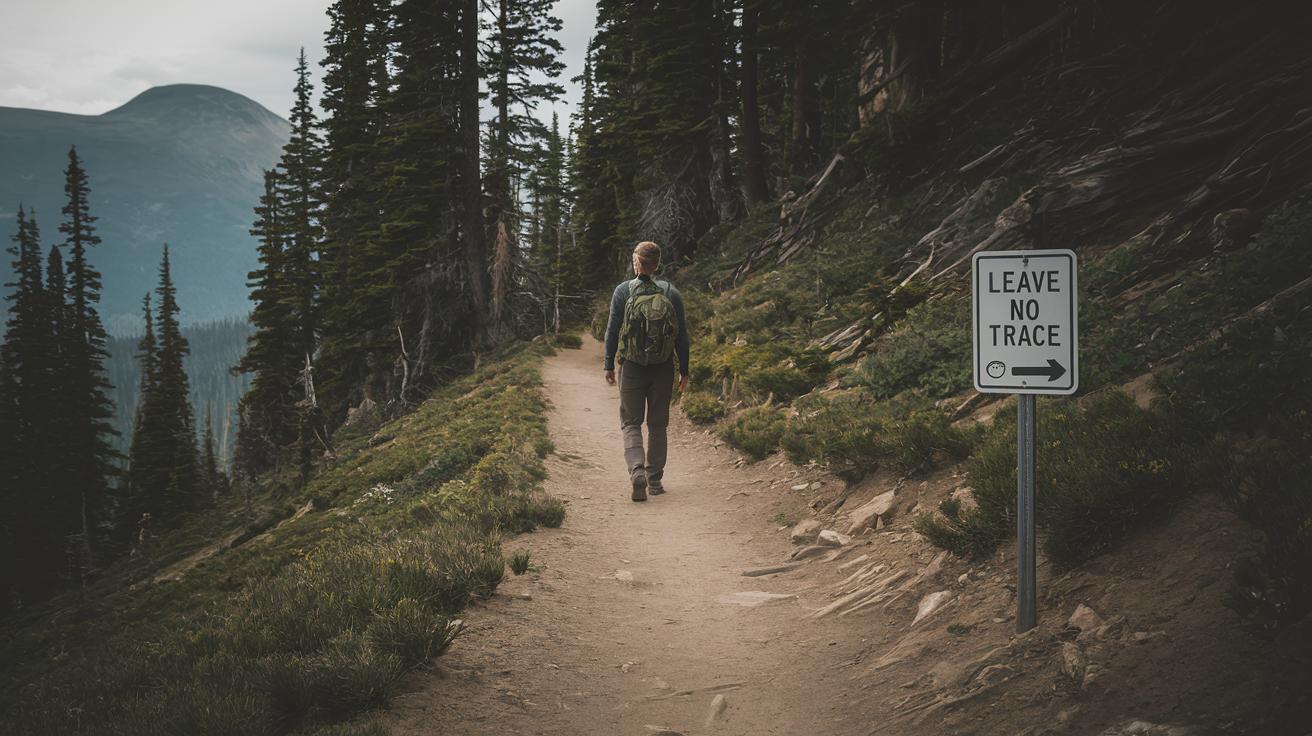
When you hit the trail, sticking to marked paths is the best way to care for our mountains. Keep to the established route and follow Leave No Trace rules. This helps reduce soil wear and protects local plants and wildlife.
Keep your noise low in the huts and on the trail. Low voices help everyone enjoy the peace and give local animals a quiet space. Even a small detour can hurt fragile vegetation and soil. Simple choices like staying on track make a big difference.
Watch your resources too. Consider staying in off-season lodges to ease pressure on busy trails. Always pack out your trash and skip single-use plastics. Use insect repellent on your clothes rather than near streams. These small actions help keep water and nature clean.
Here are some easy tips to protect the environment on your journey:
- Stick to marked trails to prevent soil erosion.
- Keep noise down in huts and natural areas.
- Pack out all your trash and avoid single-use plastics.
- Use repellent on your gear, not near water sources.
- Travel in small groups to prevent trail widening and damage.
Every step you take helps the local community and preserves the beauty of our mountains. Follow these simple rules and enjoy a safe, respectful, and unforgettable hut-to-hut adventure.
Eco Friendly Navigation and Safety Tools in a Hut-to-Hut Trekking Guide
Keep your hike safe and eco-friendly by using tools that honor the mountains. Pack a waterproof map (like National Geographic's) that shows hut spots and water stops as a backup on rough trails. Offline map apps (apps you can load with hut points and elevation details) work well even when cell signal drops. Always check the summit forecast, bring a compass and a backup GPS, and know the local emergency number (for example, 140 in Austria) before you head out.
GPS and Mapping Apps
Offline maps let you save your route so you won't lose your way if the signal disappears. Many apps have battery-saving modes and let you download hut waypoints quickly. These tools help you stick to nature-friendly paths and mark water sources while cutting down on waste, both digital and on the trail. Keeping your devices updated and using offline maps ensures you always have a reliable guide, even in the deep mountains.
Eco-Friendly Power Solutions
Use rechargeable solar battery packs instead of disposable ones to reduce waste while keeping your gear powered. Consider a hand-crank charger for backup energy and an energy-efficient headlamp to brighten your path without using much power. These renewable options help you leave a lighter footprint on the ridge and can be a lifesaver during long hikes or unexpected delays. Choosing sustainable power tools means you’re taking another step to protect the wild landscape while staying safe and on course.
Supporting Local Communities and Conservation Through Eco Friendly Hut-to-Hut Trekking

When you enjoy a meal at a local hut, you help keep mountain communities strong. Savor traditional dishes like Kaiserschmarrn and apple strudel while putting money back into the local economy. Many huts are run by local groups that use their earnings to maintain trails and support conservation efforts. Your payment for a hut stay goes directly to local guides, porters, and small businesses. Booking off-season lodges also spreads out visitor numbers and provides steady income for families who depend on tourism.
Connecting with the local community means more than filling your belly. Trail permit fees help protect natural areas, and volunteer trail days bring hikers and local caretakers together in a shared effort. Hiring a local guide deepens your connection to the land and supports genuine, sustainable practices. By choosing local services and products, you help keep trails in good shape and encourage care for the environment.
Plan your trip by picking tours that include local guides, joining a volunteer trail work day, or buying handmade souvenirs at hut shops. These choices make your mountain adventure a positive force for both nature and community resilience.
Final Words
In the action, we've mapped out sustainable route plans, eco-friendly huts, smart packing, low-impact trail tips, and navigation tools, all designed to boost your confidence on the trails and support local communities. This guide balances scenery, simple logistics, and a minimal footprint for a safe and memorable trek. Keep these tips in mind as you use our eco friendly hut-to-hut trekking guide to explore the mountains responsibly and with care. Your safe adventure awaits!
FAQ
What is the best eco friendly hut to hut trekking guide?
The best eco friendly hut to hut trekking guide picks routes with low-impact practices, green accommodations, and local community support to lower your carbon footprint while ensuring an unforgettable trek.
What does a 5-day Dolomites hut to hut hike include?
A 5-day Dolomites hut to hut hike features scenic alpine trails, comfortable mountain hut stays, and requires careful planning for peak seasons with maps and booking ahead.
What is involved in a 3-day hut to hut trek in the Dolomites?
A 3-day hut to hut trek in the Dolomites offers shorter, manageable hikes between mountain lodges, combining active days with local meals and stunning views.
Where can I find a Dolomites hut to hut hiking map?
A Dolomites hut to hut hiking map displays trails, elevation profiles, and hut locations, often available through waterproof maps or offline-capable apps like Outdooractive and Komoot.
What does a self-guided Dolomites hut to hut hike entail?
A self-guided Dolomites hut to hut hike means planning your own route using GPX tracks or offline maps, giving you flexibility while requiring thorough preparation and self-reliance.
What feedback do hikers give on Dolomites hut to hut treks?
Hikers praise Dolomites hut to hut treks for their scenic trails, welcoming hut staff, and sustainable practices that harmonize challenge with comfort in a mountain setting.
What hut-to-hut hiking options are available in the USA?
Hut-to-hut hiking in the USA covers established mountain routes with rustic accommodations and local charm, offering varied climates and terrain that call for good pre-trip research.
What should I expect on a 4-day Dolomites hut to hut trek?
A 4-day Dolomites hut to hut trek balances manageable distances with the chance to sample alpine scenery and local dishes, ensuring steady progress with quality mountain lodging.
What is the best backpack for hut to hut hiking?
The best backpack for hut to hut hiking is lightweight with a 30–40 L capacity, includes a rain cover, and has ergonomic support to carry essential gear and eco-friendly supplies efficiently.
Is hut to hut hiking good for beginners and how difficult is the hike to High Hut?
Hut to hut hiking can suit beginners if easier routes are chosen and proper planning is followed. The hike to High Hut may include steeper, challenging sections, so assess your fitness before setting off.