


Ever packed too much that you can’t find what you need when you really need it? A solid packing list can change your hike from a struggle into an easy, enjoyable trip. We’ve put together three simple checklists for multi-day hikes. Each checklist breaks your gear into clear sections so you can pack light and smart. With these tips, you’re ready to handle every twist on the trail. Read on to learn how to pack confidently for your next adventure.
Complete Multi-Day Hiking Packing Checklist: Gear Categories Overview
Planning a 4–5-day backcountry hike? A solid packing list is your best friend for a safe and fun trip. We suggest a pack of about 60 L. If you tend to pack heavy, choose one that holds 65–70 L. A full-length pack liner keeps your gear dry even though it may make it harder to reach items at the bottom.
We organized the list into easy gear categories. For shelter and sleep, choose a tent that you can share or split with a hiking partner to save weight. Pack a high-quality goose-down sleeping bag, and consider a silk liner and a comfy sleeping mat to keep you warm on cool nights.
When it comes to clothing, pack several Merino wool base layers to help manage moisture. Layer these with quick-dry tops and a strong, breathable rain jacket to face changing conditions. For food and cooking, bring a lightweight stove, a small pot, and basic utensils so you can enjoy hot, energizing meals on the trail.
For navigation and safety, include a laminated 1:50,000 topographic map, a compass, and a personal locator beacon (PLB) in case of an emergency. Round out your kit with a simple personal hygiene kit and a few comfort items that add a bit of luxury while keeping the weight low.
| Category | Key Items | Notes |
|---|---|---|
| Pack & Organization | 60L pack, full-length liner | Up to 65–70 L for heavy packers; organize pockets by use |
| Shelter & Sleep | Tent, goose-down sleeping bag, silk liner, sleeping mat | Share or split tent weight between hikers |
| Clothing & Layers | Merino wool base layers, quick-dry outerwear, rain jacket | Avoid cotton; add hat, gloves, buff |
| Food & Cooking | Lightweight stove, cooking pot, utensils, dehydrated meals | Plan meals and pack diverse snacks |
| Navigation & Safety | Laminated map (1:50k), compass, PLB | Include a compact first aid kit |
| Personal & Hygiene | Toiletries, towel, insect repellent | Keep it basic and weight-friendly |
| Optional Comfort | Digital camera, hiking poles, extra snacks | Add items to enhance experience without extra bulk |
Choosing the Right Backpack & Organization for Your Multi-Day Hiking Packing Checklist
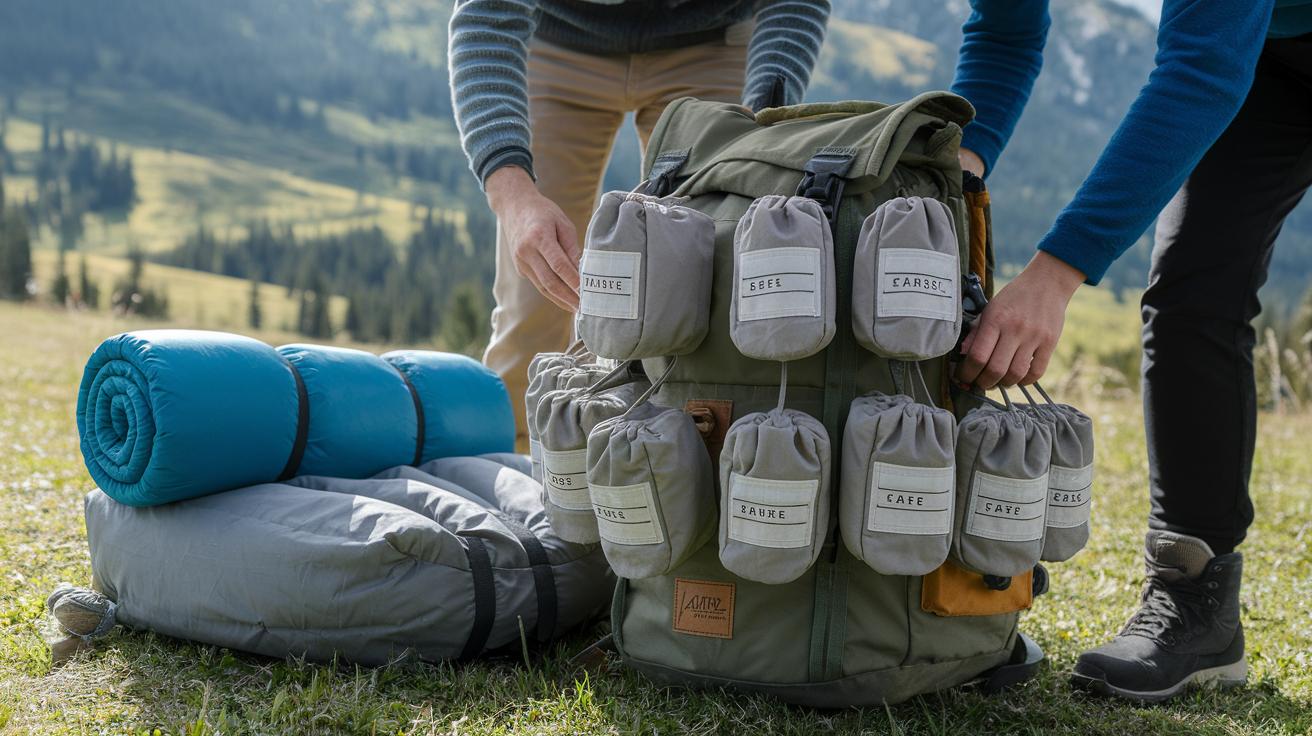
Skip the usual chat about pack sizes and liners. Instead, try smart ways to organize your gear. Use little pouches to keep your daily items separate from things you only need in an emergency.
Roll or bundle your clothes and sleeping bag in a compression sack. For example, roll your sleeping bag and pack it tight, so you can grab it quickly if it gets colder than expected.
Give each section of your backpack a clear job. Attach small pouches for snacks, maps, or your first aid kit. Clip one onto your shoulder strap for your rain gear. That way, if a sudden shower hits, you won't have to unpack everything.
| Strategy | Benefit |
|---|---|
| Modular Pouches | Quick access to everyday items |
| Compression Bags | Extra room for bulky gear |
| External Attachment | Easy reach during unexpected weather |
Clothing & Layering Strategies in a Multi-Day Hiking Packing Checklist
When planning your gear for a few days on the trail, think of your clothing as three layers plus a few extra bits. Start with a base of Merino wool thermals (the soft fabrics that wick moisture and keep smells low). Add a mid layer of quick-dry shorts with pockets or tight fleece pants that keep you warm and let you move freely. Top it off with a waterproof, breathable rain jacket (look for Gore-Tex or a quality tramping jacket) to shield you from rain. Don't forget a hat, gloves, and a buff to handle sudden weather changes. Your base layer is like a steady friend who stays cool even when you sweat.
| Layer | Recommended Items | Benefits |
|---|---|---|
| Base | Merino wool thermal top and bottom | Keeps moisture away and controls odor |
| Mid | Quick-dry shorts with pockets; tight fleece pants | Provides flexible warmth as temperatures change |
| Outer | Waterproof, breathable rain jacket (Gore-Tex or similar) | Stays dry in the rain; avoids cotton that holds moisture |
| Accessories | Hat, gloves, buff | Extra warmth and sun protection when needed |
Shelter & Sleep System Essentials in Your Multi-Day Hiking Packing Checklist
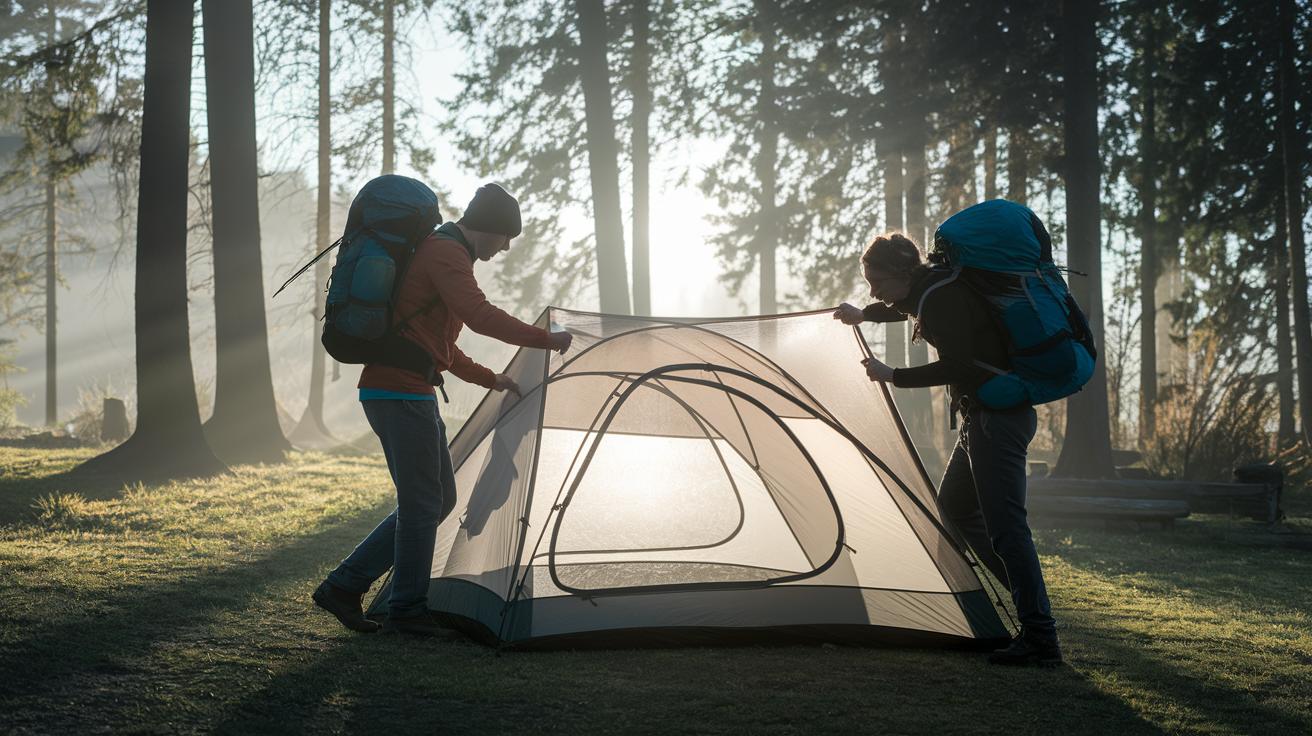
Your shelter and sleep system keep your trip safe and comfy. Pick a tent that allows you and your hiking buddy to share the load. You can have one person carry the whole tent while the other takes extra gear. Or, split the tent parts, one person takes the fly (the outer cover) and the other takes the body (the inner part), so each carries less weight.
| Gear | Recommendation | Benefit |
|---|---|---|
| Tent | Share the load (one person carries the fly, the other the body) | Lighter packs and easier movement |
| Goose-down Sleeping Bag | Select one rated for the temperatures you expect | Warm and lightweight without bulky materials |
| Silk Liner | Include for extra warmth and better hygiene | Makes your sleeping bag more comfortable and cleaner |
| Sleeping Mat | Choose one designed for uneven ground | Offers insulation and cushioning on rocky trails |
When planning your trip, think about dividing heavy items like the tent evenly between you and your partner. For example, one of you could carry the fly while the other carries the body. This simple trick makes the trek easier for both.
Cooking, Hydration & Food Planning for a Multi-Day Hiking Packing Checklist
Keeping your body fueled is crucial when you're out on a multi-day hike. A small, lightweight butane stove with a single pot lets you boil water fast for hot meals like porridge or rehydrated dinners. A set of solid utensils works well without adding extra weight. This setup makes it simple to cook a good meal even when you're short on time.
Plan your meals ahead so you have steady energy along the way. For lunch, think about easy options like pita pockets with cheese. Dinner might be a dehydrated backpacker meal or pasta mixed with sun-dried tomatoes for extra flavor. When hiking with others, sharing meal planning and cooking gear lightens the load, and helps ensure there's enough food if a rainy day delays your plans.
Snacks also play a big part in staying fueled. Pack items such as:
- Scroggin mix for a quick energy boost
- Muesli bars for a fast, satisfying bite
- Fresh apples or oranges for natural sugars and hydration
This way of planning means you won't have to dig through your pack searching for food. It saves energy and boosts morale, making long days on the trail more enjoyable.
Safety, Navigation & First Aid Essentials for a Multi-Day Hiking Packing Checklist
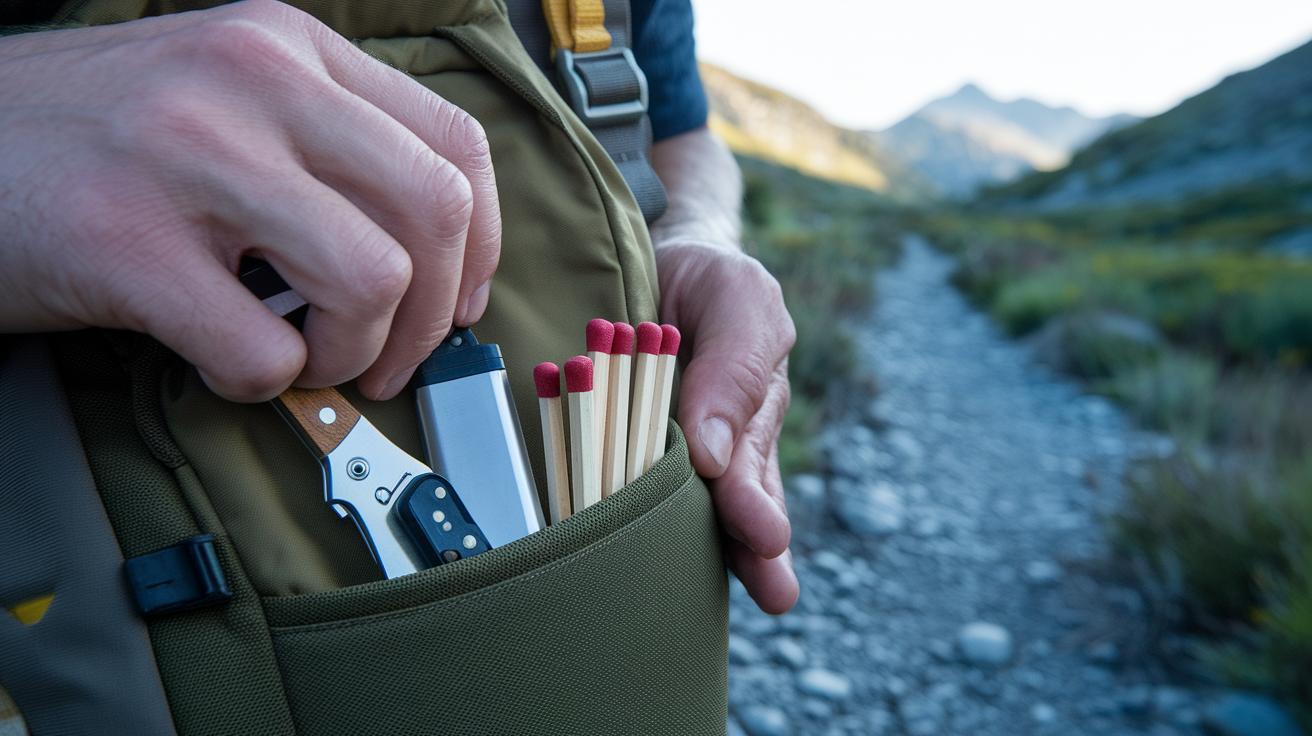
When you head into the backcountry, having reliable gear can really make a difference. Pack a small pocket knife, a lighter, and waterproof matches. These items help you start a fire for warmth or to signal for help in an emergency.
A personal locator beacon (PLB) is another must-have. In an emergency, your PLB sends a distress signal to rescue services. Along with the PLB, bring a laminated topo map (shows hills and valleys) at a 1:50,000 scale and a solid compass. Even if you use a gps app on your phone, these old-school tools work when digital tech fails.
Keep a good first aid kit with you to handle common trail mishaps. Include simple supplies like adhesive bandages, antiseptic wipes, and pain relievers. Add items like strapping tape, which can hold a splint in place or mend torn gear. Make sure your kit is easy to reach so you can quickly treat cuts, scrapes, or blisters.
And don’t forget sunscreen and insect repellent. They protect you from harsh sunlight and bug bites, keeping you comfortable even when the weather changes. Before you set out, check each piece of your safety gear to be sure it's ready to use.
Packing Efficiency & Weight Management in a Multi-Day Hiking Packing Checklist
When you’re setting out on a multi-day hike, keeping your pack light really makes a difference. We suggest choosing gear that does more than one job. For example, pick a stove that boils water fast and a small cook set that can handle both simmering and boiling. This way, you lower your load and stay nimble on the trail.
Share heavy items with your hiking partner whenever you can. Splitting shelter parts or extra fuel lightens each person’s burden and builds teamwork. Take a close look at your gear and leave behind anything you don’t really need. Only pack what’s essential. A good trick is to sort your items by how often you use them. Keep snacks, maps, or a rain jacket in an easy-to-reach pocket so you don’t have to stop too often.
Consider these simple steps to organize your pack:
- Choose gear that has more than one use
- Divide bulky items with your hiking partner
- Remove items that aren’t necessary
- Keep daily essentials in external pockets or top compartments
These tweaks not only ease the strain on your back, they also help you find your gear quickly so you can keep your focus on the path ahead.
Final Words
In the action, we broke down key gear sections that help you pack smart for backcountry hikes. We detailed the best ways to choose a pack, split tent weight, and build a clothing system. We even covered food planning, cooking gear, and safety items. Every section supports your multi-day hiking packing checklist. This guide gives you a clear way to prepare, remain safe, and enjoy genuine mountain hospitality. Happy trails and safe travels ahead!
FAQ
Q: Multi day hiking packing checklist pdf
A: The multi day hiking packing checklist pdf provides a clear list of essential gear, including shelter, clothing, food, safety items, and more to help you plan and pack for extended backcountry treks.
Q: Multi day hiking packing checklist reddit
A: The multi day hiking packing checklist Reddit thread shares real-world advice and insights from hikers, offering updated gear tips and user experiences to help you pack efficiently for longer trips.
Q: 7 day hike packing list
A: The 7 day hike packing list outlines the necessary items for a week-long trek. It covers shelter, layered clothing, cooking tools, food planning, navigation, and safety gear to keep you well-prepared.
Q: Backpacking checklist PDF
A: The backpacking checklist PDF serves as a comprehensive guide with curated gear lists. It includes key categories like shelter, sleep systems, clothing, cooking equipment, navigation, and safety items for your trip.
Q: 3 day hike packing list
A: The 3 day hike packing list details the essentials for a short backcountry trip. It simplifies gear selection to lightweight shelter, proper clothing, food supplies, and basic navigation and safety items.
Q: Backpacking checklist 3-day PDF
A: The backpacking checklist 3-day PDF offers a detailed guide for packing on a short backcountry excursion. It breaks down essentials into categories such as shelter, clothing, cooking gear, and safety equipment.
Q: Hiking essentials for beginners
A: The hiking essentials for beginners list covers the basic gear needed for safe and enjoyable trips. It includes proper footwear, layered clothing, shelter, food, navigation tools, and a compact first aid kit.
Q: Backpacking packing list female
A: The backpacking packing list for females is tailored to fit comfort and specific needs. It recommends essentials like well-fitted clothing layers, gender-sensitive gear, lightweight shelter, food supplies, and safety items.