


Have you ever thought about spending the night near Mount Fuji? Picture a cozy mountain hut where a warm bed and a simple meal welcome you after a long day on the trail. These huts mix the wild charm of nature with the comforts of home. They are easy to reach from Tokyo and offer clear booking options, so you can enjoy local flavor and a safe place to rest. Whether you choose a private room or a shared space, each hut provides a snug spot to recharge before you head back to the slopes.
fuji mountain huts: Blissful Alpine Escapes
If you're looking for a unique experience on Mount Fuji, these mountain huts might be just what you need. Nestled high on the slopes, they blend simple comfort with the wild charm of alpine life. Most huts line the popular Yoshida Trail. There are 18 spots to stay along the route, making these lodges a favorite among climbers.
A direct bus from Shinjuku drops you at the 5th Station. From there, you’re ready to start your climb with a good head start.
Climbers often choose the huts for an overnight break. You can pick a private room with a curtain for some privacy or join others in a shared space with futon-style bedding and sleeping bags. Meals are simple and filling. Dinner might include Japanese curry with rice, or even a hamburger paired with green tea. Breakfast often serves up fish, rice, and egg. These huts help you refuel before taking on the next part of your adventure.
Reservations open in April or May, so there’s plenty of time to plan your trip. Booking is straightforward, and many huts offer a secure mountain refuge booking option through one-stop reservation services. They meet the needs of both local and international adventurers looking for a safe spot on the Yoshida Trail.
Remember to follow local conservation practices. Pack in what you pack out so that Mount Fuji stays pristine for everyone to enjoy.
Fuji Mountain Huts on the Four Main Trails
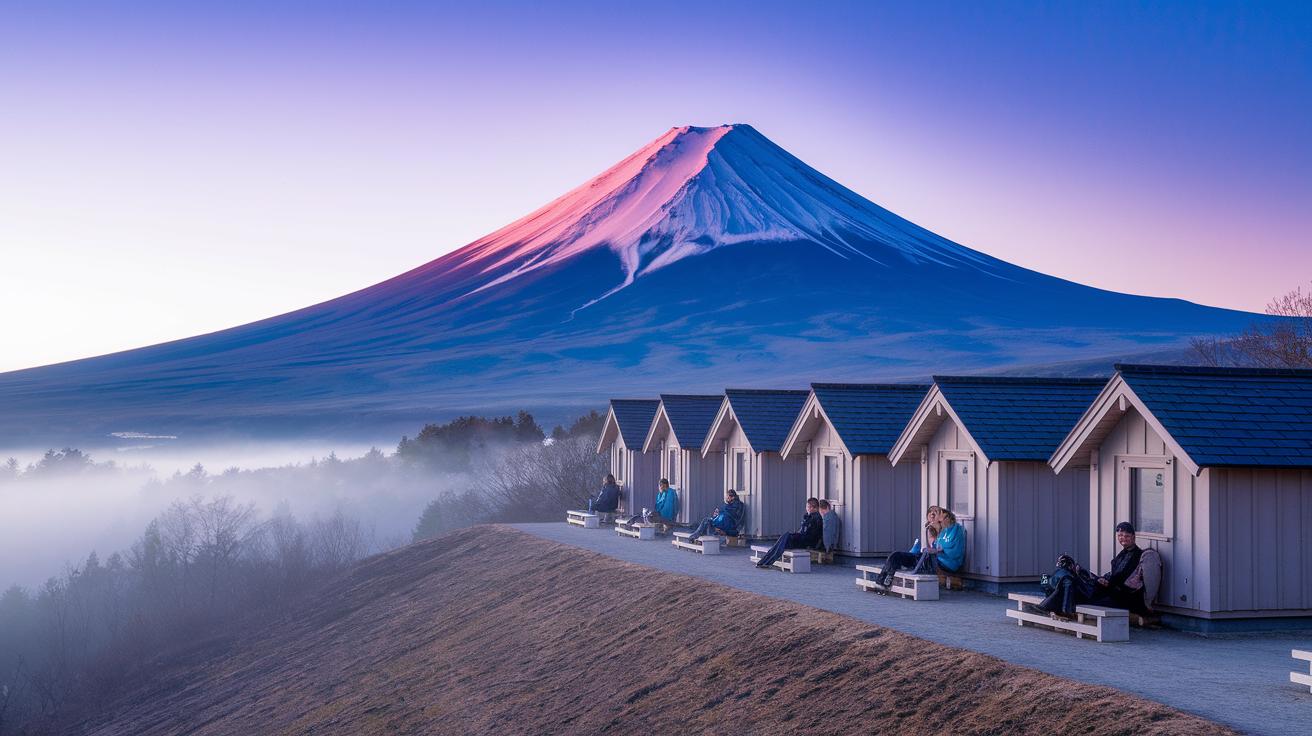
Mount Fuji welcomes you with a set of friendly huts along four main trails. On the popular Yoshida Trail, you’ll find 18 huts spread out along a roughly 7-hour climb. This busy route, close to Tokyo, offers many stops for a warm meal, a quick rest, or even an overnight stay so you can push on to the summit.
The Fujinomiya Trail has 8 well-placed huts on a 6-hour ascent. It follows a clear path and gives you a straightforward climb with comfortable lodging along the way.
If you’re after a quieter journey, the Gotemba Trail might be right for you. With only 4 huts and a 9-hour climb, this route is less crowded. It’s a great pick if you value a more peaceful, intimate hut experience while still getting the basics for a safe climb.
The Subashiri Trail offers 10 huts along an 8-hour trek. This route strikes a balance between a few fellow climbers and plenty of mountain charm. Altitudes on these trails range from about 2,300 m near Satomidaira Seikanso up to 3,400 m at the Fujisan Hotel, giving you plenty of choices depending on your pace and fitness.
| Trail | Number of Huts | Ascent Time | Altitude Range |
|---|---|---|---|
| Yoshida Trail | 18 | 7 hours | Up to ~3,400 m |
| Fujinomiya Trail | 8 | 6 hours | Up to ~3,200 m |
| Gotemba Trail | 4 | 9 hours | Up to ~3,000 m |
| Subashiri Trail | 10 | 8 hours | Up to ~3,100 m |
Each trail brings its own hut experience. These mountain refuges provide simple comforts, a place to rest, and hearty meals to refuel your climb. All of this is set against the amazing backdrop of Mount Fuji, making your adventure both safe and memorable.
Amenities and Accommodations in Fuji Mountain Huts
Fuji mountain huts mix modern comforts with a rich alpine past. You get more than just a simple night’s sleep here; you experience a bit of mountaineering history and local style.
Many huts keep their historic charm with original woodwork and traditional design details that come from over 50 years of use. Some offer private rooms with soundproof curtains to help you rest after a long day on the trails.
Shared spaces have also had a refresh. New futon areas and cozy lounges now display local crafts and maps. Meal options have grown too. In addition to familiar dishes like Japanese curry dinners or fish breakfasts, you may enjoy seasonal meals that bring out the local flavors.
Some huts even provide handy tips on dealing with altitude and embracing local customs. You might also come across stamp stations that let you take home a fun memory of your stay.
These Japanese alpine accommodations offer a reliable rest stop and a peek into the area’s heritage, making your Mount Fuji experience both comfortable and enriching.
Pricing and Budget Shelter Rate Review for Fuji Mountain Huts
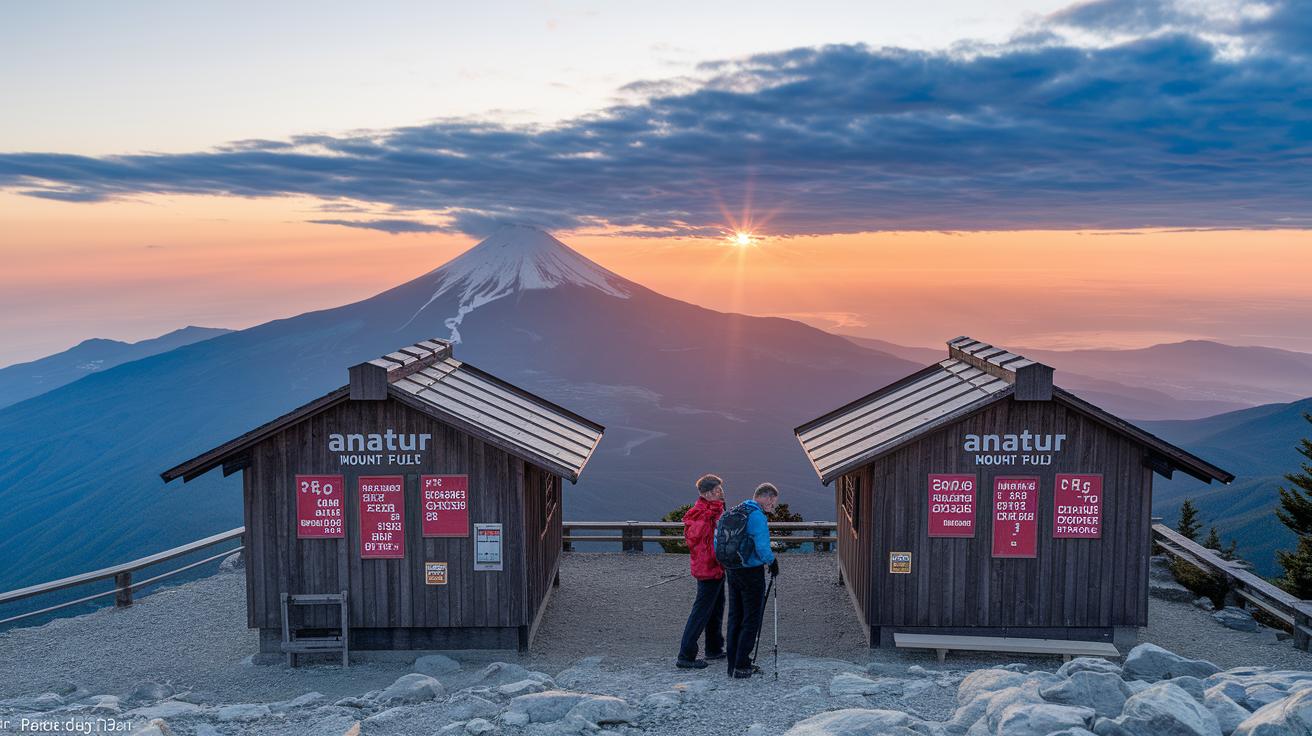
Prices at Mount Fuji huts can vary a lot. Each hut sets its own rate depending on the station and the season. At the 7th station, Tomoe-kan offers private rooms that cost a bit more for extra privacy and a cozy feel. Up at the 8th station, huts like Taishi-kan and Fujisan Hotel charge higher rates because of their altitude and amazing views. In fact, as you go higher, the prices climb too. The Yoshida Trail sees the highest demand, which means tougher competition and steeper room rates.
On weekends, especially Friday and Saturday, you can expect to pay a premium. If you can book a weekday, you might save some money. It's smart to check these price differences as you plan your climb up Mount Fuji.
Key points to note:
- Tomoe-kan (7th station): Offers private rooms with a special curtain to keep your space private.
- Taishi-kan and Fujisan Hotel (8th station): Their rates are higher to match the climbing altitude and rewards of breathtaking views.
- Weekend pricing: Fridays and Saturdays usually cost more than weekdays.
- Seasonal trends: Prices tend to go up as you climb higher and during busy climbing periods.
This guide helps you compare hut prices so you can plan your budget for an unforgettable Mount Fuji experience.
Booking Process and Reservation Platforms for Fuji Mountain Huts
Planning your climb up Mount Fuji? Bookings for mountain huts start in April or May, giving you plenty of time to sort your plans. Whether you choose the busy Yoshida Trail or the quieter Subashiri route, the booking process is simple. Many huts even feature websites in English to help international visitors secure a place to rest. For example, Fujisan Hotel accepts online bookings from Japanese guests starting April 1 and then moves to phone reservations from May 10, making it clear when to plan ahead.
Here's how to get started:
- Pick your favorite hut along the trail and check when bookings open.
- Visit an online booking system like online mountain hut booking system for a secure and easy process.
- Use a booking engine such as mountain hut booking engine if you need to reserve a spot quickly, especially for last-minute climbs.
- Read the booking policies, cancellation rules, and any price changes during peak times.
- Confirm your reservation and note the dates right away since huts on both Yoshida and Subashiri fill up fast.
If you prefer extra help, a paid booking service is available. This service guides you through every step and acts as your one-stop resource for safe Mount Fuji lodging. Follow these steps to secure your spot, so you can focus on enjoying the climb and the unique charm of Fuji mountain huts without any last-minute fuss.
Seasonal Availability and Climbing Tips for Fuji Mountain Huts
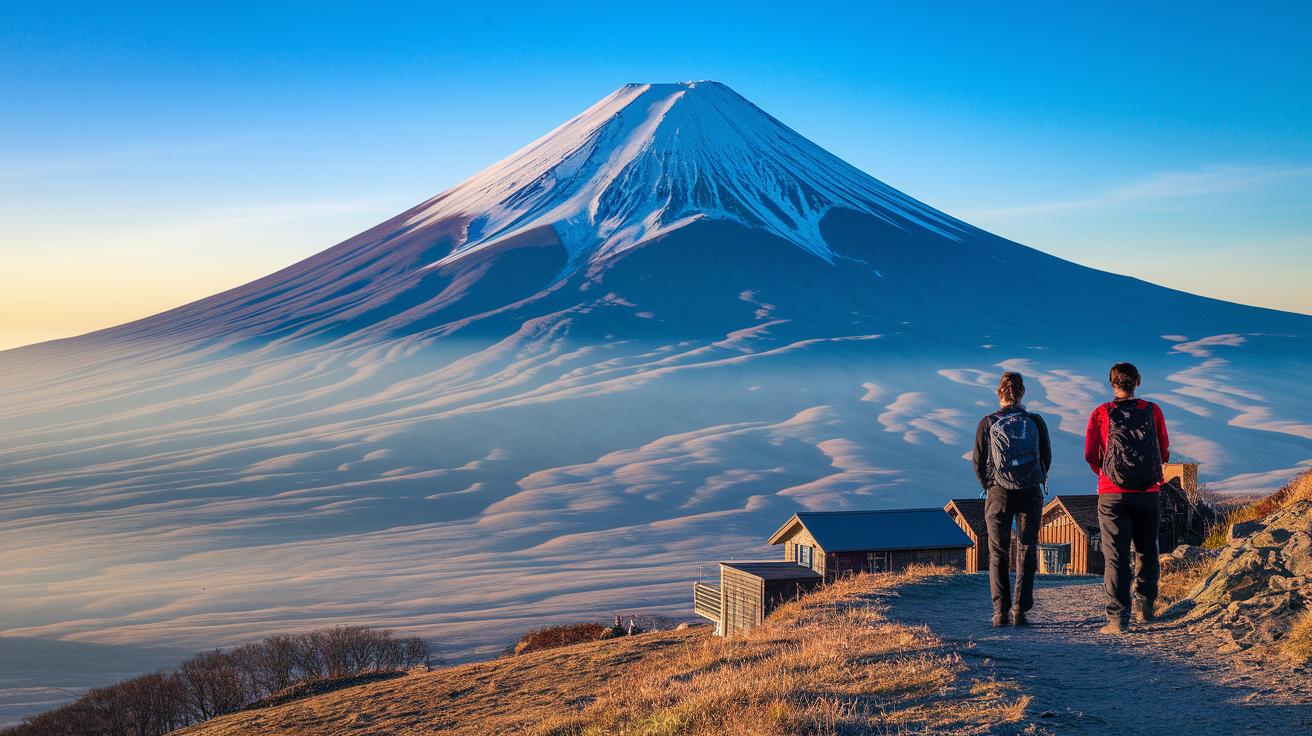
When planning your climb on Mount Fuji, you have two main windows to choose from. From June 25 to September 10, the huts are busy and the weather is just right for a sunrise summit. Cool mornings and clear skies make the climb extra rewarding. If you like quieter spaces, try a weekday climb and avoid weekends, national holidays, and the Obon festival when locals are out in full force.
For a more peaceful day hike, plan your trip between September 11 and October 15. The milder weather and shifting autumn colors offer a unique vibe on the trail. Some huts even provide special packages to enjoy the cherry blossoms and fall foliage. As always, stick to the marked paths and pack out everything you bring to help protect the mountain. Happy hiking!
Reviews and Insider Insights on Fuji Mountain Huts
Travelers from around the world love the friendly, skilled staff at these huts. They often mention that speaking English makes it easier to settle in. Many climbers share that a warm welcome and clear, simple advice help ease those pre-climb jitters.
Tomoe-kan is a favorite for its comfort. Guests enjoy a private room where they can relax after a long day on the trail. The cozy feel and reliable service make it a top pick for anyone looking for a peaceful break before the summit.
Another well-liked option is Taishi-kan. It offers private spaces that give visitors extra personal attention. This makes it a great choice for a more intimate experience. Reviews also note that meal quality can differ. Some huts serve hearty, satisfying dishes, while others offer simpler meals that still keep you fueled.
These top huts balance comfort, caring service, and a welcoming vibe so that everyone feels at home high on Mount Fuji.
Practical Travel Advice for Fuji Mountain Hut Stays
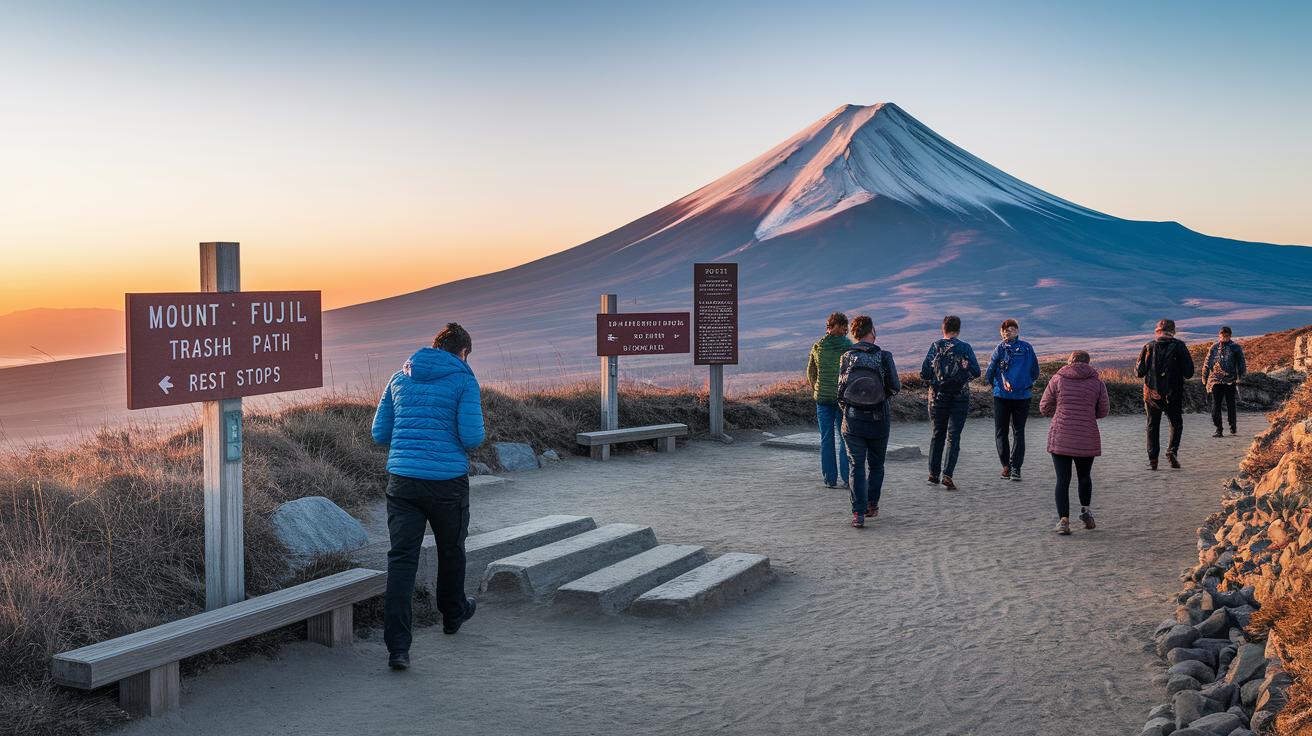
Begin with the basics. In Shinjuku, catch a direct bus to the 5th Station. This ride drops you near the trail start and gives you more time for the climb. When you arrive, follow clear trail signs and rest stop directions. Stay on the marked paths and remember there are no trash cans on Mount Fuji. Carry your trash with you to help keep the mountain clean.
Weather on Mount Fuji can change fast. Pack a windproof jacket, layers of clothing, and sturdy shoes. These will keep you warm on cool mornings and protect you from high-altitude chills. Also, bring a headlamp, extra water, and high-energy snacks to stay fueled.
On the trail, collect walking stick stamps at special stations. These stamps make a fun keepsake and honor local traditions. Check shelf markers for hut locations and rest stops as they guide you safely along the way. Enjoy every step of your unique Mount Fuji hut experience.
Final Words
In the action of planning your mountain trek, this post covered everything you need to know, from the types of accommodations and key amenities to pricing, booking tips, and seasonal advice. We explored route details and shared insider insights to help you pack smart and book with ease. You now have a clear picture of what to expect on your climb and how to plan a smooth, safe, and memorable stay. Enjoy your adventure with fuji mountain huts and the warm welcome that awaits you in the highlands.
FAQ
How do I book Fuji mountain huts, including 8th Station reservations and 2025 bookings?
The Fuji mountain hut booking process begins in April/May. Hikers can book online or by phone, including 8th Station huts, to secure their chosen room type for 2025.
What reviews do Fuji mountain huts receive from travelers?
Fuji mountain huts are praised for friendly staff, comfortable lodging options, and tasty meals. Reviews mention the convenience and simple comfort these huts bring to mountain stays.
How much do Fuji mountain huts cost?
Fuji mountain hut prices vary by trail and season. Huts on the Yoshida Trail often cost more, while weekday rates are lower. Prices reflect altitude, demand, and seasonal trends.
What should I know about Mount Fuji mountain huts at the 8th Station?
Mount Fuji mountain huts at the 8th Station offer both private rooms and shared options. Demand and cost can be higher here, so booking early is recommended during peak periods.