


Ever wondered if we can keep the outdoors clean when so many people visit? Scouts show us that little actions add up. They always take their trash with them and choose the best, least harmed spots to camp. Their simple habits teach us that caring for nature starts with small steps, leaving only footprints behind. When we treat nature this way, it really can shine.
How Scouts Leave No Trace: Integrating Leave No Trace Principles
Scouts make it a point to care for nature on every trip, whether it’s a Cub Scout day camp or a high-adventure trek like Philmont Trek 2027. Every outing is a chance to learn how to respect the outdoors. For instance, a scout leader might say, "Plan ahead and prepare, just like packing out every piece of trash to keep the place clean."
They learn these habits both in class and on the field. Programs such as the Basic Adult Leader Outdoor Orientation include clear lessons on outdoor ethics and how to act responsibly. At places like Fire Mountain Scout Camp and other Cub Camping spots, scouts get hands-on experience with camping on solid ground, keeping campfire impacts low, and taking all waste with them. Even Sea Scouting shows through practical exercises how to keep campsites clean and safe. Every camp session is a reminder that enjoying nature goes hand in hand with protecting it.
The training is also about building leadership. Leaders show eco-friendly habits on every trip, creating a culture where the idea is simple: leave no trace, leave only footprints. Through these careful choices on the trail, scouts learn that every small effort adds up to a big impact on conserving nature for future generations.
Historical Evolution of Scouts Leave No Trace Ethics
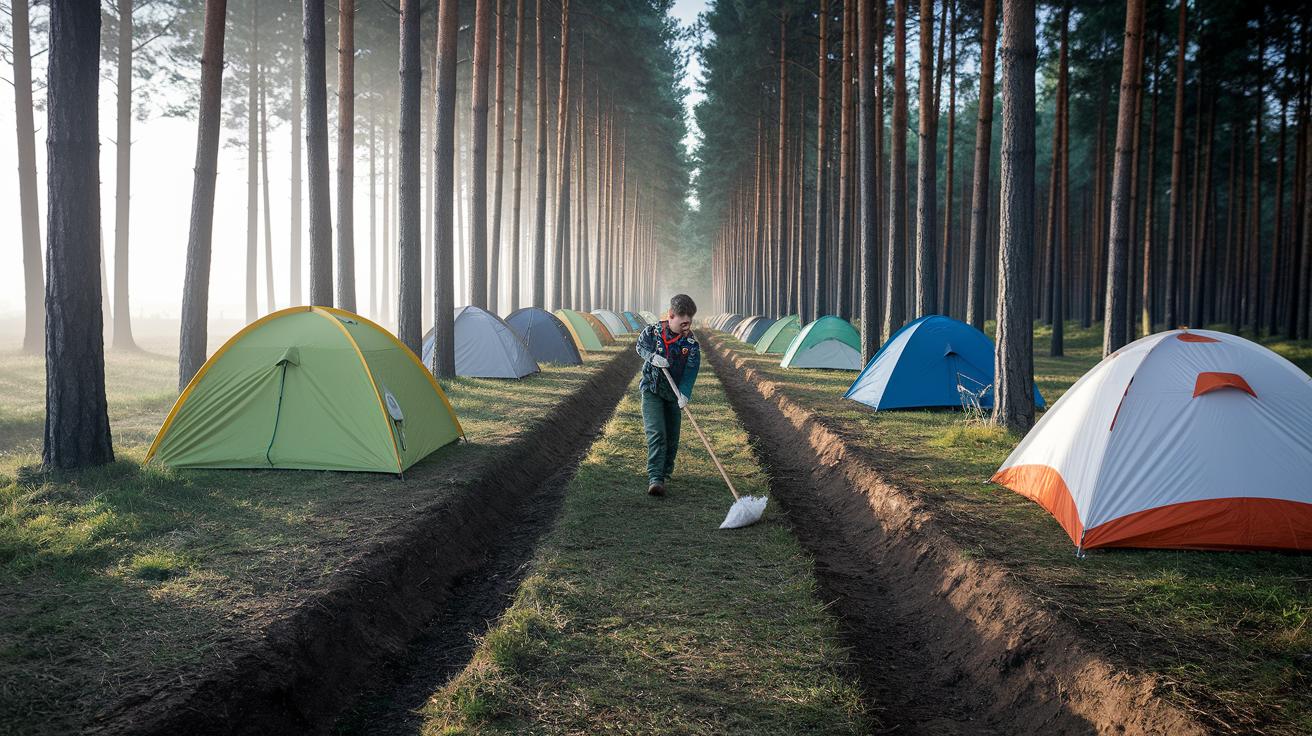
Scouting started with a deep respect for nature. Back in March 1954, the Outdoor Code first appeared in Boys’ Life Magazine. By 1955, it was part of the Boy Scout Handbook. This simple oath taught scouts to look after the environment and care for the wild places around them.
In the early 1980s, Boy Scout Ben Lawhon put these ideas into action. He cleaned his troop’s campsite and even dug little trenches around his tent to keep his gear safe from the weather. These small acts were early steps toward the low-impact camping practices we use today. His work inspired other scouts to think about how even small actions can protect nature.
Today, all these early efforts have grown into full Leave No Trace training for scouts. This training is now a key part of what every scout learns about caring for the outdoors. The journey from a simple code to today's detailed training shows a long-lasting promise to protect our natural world.
Scouts Leave No Trace: 7 Core Principles for Youth Outdoors
Scouts follow simple rules to help protect nature while enjoying time outdoors. These guidelines come from experienced leaders who share helpful tips and personal stories.
- Plan ahead: Check the weather and review maps before you set out. One scout leader said, "We always look over the route to spot safe shelters and any risks."
- Stick to marked trails: Hike on established paths and camp only in designated spots to protect nature's fragile areas.
- Manage waste properly: Always pack out your trash and use proper disposal sites. A scout explained, "Taking our waste with us leaves the area better for everyone."
- Keep nature undisturbed: Leave rocks, plants, and artifacts just as you find them.
- Minimize impact of campfires: Use small fires in provided fire rings to avoid harming the environment.
- Respect wildlife: Watch animals from a distance and keep your noise low.
- Be kind to others: Keep voices down and leave the site tidy so everyone can enjoy the area.
Leaders mix these tips into every outing, encouraging scouts to share their ideas and make the leave-no-trace promise part of every hike and camp.
Scouts Leave No Trace Training and Activities
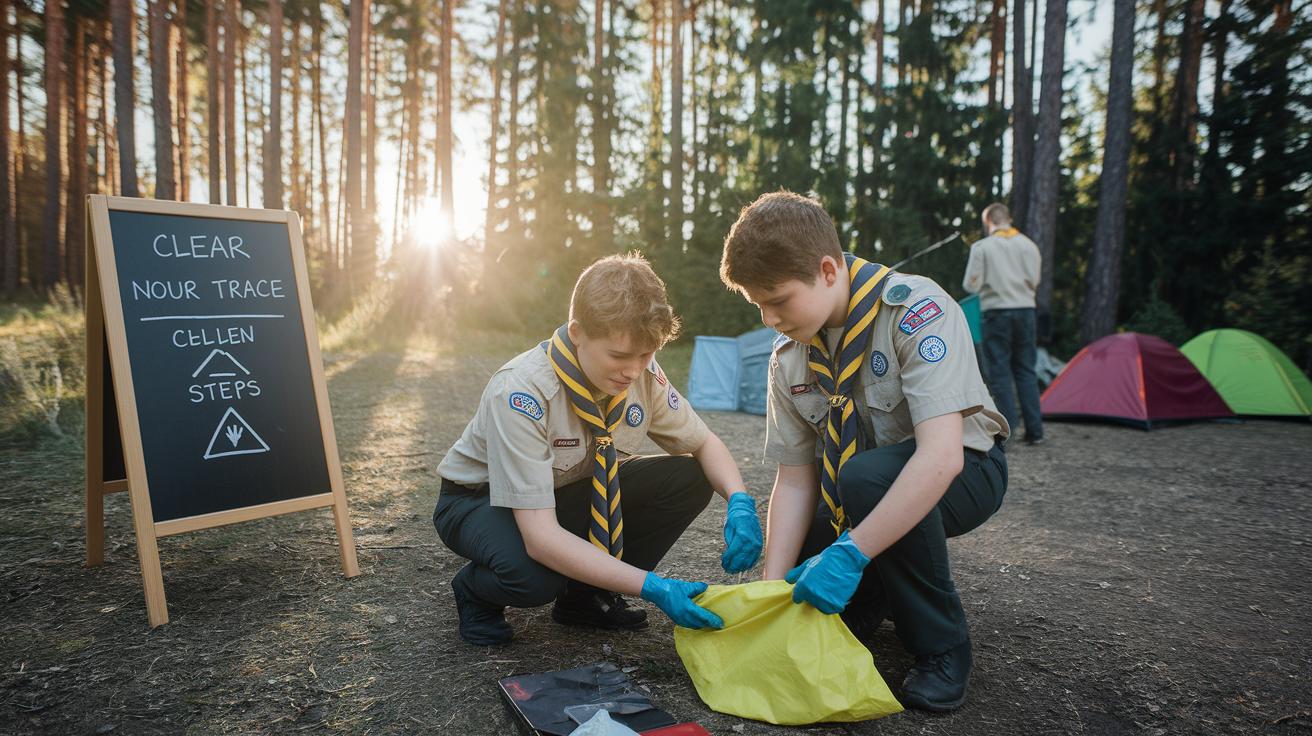
Scouts build a deep respect for nature with fun, low-impact skills sessions that show them how to care for the outdoors. At Fire Mountain Scout Camp, Cub Camping Locations, and Cub Scout Day Camps, young adventurers get hands-on practice in keeping sites clean and treating nature kindly.
Each session is broken down into simple modules that cover everything from trip planning to safe camping practices. Leaders guide the scouts with clear, step-by-step drills so they learn how to leave a light footprint. For example, one module explains waste management and safe campfire techniques. You can also check the Leave No Trace Guidelines for Eco-Friendly Hiking for extra tips.
Outdoor Ethics Training
This part of the program sets clear goals. Scouts learn to plan ahead, respect fragile areas, and fix any mistakes with simple corrective actions. Interactive lessons and live demos help every scout learn how to behave responsibly when outdoors.
Wilderness Adventure Training
During field exercises, scouts face real-life scenarios that mimic common camping challenges. They work together to solve problems and practice low-impact camping techniques. These drills help build teamwork and improve quick thinking on the trail.
BALOO and Leader Courses
Leader courses offer certification in outdoor ethics. Leaders learn how to confidently teach Leave No Trace methods. With hands-on practice and clear role instructions, these courses help both leaders and scouts build a strong sense of responsibility and care for nature.
Scouts Leave No Trace: Campsite Conservation Techniques
Taking care of our campsite makes a big difference. When you leave the area as you found it, animals stay safe and the land can recover faster. Simple steps like using fixed fire rings and packing out your trash mean you show respect for nature. This also helps avoid problems like stray fire pits and attracting wildlife with human leftovers. Scouts quickly learn that good campsite care is a key part of enjoying the outdoors responsibly.
| Technique | Scout Application | Environmental Impact |
|---|---|---|
| Using Fixed Fire Rings | Light campfires only in marked rings | Protects the soil and lowers wildfire risks |
| Spreading Cooled Ashes | Scatter ashes after they are completely cool | Keeps the ground safe from hot spots |
| Taking Out All Trash | Carry all your garbage back with you | Keeps the site clean and healthy |
| Using Portable Stoves | Choose stoves over open fires for cooking | Reduces impact on the site and preserves nature |
When you follow these tips, you build habits that protect nature and boost ecological care at every camp. Every little effort helps create safer, cleaner spots and honors the true spirit of Leave No Trace.
Scouts Leave No Trace: Recognition and Awards

Scouting knows that caring for nature matters. They offer awards like the Outdoor Ethics Awards and environmental merit badges for those who work hard to keep our outdoors low-impact. Scouts earn these honors by taking part in projects, cleaning up campsites, and following eco-friendly rules during events. Leaders hold lessons and share easy-to-print guides so everyone learns the right way to behave in nature and why it matters. One scout said, "Earning my merit badge made me feel I was truly making a difference."
These awards are more than just a pat on the back. They build confidence and inspire scouts to get involved with nature care. By finishing environmental lessons and meaningful projects, scouts feel responsible and proud. When hard work gets celebrated, it sparks a lasting care for the outdoors that makes every step count.
Scouts Leave No Trace: Future Stewardship Initiatives
Scouts are getting ready for big adventures like Philmont Trek 2027. At this trek, you’ll practice advanced Leave No Trace skills in wild, backcountry areas. The routes are longer and the terrain is tougher. This means you must use low-impact practices to protect nature. You will learn how to plan each move and camp in an eco-friendly way, from managing waste carefully to keeping campfires safe. This adventure not only builds your endurance but also deepens your commitment to caring for the environment.
New digital conservation courses and interactive quizzes are also coming to support in-troop training. These online outdoor ethics lessons and simple eco-camping checklists make it easier for both leaders and scouts to learn modern, sustainable techniques. They help keep the training up-to-date and ensure that everyone follows good practices in nature. By combining online lessons with hands-on field experience, the program helps young hikers become even more mindful of the outdoors.
Final Words
In the action, we saw how scouts leave no trace by weaving low-impact practices into every outdoor step. The article broke down practical training, historical ethics, seven key principles, and campsite conservation techniques. It also outlined the recognition and future initiatives that ensure responsible mountain use.
These practices not only preserve nature but also inspire sustainable stays and authentic mountain hospitality. Embracing these methods on your hut-to-hut trips can make every step safe and memorable. Let this spirit guide your outdoor plans and keep our mountains pristine.
FAQ
What is Leave No Trace in scouting and what does it stand for?
The phrase Leave No Trace in scouting means practicing outdoor ethics to protect nature. It stands for keeping the outdoors clean, preserving habitats, and promoting sustainable, low-impact activities.
What are the 7 principles of Leave No Trace for scouts?
The seven principles for scouts include planning ahead, using durable surfaces, properly disposing of waste, leaving natural findings, minimizing campfire impacts, respecting wildlife, and being considerate of other visitors.
Where can I find PDF or printable resources on Leave No Trace for Cub Scouts and Boy Scouts?
The query on PDFs and printables indicates available materials for both Cub and Boy Scouts. These resources provide clear, accessible guidelines to help scouts practice low-impact camping and conservation ethics.