


Ever wondered how it feels to follow ancient footsteps? The Inca Trail is a 42 km (26 miles) hike that takes 4 days and 3 nights to complete. You’ll pass by old Inca sites on your way to the famous Machu Picchu.
Imagine setting up camp under open skies and walking a path that Incas once trod. In this guide, we share practical tips, advice on permits, and what you can really expect on the trek. We want to help you plan a safe, memorable adventure on one of the Andes’ most storied trails.
Inca Trail Hike Overview
The Classic Inca Trail spans 42 km (26 miles) over 4 days and 3 nights. Hikers sleep under open skies at marked campsites and fuel up with simple meals between segments of the journey. Imagine ending a long day's walk at a fresh campsite, unrolling your sleeping bag, and following the steps of those who walked this path long ago. This trek is made for adventurers ready to explore the true spirit of highland trekking in the Andes.
The trail takes you past six striking Incan sites, including Runcuracay, Sayacmarca, Phuyupatamarca, Wiñaywayna, and finally Machu Picchu. It challenges you with plenty of climbs, including Dead Woman’s Pass at 4,215 m (13,828 ft). Picture yourself scaling that high where the crisp air and sweeping views make every step worth it. Each stop lets you feel a bit of the ancient Andean mystery.
The trail is open every month except February, when it’s closed for necessary upkeep. For your safety and to protect these unique sites, you must join an authorized guide. This way, everyone helps preserve the route while enjoying a memorable trek. Get ready for an experience that tests your body, connects you with nature, and brings history to life.
Inca Trail Hike Permit Requirements and Booking
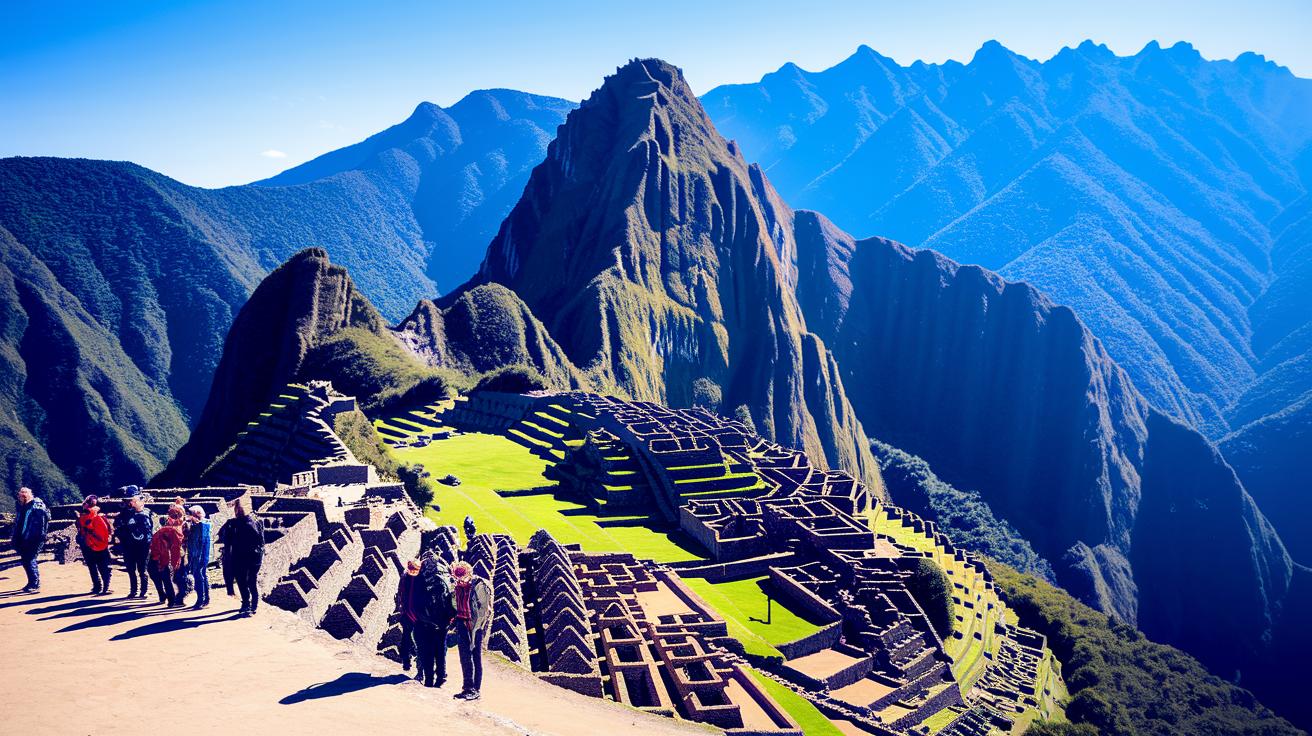
Only 500 permits are available each day, and about 200 of these go to trusted tour companies. This limit helps keep the historic path to Machu Picchu safe and enjoyable for everyone. To join the trek, book your permit through an accredited guide or operator. Planning ahead is key.
• Permits for 2026 go on sale on October 27. You must book at least six months in advance.
• Starting in 2026, Machu Picchu tickets are sold separately from the trail permit. Make plans to secure your entry on its own.
• Only approved operators can book permits, which means they make sure your group meets safety and logistical needs.
• Note that permit transfers are generally not allowed and refund policies are strict.
Before you finalize your booking, double-check all permit details with your guide. Confirm the sale date, advance booking period, and that your operator is accredited. This will help you avoid any mix-ups, especially with the separate ticket for Machu Picchu, and ensure you start your Inca Trail adventure without delay.
Day-by-Day Inca Trail Hike Itinerary
The Inca Trail is a four-day adventure that mixes both challenge and reward. Each day brings its own unique stretch of highland paths, with changes in scenery and elevation that keep you on your toes. Knowing the distance for each day helps you pace yourself for a safe, enjoyable hike.
| Day | Distance | Duration | Elevation Change |
|---|---|---|---|
| 1 | 13 km (8 mi) | 5–7 h | Moderate climb |
| 2 | 11 km (7 mi) | 7–10 h | Steep climb to 4,215 m |
| 3 | 16 km (10 mi) | 10 h | 1,500 m descent |
| 4 | 5 km (3 mi) | 2–3 h | Early start to Machu Picchu |
On Day 1, your hike gently eases in as you head to Huayllabamba. The climb is steady but friendly, setting the pace for the days ahead. Day 2 challenges you further with a push toward Dead Woman’s Pass, reminding you to keep steady and listen to your body. On Day 3, you wind down with a long descent through a lush cloud forest, where cool mist and soft footsteps echo the ancient path. Finally, Day 4 calls for an early start, sometimes as early as 3 A.M., to greet a magical sunrise over Machu Picchu, a moment that makes every step count.
Preparation and Gear Essentials for the Inca Trail Hike
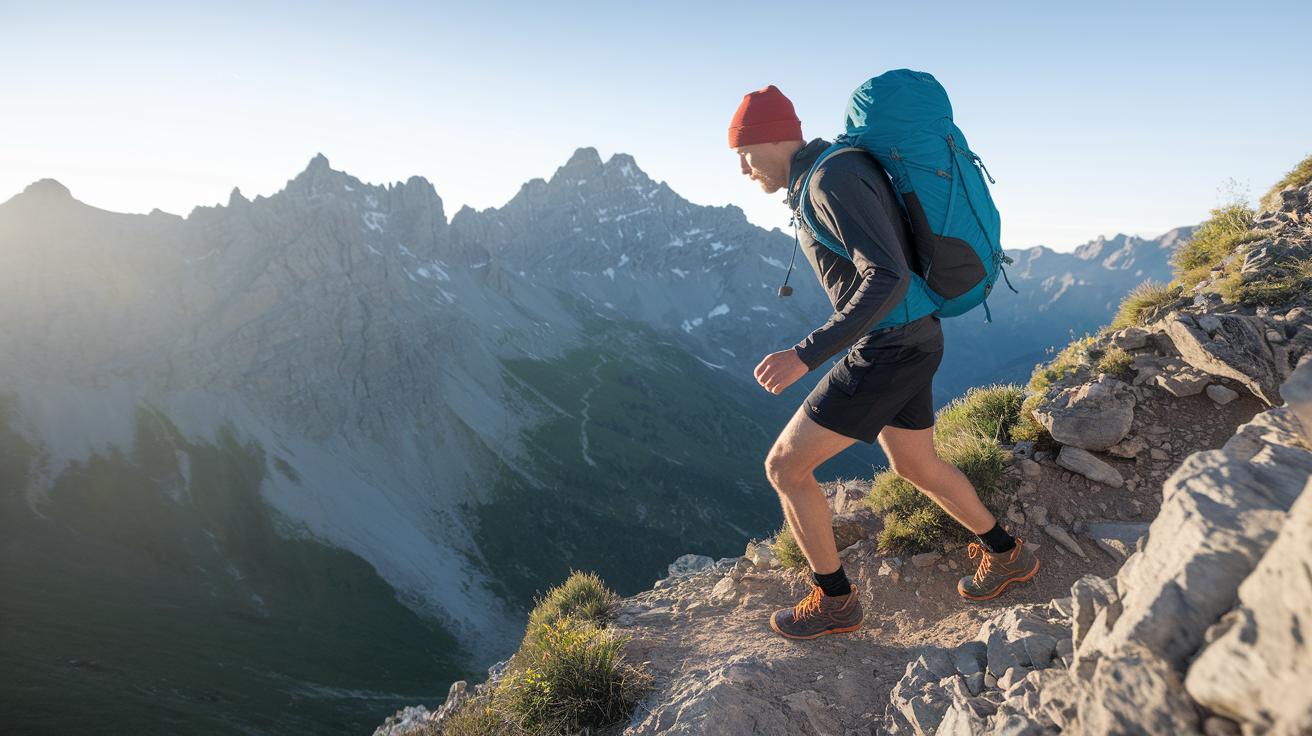
Begin your training with regular exercises that boost your heart, like jogging, cycling, or brisk hiking on steep paths. Try to add some sessions at high altitudes (places where the air is thinner) so your body gets used to the climb up to 4,215 m. Work on your balance and strength during these workouts. This helps you deal with rocky trails and thinner air while keeping you confident every step of the way.
- Merrell Moab 2 WP Low or similar waterproof hiking boots
- Osprey Aether AG70 or Daylite Plus for day packs under 7 kg
- Garmin GPSMAP 64sx (or use a GPS hiking app to follow your route)
- Petzl Actik Core headlamp for early mornings and dark evenings
- GRAYL Geopress water purifier to ensure safe drinking water
- High-quality moisture-wicking socks to prevent blisters
- Lightweight, breathable rain jacket for sudden weather changes
When you're on the trail, remember porters are there to handle tents and camp gear. Carry only the essentials for the day in your pack. Keeping your load under 7 kg makes steep climbs easier and less tiring. With the right gear and the help of experienced porters, you can enjoy the beautiful views and focus on the adventure ahead.
Inca Trail Hike Safety and Altitude Health Tips
When you start hiking above 3,000 m, your body may send a few warning signals like headache, nausea, or dizziness. These signs mean you should slow down and let your body get used to the thinner air. Even a small slip at high altitudes can lead to bigger problems, so keep checking in with yourself as you climb.
• Drink at least 3 L of water a day and add electrolytes to replace lost salts.
• Look up the weather before you head out and keep an eye on changes during your hike.
• Pack a small first-aid kit with the basics (see our hiking safety tips for ideas).
• Make sure your travel insurance covers high-altitude trekking and any possible evacuations.
The trail can be really wet during the rainy season, which runs from December to March. Also, note that the trail is closed in February for maintenance work. Plan your hike with these seasonal challenges in mind and have a backup plan if the weather throws you a curveball.
Ethical Issues and Alternative Inca Trail Hike Routes
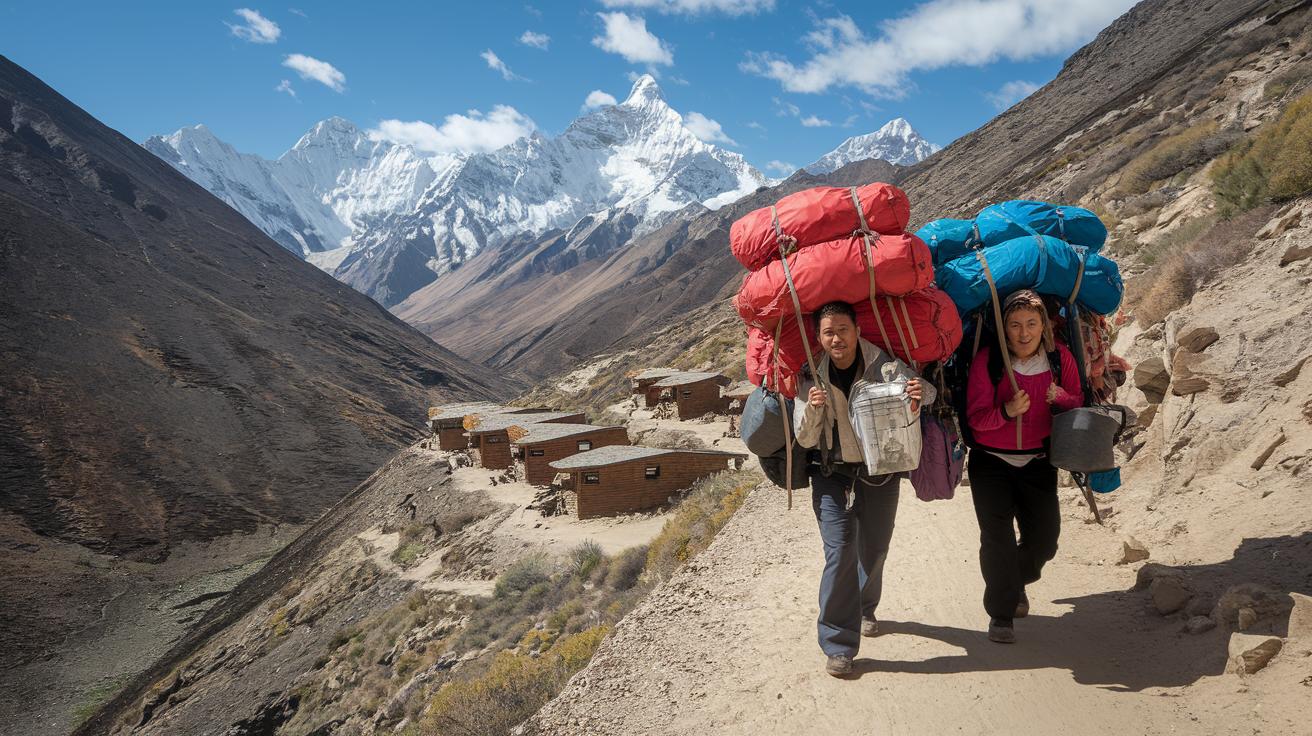
Porters often carry loads far heavier than the law allows. They should only carry around 20 kg (44 lbs), but many end up with 30 to 40 kg (66-88 lbs). Women porters have an even lower limit of 15 kg (33 lbs), yet they usually earn the same pay as men, about s/350 soles (roughly $95 USD) for four days of work. Although bunkhouses at campsites now offer a better place to sleep, many porters still face oversized packs and meager meals.
- Legal limits are 20 kg for most porters and 15 kg for women, but actual loads exceed these limits.
- Typical wages are around s/350 soles (about $95 USD) for four days, which many feel is too low.
- New bunkhouses help with lodging, yet working conditions still need serious care.
- Porters often get leftovers or insufficient food, leaving them undernourished.
- Tipping is common to boost earnings, but it does not solve the deeper issues.
For hikers who want to avoid these ethical concerns, there are alternative routes. The Short Inca Trail, running from km 104 up to Machu Picchu, lets you skip the camping and heavy reliance on porters. There’s also a combined option, the Lares + Short Inca Trail, which mixes hot springs, local village stays, and nights in small hotels. These choices let you enjoy the rich local culture and history, all while supporting more sustainable and fair travel practices.
Seasonal Advice and Best Time for an Inca Trail Hike
When planning your trek, the season makes a big difference. From May to September, you can enjoy clear skies and cool nights that make for great hiking. In contrast, the rainy season from December to March brings heavy showers and slippery trails. Remember, the Inca Trail is closed every February for maintenance, so be sure to plan around that.
If you want to avoid large crowds while still enjoying pleasant weather, consider trekking in April or October. These shoulder months offer a good balance of decent weather and a more relaxed pace.
- May: Kicks off the dry season with fewer hikers.
- Jun–Aug: Enjoy the best weather, but expect more tourists and higher prices.
- Sep–Oct: The tail end of the dry season brings quiet trails and a comfortable climate.
- Dec–Mar: Rainy weather and increased risk; note the trail is closed in February.
Cultural Highlights on the Inca Trail Hike
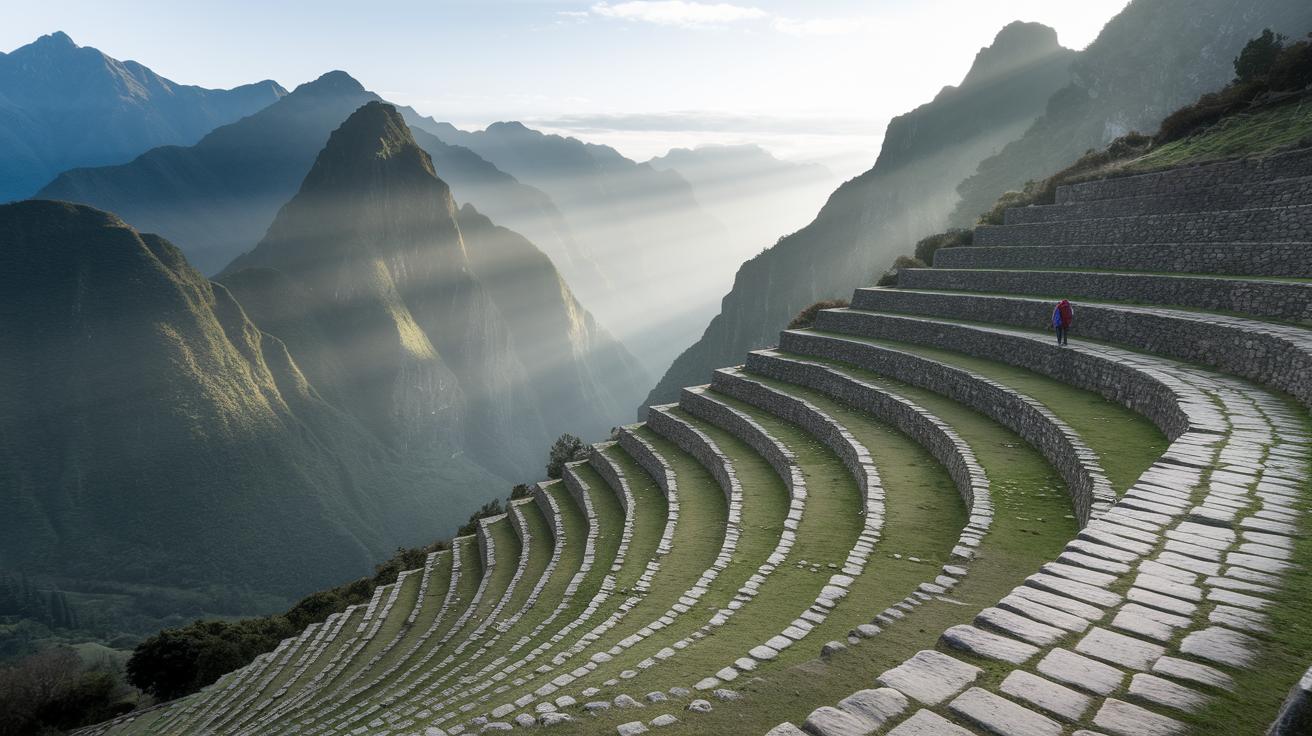
Travel the old Inca Trail and feel the spirit of the Andes. Every stone path and crumbling ruin tells a story from long ago. As you walk these trails, you'll sense a culture that lived in harmony with nature and always remembered their ancestors.
- Runcuracay: A stone watchtower that once kept a lookout over the valley.
- Sayacmarca: Ruins with semicircular terraces carved on the mountain edge, showing clever Inca design.
- Phuyupatamarca: Known as the "Town above the Clouds," this site has old baths and water channels that still intrigue.
- Wiñaywayna: Terraced fields with winding water channels, its name meaning “Forever Young.”
- Machu Picchu: A UNESCO site built around 1450 by Pachacuti, standing as a symbol of Incan skill and mystery.
- Inca Bridge: A natural rock path turned walkway that highlights ancient engineering and smart design.
Local guides share their tales with warmth and care. They mix myth with history, bringing each stone and terrace to life while helping you connect with the deep Andean heritage.
Inca Trail Hike Cost and Tour Operator Comparison
When you head out for Machu Picchu on the Inca Trail, expect to pay between $500 and $700 per person. A basic package, normally around $500, offers shared tents and simple meals so you cover your must-haves without overspending. The standard option, costing about $550–$650, includes three meals a day and porter support to help carry your gear over rough patches. For a bit more comfort, the premium package at roughly $700 rewards you with padded tents and a private guide for a more personalized hike. Booking at least six months ahead can score you discounts and a spot with tour operators who care about your safety and comfort.
| Package Type | Price | Inclusions |
|---|---|---|
| Budget | $500–$550 | Shared tents, basic meals |
| Standard | $550–$650 | Three meals, porter support |
| Premium | $650–$700 | Padded tents, private guide |
Before you finalize your booking, review the deposit rules and cancellation policies carefully.
Final Words
In the action, we shared details on route structure, permit tips, day-to-day planning, and gear essentials for your inca trail hike. We also highlighted safety checks, cultural sites, ethical issues, and cost comparisons to keep logistics simple and safe. Each section aims to give clear, practical info so you can focus on enjoying the mountains and local hospitality. Keep safety in mind and celebrate each step on the trail. Embrace the experience and enjoy every moment on the path ahead.
FAQ
What is the Inca Trail hike length and how long does it take?
The Inca Trail spans about 42 km (26 miles) over 4 days and 3 nights, offering hikers a balanced mix of trekking and camping along an ancient Andean route.
Where can I access an Inca Trail hike map?
The Inca Trail hike map details the route’s paths and landmarks. Many authorized operators provide updated maps online or during your booking process for a clearer picture of the trail.
How hard is the Inca Trail hike?
The Inca Trail is moderately challenging, featuring steep climbs and long days. Hikers benefit from steady fitness, proper acclimatization, and realistic expectations of the high-altitude environment.
What is the elevation and elevation gain on the Inca Trail?
The trail reaches up to Dead Woman’s Pass at 4,215 m (13,828 ft) with significant elevation gain during steep ascents and descents, demanding consistent effort and altitude awareness throughout the hike.
How do I book the Inca Trail hike?
Booking the Inca Trail requires a permit reserved via an authorized tour operator, as permits are strictly limited. It is recommended to secure your permit at least six months in advance to avoid disappointment.
Does the Inca Trail lead to Machu Picchu?
Yes, the Inca Trail traditionally culminates at Machu Picchu, allowing trekkers to witness the ancient citadel at sunrise, a rewarding end after days of cultural and physical exploration.
How much does the Inca Trail hike cost?
The cost for an Inca Trail hike generally ranges between $500 and $700 USD per person, depending on the package chosen, operator services, and level of camping comfort provided throughout the trek.
Is the Inca Trail suitable for beginners?
The Inca Trail can be suitable for beginners provided they maintain a steady walking pace, prepare with proper fitness training, and allow time for acclimatization to the high-altitude conditions.
Which is harder, Kilimanjaro or the Inca Trail?
Kilimanjaro usually presents a tougher challenge due to its higher altitude and imposing mountain environment, while the Inca Trail offers a moderate challenge with rich history and well-trodden paths.
How challenging is a one-day Inca Trail hike?
A one-day Inca Trail hike is demanding because of its compressed schedule, requiring a fast pace and minimal rest. Hikers must be physically prepared and well-acclimatized to tackle the rapid altitude gain.
What are the options for Inca Trail trek durations?
The classic itinerary is 4 days and 3 nights, but some operators offer variations like 2-day or 5-day treks. Each option adjusts the pace and camping arrangements to fit different hiking preferences.
What is TreXperience Inca Trail?
TreXperience Inca Trail is a guided tour service that offers a well-organized trek with local insights, comfortable logistics, and expertise to support your safe and memorable Inca Trail experience.
What are the camping arrangements on the Inca Trail?
Camp arrangements include fixed sites along the route where trekkers set up tents. Basic facilities are available, and tour operators assist with setup, ensuring a safe overnight stay on the trail.
What is Alpaca Expeditions Inca Trail?
Alpaca Expeditions Inca Trail is a guided trek service that emphasizes cultural storytelling and scenic beauty, providing hikers with a safe, organized, and enriching route experience toward Machu Picchu.