


Ever think a simple hike could completely change your idea of fun? This three-day Colorado trek takes you from hut to hut on quiet trails where real mountain life comes to life. You'll pack light and follow clear paths by cool creeks and pretty alpine lakes. Each day is planned so there's a cozy shelter waiting for you at the finish. Enjoy the honest route and feel secure every step of the way. Happy trails!
Sample Hut to Hut Hiking Itinerary Schedule: Colorado 3-Day Trek
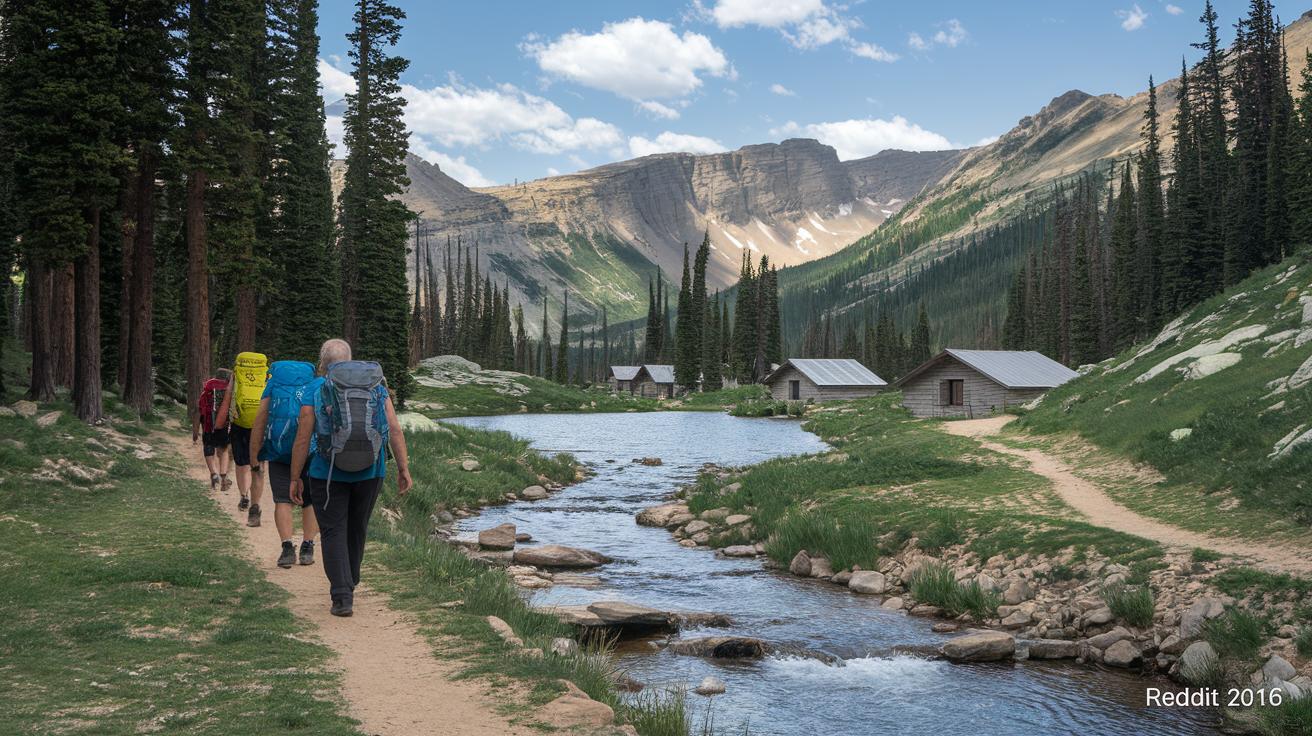
This 3-day itinerary gives you a simple hut-to-hut experience in Colorado, much like the European style but right here in the Rockies. We use the trusted 10th Mountain Division huts so you can travel light and enjoy a safe, friendly adventure. The route takes you from a scenic trailhead to warm, lived-in shelters where beds are available on a first-come, first-served basis. You’ll cross gentle creeks over spaced rocks and follow clear paths with a few charming turns past alpine lakes.
| Day | Route | Distance (mi/km) | Est. Hiking Time | Hut Accommodation | Booking Notes |
|---|---|---|---|---|---|
| Day 1 | Timberline Trailhead to Uncle Bud’s Hut | 4.5 / ~7 (with lake detours) | 2-3 hrs | Shared bunkrooms (~16 sleepers) | Reservations required; bring pillowcase and sleeping bag |
| Day 2 | Uncle Bud’s Hut to 10th Mountain Division Hut | 10 / ~16 | 4-5 hrs | Shared bunks; first come, first served | Book in advance online |
| Day 3 | 10th Mountain Division Hut to Tennessee Pass Trailhead | 6 / ~10 | 1.5-2 hrs | Shared bunks | Optional extensions available; check details |
For the best experience, aim for a warm or shoulder season when the trails are quiet and staying in a hut is a little easier on your pocket. Book early on the online calendar to secure your desired dates and beds. If you have extra time, consider a detour to explore a nearby alpine lake, it adds a special touch to your journey. Pack lightly, check the weather before you set off, and be ready for a mix of clear paths and pretty, unexpected turns.
Booking and Accommodation Essentials for Your Hut to Hut Hiking Itinerary Schedule

Summer and shoulder seasons mean fewer crowds and better rates. At this time, 25 of the 40 huts from the 10th Mountain Division are open. Cool mornings and warm afternoons make it perfect for enjoying the trail and a quiet night at the hut.
Book your bed with the online mountain hut booking system (https://hike2hut.com?p=98). Check the calendar, pick your dates early, and follow the on-screen steps. A quick email confirmation will secure your bed. Remember, if you're staying in a shared bunkroom, you must book a spot and bring your own pillowcase and sleeping bag.
Inside the hut, you will find shared bunkrooms with mattresses and pillows. Many huts serve a multi-course dinner, offer a breakfast buffet, and prepare optional packed lunches. When you check in, local hosts will explain the hut procedures and any special meal instructions.
Mapping Tools for a Precise Hut to Hut Hiking Itinerary Schedule
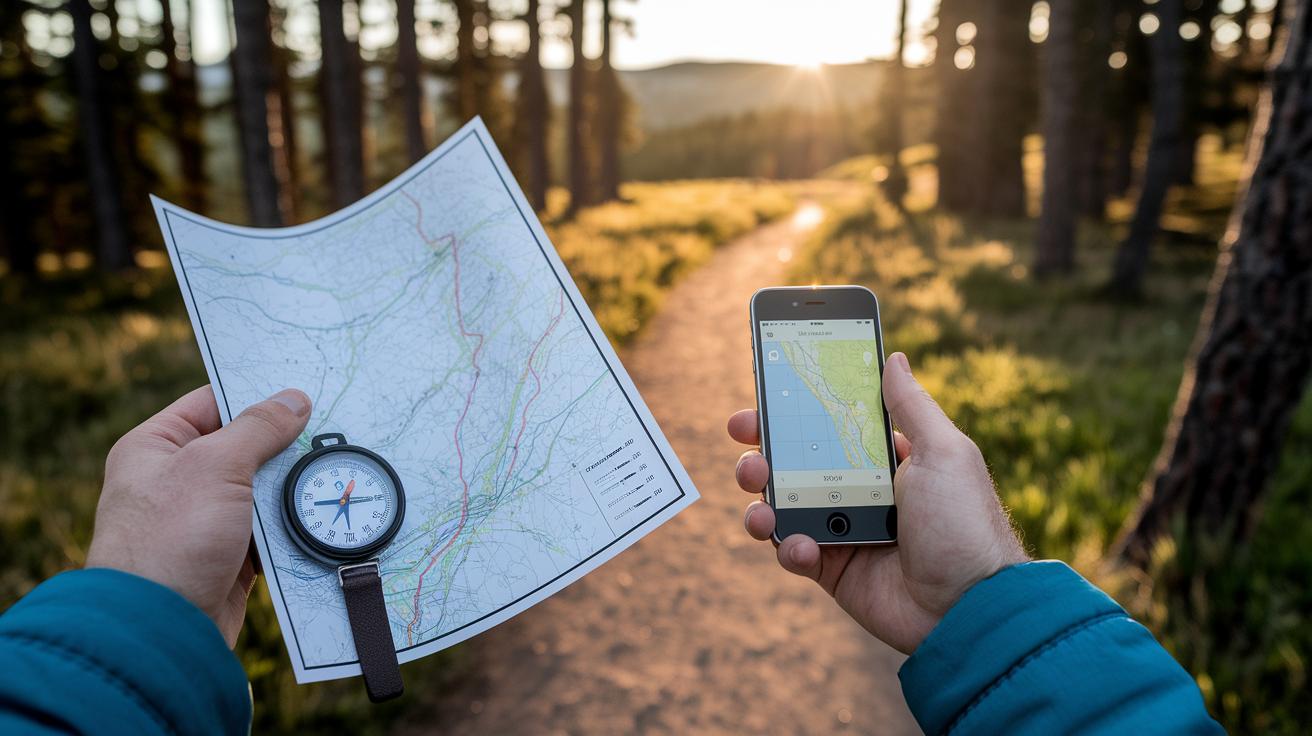
Using a mix of navigation tools gives you extra backup and keeps you safe. Relying on both digital and paper maps means you always have a plan, even when the weather or a dead battery gets in your way.
A printed topo map (a guide that shows hills and valleys) paired with a compass is an old tried-and-true method for safe creek crossings. It clearly shows the trail's contours and important landmarks.
Smartphone apps with GPS are a fast and simple way to track your distance and time. They guide you with easy-to-read visual cues along your path.
Before you head out, load GPX route files (map files your phone or GPS uses) onto your handheld device. This ensures you have a guided path available even when cell service fades out.
Always carry a paper map that marks hut locations. It helps you schedule your stops and monitor distances if your digital devices let you down.
Digital mapping tools also come in handy for planning detours to alpine lakes or other scenic spots. You can safely choose your side trips by spotting great photo opportunities.
Mixing digital and paper maps adds a layer of safety to your plans. With multiple ways to navigate, you can feel confident finding your way along the trail.
Safety Planning Strategies for Your Hut to Hut Hiking Itinerary Schedule
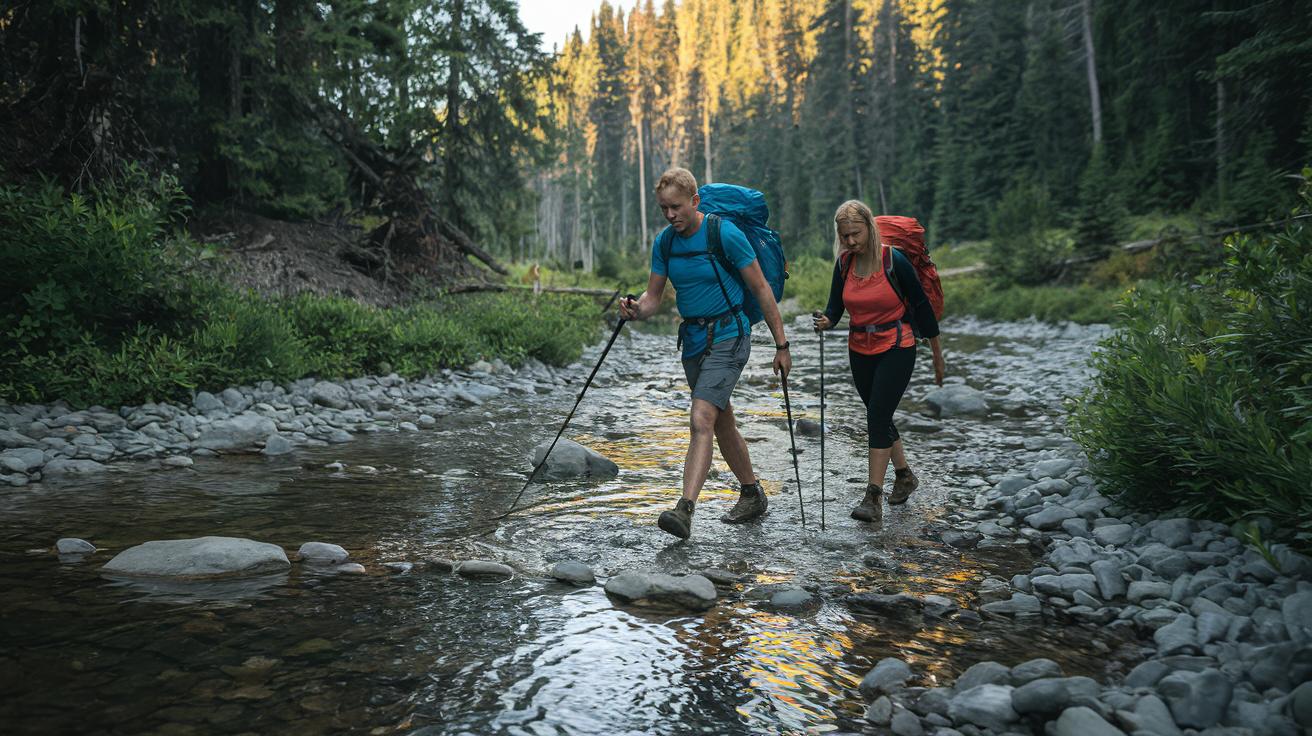
Watch the weather and creek levels closely. In early July, creek crossings are often safe if you stick to well-spaced rocks. However, storms can come quickly. Check the forecast often and add extra time if a storm is on the way. Heavy rain can raise water levels fast, even on trails you know well, so stay careful when crossing.
If you are new to hut trips, try a short journey of five days or less. Shorter trips help you build confidence and learn the mountain's rhythm. This gives you enough time to get a feel for the route, enjoy the huts, and understand the challenges of the terrain.
Traveling with a friend or a small group makes the hike safer. You can share the load, help each other with navigation, and have backup if the weather turns rough. Knowing you’re not alone can make tricky creek crossings or sudden route changes easier to handle.
Pack light and only bring the essentials. Extra food might attract wildlife, so pack just enough to keep your energy up. A lighter pack helps you avoid fatigue and makes it easier to manage steep sections of the trail. Stick to a clear packing list and leave room for the memories.
Essential Gear and Packing Tips in Your Hut to Hut Hiking Itinerary Schedule
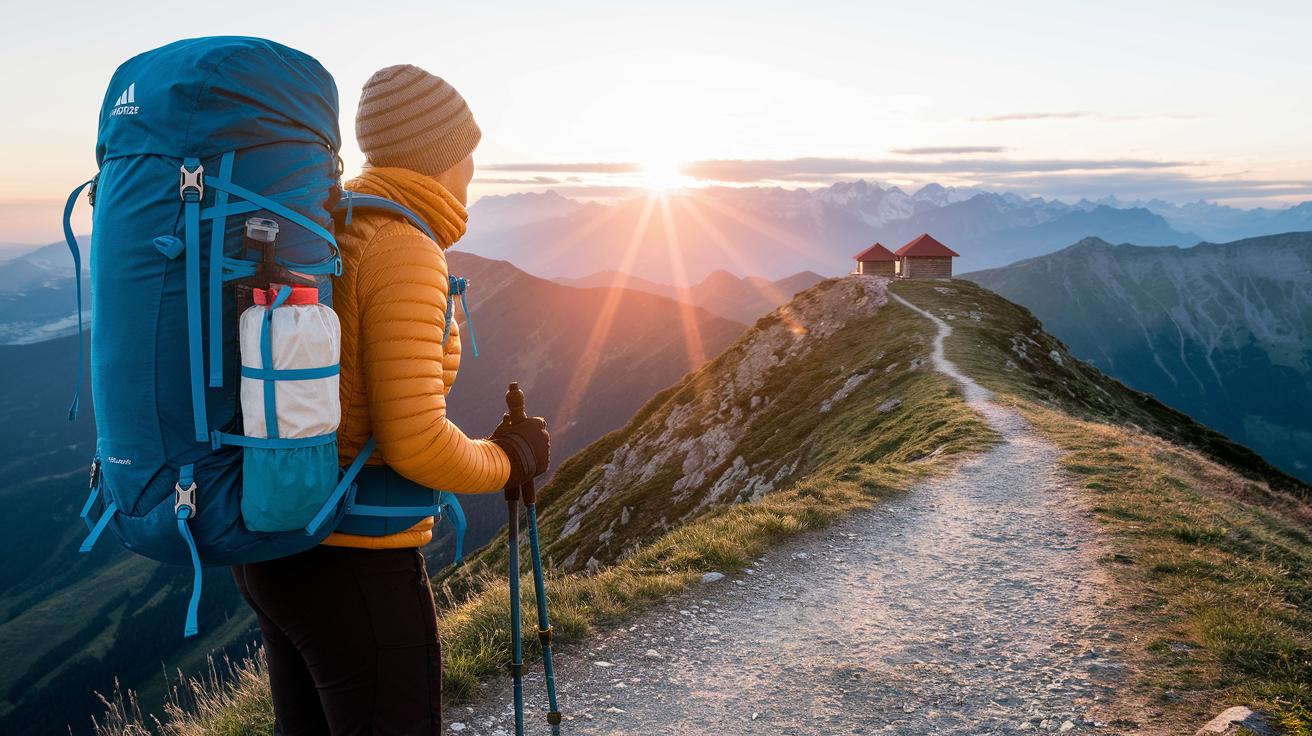
Packing light is the key to a smooth hut-to-hut adventure. Keep only what you truly need so your pack stays slim and you have room for the important items. Carry a small first-aid kit, layerable clothing for unpredictable mountain weather, and just a few gadgets to capture your moments along the way. This smart approach helps you move easily over steep trails and keeps fatigue at bay.
Stick to a simple list covering shelter, clothing, navigation, and food. Organize your gear based on what you'll use most at each stop. Every item should earn its spot in your pack. For more details, check our multi-day hiking packing checklist.
Shelter & Sleeping
Choose a sleeping bag rated for cool mountain nights. Huts provide a mattress and pillow, but bring your own pillowcase to complete your bedding. Indoor shoes (flip-flops) are a must for relaxing after a long day on the trail.
Clothing & Footwear
Dress in layers so you can adjust to changing conditions. Pack sturdy boots to handle rocky paths while keeping your load light.
Navigation & Safety
Bring a paper map, a compass, and a GPS (a map file your phone uses) to stay on track. A compact first-aid kit is essential for quick fixes if you need them.
Food & Hydration
Pack easy, lightweight meals and snacks that are simple to store. Use a water filter and hydration pack to stay refreshed without adding extra weight.
hut to hut hiking itinerary schedule: Happy Trails
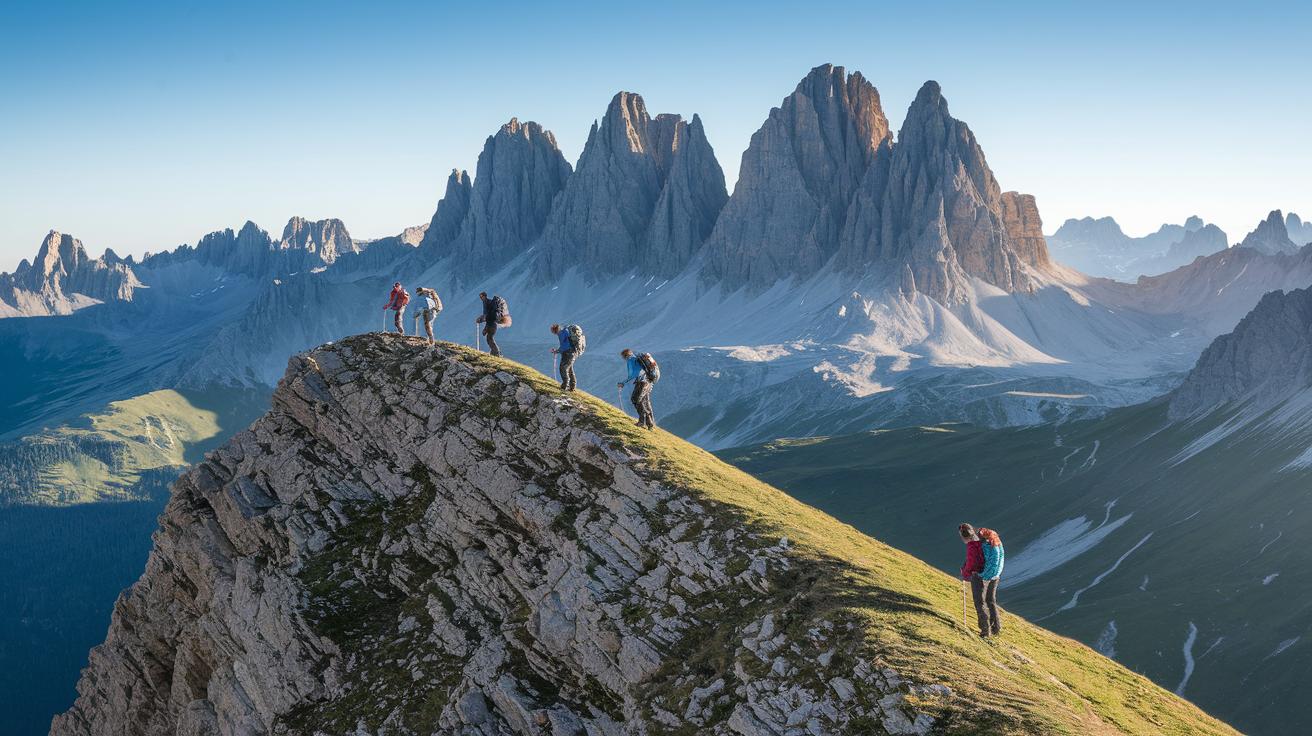
Picking the right region for your hike is important. Whether you want a calm trip with a few stops or a tough multi-day trek, there’s a plan out there just for you.
Italian Dolomites
In the Italian Dolomites, the Alta Via trails are famous for their stunning views and solid challenges. Alta Via 1 is about 140 km long with roughly 7,200 m of climbing. Alta Via 2 covers around 200 km and rises about 10,500 m over 10 to 16 days. For an extra thrill, Alta Via 4 offers secured climbing sections (via ferrata). Here, you can choose a route that fits your pace and goals.
Scotland’s Highland Way
Scotland’s Highland Way offers a mix of bothies (simple shelters) and staffed huts along the trail. With its moderate distance and seasonal access, you can enjoy quiet scenery and safe, easy stops. The well-placed accommodations help you maintain a steady, manageable pace on your journey.
Norway’s Fjord Country
In Norway’s Fjord Country, a network of self-service huts lets you plan stops on the fly while soaking in dramatic fjord views. The practical Hutordnung system (hut rules) supports a flexible, cabin-to-cabin route. This blend of self-reliance and nature makes your trek both sustainable and full of surprises.
New Zealand’s Great Walks
New Zealand’s Great Walks require some careful planning, as they run on strict booking windows. The trails are supported by well-managed hut stops that ensure safety and comfort. This setup is perfect if you need a structured plan with reliable breaks during a multi-day adventure.
Nepal’s Teahouse Treks
Nepal’s teahouse treks combine high-altitude hut stops with a taste of local culture. These routes wind through mountain passes and small villages, giving you a mix of comfort and a real look at traditional alpine living. It’s a great way to connect with nature and local people.
Kyrgyzstan’s Tian Shan
In Kyrgyzstan’s Tian Shan region, remote backcountry huts offer a raw and unspoiled mountain experience. These isolated shelters let you truly feel the untamed beauty and deep local culture of the area. It’s a perfect choice for adventurers who are up for a challenge and eager to immerse themselves in authentic mountain life.
Final Words
In the action, this post walks you through a detailed 3-day Colorado trek. We covered everything from day-by-day route plans and booking insights, to mapping tools and safety tips.
Each section helps you plan your hut to hut hiking itinerary schedule with clear guidance on reservations, gear, and local options. With step-by-step advice and practical insights, you have the footing you need for a memorable mountain trip. Enjoy the trails and embrace every new vista along the way!
FAQ
Hut to hut hiking itinerary schedule reddit
Hut to hut hiking Dolomites reviews
4 day hut to hut Dolomites
Hut to hut hiking Dolomites with kids
Hut to hut hiking Europe
Hut to hut hiking Switzerland
Hut to-hut Dolomites cost