


Ever thought about leaving your tent behind for a mountain hut after a long day on the trail? Hut-to-hut hiking is a perfect blend of adventure and comfort. Each day ends at a new hut where you can rest, refuel, and enjoy a warm bed and a hearty meal. This style of hiking lets you cover real miles, all while taking in the simple pleasure of a cozy stop along the way. In this post, we'll share the essentials to help you plan a safe, memorable trip from hut to hut.
Essential Planning for Hut-to-Hut Hiking Adventures

Multi-day hut-to-hut hikes usually cover 4 to 12 miles a day. Huts are often set about 5–8 miles apart, making it easier for you to plan a comfortable day’s hike. On rough trails, you might only travel 1.5 to 2.5 miles per hour instead of the 2.5–3.5 mph you enjoy on smoother paths. This means you could end up walking less than expected, so plan your day with the slower pace in mind.
Huts act like cozy mountain hostels. They typically offer dorm beds and meals so you can leave your tent at home. Because these huts fill up quickly during peak seasons, you should book your stay several weeks, or even months, ahead. Check your dates early and be ready for seasonal closures, especially in areas like the Swiss Alps or the Dolomites.
Mountains can turn harsh quickly. Weather may shift fast, with winds in some areas reaching over 200 mph and sudden storms arriving without much warning. Always check local forecasts and pack extra layers plus a rain shell. It’s like carrying an umbrella even if the sky looks clear, better safe than sorry.
Every region has its own flavor. You might wander the rugged trails of New Hampshire’s White Mountains or try the historic 10th Mountain Division huts in Colorado. Tailor your route to fit your skills and what interests you most.
Before you set off, run through this quick checklist:
- Daily mileage and hut distances
- How far ahead you need to book
- Weather updates and your emergency gear
- Local trail conditions
A little planning goes a long way to make sure you’re ready for the mountains.
Top Alpine and Mountain Refuge Hut-to-Hut Routes

In Switzerland, hut trips let you enjoy nature at a relaxed pace. Start your journey at Capanna Cristallina on the Sentiero Cristallina. You’ll wander past sparkling alpine lakes and see the areas where ibex often roam.
For a taste of high-altitude views, try the two-day Greina Plateau trek from Vrin to Terrihütte. Imagine taking a pause by a gentle glacial stream after a steep climb, feeling the chill in the air as you admire the rugged peaks in the distance.
The Geltenhütte route is another great option. Begin near Lauenensee and follow a winding trail that leads you to a short detour at Wildhorn Hut. This is a perfect spot to cool off with a refreshing swim at Iffigsee, picture a cool dip high in the mountains. On the Rugghubelhütte route, you can choose a 1.5-hour family-friendly walk or opt for a tougher 6-hour trek via Rotgrätli if you’re more experienced.
For a communal vibe, visit Chamona de Cavardiras, which offers a 30-bed dorm nestled between Uri and Graubünden. If a cozier setting is your style, Capanna Alzasca provides a snug stone shelter for 20 guests.
Head over to Colorado and you’ll find an equally inviting hut circuit. Day 1 takes you from Timberline Trailhead to Uncle Bud’s Hut, you can cover 7 miles (11 km) if you make a short stop at nearby lakes, or push on for a nonstop 4.5 miles (7 km). On Day 2, enjoy a 10-mile (16 km) walk to the 10th Mountain Hut. Day 3 wraps up with a 6-mile (9.7 km) stroll to Tennessee Pass. Plus, the White Mountains huts along the Appalachian Trail follow a well-marked path that keeps you feeling safe at every turn.
Booking Essentials for Hut-to-Hut Hiking Accommodation
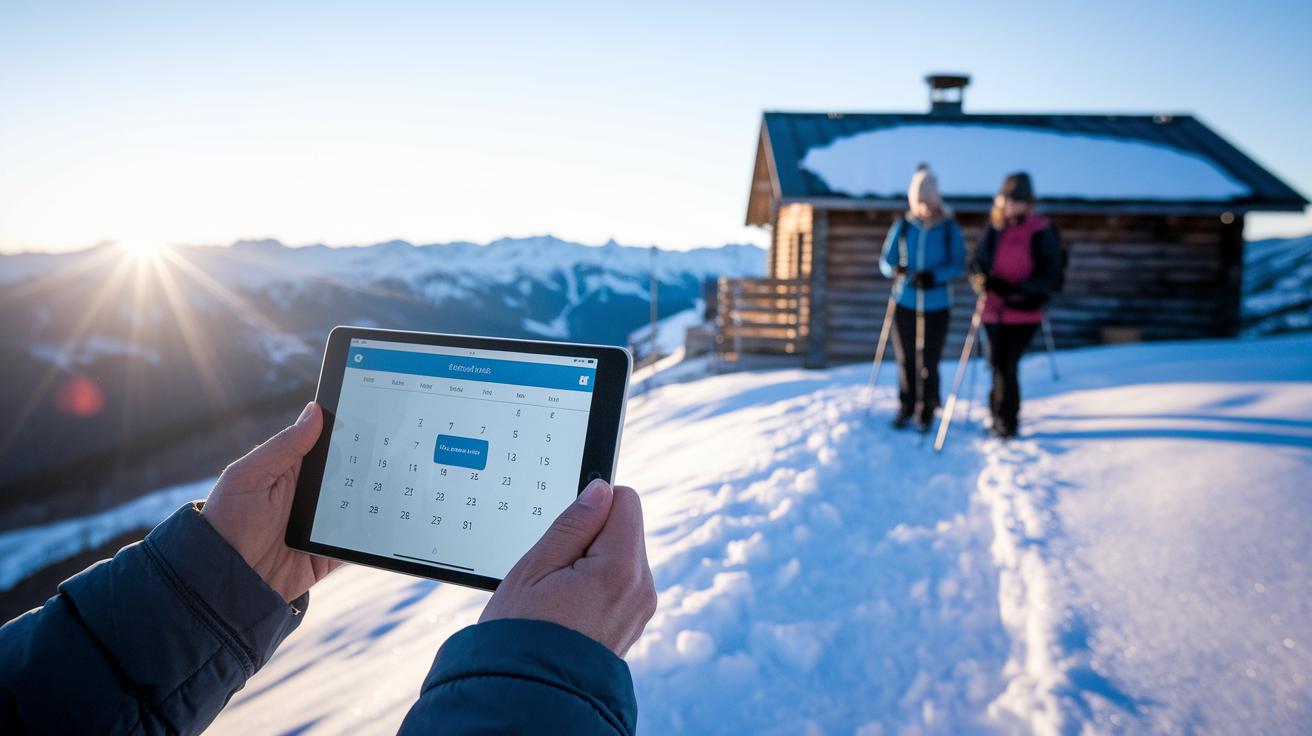
Booking a stay at a mountain hut is a must for a smooth trip. In the White Mountains along the Appalachian Trail, huts fill up a season ahead. Section-hikers know to reserve their beds well before the rush. Mark your calendar and set a reminder to book early. One hiker shared, "I set my alarm to book my hut the day bookings opened, and it made all the difference."
In Colorado, the 10th Mountain Division huts use an online calendar. You might need to book weeks or even months in advance. During summer, 25 out of 40 huts are available. These shared bunkrooms sleep around 16 hikers, and beds are given on a first-come, first-served basis. Always check the current capacity before planning your leg, since spaces can fill up fast.
Swiss huts have their own schedule with set seasons. Some routes may even be closed part of 2025. They offer fixed capacities and communal dining. A few let you swap a work shift for a free night’s stay. Compare lead times and local rules because each hut network works a bit differently.
Review your plan carefully and book early to secure your spot in these hidden mountain refuges.
Gear, Packing, and Preparation for Hut-to-Hut Hiking

Your gear should be light and practical for a hut-to-hut trek. Since huts provide shelter, you won't need a heavy tent. Instead, bring a warm sleeping bag liner or a light sleeping bag along with a pillowcase (in Colorado huts, a pillowcase is required). Pack clothes in layers so you can adjust as temperatures drop or when sudden storms hit. One hiker said, "Good gear kept me warm after a rapid temperature drop."
Keep your pack under 30 lbs to help you stay fresh on long hikes. Essential items include a small first-aid kit, a headlamp, and a rain shell (a waterproof jacket). Trekking poles are important for rocky climbs, like the trail up to Greenleaf Hut. Also, bring a lightweight map or a GPS device (a tool that shows you your route) so you can follow the marked paths.
A sample packing list might include:
- Sleeping bag liner or light sleeping bag with pillowcase
- Layered clothing (base layer, mid layer, and waterproof shell)
- Trekking poles
- Headlamp
- Basic first-aid kit
- Rain shell
- Lightweight map or GPS device
- Minimal personal items to keep weight low
Before you head out, check the weather forecast and review your trail map. A quick pre-trip check helps make sure you don’t leave anything important behind. A good tip is to jot down a note on your phone like, "Bag packed, gear checked, weather reviewed."
Practice by walking with a loaded pack in the weeks before your trip. This builds the strength and endurance you need for multi-day hikes. Smart packing and careful preparation make all the difference between an exhausting trek and a comfortable, memorable adventure.
Navigation and Safety on Hut-to-Hut Hiking Trails
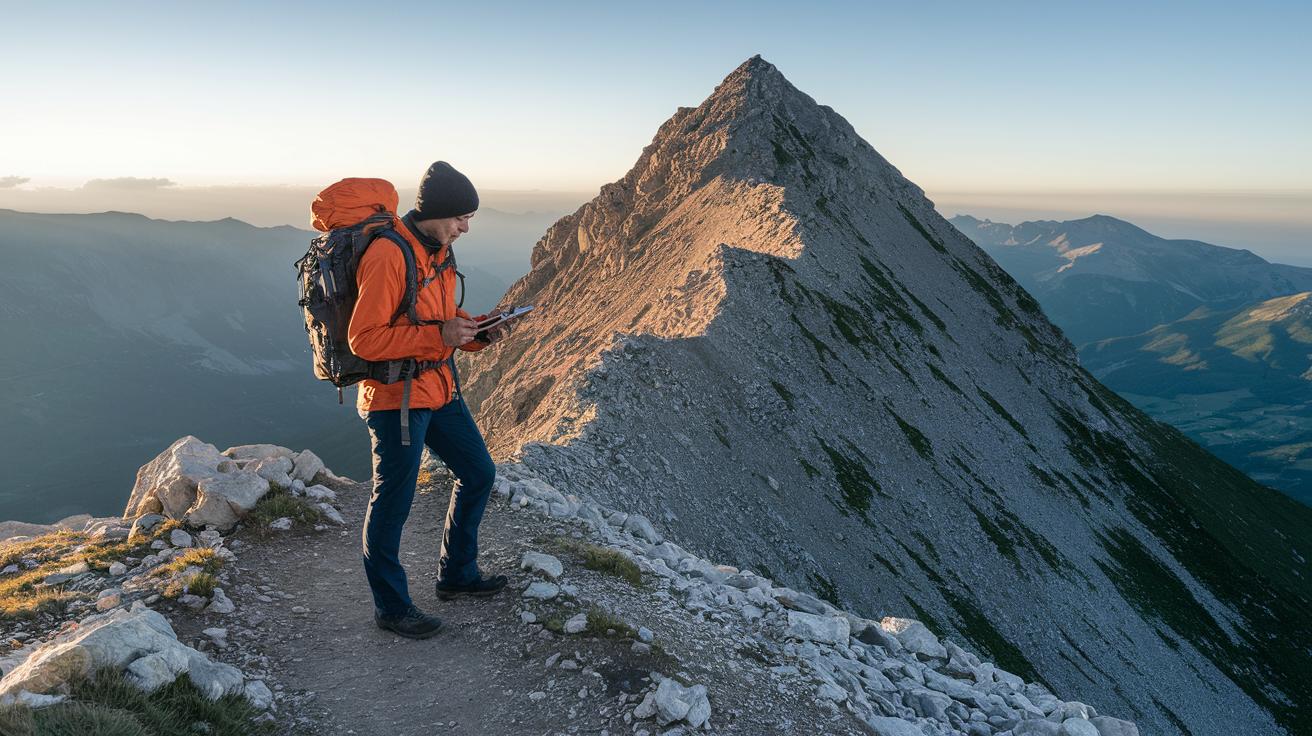
When you head out on the trail, pack safety gear as carefully as your hiking supplies. In the White Mountains, winds can hit over 200 mph. Before you leave, check the weather forecasts, like those from the Mt. Washington Observatory. Storms can come on suddenly, so plan for shelter and bring emergency gear.
On Colorado trails, creek crossings in early July are often safe if you can hop over the rocks. Still, always check the water level before you cross. One hiker said, "I almost underestimated a creek crossing until I saw the water was higher than I thought." A little extra caution goes a long way.
Over in the Swiss Alps, you’ll find clear, high-altitude signs. Still, bring offline maps and a GPS tracker so you won’t lose your way if the signal drops. Stick to the marked paths. This not only keeps you safe but also protects the fragile alpine plants from being trampled.
Remember these tips to keep your hike safe:
- Check weather forecasts and wind alerts before each day.
- Use mobile apps for hut navigation and update them if conditions change.
- Stay on marked paths to protect natural areas.
- Carry a small emergency bivy and whistle for unexpected situations.
| Tip | Why It’s Important |
|---|---|
| Weather Forecasts | Helps you avoid sudden storms and high winds |
| Offline Mapping Apps | Keeps you on track when signals fail |
| Emergency Bivy & Whistle | Essential for unexpected emergencies |
Pack wisely and stay alert for a safe hut-to-hut hike.
Sample Multi-Day Hut-to-Hut Hiking Itineraries
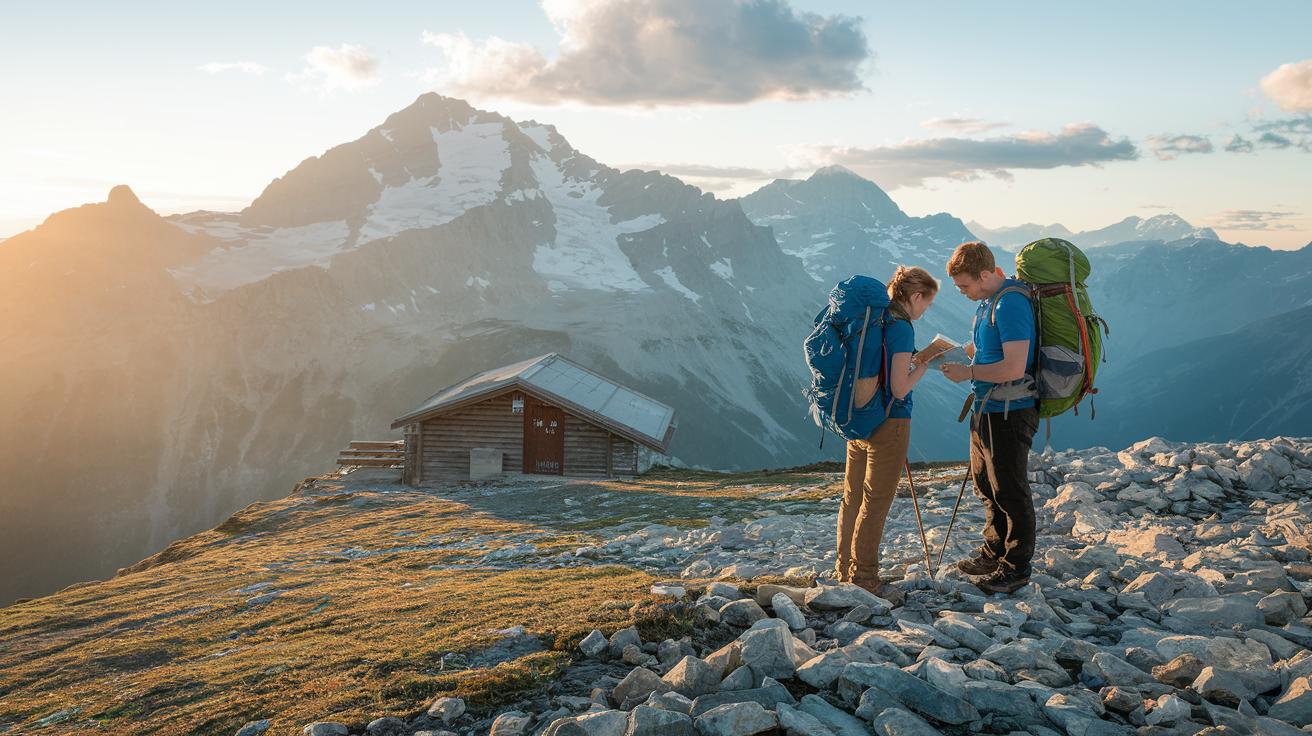
We’ve merged these trails with our top alpine and mountain refuge routes to cut down on repeats. Each itinerary lays out the daily distance, hut stops, and highlights so you can pick the one that fits your schedule and energy.
Colorado 3-Day Itinerary
On Day 1, start at Timberline Trailhead and head to Uncle Bud’s Hut. You can hike 4.5 miles straight or stretch it to 7 miles if you want to explore nearby lakes like St. Kevin’s and Bear Lake.
Day 2 takes you on a 10-mile journey to the 10th Mountain Hut. Expect a mix of easy climbs and tougher patches that lead to great views.
On Day 3, walk 6 miles to Tennessee Pass Trailhead with the option to add extra distance if you’re up for more.
- Day 1: 4.5–7 miles, from Timberline Trailhead to Uncle Bud’s Hut
- Day 2: 10 miles, reaching the 10th Mountain Hut
- Day 3: 6 miles, arriving at Tennessee Pass Trailhead
Swiss Greina Plateau Itinerary
Begin in Vrin and hike 12 miles to Terrihütte via a high pass. This route crosses rugged terrain with wide-open alpine views that feel both dramatic and calm.
On Day 2, descend 10 miles through open meadows dotted with wildflowers and accompanied by gentle streams.
- Day 1: 12 miles, from Vrin to Terrihütte
- Day 2: 10 miles, descending through alpine meadows
Kesch-Trek in Graubünden
This trek stands out with its bold altitude changes and local hut keeper charm.
Day 1: Hike from Flüela to Chamanna da Grialetsch while enjoying quiet, lesser-trodden paths.
Day 2: Continue from Chamanna da Grialetsch to Susch, with each step revealing a new slice of mountain life.
Day 3: Finish from Susch to Albula Pass, where striking views and the charm of high-altitude hut living cap the journey.
- Day 1: Flüela to Chamanna da Grialetsch
- Day 2: Chamanna da Grialetsch to Susch
- Day 3: Susch to Albula Pass
Local Cuisine and Culture on Hut-to-Hut Hiking

Swiss mountain huts offer more than a place to sleep. They give you a taste of local life. Many huts serve group dinners where hikers enjoy hearty meals like cheese fondue, rösti (crispy potato cakes), and lasagna. For instance, at Carschinahütte, guests sit together at long tables for a family-style meal. Some huts even start your day with a simple breakfast of eggs, a small ritual that gets you ready for the trails.
In other regions, local traditions come to life. At Salbihütte, climbers share lively stories by a wood stove after a hard day on the mountain. Over at Chamona de Cavardiras, a dorm for 30 people, the shared space creates a warm feeling that makes long days seem shorter. Capanna Alzasca has a cozy dining area that won’t seat many, only 20 guests. This small setting makes the meal feel personal and satisfying.
Colorado huts have their own charm too. Hikers there often talk about the history of the 10th Mountain Division while sharing meals. The bunk system, based on first-come, first-served, adds to the friendly, social vibe. It’s these moments, over a hot bowl of soup or a plate of local food, that truly weave the cultural fabric of hut-to-hut hiking.
Budget and Premium Options for Hut-to-Hut Hiking
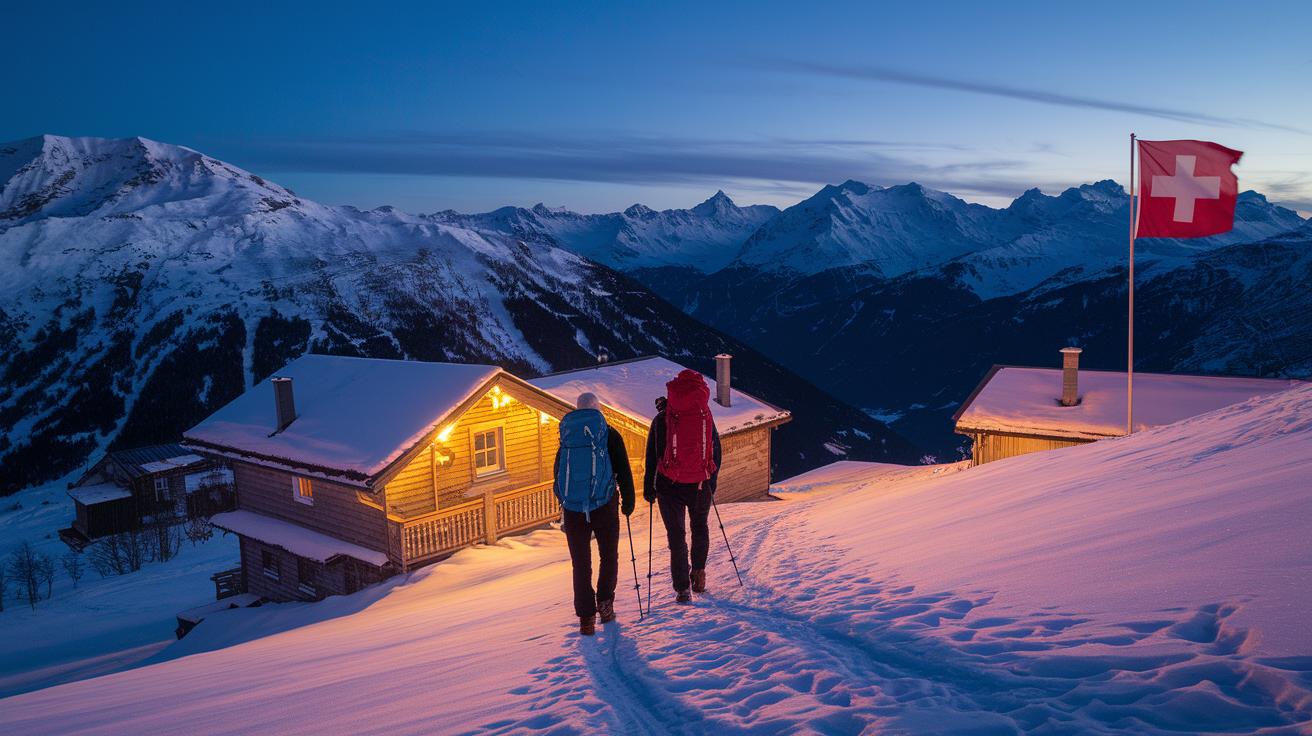
Hut-to-hut hiking lets you stick to a budget while still enjoying a warm bed and fill-up meals. In Switzerland, many huts charge between €40 and €80 per night, and that fee usually includes dinner and breakfast. If you travel off-peak, late June or early September, you might cut costs by 10–20%.
Want to save even more? Look into volunteer options. In Colorado, some non-profit huts from 10th MDHA offer work-for-stay shifts where a few hours of help earn you a free night. AMC lodges in the White Mountains have similar programs where volunteers get complimentary lodging.
If you’re after extra comfort, some Swiss refuges let you upgrade to a private room or enjoy meal upgrades for a small extra fee. These premium choices give you a more personalized experience.
Here’s a quick list for managing costs:
- Off-peak travel discounts (late June, early September)
- Work-for-stay shifts at Colorado huts
- Volunteer programs at AMC lodges in the White Mountains
Plan your route and bookings to match your budget while still experiencing the unique charm of each hut.
Final Words
In the action, we explored planning a clear, well-supported hut to hut hiking trip. We covered route details, booking tips, necessary gear, navigation, and budget options. Each section offers practical advice on handling distance, unpredictable weather, and local cultural touches. These insights help you prepare and enjoy every step on the trail. With confidence in your itinerary, you'll be ready for the rewarding experience of hut to hut hiking. Enjoy each moment and the warm memories you create along the way.
FAQ
What are some hut-to-hut hiking options near California, Texas, and New Hampshire in the USA?
Hut-to-hut hiking in the USA includes diverse trails. California offers scenic backcountry paths, Texas boasts accessible routes, and New Hampshire provides Appalachian hut stops.
What does “hut hut hike” mean?
“Hut hut hike” signals a call to gather and set off on a shelter-to-shelter trek, inviting hikers to start a multi-day adventure through mountainous terrain.
Is hut-to-hut hiking good for beginners and what makes it accessible?
Hut-to-hut hiking is great for beginners when choosing shorter, less challenging routes with manageable distances and readily available hut amenities.
What countries have hut-to-hut hiking networks, including in Europe and Switzerland?
Many countries, such as Switzerland, Austria, Italy, and others in Europe, offer established hut-to-hut networks, along with a variety of scenic routes in the USA.
What do you need for a successful hut-to-hut hiking trip?
Essential items include lightweight gear under 30 lbs, layered clothing, a sleeping bag liner for shared huts, basic first aid supplies, a headlamp, and a pre-booked reservation.
What are some of the best hut-to-hut hiking routes available?
The best routes vary by region—from the Swiss alpine treks and Colorado’s 10th Mountain trails to New England paths—each providing unique views and a chance to experience hut life.