


Ever thought about planning your own hut circuit for an even more memorable hike? With a self-guided route, you set the pace. Enjoy daily walks of 10-15 km (6-9 miles) and climbs of 500-800 m (1,640-2,620 ft) that let you savor the journey. In this post, we share easy tips for setting clear goals, picking the right stops, and booking huts ahead of time. Follow these simple steps to enjoy every part of your trek while keeping safety and confidence in mind.
Strategic Planning for Self-Guided Hut Circuits

Start by setting clear day-to-day goals so every stunning moment on the trail comes with solid planning. Your current fitness is your starting point, so aim for about 10–15 km a day with an elevation gain of 500–800 m (about 1,640–2,625 ft). Picture finishing each kilometer as a step closer to that rewarding view.
A good plan breaks your trek into simple parts to keep you safe and on course. Here are six key things to sort out:
- Daily distance (10–15 km)
- Elevation gain each day (500–800 m)
- Hut bookings well ahead of time, especially in busy months
- Checking your route on maps or trusted hiking apps for time estimates
- Planning for food, water, and resupply stops
- Scheduling rest or backup days
Using maps or reliable hiking apps helps you see the terrain and judge how long each part will take. Remember to build in short rest breaks to enjoy the surroundings and recharge. Book your huts early, especially in July and August, to ensure you have a spot. Late June to early October is usually best when the weather is steady and the trails are clear. Also, think about how seasonal changes might affect the route and have a simple alternative ready.
Every bit of planning builds your confidence and makes the hike part of the adventure. Enjoy every step along the way!
Mapping and Navigation Insights for Hut Circuit Hikes
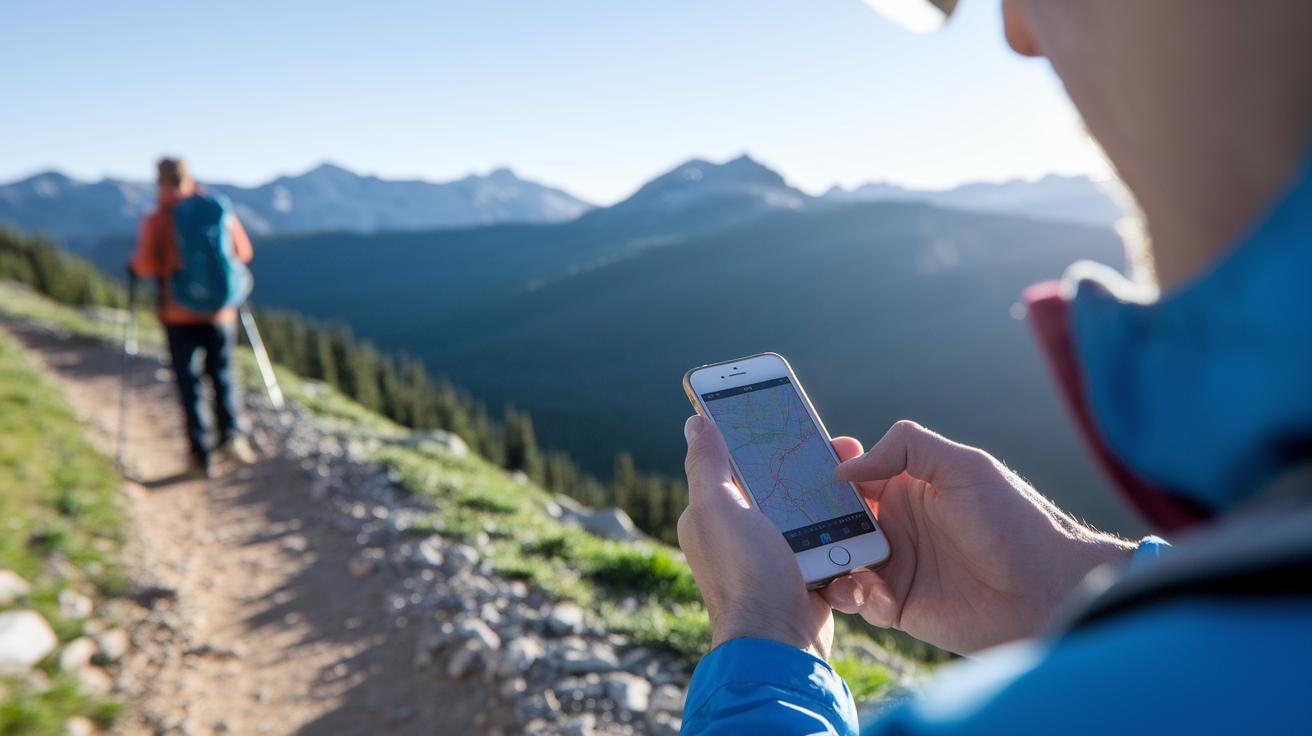
Keeping your bearings on the trail is important. Try using different tools to guide you. An offline hiking app (a map on your phone) can show the trail and even give you an idea of the climb. A paper map gives you a broad view of the terrain and nearby landmarks. A compass helps you recheck your direction using the sun or nearby rock formations. This mix means if one tool lets you down, another is there to help.
Before you head out, download digital maps for extra safety. GPS apps give you real-time locations, even when cell service is weak. While these apps are handy, a paper map is a trusted backup when you need to confirm key waypoints. Rely on the natural signs around you to mark important parts of the trail as the weather or light changes.
Using these tools together keeps your route steady. Check your map often at each waypoint to see if you’re on track.
| Navigation Tool | Key Use |
|---|---|
| Paper Map | Shows overall terrain and landmarks |
| Compass | Helps check your direction |
| GPS App | Provides real-time location with offline maps |
Essential Gear and Backpacking Preparation for Hut Circuits
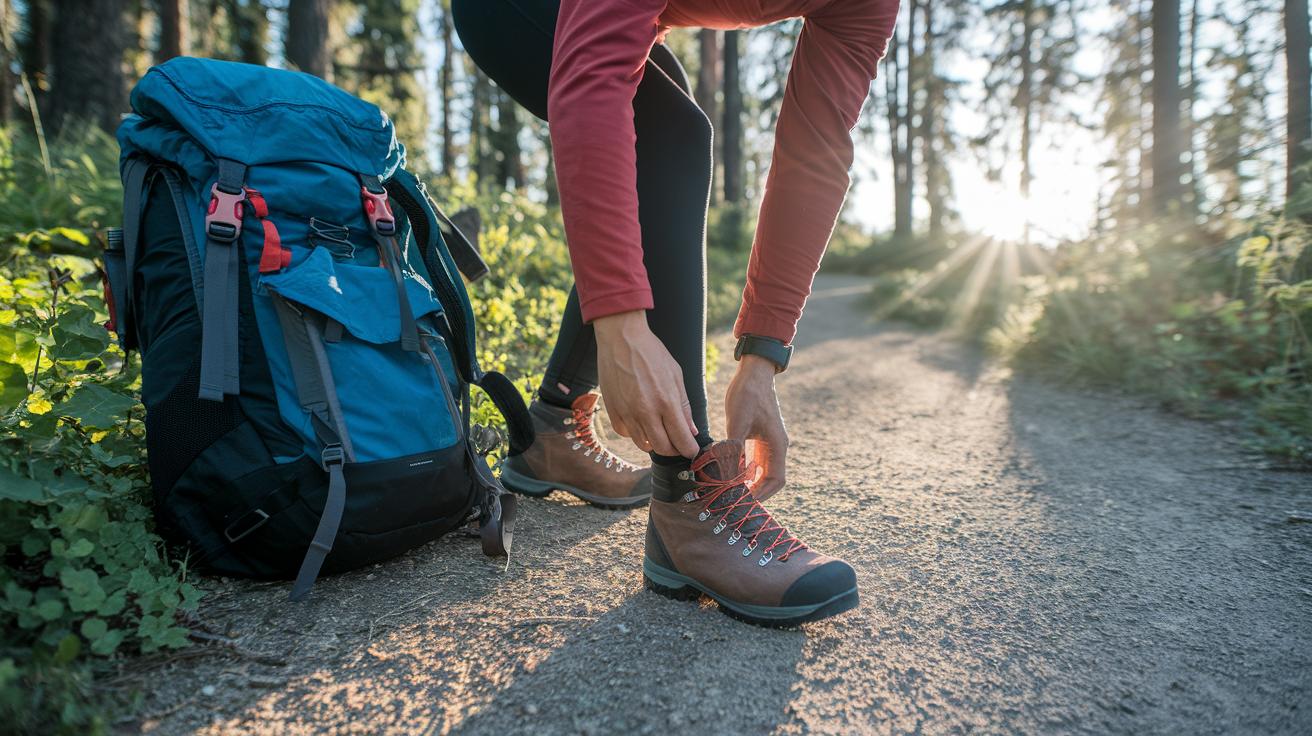
Before you head out, make sure your hiking boots are well broken in. Test them on local trails so you know they offer the right comfort and support. Try them with your 30–40 L backpack (with a rain cover) loaded up. Doing this early lets you adjust straps for an even weight, making long mountain days easier.
Next, check your clothing layers. Pack a waterproof jacket along with a warm layer underneath to keep you cozy on chilly nights or during sudden drizzles. A hut sleeping bag liner is great for shared dorms, keeping you comfortable without overheating. Also, grab a headlamp with spare batteries, and don’t forget your sunglasses and sunscreen to protect you in bright daylight.
Before you set off, test all your gear together on local routes to make sure everything fits well over long distances. Bring a map, a compass, and a GPS (devices that help you know your location) for extra security. For a complete gear overview, check out the Multi-day hiking packing checklist at https://hike2hut.com?p=282.
Weather and Altitude Adaptation on Self-Guided Hut Circuits

Before you head out, check the weather forecast. Mountain weather can change quickly, even in summer. Cold snaps and strong winds may show up when you least expect them. For example, winds near Mt. Washington have hit 200 mph, reminding us that nature has its own plans. Always update yourself with forecasts from trusted sources and pack a windproof jacket along with layers that you can add or remove as needed.
Layering means wearing a light base, a warm mid-layer, and a windproof shell on top. This way, you can adjust quickly if the day warms up or chills down suddenly.
As you climb above the treeline, you'll find the air is thinner and temperatures drop fast. Slow your pace and take breaks often to catch your breath and let your body adjust. Stick to a relaxed speed on steep parts so you save energy for the long haul. The shoulder seasons, with calm weather and fewer people, are a great time to enjoy your mountain day at a safe, steady pace.
Hut Reservation and Itinerary Scheduling Tips
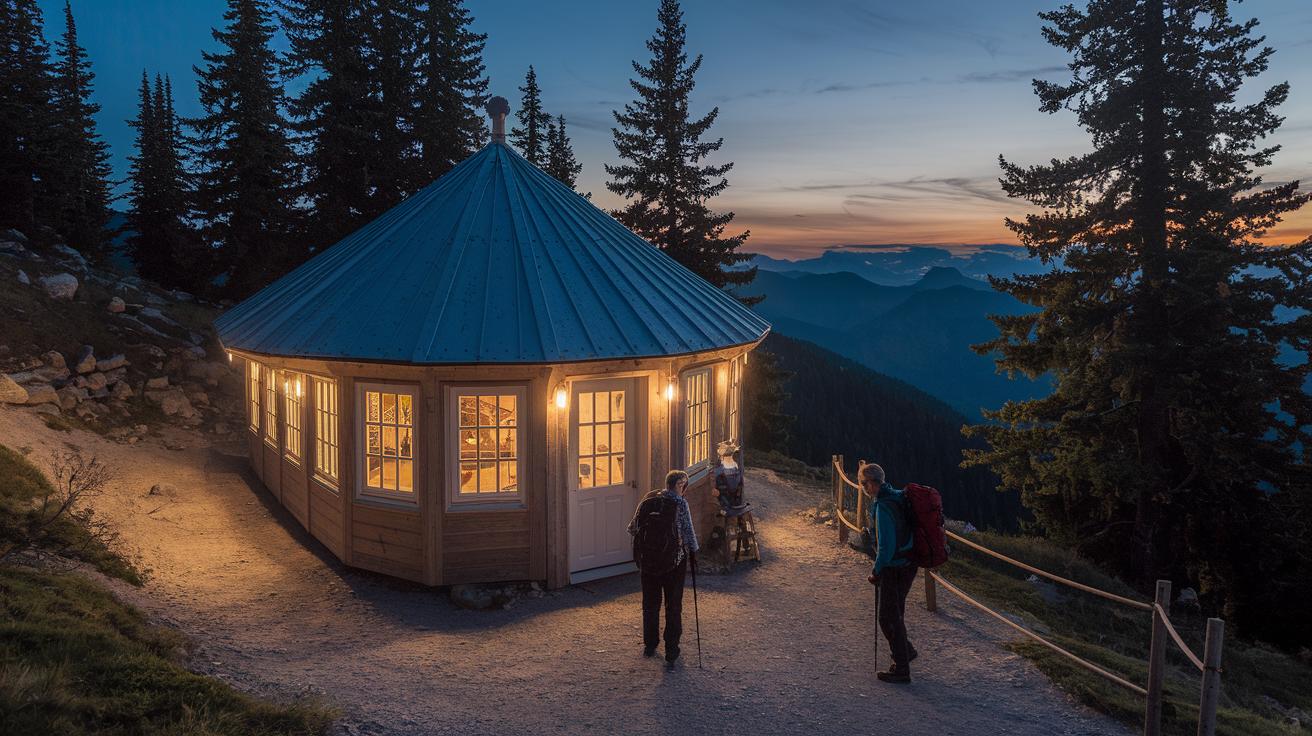
Book your hut stops early because they fill up fast during the busy summer months. In July and August, many huts are fully booked and some only take cash. Lock in your reservation as soon as you can. For a more relaxed experience, try planning your trip in September when trails are quieter and there is extra flexibility for meals and seating.
Think of each hut stop as a special part of your journey. Huts like the Highland Center work well as your first, middle, or final night because they offer steady amenities. Pick your routes based on the season. You might choose well-known paths in the Alps, scenic trails on Scotland’s Highland Way, or the more peaceful stops with Norway’s fjord huts.
Plan a resupply or pack a lunch when you face a long final stretch or an early steep climb. Pre-ordering meals and planning resupply stops can keep your energy up. This way, you have more time to enjoy the mountain experience on your hut circuit hike.
Self-guided Hut Circuit Hiking Tips: Celebrate the Hike
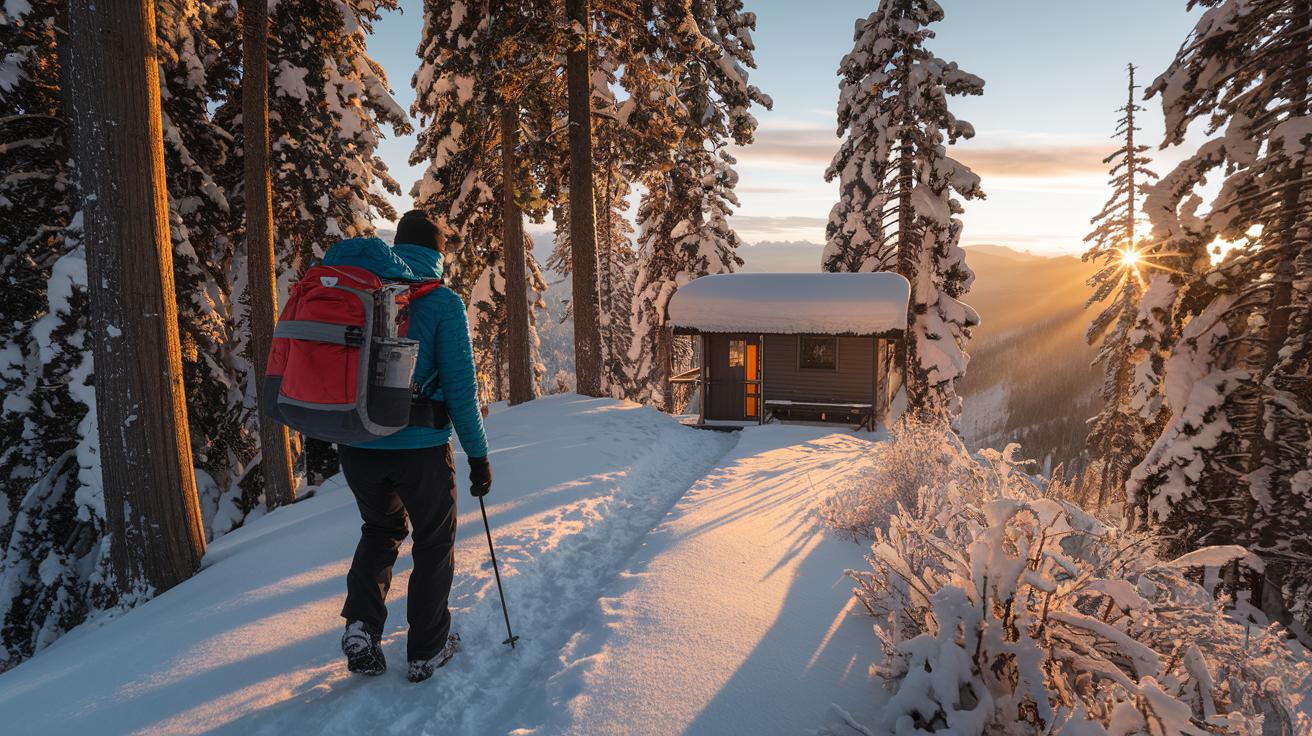
Keep safety at the forefront of your adventure. Pack a full first aid kit and a reliable headlamp so you are ready for low light or remote stretches. Always sign the hut log (Hüttenbuch) upon arrival. This small step helps mark your progress and aids rescuers if needed.
Bring extra navigation tools too. Carry a map, compass, and GPS (a device that tells you your position using satellites) so you can check your path if the weather shifts or gadgets fail. This way, you never miss a beautiful view while staying on track.
Have local rescue contacts ready. Write down Austria’s rescue number (140) and other key numbers. It might help to have mountain sports insurance for extra peace of mind. Plan out a simple emergency route with backup exits and check-in spots so you know what to do if the unexpected happens.
- First aid kit and headlamp – for immediate help and safe navigation.
- Hut sign-ins – to mark your progress and keep everyone informed.
- Backup maps, compass, GPS, and rescue numbers – to stay on course when conditions change.
Local Conditions and Hut Etiquette on Self-Guided Circuits

Mountain huts let you experience local traditions and safe, responsible trekking. These shared spaces ask you to follow quiet hours and remove your shoes in dorm rooms to keep the space clean. Many huts welcome you to join communal dinners where local dishes like Kaiserschmarrn bring people together.
Keep your food portions small when allowed so that pests are not attracted. Always sign the hut logbook to let the staff and fellow hikers know you were there. Follow the advice of the hut staff (known as the croo), who have looked after these places for years. Their tips help protect nature and keep trekking sustainable.
Stay on marked trails to protect the alpine tundra and avoid disturbing rare plants. By following these simple rules, you help keep the mountain spirit alive and honor traditions that future hikers will enjoy.
Final Words
In the action, we covered planning daily sections, mapping routes, and keeping gear and weather in check. We shared steps for booking huts on busy days and outlined safety basics for unpredictable conditions. Rest, resupply, and local etiquette round out our practical tips. These self-guided hut circuit hiking tips help you tackle each stage with clear ease and mountain confidence. Enjoy the clear air and inspiring views as you set off on a memorable, stress-free hut-to-hut hike.
FAQ
Q: What are some self-guided hut circuit hiking tips for beginners?
A: The self-guided hut circuit hiking tips for beginners include planning short daily stages (10–15 km with 500–800 m gain), reserving huts ahead of time, using offline maps, and keeping weather and gear in mind for a safe trip.
Q: How does hut-to-hut hiking work for beginners?
A: Hut-to-hut hiking for beginners means planning manageable distances, booking huts in advance, and using clear maps or apps to guide your route so you can build confidence and enjoy mountain settings responsibly.
Q: How does a 3-day hut-to-hut hiking circuit work in Europe?
A: A 3-day hut-to-hut circuit in Europe works by scheduling daily distances paired with moderate climbs, securing reservations during peak seasons, and using maps or apps to estimate timing for each stage while following local hut etiquette.
Q: What tips help when self-guiding hut-to-hut hikes in the Alps or New Hampshire?
A: Self-guided hut-to-hut hikes in the Alps or New Hampshire benefit from using offline maps, booking huts early, packing properly, and staying updated on weather forecasts to adjust pacing safely along the tracked circuit.