


Ever wonder how a mountain lake can change your view of nature? These lakes sit above 1,500 m and are formed by melting snow and ice. Their clear, cold water shows shifting shades of blue that make them a real mountain gem.
In this post we explain what makes an alpine lake so special. Their natural design and quiet vibe offer a perfect chance to pause and enjoy the mountains. A visit here could be just the refresh you need on your next adventure.
Understanding Alpine Lake: Definition, Elevation, and Key Features
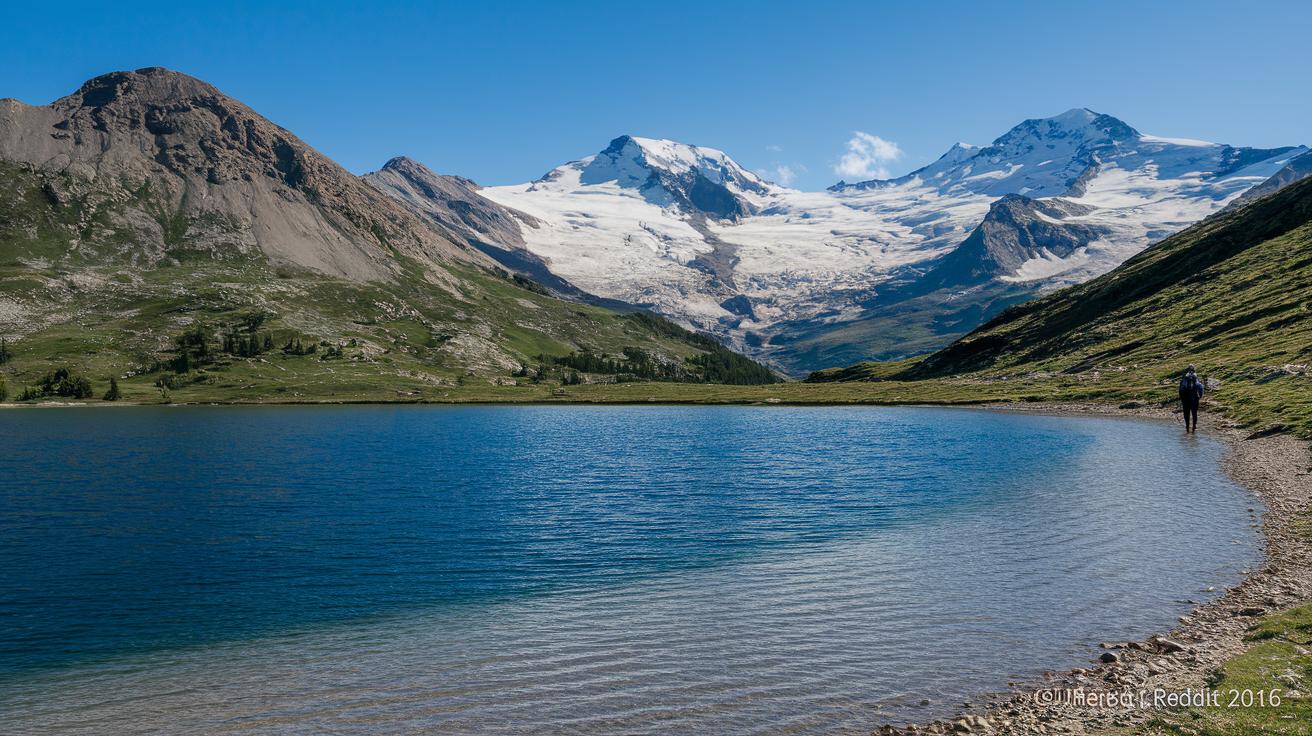
An alpine lake sits high in the mountains, usually above 1,500 m (5,000 ft) where trees start to thin. These lakes form when melting snow and glaciers feed water into natural basins carved out by past ice flows. The water stays clear because it is renewed by fresh glacier melt, and it stays clean and cold.
You’ll notice that alpine lakes often show a mix of colors. The water can shift from deep blue to lighter shades as sunlight changes the look of the mineral-rich sediment. This natural color play makes the lakes a favorite for hikers and nature lovers.
At these high spots, the cold melt of snow and ice is the lifeblood of the lake. The water barely changes throughout the year, capturing the simple, wild charm of mountain life. Hikers and researchers both need to plan with care when visiting these lakes, as the paths are sometimes rough and the weather can change fast.
Prime Alpine Lake Destinations for Travel and Hikes
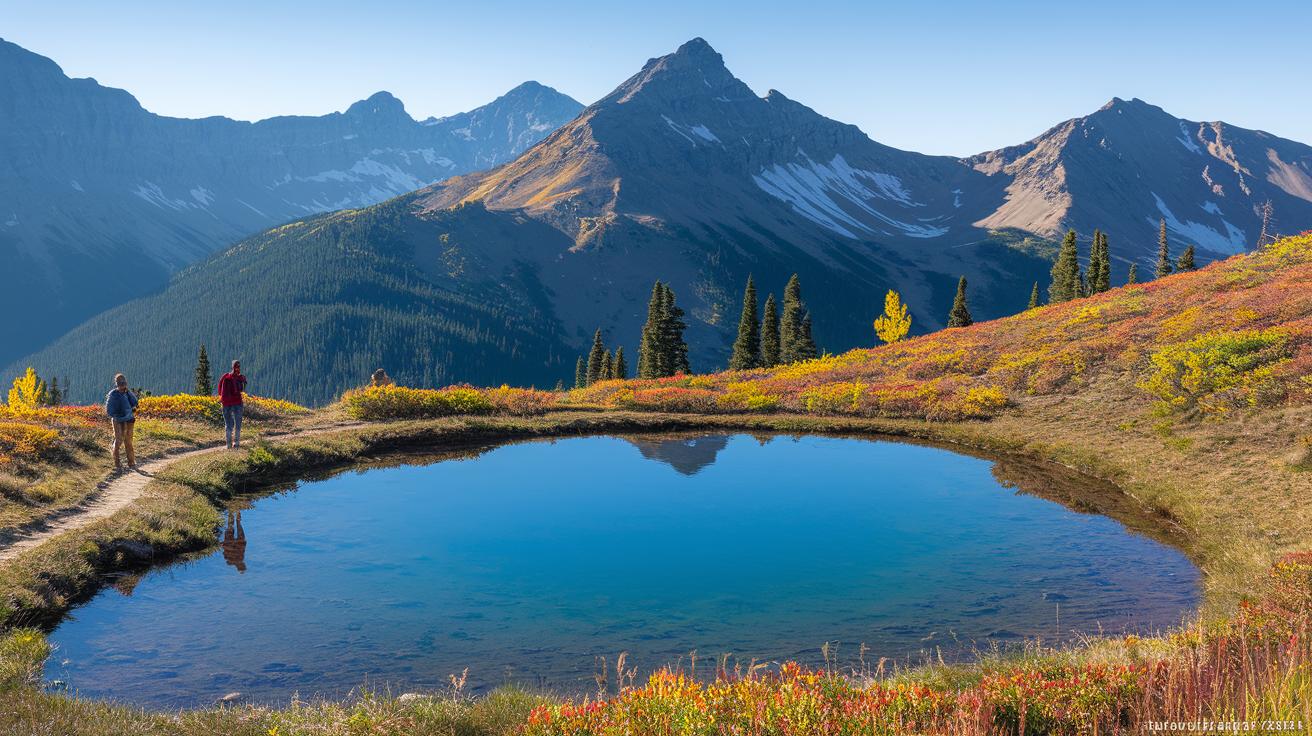
When the mountains call, we head out to explore alpine lakes that offer stunning views and a variety of day hikes. These spots work for everyone, whether you’re up for a quick walk or a longer trek into the backcountry. At Island Lake in Colorado, you can complete a 12.4 km (7.7 mi) round trip at 3840 m (12,600 ft) where the crisp mountain air and clear waters lift your spirits. Over in Washington, Lake Ingalls gives you a 7.2 km (4.5 mi) hike surrounded by bold fall colors that turn the trail into a living painting.
For a deeper adventure, California’s Rae Lakes offers a 4-day loop or a 3-day out-and-back journey. Both options bring you into rugged backcountry terrain and need a permit. In California too, the glacier-fed Big Pine Lakes promise serene nights under the stars, also requiring an overnight permit. And if you plan your visit to Colchuck Lake in Washington on a weekday, you can enjoy a quieter trail with nature all to yourself.
| Lake Name | State/Province | Elevation | Round-Trip Distance | Permit Required |
|---|---|---|---|---|
| Island Lake | CO | 12,600 ft | 7.7 mi | No |
| Lake Ingalls | WA | N/A | 4.5 mi | No |
| Rae Lakes | CA | N/A | Varies | Yes |
| Big Pine Lakes | CA | N/A | Varies | Yes |
| Colchuck Lake | WA | N/A | Varies | No |
Every lake here offers its own pace and charm. Whether you’re after a brisk day hike on gentle trails or a challenging backcountry wander, think about your schedule, fitness, and any permits needed before you set off. If you like tackling varied terrain, a high route might be just the challenge you need. Or, if you just want to spend a few hours soaking in nature, a short escape will do nicely. Choose the destination that fits your style, follow local guidelines, and let these magnificent mountain waters inspire every step of your hike.
Capturing Alpine Lake Scenery with Photography Tips

Sunrise and sunset are perfect times to capture the charm of alpine lakes. At Alice Lake, the soft glow before dawn lights up the water, creating a mirror-like view of the sky and rugged peaks. Try getting there early when the light is gentle. Experiment with different shutter speeds to capture water that looks smooth and flowing.
At night, alpine lakes become a great spot for star photography. Toxaway Lake, for example, is well-known for Milky Way shots. Use a wide-angle lens and a long exposure (keeping the shutter open longer) to record the twinkling sky. Moraine Lake also offers a striking view with Ten Peaks silhouetted against a starlit sky, an ideal setup for a memorable shot.
As the weather changes, so does the scenery. Clouds can shift the lake’s colors quickly, turning deep blues into grays or even fiery oranges. Keep an eye on the sky and be ready to adjust your camera settings. A flexible approach helps you capture the lake’s true character, blending your skills with nature’s ever-changing light.
Hiking and Camping Essentials at Alpine Lakes

When you plan an overnight mountain stay, pack for the climb and changing weather. Whether you head to Rae Lakes or Big Pine Lakes, you must get permits first. Check local rules and guidelines. Following campfire rules and using only designated spots helps protect nature and local communities. In areas like near Iceberg Lake, watch for wildlife alerts and the chance of grizzly sightings. Before you leave, pack a trusted high-altitude kit for safety. For more tips on safe hiking, see the hiking safety tips.
- Insulated sleeping pad
- 4-season tent
- Layered clothing
- Water filter
- Stove
- Headlamp with extra batteries
- First aid kit
- Map, compass, or GPX device
- Non-perishable food and energy snacks
- Rain gear
Stick with trusted backpacking guides and follow camping rules. This list makes sure you have the gear to keep warm on cold nights and stay safe with clean water and proper equipment. Check permit rules before you hit the trail, and follow local safety practices. With the right gear and careful planning, your alpine lake camping trip can be enjoyable and kind to nature.
Navigating Alpine Lake Trails: Maps and GPS Tools
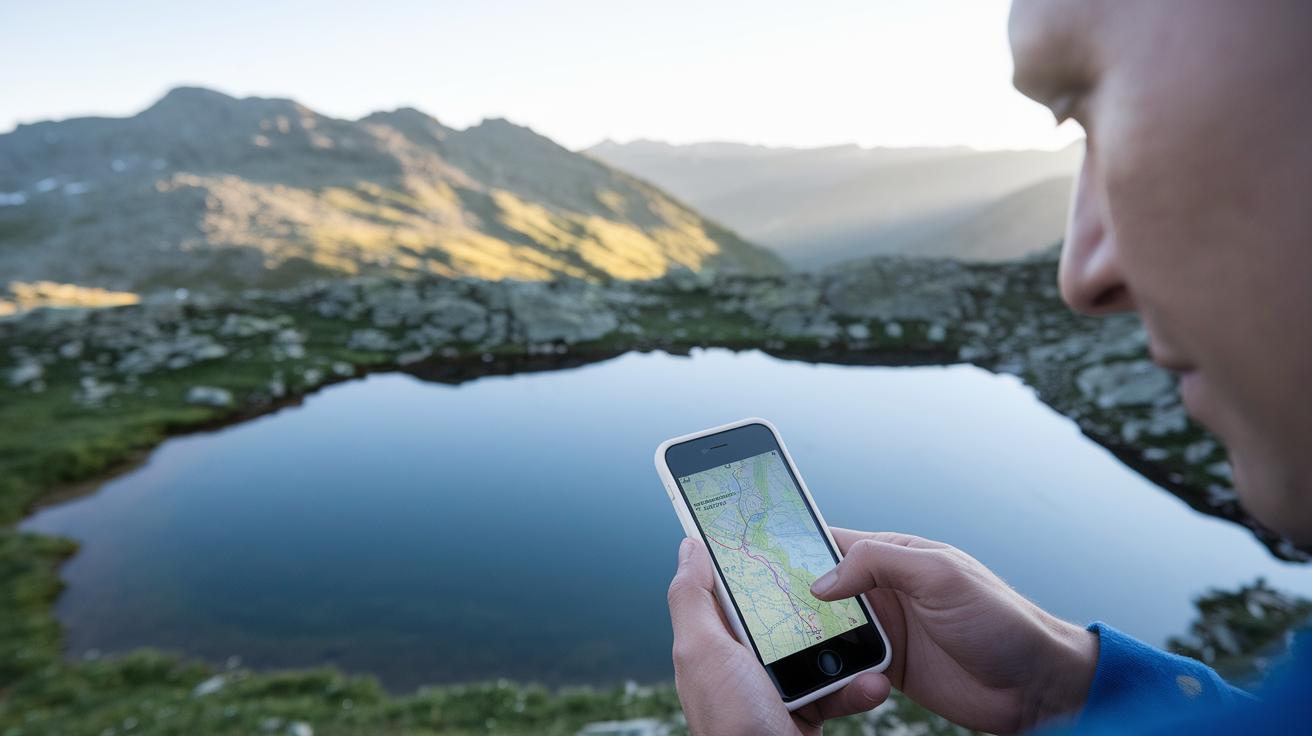
When planning your alpine lake trip, good maps and GPS tools are as important as packing your gear. Many hikers rely on offline GPX tracks (map files your phone uses) when cell service is out in the backcountry. You can also use USGS topo maps (showing hills and valleys) to check the trail’s steep parts and get a clear picture of the land. These maps help you spot tricky spots like steep climbs or narrow ridges.
Using digital waypoints (markers on your digital map) can be very handy too. They let you mark permit checkpoints, water stops, and rest areas along the way. For example, many seasoned hikers load a GPX track into a trusted gps hiking app so they stay on the right path if conditions change.
Before you set out, take a look at the elevation profile (a simple graph that shows how the trail rises and falls). It tells you where the trail is flat for breaks and where it gets steep so you can pace yourself. Some hikers even use a dedicated backcountry navigator that combines both digital maps and paper maps for extra confidence.
With these tools in hand, you can easily track your progress, avoid missed turns, and adjust your plans as the mountain conditions shift. Enjoy your trip and stay safe out there!
Seasonal Weather Patterns and Alpine Lake Safety
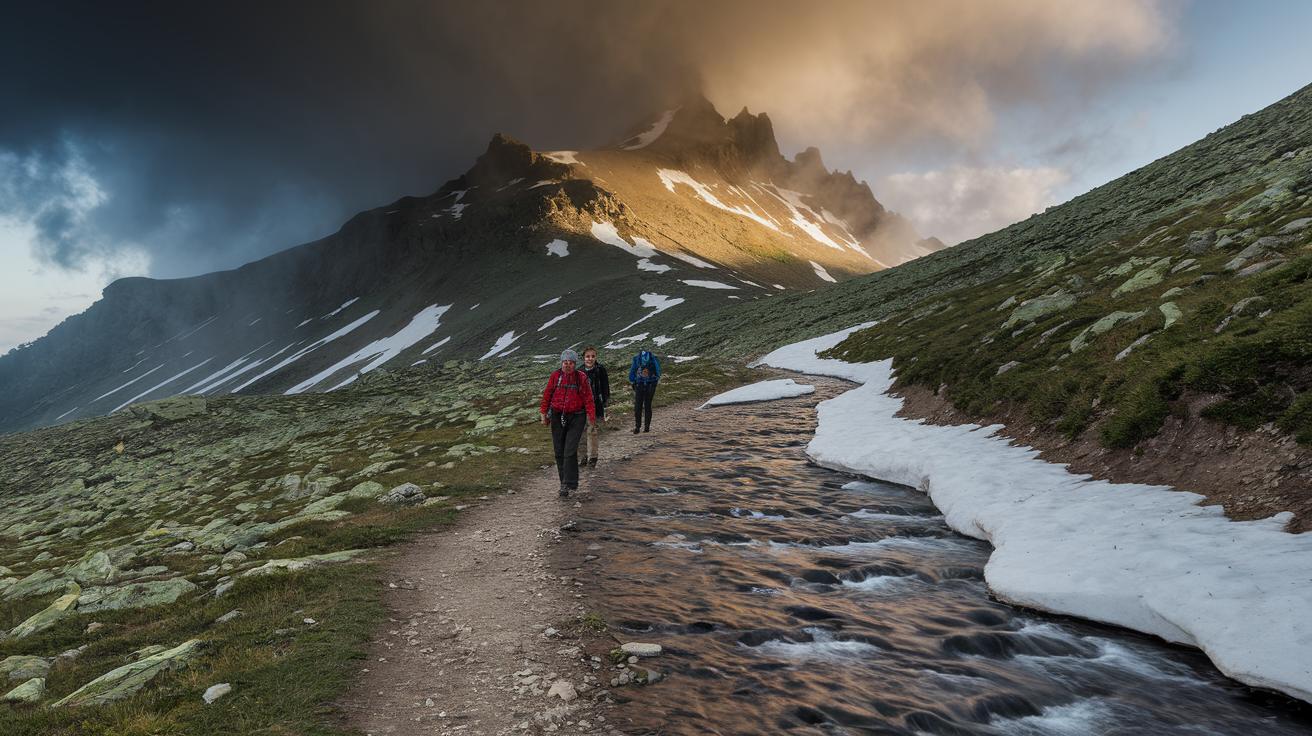
High up in the mountains, the weather can change fast. In summer, clear mornings quickly turn to stormy afternoons with lightning, so stay alert. Early in the day, when it’s clear, the temperature can be as cold as -4°C (25°F). By afternoon, it may warm up to about 24°C (75°F), which can make the weather unpredictable.
In spring, melting snow feeds the streams, and water levels can rise suddenly. This fast flow means parts of the trail may become dangerous with little warning. It helps to watch the water closely and be ready for any quick changes.
In winter, ice on alpine lakes does not stay the same everywhere. Always check if the ice is safe before you walk on it, even if it looks strong nearby. From mid-July to early September, trails tend to be more stable, making it safer to enjoy the high-altitude landscapes.
Ecology and Conservation of Alpine Lake Environments
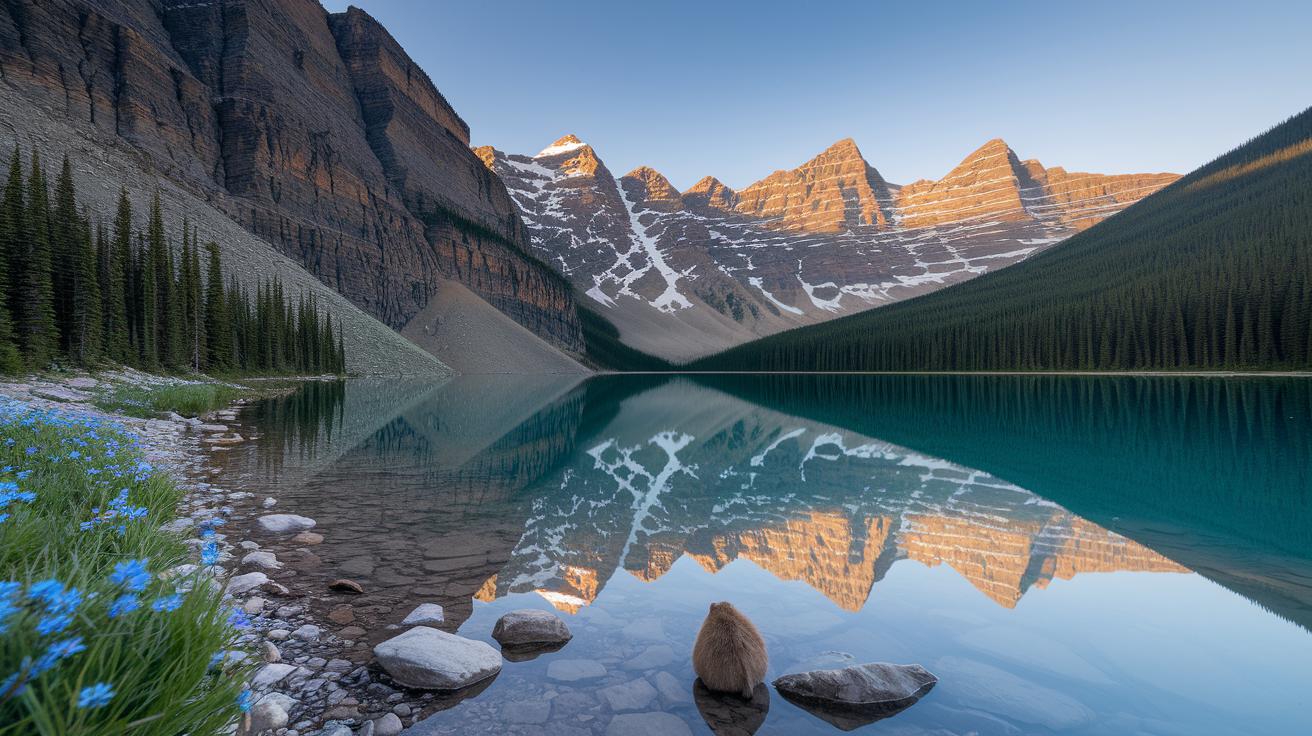
Alpine lake shores host special plants like the alpine forget-me-not and wildlife such as pika and marmots. These areas are delicate and need careful treatment. Many mountain regions ask us to keep numbers small and limit campfires. Water tests help keep the lakes clean and cold by stopping extra nutrients and algae.
Low-impact practices are key in these high areas. Local rules, like no-wake zones, help protect the fragile lakebanks and keep things peaceful. By sticking to these simple rules, we let the clear waters and unique wildlife thrive. This care means everyone can enjoy the magic of the mountains while keeping the natural balance safe for the future.
Final Words
In the action, we explored what makes an alpine lake special. We broke down its definition, pointed out top places to visit, shared tips for capturing breathtaking photos, and outlined essential gear and safety checks. We also looked at mapping tools, weather guidelines, and eco-friendly practices to protect our high-country waters. Enjoy the fresh mountain air and clear water views as you plan your next trip. Every step taken with care turns a simple hike into a rewarding mountain memory.
FAQ
What is considered an alpine lake?
An alpine lake is a high-altitude waterbody found near or above the treeline, usually above 5,000 ft. It is primarily fed by glacial melt and snow runoff and is known for its clear, cold water.
Are alpine lakes safe to swim in?
Alpine lakes are naturally cold and conditions can change suddenly. Swimming is possible but best suited for those comfortable with chilly, variable water temperatures and prepared for high-altitude conditions.
Can you swim in Lake Alpine, CA?
Swimming in Lake Alpine, CA, can be done but expect cold water and seasonal variations. It is wise to consult local guidelines and current conditions before taking a swim.
Where are alpine lakes found in the US?
Alpine lakes in the US appear in states like West Virginia, Washington, Colorado, Utah, Maryland, and California. Each site offers unique scenery and a taste of high-country wonder.
What do resorts and lodges near alpine lakes offer?
Resorts such as Alpine Lake Resort, Stonewall Resort, LakeFront Lodge, The Greenbrier, Lakeview Golf Resort, and ACE Adventure Resort provide comfortable lodging, access to outdoor activities like hiking and rafting, and a taste of mountain hospitality.
What are alpine lake photos known for?
Alpine lake photos capture clear, icy waters, vibrant reflections of peaks, and dramatic mountain skies. They highlight the natural beauty and tranquility that define these high-altitude settings.