


Have you ever wondered what happens to your gear after you leave the trail? Eco-friendly gear lets nature do the work. These products break down on their own, leaving little waste behind. Imagine a tent or backpack that returns to nature without harming it.
Using gear made from recycled or natural materials helps keep our trails safe and clean. It cuts down on toxic waste and protects our land for everyone. Enjoy the trail knowing you are leaving a lighter footprint on our precious outdoors.
Biodegradable Hiking Products: Key Benefits and Principles
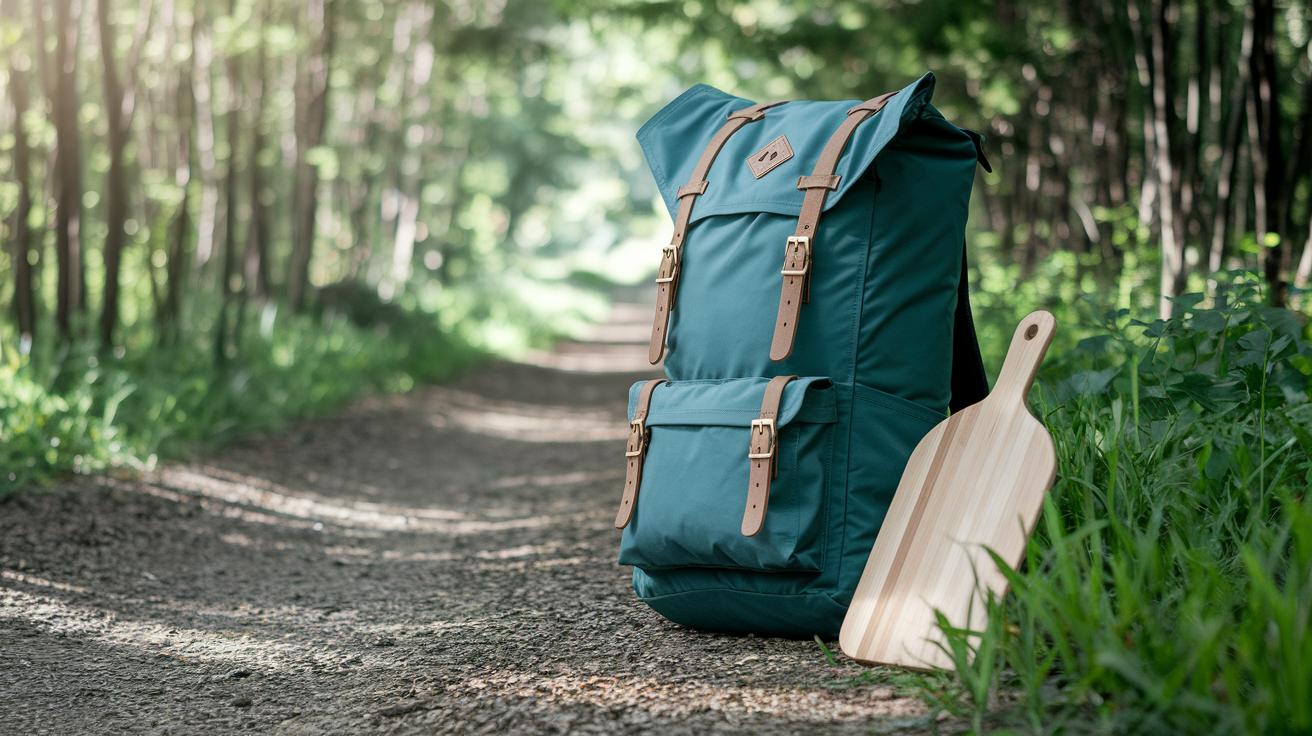
Biodegradable hiking products break down naturally so they leave little waste behind. They are made from materials that fade into nature without harmful leftovers. Imagine your gear slowly blending back into the earth after your adventure.
These eco-friendly items use recycled or natural materials. Think of biodegradable cutting boards, tents, or backpacks. They are built to use fewer resources during making and to fade away after use, keeping our trails clean.
When choosing eco-safe gear, look for environmental certifications like GOTS, OEKO-TEX, or EN 13432. These marks show that the product is made with care and will break down the way nature intends. It gives you confidence that your gear is safe for the environment.
Using biodegradable products means less long-term harm to our earth. They lower toxic waste and help save natural resources. This approach supports a mix of great performance and a greener footprint.
Green adventure tools set the standard for sustainable outdoor gear. If you want your hike to respect the land, picking items that return harmlessly to nature really makes a difference.
Compostable Camping Utensils & Biodegradable Cookware
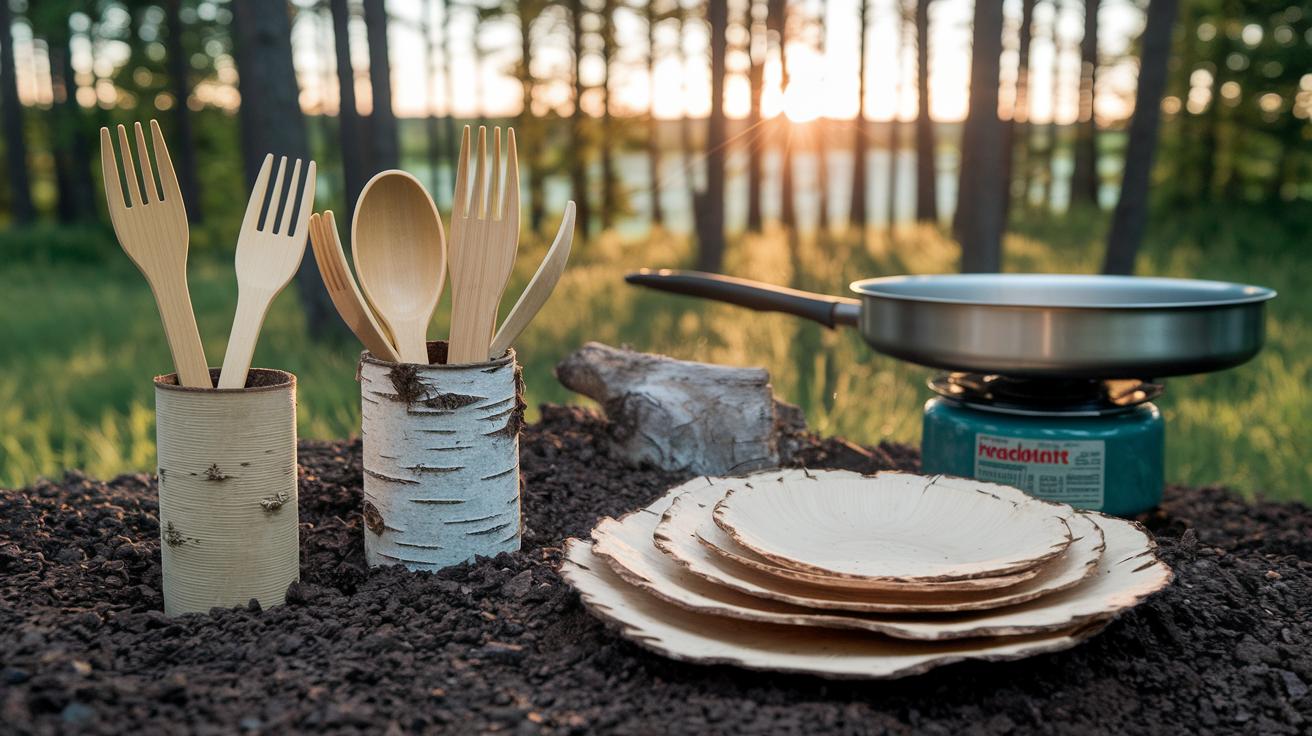
Enjoy camping with gear that cares for nature. Using compostable utensils and biodegradable cookware makes your trip cleaner and kinder to the earth. Bamboo forks, cornstarch spoons, and birch-bark plates break down in soil in just a few months. Imagine using a fork that simply returns to the soil after your meal. Renewable cutlery from wood composites or plant-based polymers gives you the ease of single use without leaving behind plastic waste.
Cookware made from recycled aluminum or titanium is light and built to last. Titanium pans work great on camp stoves. They may even lighten as they wear, unlike typical plastic gear. Compostable cups and plates are a smart swap for plastic, keeping your campsite free from long-lasting trash.
| Material | Biodegradation Timeline | Approximate Price |
|---|---|---|
| Bamboo | 3-6 months | $5 – $10 |
| Cornstarch | 2-4 months | $3 – $7 |
| Birch-bark | 4-8 months | $8 – $12 |
| Recycled Aluminum Cookware | Long lifecycle* | $30 – $60 |
| Titanium Cookware | Long lifecycle* | $50 – $80 |
*Metal cookware is built for lasting use. When you recycle it properly, its end-of-life impact is kept to a minimum.
Biodegradable Trail Footwear & Apparel Options

Many hiking brands now use recycled rubber, vegan leather, and natural fibers to make trail shoes. These materials lower plastic waste when the shoes reach the end of their life. Some shoes even have soles made with plant-based resins that break down when composted. Imagine shoes that slowly return to nature after years on the trail – a real eco-adventure.
Hiking clothes are getting greener too. Many brands make apparel from organic cotton, bamboo, or merino wool (a soft, natural wool). This gear helps keep you dry by wicking moisture and naturally fighting odor-causing bacteria. Using natural dyes and zero-emission methods, these clothes have a lower carbon footprint. They are comfortable for long treks and kind to the environment.
| Eco-Friendly Gear | Key Benefits |
|---|---|
| Trail Footwear |
|
| Hiking Apparel |
|
Even if biodegradable gear might not last as long as traditional options, it mixes good performance with respect for nature. Every step you take in eco-friendly gear helps keep our trails clean and the planet healthy. Choosing these products means you hike safe and leave a light footprint.
Biodegradable Trail Hygiene & Personal Care Essentials
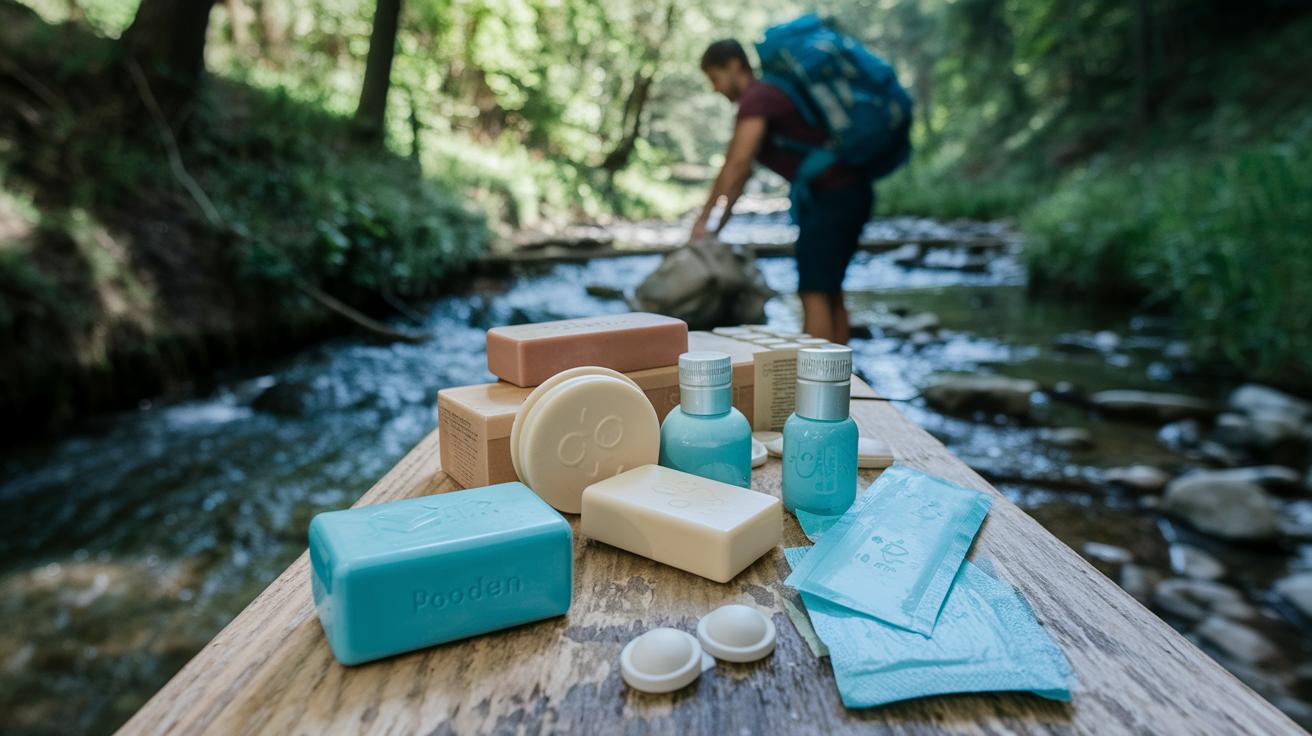
Biodegradable soaps, shampoo bars, and toothpaste tablets break down in water without leaving harmful traces. They are made from natural ingredients that mix back into the environment. That means you can clean up without worrying about polluting the streams and lakes along your trail. Imagine washing with a soap that simply disappears into clear water, leaving nature just as you found it.
Plant-based wipes and sanitizers help you clean your gear and skin without using toxic chemicals. They work like a gentle scrub, whisking away dirt and germs with nature’s own ingredients. Compostable snack wraps, whether made from cellulose or beeswax, are a smart swap for single-use plastics. This way, you can enjoy your trail snacks without creating waste. There are even non-toxic repair tapes that use water-based glue so if you lose them off-trail, they break down naturally.
Always pack out any leftover waste. Follow leave no trace guidelines for eco-friendly hiking (https://hike2hut.com?p=183) to make sure you keep the land clean. Try these biodegradable personal care items to keep your hike simple and the outdoors green and clean.
Biodegradable Camping Gear & Backpack Accessories

Eco-friendly hydration bottles made from stainless steel or glass come with compostable caps that cut down on single-use plastic. They can keep your drinks cold for up to 145 hours, so you stay refreshed on long hikes without harming the planet. Think of it like carrying a cool trick that vanishes safely when you're done, leaving no waste behind.
Backpacks made from recycled fabrics with recyclable buckles are another smart choice. They give new life to old materials, reducing landfill waste. Every time you clip on your gear, you're making a green choice that helps nature.
Tents created from bio-polymer fabrics meet strict composting standards. This means that when the tent reaches the end of its life, it breaks down naturally and harmlessly returns to the earth. You can pair it with natural-insulation sleeping bags filled with kapok or recycled wool, which decompose more cleanly than synthetic ones and keep you warm under a starlit sky.
Plant-based sunscreen sticks also make the cut. They are designed to break down or compost without leaving microplastics in nature, protecting both your skin and nearby natural pools. Every piece of this gear is built with low-impact disposal and recyclability in mind.
Green adventure tools and sustainable campfire accessories round out the collection. From hydration bottles to backpack parts, each item supports a cleaner trail and a lighter footprint. Choose these eco-safe camping accessories to enjoy your outdoor adventures with a cleaner conscience.
Responsible Trail Practices with Biodegradable Hiking Products

Always take your trash with you, even if you use biodegradable bags. Remember the Leave No Trace rule: everything you bring in should leave with you. For example, if you finish a snack, keep the wrapper and pack it out or drop it off in a waste bin.
When you need to go, dig a small hole at least 60 meters (200 feet) away from water, trails, and campsites. You can use a natural decomposition kit (a simple set to help waste break down) for toilet needs. One hiker said, "I once dug a small hole with my portable trowel. It felt good to help protect the water ahead."
Fire care is just as important. Use firewood that comes from sustainable sources, biodegradable firestarters, or even a solar cooker when you can. These choices cut down on smoke and harmful leftovers in pitfires or while cooking.
Keep an eye on how your gear breaks down. Many makers now share how quickly their biodegradable details decay. Checking these facts can help you pick products that truly return to nature harmlessly.
- Carry out trash in biodegradable bags.
- Bury human waste at least 60 meters (200 feet) from water using natural decomposition kits.
- Opt for sustainable firewood, biodegradable firestarters, or solar cookers.
- Check the maker's decomposition info to see the real-world impact.
Final Words
In the action, we walked through eco-friendly camping gear, compostable cookware, and sustainable trail supplies while highlighting simple ways to tread lightly in the mountains.
Short tips on trail hygiene and responsible waste management offer clear steps for safe hut-to-hut trips.
Clear guidelines and certification criteria help build trust in your gear choices.
Embrace smart, low-impact practices and enjoy the adventure confidently with biodegradable hiking products.
FAQ
What are the best biodegradable hiking products and brands?
The best biodegradable hiking products and brands include gear made from sustainable, naturally degrading materials. Look for products with certifications like GOTS, OEKO-TEX, or EN 13432 to ensure low-impact disposal on trails.
What eco friendly bamboo products and dinnerware options are available?
The eco friendly bamboo products and dinnerware available include sustainable utensils, plates, and accessories made in the USA. These items are designed to break down naturally while reducing waste and environmental impact.
What material is 100% biodegradable?
The material that is 100% biodegradable depends on conditions. Organic materials such as cotton, bamboo, and plant-based polymers can fully decompose in compost or soil when certified by recognized standards.
What do hikers use for toilet paper?
The approach hikers use for toilet paper involves biodegradable paper products or natural alternatives that are designed to break down in nature, following safe practices and Leave No Trace guidelines.
Is hiking eco-friendly?
The practice of hiking is eco-friendly when you choose sustainable gear, biodegradable supplies, and follow Leave No Trace practices. This helps reduce your environmental footprint while enjoying nature.
Which outdoor brand is the most sustainable?
The outdoor brand deemed most sustainable varies with each product line. Look for brands that use certified eco-friendly materials and transparent production methods to support truly sustainable outdoor gear.