


Have you ever thought your hut trip could help protect the mountains? Eco Joy shows that even small choices can support local conservation and give a boost to nearby businesses. Taking the train instead of flying and choosing huts powered by solar panels might seem like minor steps, but they really add up. In this guide, we explain how little changes — like bringing your own cutlery and water bottle — can reduce your carbon footprint. Every trek is a chance to care for nature and support the local community.
Sustainable Hut Circuit Travel Practices: Eco Joy
Every step you take on a hut circuit can help protect the mountains and support local communities. Traveling sustainably means doing things in a way that harms nature less while boosting local conservation and businesses. For example, try taking a train instead of a short flight. Enjoy the slow journey, watch small towns roll by, and lower your carbon footprint. Staying at huts that use solar power and collect rainwater also helps ease the pressure on local resources. When you choose these lodgings, you are backing places that care about saving energy and water.
Small choices add up. Bring a refillable bottle and your own cutlery. Local restaurants and cafés run by families often offer meals made with fresh, nearby ingredients. This practice keeps money in the community and builds a friendly bond between visitors and locals.
Every decision matters, from picking easy-going trails to choosing eco-friendly stays and regional food. When you follow simple green tips and leave a small footprint, climate-smart tourism takes the lead. Enjoy a hut-to-hut trip that not only gives you unforgettable moments but also respects the natural world.
Low-Impact Itinerary Design for Sustainable Hut Circuits

Plan your route carefully to cut down on extra carbon emissions. A loop of 80–160 km (50–100 mi) divided into six parts gives you a good mix of hiking days (15–20 km/day) and rest stops. This way, you lower your carbon footprint while giving your body time to relax and enjoy the trail.
Always bring your maps. Use a topo map (shows hills and valleys) for detailed trail information, check satellite images for a wider view, and carry a GPS device to stick to your plan. For instance, mark key spots like the John Gardner Pass, which is about 3120 m high. Knowing these points ahead helps you avoid wrong turns and saves time.
Pick the best time for your hike. Many alpine huts open from July to mid-September. In New Zealand, the best season for the Great Walks is from late October to April. In Patagonia, aim for November to March. The right season means fewer crowds and a lower impact on nature.
Plan your journey with these steps:
- Pick a circuit close to home to cut down on travel.
- Book huts that allow you to relax longer.
- Plan each day with a good mix of hiking and rest.
- Be ready for weather changes by keeping your start and stop points flexible.
Make your itinerary clear with a map and fixed checkpoints. This approach saves energy and creates a hike that respects nature and local communities.
Green Lodging Insights for Sustainable Hut Circuit Travel
Mountain huts offer more than a bed for the night. They give you a way to travel that leaves a light mark on nature. Most huts run from July through September, so you’ll need to book 6–9 months in advance. Many feature 20-bed dorms, shared baths, buffet breakfasts, multi-course dinners, and even packed lunches. One charming example is a hut that serves a hearty breakfast, planning ahead turns every meal into part of the adventure. Imagine waking up to a warm, filling breakfast after a cool mountain night.
Eco-campsites and glamping spots cut their water and energy use by 50–70% compared to regular hotels. These places use offgrid tips like solar panels, rainwater systems, and composting toilets to use fewer resources. They let you enjoy the great outdoors while keeping your environmental impact small.
Pick places that mix comfort with a plan that respects renewable resources. Whether you choose a traditional mountain hut with rustic charm or a modern eco-friendly lodge, you’re in for a mindful adventure. When planning your hut circuit, read the details carefully and book early so you don’t miss out. For extra tips on green stays, check out an eco-friendly hut-to-hut trekking guide.
- Look for solar-powered facilities
- Confirm water-saving and waste reduction features
- Book early and check guest reviews
Enjoy your journey knowing that every choice helps lessen your footprint.
Energy Saving Methods on Sustainable Hut Circuit Trips

We’ve blended energy-saving tips with smart practices for staying green on hut trips. Always pack a refillable water bottle and natural toiletries. When you’re not using your gadgets, let them rest so they can save battery for when you really need them, like for a GPS or an emergency call.
Many green huts now offer solar panels and solar-powered charging spots. At one hut we visited, they even kept track of energy use and advised guests to use LED headlamps and battery-friendly gear at night. One group even set up a foldable solar panel during a break so their devices were charged by evening.
Some huts add even more eco-friendly measures with energy-saving cooking tools and systems that reduce reliance on the local power grid. For example, one mountain refuge showed that guests could use a wind-up flashlight or a hand-crank charger when days are overcast.
- Turn off devices when not in use
- Charge devices with portable solar panels
- Switch to LED headlamps and energy-saving gear
- Try alternative chargers like wind-up or hand-crank models
Waste Minimization Tactics for Hut Circuit Travel
Always pack out every little bit of trash you make. The Leave No Trace rule means everything you bring in must go out with you. Keep a waterproof trash bag handy to collect scraps until you find a proper disposal point. When you shop or snack along the way, try to choose items that break down naturally to help ease landfill overflow.
Use biodegradable items like soap, wipes, and wrappers. These choices help protect the soil and water from harsh chemicals. It also pays to bring your own reusable cutlery, metal water bottles, and snack bags. This cuts down on disposable packaging and keeps your waste low.
Plan your waste management with these simple steps:
- Carry out every small piece of trash.
- Keep a waterproof trash bag for unexpected waste.
- Use biodegradable soap, wipes, and wrappers.
- Bring your own cutlery, metal water bottles, and reusable snack bags.
- Sort recyclables when you see recycling stations on the trail or wait until you return to town.
Avoid single-use packaging whenever possible. This not only keeps the mountain areas clean but also conserves our resources. By following these steps, your hut circuit trip becomes greener and shows respect for the beautiful natural areas we all enjoy.
Conservation and Local Community Support in Sustainable Hut Circuits
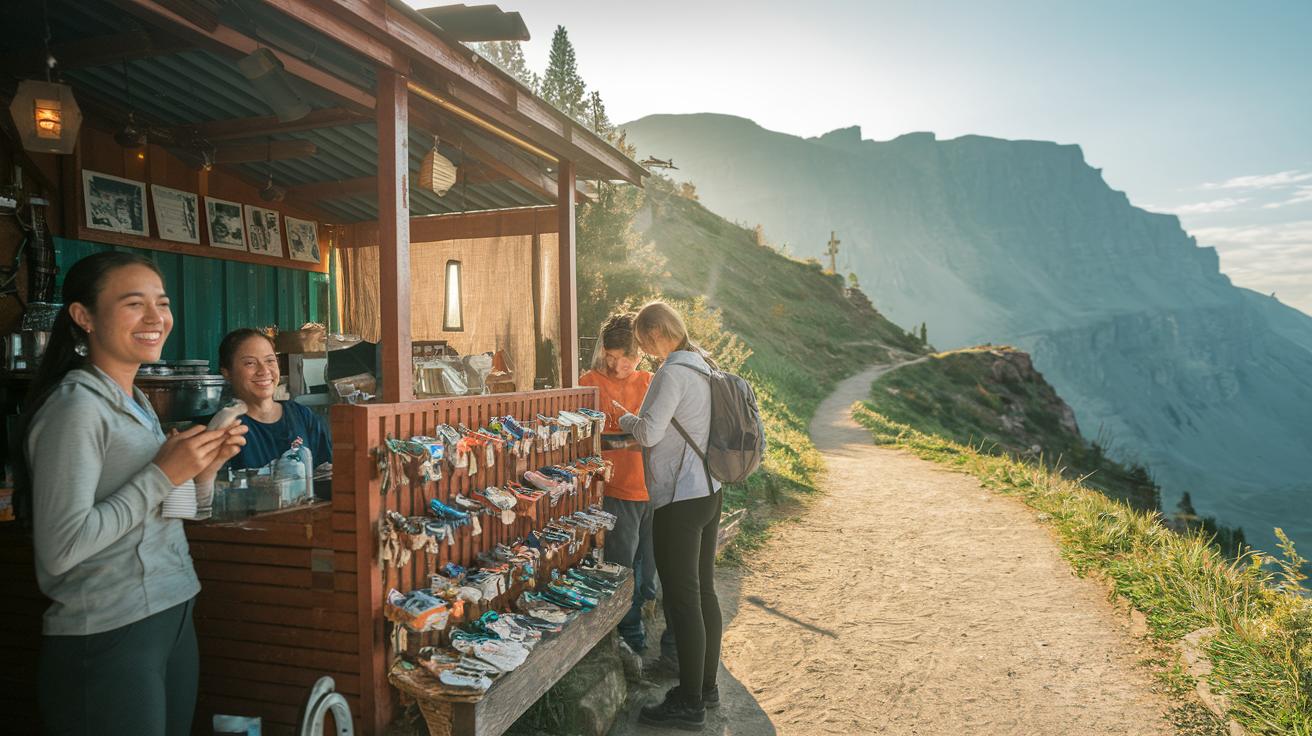
When you choose a small local café or a family-run shop along your route, you support both nature and local families. Enjoying a meal or buying a handcrafted souvenir helps keep money in the community while giving you an authentic taste of local life. Hiring guides from the area is also a great idea. They know the mountains well and can show you secret spots while ensuring your money benefits local livelihoods.
Join in local clean-up events near the huts whenever you can. Even an hour spent picking up litter on the trail makes a difference. Your effort helps preserve the trail and keeps our favorite mountain paths beautiful. You can also help by taking part in projects like tree planting or restoring peatlands and wetlands. These projects work to balance out the carbon emissions from your journey.
Every small action builds a cycle of care for our environment and local communities. For more ideas on how to support conservation on your hut trip, check out the expert guide to planning eco‐adventures. Your choices make a real impact on keeping trails safe, honoring local traditions, and building a greener future for mountain communities.
Digital Tools and Apps for Sustainable Hut Circuit Travel Practices
Digital tools can make your hut circuit trip simpler while keeping your footprint small. A topo map app with GPS and a built-in compass helps you follow trails even when you're off the grid. These apps show you the trail distance, elevation, and path details you need. Some even check your route carefully before you head out.
AI-based trail planners can tailor your hike so you cover just the right distances and elevation gains. They help you balance active walking with rest breaks to meet both your fitness goals and eco-friendly travel. Hut-booking platforms also take the stress out of reserving your spots. They let you lock in your place 6–9 months ahead and often send you a digital confirmation on the spot.
Explore further with tools like AI hiking planning tools for mountain travel and learn from experts with the expert guide to leveraging travel apps for smarter journeys. These digital solutions combine satellite images with live trail data, making your route safe, efficient, and sustainable. Embrace these modern aids for an eco-friendly and hassle-free mountain adventure.
Permits, Regulations, and Ethical Voyage Techniques for Sustainable Hut Circuits

Before you head out on your hut circuit, make sure you have all the permits and follow the local rules. Hut fees usually run between $30 and $70 per night, and park or hut-area permits cost about $10 to $25 per person. Take care of payments and any required forms 6 to 9 months ahead.
Local rules cover campfires, group limits, and encounters with wildlife. Stick to these guidelines to help protect nature and support responsible tourism.
Let the hut warden or local ranger know your planned route. This extra step boosts your safety and can help if trail conditions change or in an emergency.
Plan your journey with a clear checklist of documents and fees. Use the step-by-step advice from local ranger stations or hut offices to be sure everything is set. With careful planning, your hut circuit stays safe and kind to both nature and local culture.
Follow the rules for a worry-free mountain stay.
Final Words
In the action of your hut circuit, every choice counts. We covered route plotting using digital tools, green lodging options, energy-saving measures, and waste minimization tactics. Each tip helps support local communities and protect our mountain spaces. By embracing sustainable hut circuit travel practices, you keep your trip smooth and eco-friendly. Enjoy the clear trails, reliable huts, and the natural charm of each stop along your route. Every small decision makes your multi-day trek both safe and fulfilling.
FAQ
How to plan a hut trip?
Planning a hut trip involves choosing a route that suits your fitness level, booking huts in advance, and checking seasonal windows. Use topographic maps and GPS files for a secure route plan and stick to local guidelines.
What are the sustainable hiking practices on green trails?
Sustainable hiking practices include staying at huts powered by renewable energy, following Leave No Trace principles to minimize waste, and supporting local communities by choosing family-owned services and local artisans.