


Ever wonder how a bright morning can disappear so quickly? In the mountains, clear skies can turn to gray drizzle in minutes. This guide shows you how to check the local forecast and listen to advice from experienced hut wardens. We offer simple tips like building in extra time and picking safe routes on your hut circuit. Trust mountain weather updates over city forecasts to keep pace with fast changes. Ready to enjoy sunny, safe hiking even when the skies surprise you?
Hut Circuit Weather Planning Essentials

Weather in the mountains can change fast. A clear morning may quickly turn foggy or stormy. Even the best gear might not save you from a sudden downpour or thick mist. Experienced hikers have had to pause their trek when heavy mist made the path vanish. That is why checking mountain-specific forecasts is a must before you head out.
Trust local mountain weather services and national meteorological agencies for the best updates. City forecasts often miss quick drops in temperature and shifting winds at higher altitudes. Chat with hut wardens too. Their local insights can warn you when a brief calm might be the only chance to move between shelters.
Plan extra time into your schedule. Extra buffer days can help if you need to take shelter. Huts are safe spots when the weather turns harsh. Check the hut-to-hut hiking logistics guide to see how weather updates fit into your route. And use the online mountain hut booking system for flexible reservations if you need to change plans.
Always factor in the weather at every stage of your trip. Use several forecasts and local wisdom to plan a route that can handle quick shifts. And be ready to seek shelter when the weather takes a turn.
Hut Circuit: Selecting and Interpreting Mountain Weather Forecasts
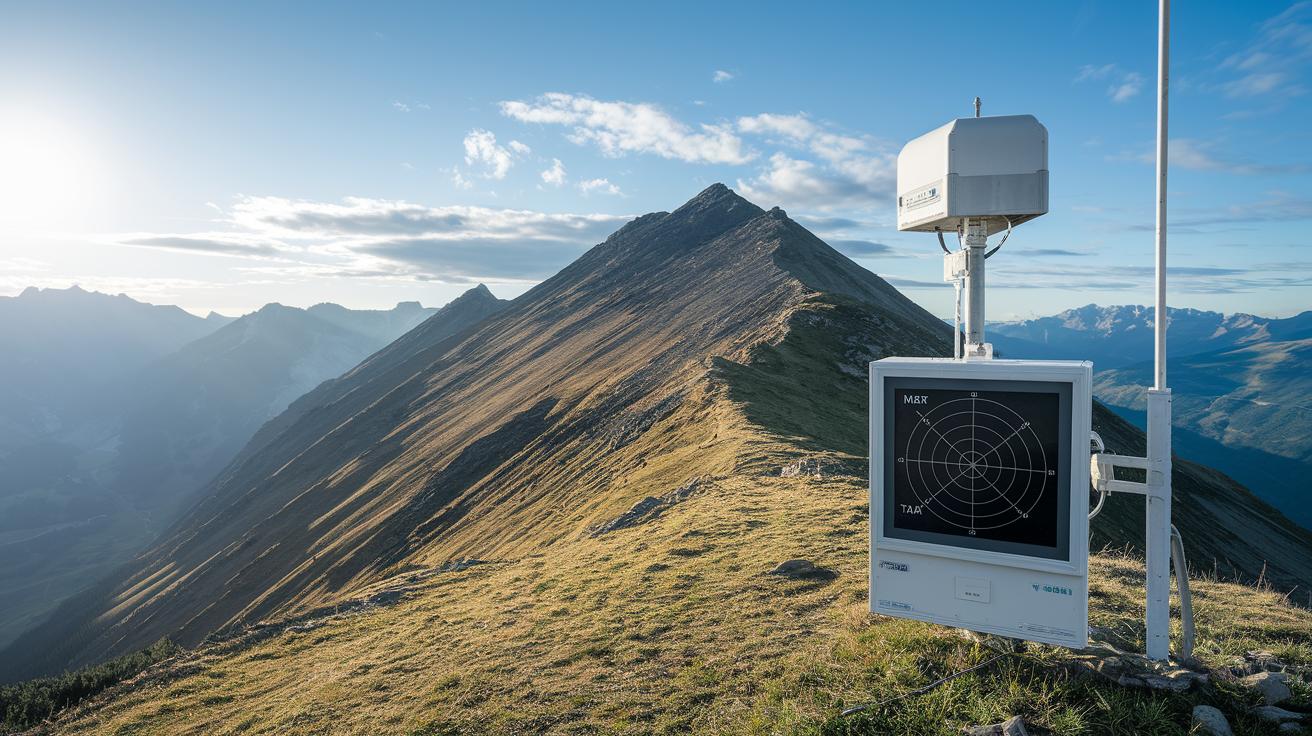
Start with a clear idea: local alpine weather services and national meteorological agencies give you the best forecasts. City or valley reports often miss the quick changes that happen up high. For example, a METAR (a routine weather report from an airport) might show wind gusts strong enough to shake up a ridge track. TAF (a detailed forecast of expected conditions) adds more insight.
Mountains tell their own story. Their height and the way they face the sun make a big difference. A sunny, south-facing slope may warm up fast, while a north-facing one can still hold snow. Wind also behaves differently up above the trees compared to sheltered valleys. We suggest checking at least two sources to catch these details.
Here are some tips:
- Use local forecasts specifically made for mountain areas.
- Check METAR and TAF reports to see what conditions to expect.
- Think about how changes in elevation will affect temperature, wind, and rain.
For instance, one TAF report showed a wind shift around midday. This change meant one side of the valley stayed dry because of a rain shadow. Knowing this could help you decide if you need to adjust your route or pace. By using these detailed forecasts, you can prepare for both clear skies and sudden weather changes, keeping your hut circuit safe and enjoyable.
Hut Circuit Seasonal Weather Patterns and Risks
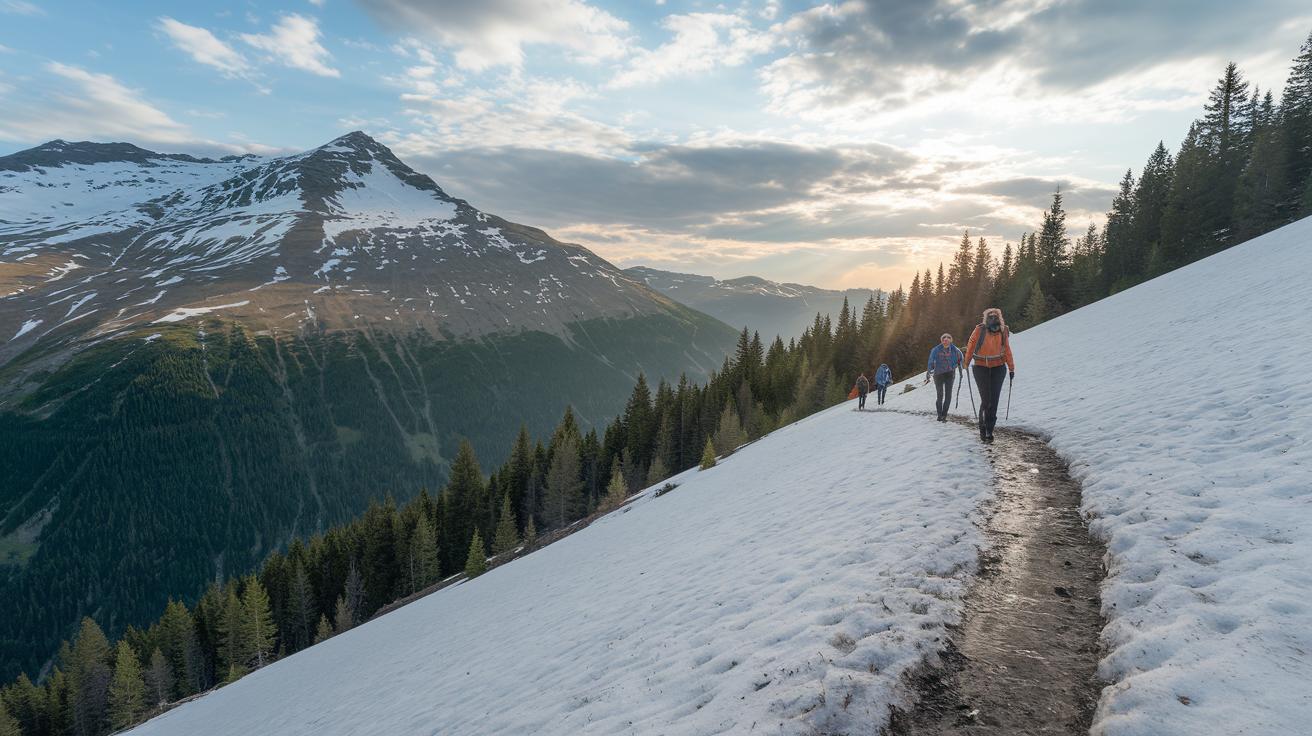
Spring can be tricky on hut circuits. North slopes may still have snow into June, so the trail may feel icy and slow your pace. You might need extra time to cover your planned distance, even if the path looks clear in the afternoon.
Summer brings its own challenges. Sudden afternoon thunderstorms can catch you far from shelter. The strong sun may also affect you, so it helps to take short, regular breaks under a tree or rock overhang to avoid heat stress.
Autumn is full of surprises. Mornings that start out clear can quickly bring rain or gusty winds that dampen the trail. You may even find early snows, even when the weather seems warm. This means being ready to adjust your plans is a must.
The best time to hit a hut circuit is from late June to late September. In July and August, huts usually have full services and routes are safer. Early September offers quieter paths, though you should be prepared for the chance of early snow.
Key tips for each season include:
- Extra care on snowy, icy slopes in spring.
- Being ready for sudden storms and taking sun protection breaks in summer.
- Staying flexible and stopping if rain or snow hits in autumn.
Hut Circuit Gear for Weather Adaptation

Planning a hut circuit means being ready for the mountain's surprises. Pack gear that works in bright sunshine and sudden rain or wind. The right items keep you safe and comfortable from start to finish.
Your essential gear list:
- Waterproof, breathable jacket with a warm mid-layer (for chilly gusts).
- Sturdy hiking boots that grip wet, uneven trails.
- A 30–40 L backpack that weighs under 8–10 kg so you won’t overexert yourself.
- Hut sleeping bags or liners to keep you warm when the temperature drops fast.
- Headlamps to light dark trails or illuminate your hut when the power is low.
- A basic first-aid kit to treat small cuts or scrapes on the trail.
- A backup power bank to keep your devices charged, even in cold weather.
Also bring extra warm layers and a rain poncho for quick shelter in a sudden storm. This gear setup lets you add or remove layers as the weather changes, ensuring you stay safe and comfy throughout your hike. Think of it as your personal toolkit that adjusts as fast as the mountain weather.
Hut Circuit Storm Contingency with Huts

Weather can change quickly in the mountains. When a storm comes in, your pre-booked huts become safe havens along your route. Mark these stops on your map so you can easily adjust your plan when the skies darken.
Before setting off, book your huts, especially during busy times. Plan to pause at a hut when clouds roll in so you can wait out the storm safely. This way, you can change your daily targets without risking the weather.
- Book huts well in advance.
- Plan mid-day stops along your route.
- Adjust your daily targets to stay safe.
Hut Circuit Emergency Weather Safety Protocols
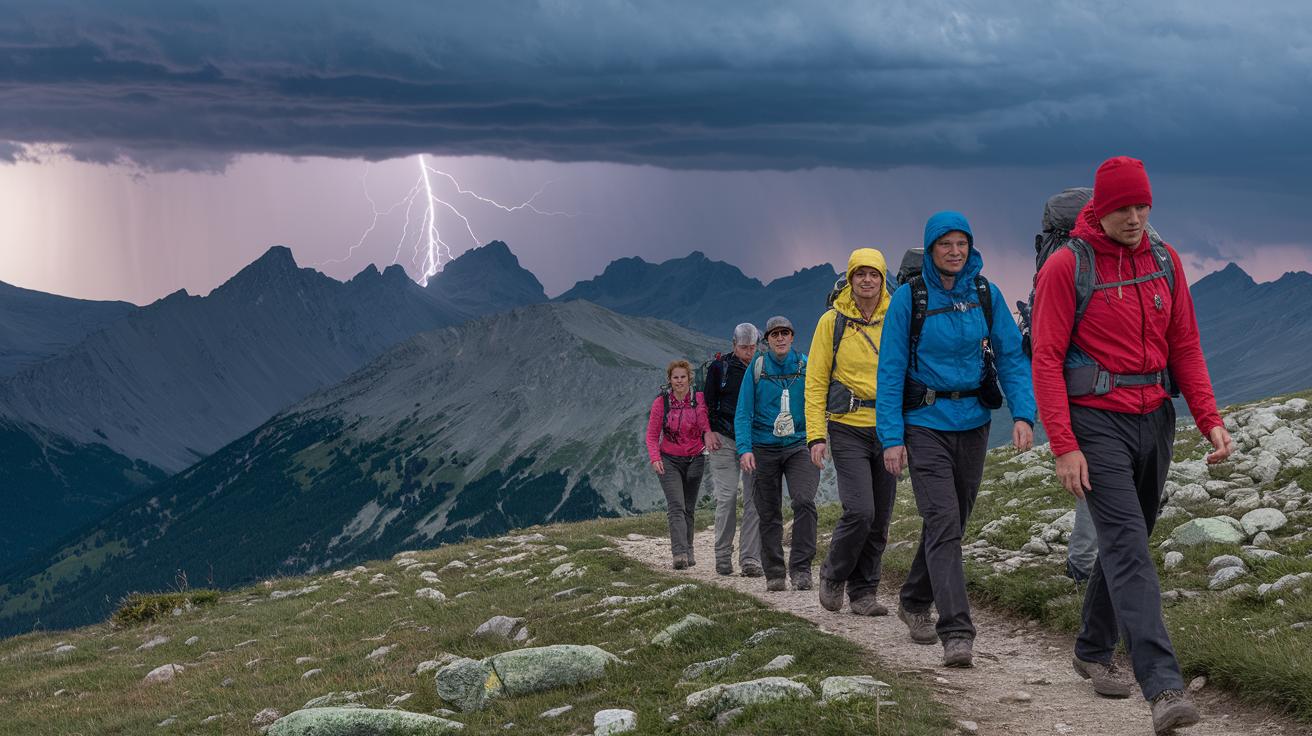
Mountain weather changes fast, so your safety comes first on a hut circuit. When you hear thunder, follow the 30/30 rule: if you see lightning and hear thunder 30 seconds or less later, you are within 10 km of danger. In that case, get indoors right away and wait at least 30 minutes after the last thunder clap before you move on. This simple rule helps protect you from sudden lightning strikes.
Before you head out, check your gear well. Make sure your phone is fully charged and bring a backup battery. Carry a whistle, it can help signal for help if needed. Stick with your group because staying together makes it easier to act fast if the weather turns sour. Agree on an evacuation path so everyone knows how to leave quickly and safely.
Key safety steps include:
- Apply the 30/30 rule for lightning safety.
- Wait 30 minutes after the last thunder before moving.
- Carry a fully charged phone, a backup battery, and a whistle.
- Stay together and follow your planned evacuation route.
In an emergency, remember that Europe's emergency number is 112. Clear communication and quick, coordinated action help keep everyone safe during harsh weather.
Hut Circuit Route Planning Adjustments Based on Weather

Plan your day by breaking it into clear, simple segments that match the weather and your fitness. If you’re new to hut circuits, aim for 10–15 km a day with about 500–800 m of climbing. Check elevation profiles early on so you know where the steep parts lie. For instance, the Seiser Alm circuit is 29.5 km long with a 1,311 m climb. That helps you spot the tougher parts in advance.
Split your trek into manageable pieces. The Rosengarten route is best done in 4 days (26.7 km with around 968 m climb), so you can slow down if the weather turns bad. For a shorter adventure, try the Drei Zinnen trek. It covers about 14.85 km over 2–3 days with a 671 m climb. Breaking the route up means you can take a break and check the weather when needed.
Stay safe by keeping your maps ready, even when you’re off the grid. Use an offline hiking app like the one at https://hike2hut.com?p=95 to view topo maps (maps that show hills and valleys). It’s a good idea to have a backup GPS app, too, in case sudden storms or fog force you to change your route.
Key steps include:
- Check elevation profiles to steer clear of very steep sections.
- Break your trail into short, flexible segments.
- Keep your trail maps handy both online and offline.
These weather-smart planning tips help you enjoy the scenery and keep your hut circuit safe under changing mountain conditions.
Final Words
In the action, we explored everything you need for safe, stress-free hut-to-hut hikes. We covered using accurate mountain forecasts, planning for seasonal shifts, and gearing up to face sudden weather changes.
This hut circuit weather planning guide shows you how to adjust routes, rely on local insights, and use huts as safe havens. We hope you feel ready and confident to enjoy your mountain adventure.
vidalista 40 tadalafil tablets
vidalista 40 tadalafil tablets
sildenafil cenforce 150
sildenafil cenforce 150
kamagra australia amazon
kamagra australia amazon
cialis 100mg picture
cialis 100mg picture
minoxidil shampoo mexico
minoxidil shampoo mexico
ketoconazole cream product overview
ketoconazole cream product overview
toradol pain mechanism
toradol pain mechanism
minoxidil onset performance
minoxidil onset performance
vardenafil 10 mg tablet
vardenafil 10 mg tablet
avanafil food interaction considerations
avanafil food interaction considerations
vardenafil vs sildenafil comparison info
vardenafil vs sildenafil comparison info
medical review board
medical review board
online safety insights
online safety insights
otitis media ear pain
otitis media ear pain
penicillin allergy swelling symptoms
penicillin allergy swelling symptoms
Tmax Peak
Tmax Peak
definition of sildenafil
definition of sildenafil
tadalafil as erectile dysfunction therapy
tadalafil as erectile dysfunction therapy