


Ever wonder if speeding too fast on a hut circuit might leave you drained before the day is done? Setting clear goals for each day helps you stay energized and enjoy every step. In this post, we share two ways to pace your multi-day trips. One option sticks to steady kilometer and climb targets, while the other lets you ease up if the weather turns rough or your legs get tired. These tips are here to help you have a safe, smart, and fun hut-to-hut adventure.
Essential Pacing Framework for Multi-Day Hut Circuits
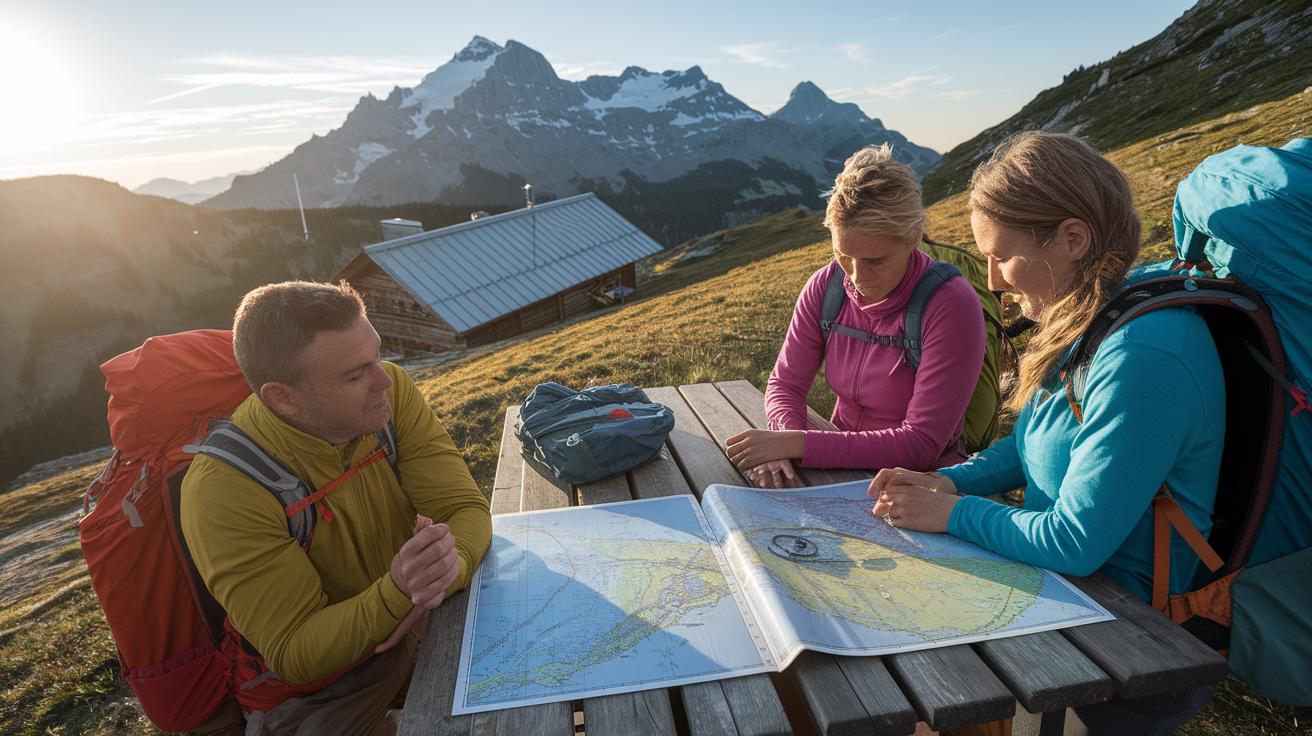
When planning your hut trip, setting a clear goal for each day makes all the difference. We recommend aiming for 10–15 km (6–9 mi) daily with around 500–800 m (1,640–2,625 ft) of climb. This lets you keep a steady pace, save energy, and avoid early tiredness. For example, start with a target of 12 km and 600 m of climb on Day 1 to ease into the circuit.
Flexibility matters, too. If the weather turns rough or you feel worn out, it's okay to shorten the day's stage. Many hikers build in a bit of extra time so that if strong wind or heavy rain slows progress, you can take a quick break or cut your goal by a couple of kilometers.
Staying well-hydrated is just as important. Pack enough water, around 1–2 L in a reservoir, and plan to stop at hut water sources or other refill spots. Taking a short break every 60–90 minutes to sip water not only boosts hydration but also gives your muscles a chance to recover.
Map your route with care to keep tired legs at bay. Use digital tools, paper maps, and a compass (a tool that helps you find direction) to confirm details like alternate hut options. This steady buildup keeps you within your endurance zone so you don't risk a "Did Not Finish" (DNF) situation.
Follow these simple pacing tips to keep your energy up and enjoy every step of your hut adventure.
Mapping Time Allocation in Multi-Day Hut Circuits
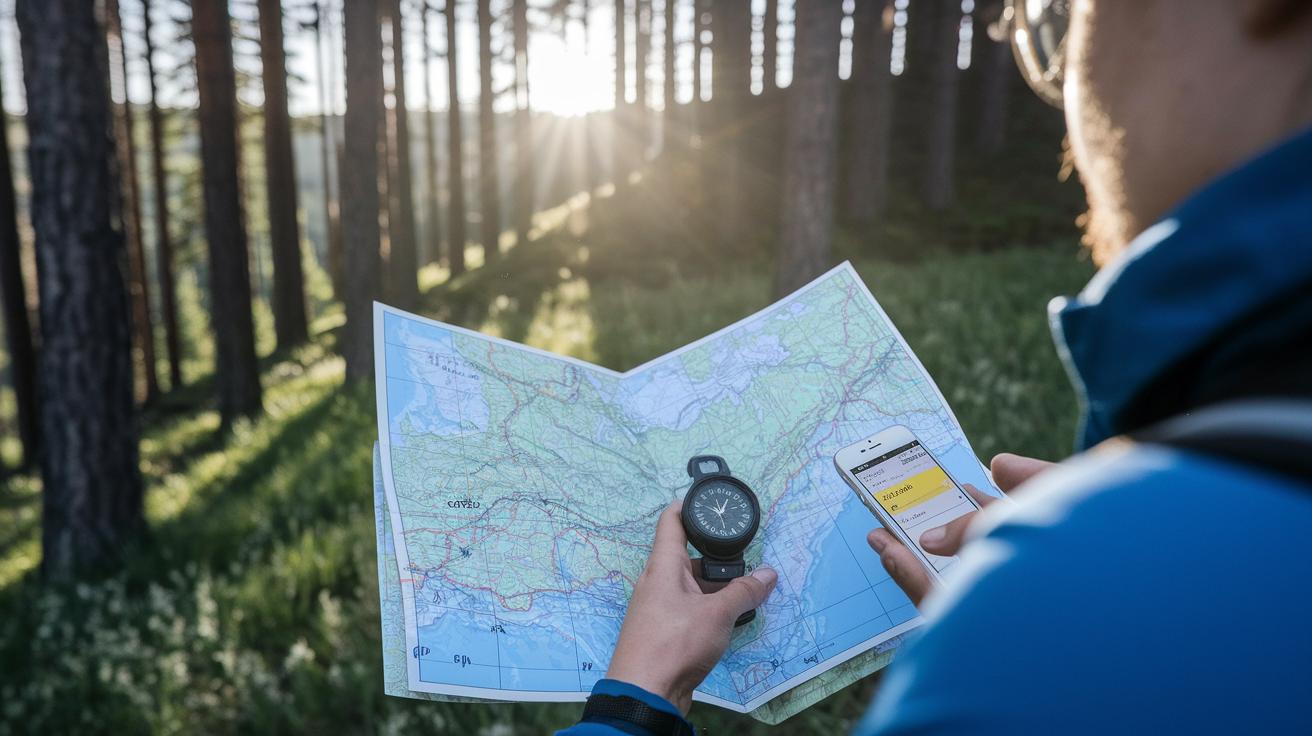
Mapping your progress on a hut circuit is essential for a smooth trip. Start by planning your route with a trusted mix of tools. Use a good topo map (shows hills and valleys), offline hiking apps like the gps hiking app (designed for trails), paper maps, and keep a compass handy as a backup. This way, if one tool lets you down, you still have others.
Plan each day around the hut stops. Book the huts in advance, whether you're hiking in busy July and August or the quieter September months, to lock in your plan. Try to aim for daily stages of about 10–15 km (6–9 mi) with an ascent of around 500–800 m (1,640–2,625 ft). For example, you might set a goal to cover 12 km with a 600 m climb on Day 1. This clear target is like following a well-marked T1–T2 trail (a simple hiking path).
Always keep an eye on the weather. Mountain weather can change fast, so check local forecasts frequently. Build in extra time for storms or gusty winds. When conditions change, it’s best to take extra breaks and adjust your route without stress.
For more tips on planning your route and booking huts, check out the hut-to-hut hiking logistics guide (https://hike2hut.com?p=260).
Energy Conservation and Nutrition Timing on Hut Circuits

Start saving your energy before you even hit the trail. Make sure your boots, backpack, and clothes are well tested on local walks. This helps you avoid discomfort and lets you focus on the journey ahead. A light pack can make a big difference. For beginners, we recommend keeping your pack to about 8–10 kg in a 30–40 L bag. This way, you carry less extra weight and can keep up a steady pace.
Feeding your body at the right time is just as important. Try to have a meal or a high-calorie snack every 45–60 minutes. For instance, pause for a minute to grab an energy bar or a handful of nuts. That little boost keeps your energy levels on track. When you're staying at a hut, the shared dinner is a great chance to fuel up with extra carbs. Many hikers choose hearty dishes like Kaiserschmarrn to store up energy for the next climb.
An early breakfast in the hut sets you up well for a morning ascent. Keep it simple: a mix of proteins, carbohydrates, and healthy fats will power you through without leaving you feeling weighed down.
Quick tips:
- Test and break in your gear on local walks.
- Keep your pack light to save energy.
- Eat small, frequent meals and snacks along the way.
- Use hut meals as a chance to recharge for the next stage.
Hydration and Recovery Scheduling for Extended Hut Treks
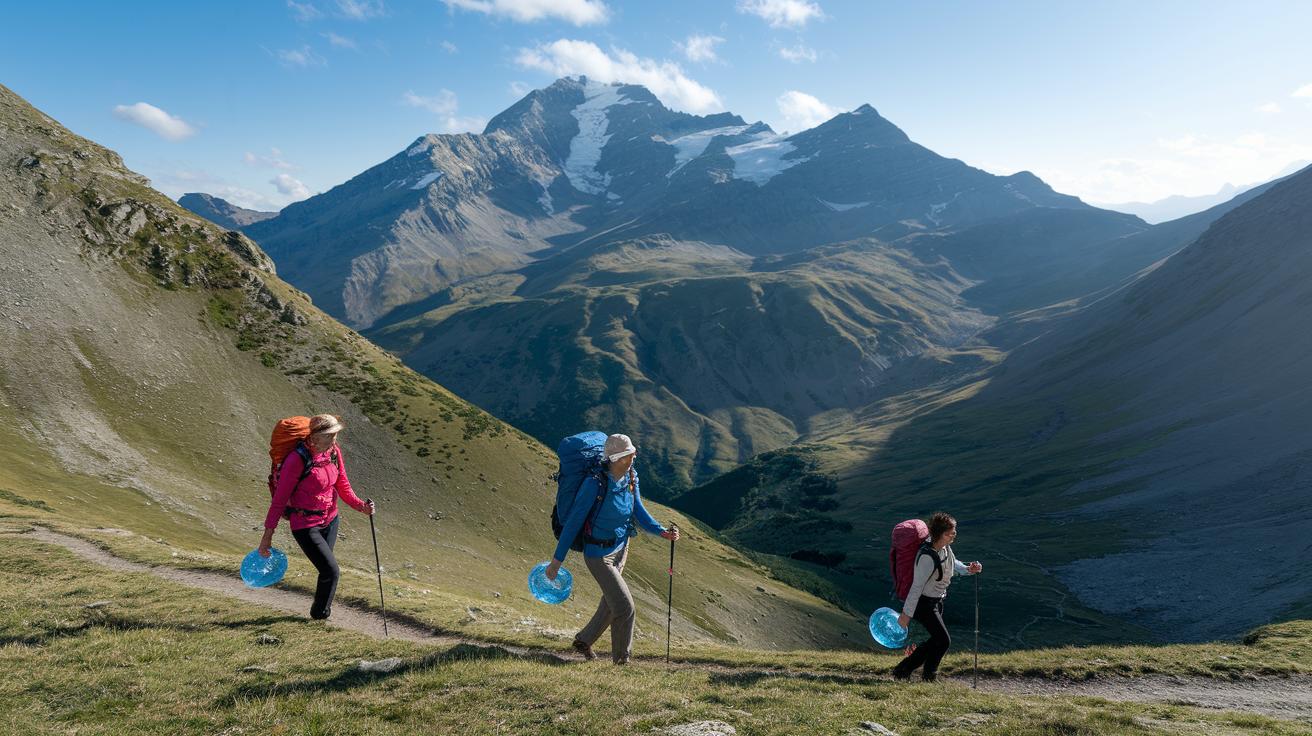
Each day on a hut circuit, pack a 1–2 liter water bottle and know where you can treat water at the huts. Staying well hydrated is key when you face steep climbs and mixed terrain. A steady water supply keeps your energy up and helps your muscles feel less tired.
Take planned breaks every 60 to 90 minutes. For instance, stop for a quick 5 to 10 minute break to drink up and grab a snack. After tougher segments, give yourself 20 to 30 minutes to stretch or simply relax and catch your breath. During these rests, do a few light stretches or some foam rolling to ease muscle tightness. If you feel stiff, try spending 2 to 3 minutes on calf and quad stretches. It helps keep your step smooth.
After 2 or 3 days of tough climbs, plan for an easier or full rest day. This mix of work and rest is important to avoid growing tired over time. Also, make sure you follow a hut sleeping schedule that lets your muscles recover deeply overnight.
Always be ready to tweak your breaks and water stops if the weather or trail conditions change. These small pauses help you keep up your endurance and save energy for the next part of your hut trek.
Interval Breaks and Speed Modulation on Alpine Hut Circuits

When you're hiking in the mountains, changing your pace can help you save energy and build endurance. On tricky or wet parts of the trail, slow down on purpose. Think of it like a long 100 km hike, easing your speed keeps you within a safe training zone and helps you avoid burnout on steep climbs or gentle descents.
One handy trick is to add short breaks, known as micro-intervals. For example, walk at a slower pace for 3 minutes and then stop to sit down for 1 minute so your muscles can recover. This simple routine works great, especially when you're facing strong winds or steep settings. In open areas, like near Mt. Washington where gusts can be very strong, taking it slow can really help. A good approach is: "Walk for 3 minutes, pause for 1 minute, repeat until the tough part is over."
Key tips to remember:
- Change your pace on steep or exposed spots.
- Use short breaks to keep fatigue at bay.
- Keep your movements steady during difficult sections.
These tips let you adjust your speed to match the weather and trail slope, saving energy and easing the strain on your legs during long alpine hikes.
Altitude Acclimatization and Fatigue Prevention on Multi-Day Hut Circuits
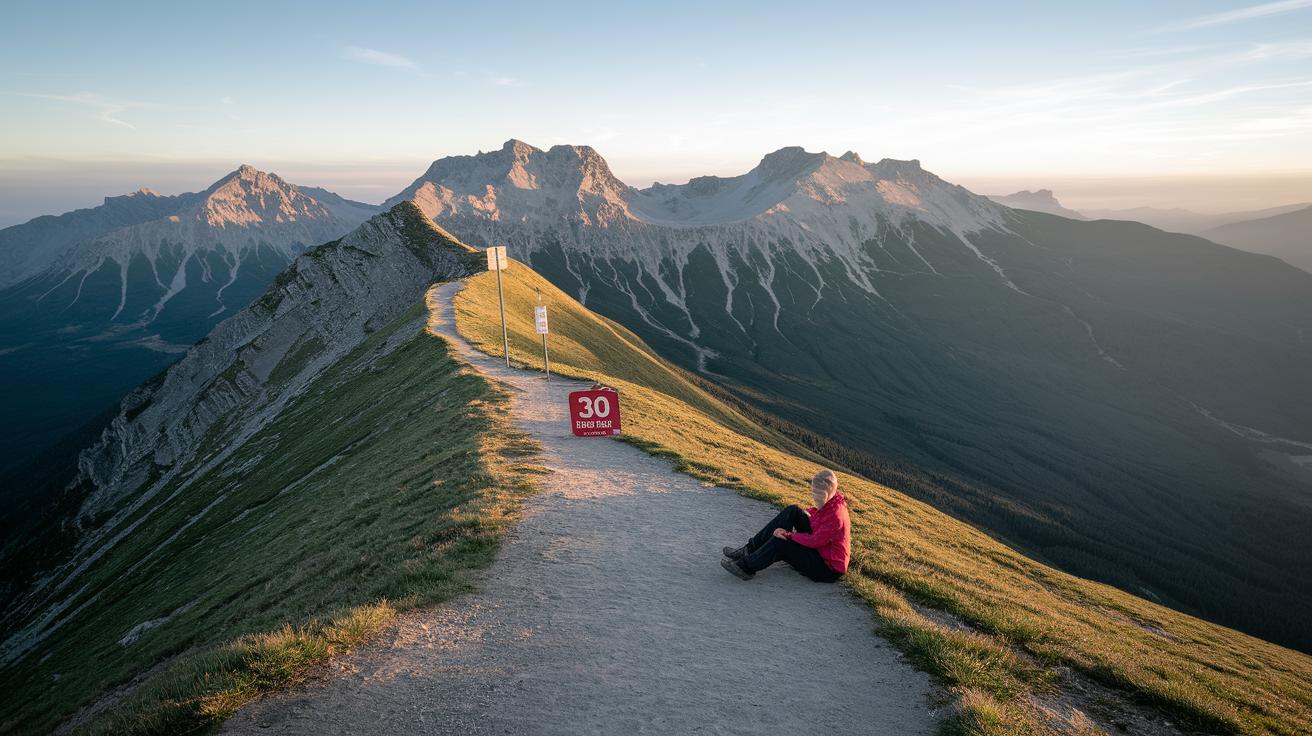
When you hike at high altitudes, aim to gain about 500 to 800 m each day. This gradual climb helps your body adjust and keeps early fatigue at bay. Watch for signs like uneven leg strength or heavy steps; they are little hints that you might be overdoing it. Keeping a steady pace with roughly 30 steps per minute on steep parts can really make a difference.
Plan regular rest days or choose routes that dip to lower altitudes so your muscles have time to recover. These breaks help your body adjust to the altitude and prevent too much tiredness. If you feel your pace drop or your balance off, take a short break to regroup.
Listen to your body and slow down at the first sign of discomfort. This approach helps you maintain energy and enjoy your hut circuit safely while building endurance over several days.
Weather, Risk Evaluation, and Adaptive Pacing in Hut Circuits

Before you set out each day, check the avalanche forecasts, storm warnings, and wind speeds. When the weather looks rough, be ready to switch things up. For example, if you see that the temperature is dropping quickly and the wind is picking up, slow down and think about a known shortcut instead of pushing ahead. This simple check saves you from dangerous spots.
It helps to keep safety in mind when planning your route. Bring several ways to navigate, like an app, a paper map, and a compass. These backups are your safety net. When the weather changes, be ready to adjust your pace. If a storm forces you to slow down, take it as a sign to save energy and drink more water.
Plan extra time for long hikes so you can handle delays from rain, wind, or sudden drops in temperature. Adding a little buffer to your schedule makes the day less stressful and helps prevent overexertion when the weather turns bad.
When booking mountain huts, keep your plans flexible. Reserve extra nights or know your alternative stops in advance. That way, if storm clouds roll in, you can stop in a hut where you have shelter and a chance to rest.
Always pack windproof layers. Plan your meals and snacks carefully to keep your energy up, and drink plenty of water. These tips help you adjust your pace safely during a hut circuit.
Final Words
In the action, you can set clear daily targets and flexible segments that keep your energy steady. The blog broke down pacing strategies for multi-day hut circuits, covering time allocation, hydration, nutrition, and recovery breaks. We walked through using smart route mapping and interval pacing to handle changes in weather and terrain. By planning manageable stages and keeping a steady pace, your hut-to-hut trek stays safe and rewarding. Enjoy every step, and may every mile bring you closer to a memorable mountain experience.
hello world
hello world
vidalista tablets side effects
vidalista tablets side effects
kamagra gelis kaina
kamagra gelis kaina
cialis generic order
cialis generic order
avanafil 100mg online
avanafil 100mg online
avanafil stendra 100mg
avanafil stendra 100mg
orlistat nursing teaching
orlistat nursing teaching
topamax dosage alcoholism
topamax dosage alcoholism
rogaine eyelash serum
rogaine eyelash serum
doxycycline side effects eye pressure
doxycycline side effects eye pressure
bupropion brands in india
bupropion brands in india
ketoconazole reference guide
ketoconazole reference guide
ivermectin strongyloides clinical effectiveness
ivermectin strongyloides clinical effectiveness
ivermectin kinetic profile
ivermectin kinetic profile
minoxidil elimination overview
minoxidil elimination overview
vardenafil 20 mg summary
vardenafil 20 mg summary
vardenafil 5 mg dose reference
vardenafil 5 mg dose reference
avanafil safe procurement notes
avanafil safe procurement notes
orlistat warning signs
orlistat warning signs
see the tadalafil guide
see the tadalafil guide
tadalafil vs sildenafil differences
tadalafil vs sildenafil differences
ClindaMedX
ClindaMedX