


Ever been caught in a sudden storm while trekking between huts? One moment, you're on track, and the next, dark clouds force you to change your plans. When the weather shifts, a quick route adjustment can lead you to safer paths and give you extra time to plan.
In this guide, we'll share simple tips to help you adapt on the fly. You'll learn how to check mountain weather forecasts, follow the 30/30 rule (if 30 minutes pass without a check, take another look), and keep the right gear close at hand.
Stay smart and safe so that even when the skies turn grey, your hut tour remains a memorable adventure.
Adapting Your Hut Circuit Itinerary for Inclement Weather
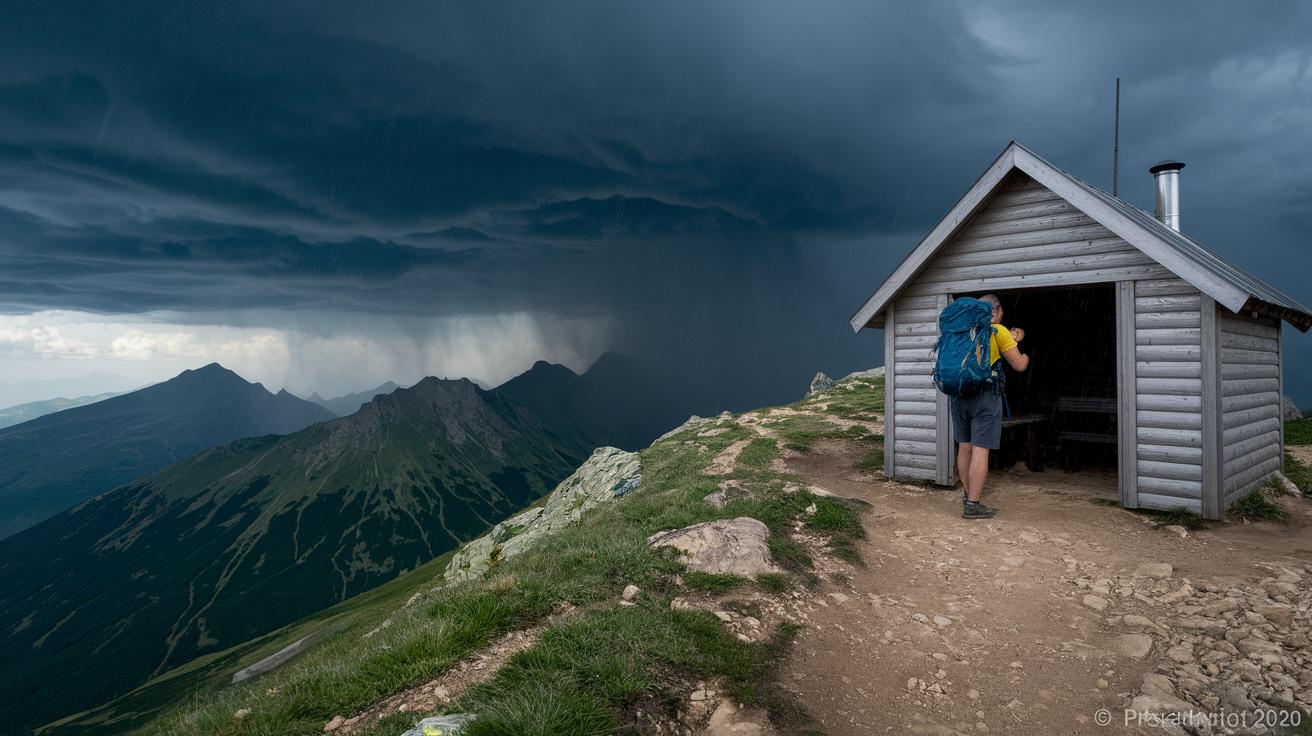
When the weather shifts suddenly, be prepared to change your hut route. Storms might force you to take longer paths with more natural cover or to wait out the storm in a hut. Always add extra time for each segment in case of unexpected delays.
Follow the simple 30/30 rule. If you see lightning and hear thunder within 30 seconds, head to shelter right away. Stay safe and only continue hiking at least 30 minutes after you hear the last thunderclap. Be sure to carry a fully charged phone, a power bank, and a whistle. If you’re in European mountains, remember to dial 112 in an emergency. For more safety tips, check our helpful hiking safety guide.
Here are a few quick changes to consider when the weather takes a turn:
- Check the forecast often.
- Choose a less exposed route.
- Let hut wardens know about your updated plans.
- Build extra time into your schedule for delays.
- Carry emergency gear suited for sudden weather changes.
For other route ideas and updates, have a look at our hut-to-hut hiking logistics guide. These tips can help you adjust your cabin tour plan during stormy weather by providing current trail conditions and safe stops. Safety comes first, so be ready to adapt your plan to keep your hut tour enjoyable and secure.
Checking Mountain-Focused Forecasts to Guide Hut Circuit Itinerary Adjustments
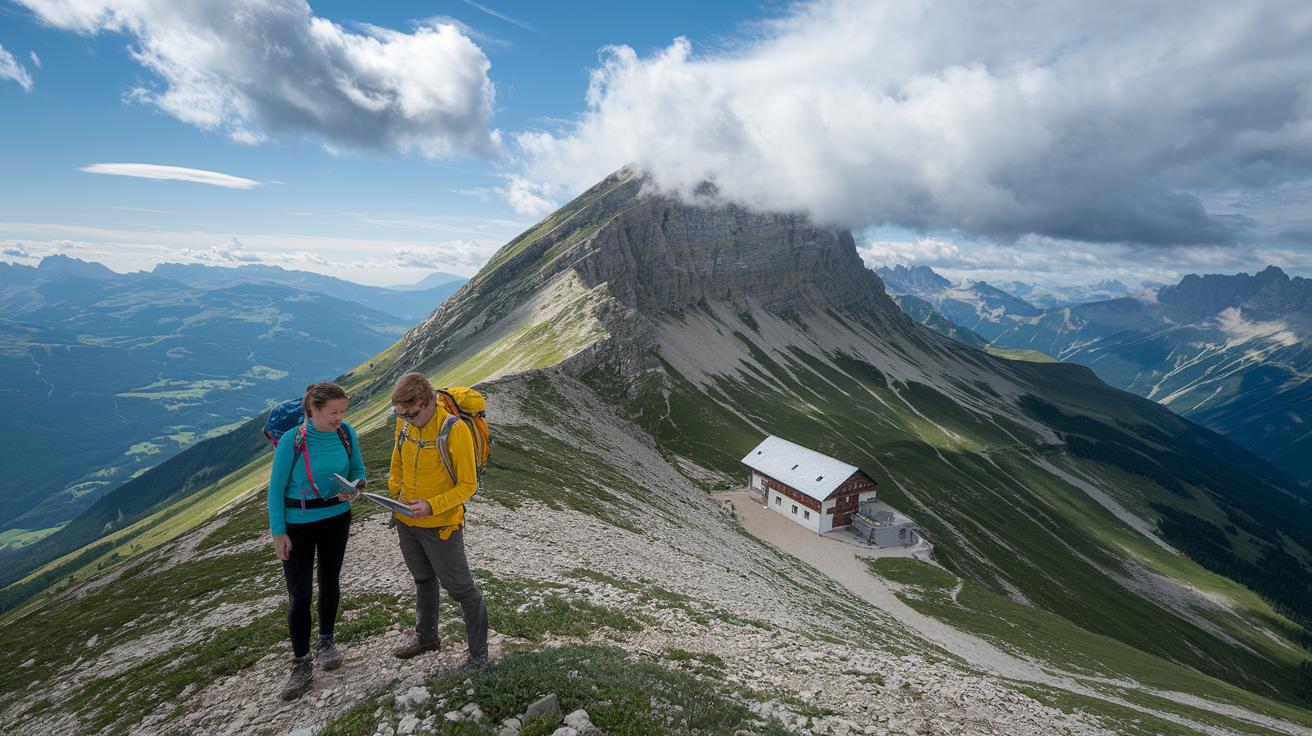
Mountain weather can change in a flash. City forecasts often miss sudden shifts above the treeline. Instead, get your info from mountain-specific sources like Alpenverein Bergwetter and yr.no. They give you the clear details that help you plan safely. If Alpenverein Bergwetter shows a high chance of late afternoon storms, finish your hike sooner or choose a route with shelter.
Local hut wardens also offer real-time insights. Call them to learn about any sudden weather changes near the huts. Their updates can help you adjust your plans when online reports seem mixed.
Before you set out each day, check at least two trusted sources. This gives you extra confidence in your plan. Keep this list in mind:
- Check Alpenverein Bergwetter.
- Check yr.no.
- Talk to a hut warden.
Taking these steps makes sure your hut circuit plan fits the real mountain conditions and keeps you safe on the trail.
Selecting Alternative Hut Circuit Routes Amid Adverse Weather

When storms roll in, pick routes that keep you tucked away from high, exposed ridges. Instead of climbing steep passes, opt for forest tracks or lower trails that naturally shield you from the weather. For example, on the Seiser Alm circuit you can shorten your route to 12 km with a 600 m climb instead of doing the full 29.5 km loop with a 1,311 m climb. This keeps you sheltered and helps you save energy during rough weather.
In mountain spots like the Dolomites, Swiss Alps, or Norway’s fjord trails, the weather can change fast. Exposed routes can quickly become dangerous. It helps to know backup paths that are easier and safer if a storm forces a change of plans. Always check the latest local weather reports and talk to hut wardens for advice on the best options.
| Route Name | Distance (km) | Elevation Gain (m) | Best in Storm? |
|---|---|---|---|
| Seiser Alm Short Loop | 12 | 600 | Yes |
| Swiss Valley Bypass | 15 | 700 | Yes |
| Dolomite Lower Pass | 18 | 800 | Yes |
| Fjord Country Detour | 20 | 650 | Yes |
Adjusting Daily Distances and Pacing on a Hut Circuit in Rough Conditions

When the weather turns rough in the mountains, slow your pace and rethink your distance and timing. Usually, you might plan for 16–24 km with about 500–800 m of climbing each day. But in wet or stormy conditions, aim for roughly 10 km and about 500 m of climb daily. Starting out early helps you dodge sudden afternoon thunderstorms. Be sure to allow an extra two hours per day to handle delays. North-facing trails might hold onto ice into June, so give yourself extra daylight for a safe trip.
Here are some tips to adjust your plans:
- Cut back your daily targets.
- Start early to beat any worsening weather.
- Add extra time into your schedule.
- Keep an eye out for icy spots.
- Adjust your evening arrival times if needed.
By planning shorter days and watching the mountain conditions, you can keep a steady pace and enjoy a safe hut-to-hut trip. Remember, building in extra time and realistic goals helps you manage bad weather and reach your cozy refuge safely.
Essential Gear Upgrades for Hut Circuits When Weather Turns

When the weather starts to change quickly, you need to upgrade your gear. A good waterproof jacket rated at least 10,000 mm / 10,000 g (this means it can handle heavy rain) with a breathable membrane will keep you dry during sudden showers. Pair that with sturdy hiking pants that offer the same level of water resistance.
Your boots count too. Choose ones with deep treads (aggressive lug patterns) for a firm grip on wet, rocky trails and extra ankle support. This extra stability makes all the difference on rugged paths.
Don’t skip your navigation backups. Bring along a detailed paper map, a compass, and extra batteries for your GPS or a power bank. This way, you won’t lose your way even if your smartphone dies or you lose cell service. For more details on essential emergency gear, check out our hiking safety tools (https://hike2hut.com?p=155).
If you’re hiking early in the season, consider extra safety gear. Carry avalanche tools like a transceiver, probe, and shovel if local snowpack forecasts show any risk. Upgrading your gear not only keeps you moving but also boosts your safety on any hut circuit in bad weather.
Using Digital and Analog Navigation Tools to Update Hut Circuit Plans in Real Time
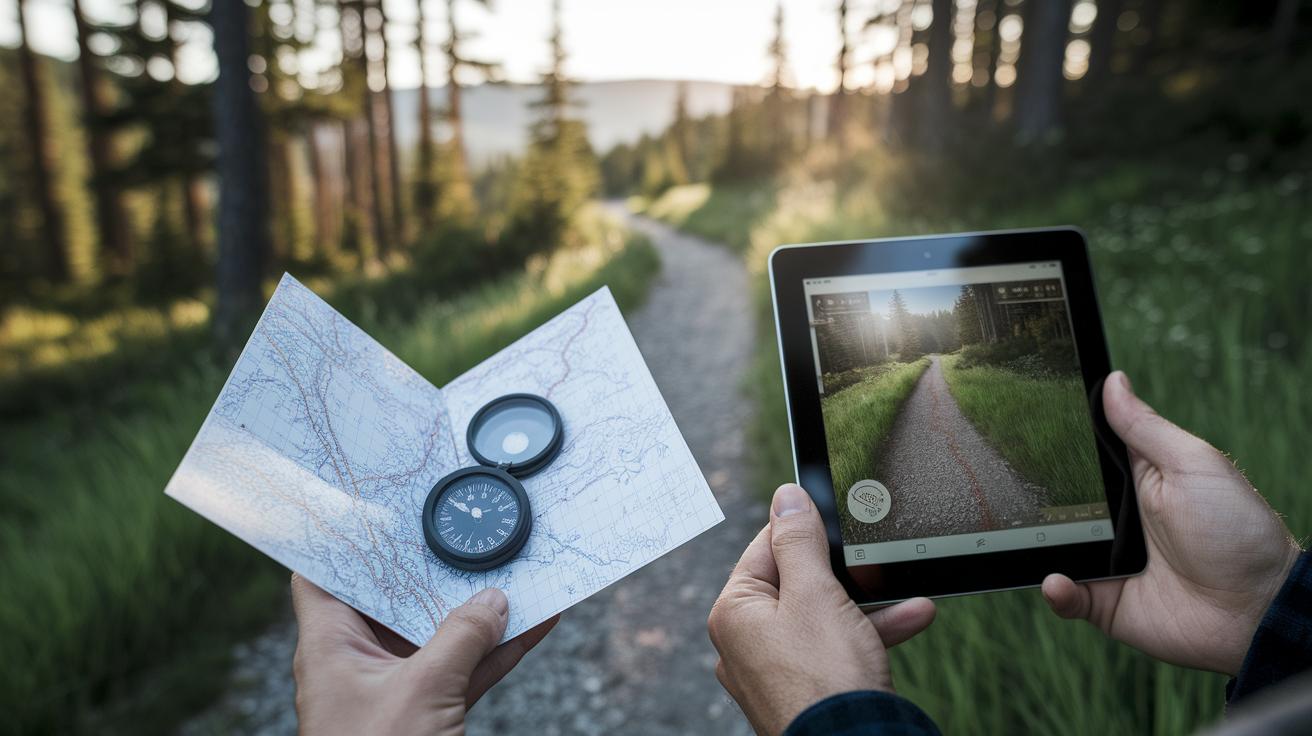
Apps like Komoot and AllTrails Pro help you create GPX files that mark the trail and show hut locations. These files work like a handy guide, pointing out safe spots if the weather turns bad. You can even see local high-resolution forecasts on the map, so you catch storm fronts coming and decide if you need to avoid open ridges or take a lower route.
When you’re in areas with weak cell signals, don’t rely on your phone alone. Carry a paper map and compass to check your exact position when digital signals drop. You can also use a GPS hiking app to quickly find nearby shelters or safe spots if conditions worsen.
Marking waypoints is a simple way to note safe huts or lower-elevation detours along your trail. As the weather changes, switch from open paths to these safer routes. This mix of modern tech and traditional navigation gives you the freedom to adjust your plans on the fly.
• Mark huts and safe spots with waypoints.
• Check your progress using both digital apps and a paper map.
• Adjust your route as updated forecasts appear on your GPX map.
Blending digital and paper navigation keeps you informed and ready to adapt as the weather shifts.
Booking and Contingency Hut Reservations for Unpredictable Weather

When the weather turns unpredictable, a confirmed hut booking can really save your trek. Most alpine huts run from mid-June to late September, and you can book them up to six months before your trip. Advanced bookings let you have a safe spot when sudden showers or storms catch you off guard. An online mountain hut booking system (https://hike2hut.com?p=98) makes it easy to reserve huts at lower elevations or in forested areas that offer extra shelter from rough weather.
Before you book, take a moment to read the cancellation policy and check for backup sleeping options. Many mountain booking systems (https://hike2hut.com?p=99) provide these details. Hut wardens can sometimes arrange emergency stays if the weather makes it unsafe to continue the trek. This gives you more flexibility when conditions change quickly.
Here are a few tips for locking in your spot:
- Book your hut well in advance.
- Choose huts that are lower or have natural shelter.
- Check cancellation policies and extra sleeping options.
- Confirm with hut wardens about emergency stay plans.
- Revise your plans quickly if the weather forecast changes.
Taking these steps will help you stay safe and enjoy your mountain adventure, even if the skies turn stormy.
Seasonal and Regional Weather Considerations for Modifying Hut Circuit Itineraries

In spring, north-facing trails can still have snow well into June. This means your progress may be slower. You might need traction aids like crampons (metal spikes for grip) or snowshoes on icy patches. Consider a slower pace and shorter segments on these routes.
Summer brings hot days and afternoon thunderstorms. It helps to start early in the morning to avoid the heat and the worst of the storms. On days when it’s really warm, plan your stops in spots with natural shade and allow extra time if you need to find a drier path.
In autumn, a sudden snowfall can catch you off guard. Check avalanche forecasts often and carry safety gear until it’s clear that winter has arrived. Remember, some huts may have different opening dates or offer fewer services when it’s colder.
Here are some practical tips when planning your route:
- Confirm winter opening dates and check what services each hut offers.
- Allow extra time if the trails are snowy or icy.
- Adjust your daily distances based on temperature changes and possible storms.
- Keep an eye on local avalanche reports, especially during autumn.
- Pack gear that works well for quick changes in temperature.
Stick to these simple adjustments to keep your hut circuit safe and enjoyable, even when the weather in the mountains changes unexpectedly.
Final Words
In the action, we wrapped up smart ways to adjust your hut circuit plans when weather takes a turn. We covered checking forecasts, choosing safer routes, setting backup reservations, and updating gear.
Adapting means planning for extra time and following safety tips like the 30/30 rule. By staying prepared and flexible, you're ready for modifying hut circuit itineraries for inclement weather, keeping your hut-to-hut hike safe and stress-free. Enjoy your mountain explorations and keep safe out there!
FAQ
How should I adapt my hut circuit itinerary for inclement weather?
Adapting your hut circuit itinerary in rough weather means choosing longer, less exposed routes and adding extra travel time. Immediate modifications include:
- Check forecast sources
- Adjust to a less exposed route
- Inform hut wardens
- Allocate extra buffer time
- Pack emergency gear
How do I use mountain-focused forecasts to guide my itinerary adjustments?
Checking mountain-focused forecasts means using local sources like Alpenverein Bergwetter or yr.no and consulting hut wardens, so you can compare at least two forecasts before finalizing each day’s route.
What alternative routes should I consider when weather is severe?
Selecting alternative routes means choosing paths that avoid exposed ridges. For example, see the table below for sample bypass routes:
| Route Name | Distance (km) | Elevation Gain (m) | Best in Storm? |
|---|---|---|---|
| Forest Bypass | 8 | 300 | Yes |
| Valley Detour | 10 | 400 | Yes |
| Lower Ridge Loop | 12 | 500 | Maybe |
| Hillside Shortcut | 7 | 250 | Yes |
How should I adjust daily distances and pacing in rough weather?
Adjusting daily distances means reducing segments from about 16–24 km to around 10 km. Pacing tips include:
- Shorten targets
- Schedule early starts
- Build in buffer time
- Plan for icy sections
- Revise evening arrival windows
What gear upgrades are essential when weather turns adverse?
Essential gear upgrades include waterproof outerwear rated at least 10,000 mm, aggressive-lug footwear, paper maps with a compass, extra GPS batteries or a power bank, and early-season avalanche gear if needed.
How can digital and analog navigation tools update my hut circuit plan in real time?
Using digital and analog navigation tools means merging smartphone apps like Komoot with paper maps and a compass, letting you mark safe-haven waypoints and adjust your route as storm conditions evolve.
How should I handle hut reservations and contingency bookings for unpredictable weather?
Managing hut reservations means booking safe-haven huts near lower elevations well in advance, reviewing cancellation policies, and keeping communication with hut wardens for emergency lodging if weather forces a change.
What seasonal weather considerations affect hut circuit itineraries?
Seasonal considerations include lingering north-facing snow in spring, afternoon thunderstorms in summer, and early snowfall in autumn. Each season calls for tailored pacing, specific safety gear, and confirmation of hut schedules before starting.
what is cenforce d
what is cenforce d
cenforce 200mg tablet
cenforce 200mg tablet
is vidalista fda approved
is vidalista fda approved
sildenafil india online
sildenafil india online
dutasteride buy online
dutasteride buy online
semaglutide vs tirzepatide for weight loss in adults with overweight or obesity
semaglutide vs tirzepatide for weight loss in adults with overweight or obesity
proscar medication for women
proscar medication for women
minoxidil foam results
minoxidil foam results
orlistat dosing regimen
orlistat dosing regimen
ketoconazole shampoo for Malassezia
ketoconazole shampoo for Malassezia
sildenafil food‑related onset changes
sildenafil food‑related onset changes
vardenafil warning signals
vardenafil warning signals
orlistat mechanism fundamentals
orlistat mechanism fundamentals
Sildenafil vs vardenafil absorption
Sildenafil vs vardenafil absorption