


Ever thought that having the right avalanche gear is like having a trusty friend out on a snowy trail? This gear not only checks out dangerous slopes but also keeps you and your group connected when a situation turns risky. With tools built to read the snow and gear designed for emergencies, you can face winter with real confidence. In short, the proper equipment turns uncertain backcountry days into smarter, safer mountain adventures.
Essential Avalanche Safety Gear Overview
Avalanche safety gear helps you stay ahead of danger. Preventive gear checks the snow and shows if a slope is too steep. For example, a slope angle meter tells you if the slope is getting risky. A radio keeps you in contact with your group. With the right preventive gear, you can choose safer routes and lower your avalanche risk.
If an avalanche does happen, reactive gear is your backup. This equipment helps locate and rescue someone buried by quickly working in an emergency. Items like avalanche transceivers, probes, and shovels work fast so help can get to you sooner. In short, preventive gear helps you avoid danger and reactive gear is there when things go wrong.
- Avalanche transceiver
- Avalanche probe
- Avalanche shovel
- Avalanche airbag pack
- Slope angle meter
- Satellite communication device
Along with these essentials, extra safety tools add more peace of mind on backcountry trips. Many groups also pack first aid kits, headlamps, and maps to stay on track. With a complete set of equipment, you can enjoy your mountain adventures with confidence and be ready for any situation.
Preventive Avalanche Safety Gear Selection
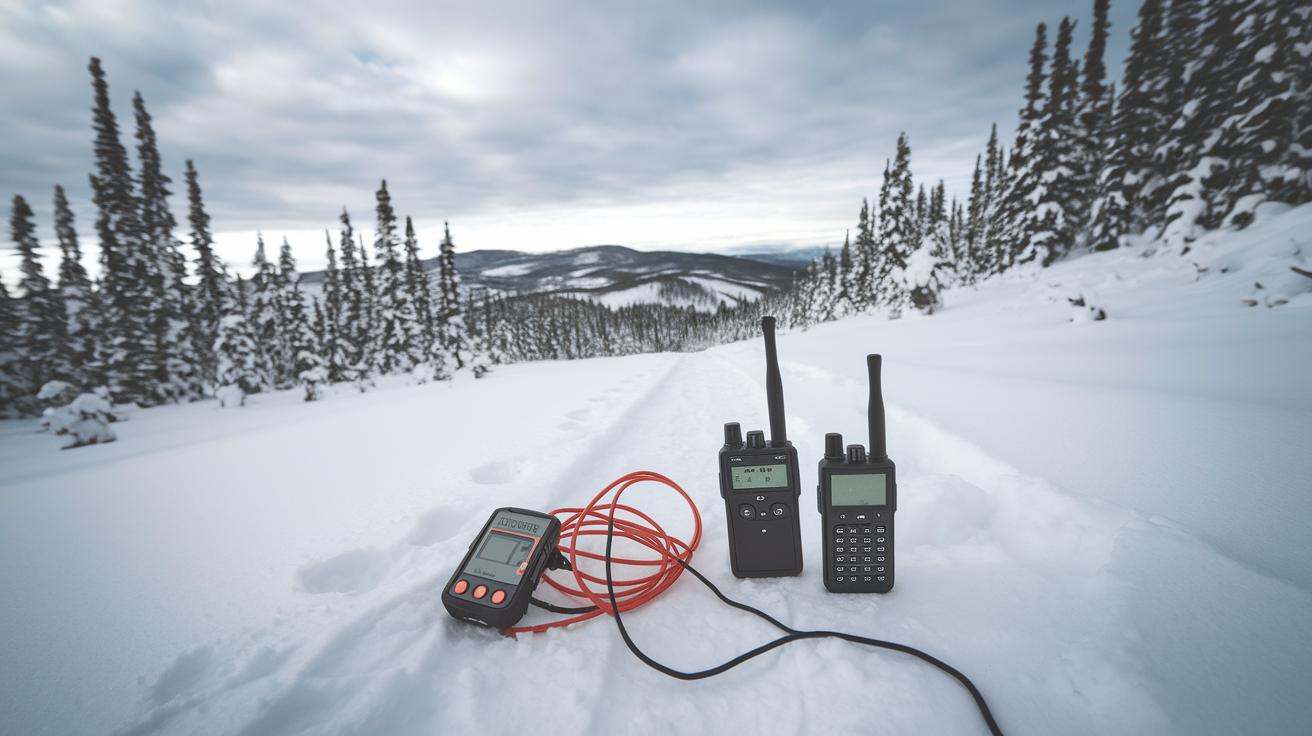
Avalanche safety gear is your set of tools to check snow conditions and measure how steep a slope is before you head into uncertain trails. This gear helps you spot risky terrain by including devices that let you study the snow and know what to expect.
Two-way radios are key when you are on the move. They keep everyone connected so you all get quick updates about changing weather or trail conditions.
Slope meters give you an instant look at the angle of each slope. They quickly show if a slope is steeper than 30 degrees so you can avoid dangerous, avalanche-prone areas.
Snow study kits pack all the essentials. They usually include:
- A snow saw
- A knotted cord
- A magnifier
- A crystal card (to examine snow crystals)
- A notebook
- A thermometer
These items work together to help you check how stable the snow is and spot weak layers early on.
Reactive Avalanche Safety Gear Components
Reactive avalanche gear is your backup when the mountains catch you off guard. It helps you find someone buried in the snow quickly and clearly during an emergency.
Avalanche Transceivers
Avalanche transceivers send out and pick up radio signals to locate someone caught under snow. They stick to one frequency so nearby devices don't mix up the signal. This quick signal pickup can shave crucial minutes off a rescue.
Avalanche Probes
Avalanche probes give you extra reach after a transceiver has narrowed the search. Most are about 2 meters long to help you figure out how deep and where exactly a person is buried. Their stiff, straight design makes it easier to get an accurate measurement even in tough conditions.
Avalanche Shovels
When it’s time to dig someone out, an avalanche shovel is key. With a broad, lightweight blade that cuts through hard snow, you clear away the debris fast. Every minute counts, and the shovel helps move snow quickly so help can arrive sooner.
Satellite Communication Devices
If you're out of mobile range, satellite devices step in. They let you send emergency messages even in remote backcountry spots. This means your call for help reaches rescue services as fast as possible, no matter where you are.
Together, these tools turn a dangerous situation into one that you can manage, giving you extra confidence on your winter adventures.
Avalanche Airbag Systems Explained
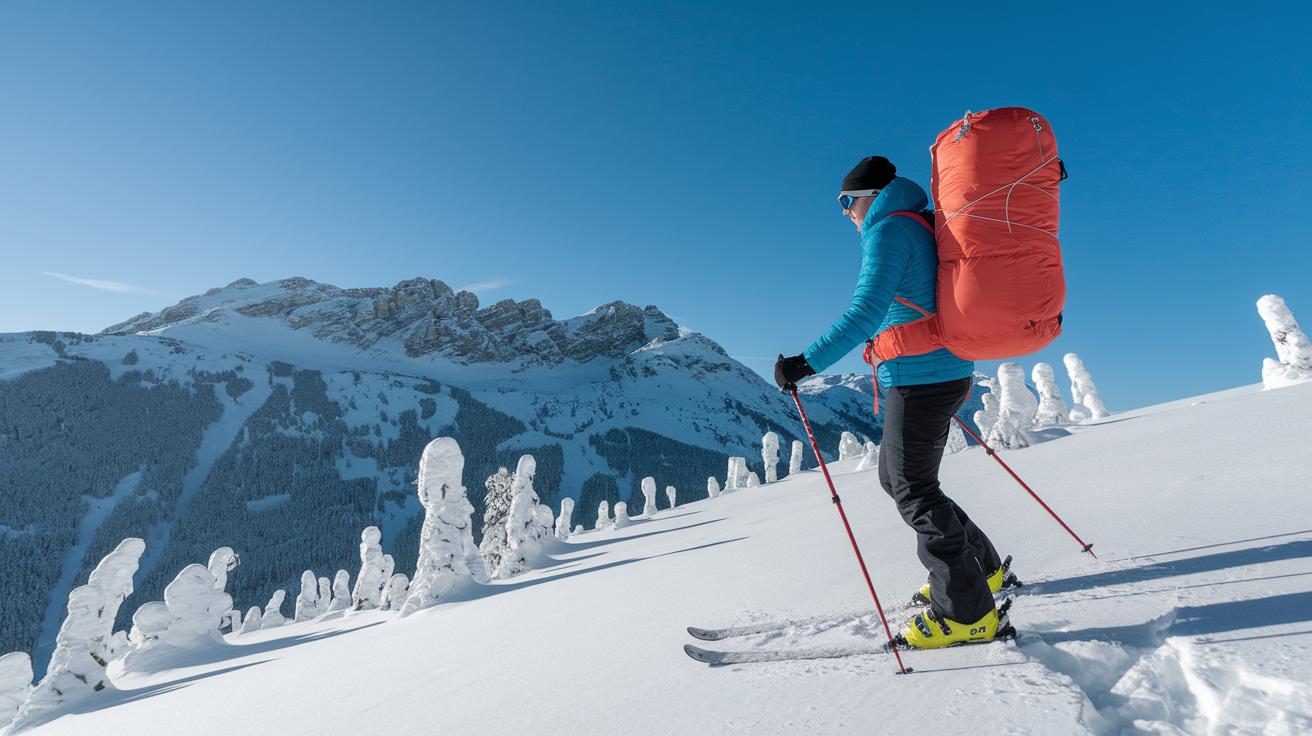
Modern avalanche airbag systems can be a real lifesaver in dangerous winter conditions. They work by quickly inflating a cushion that helps boost you out of the snow, increasing your chances of staying on top of the slide. These systems act as an extra safety layer along with your transceiver (a device that helps locate you in an avalanche), probe, and shovel. As the technology improves each season, choosing the right system can give you confidence on your winter adventures and help rescuers reach you faster.
Pack-Based Airbag Systems
Pack-based airbag systems come as all-in-one backpacks that hold your gear and include the airbag technology. They use smart, fast inflation methods that kick in within a split second when needed. These packs are made with sturdy harnesses and simple-to-use activation handles. Many trusted brands have tested their models in tough conditions, so you can count on them when it matters most. Users often praise the mix of light weight and ample storage, making these packs a top choice for serious backcountry travelers.
Vest-Style Airbag Systems
Vest-style airbag systems are worn like a jacket and offer a light, streamlined option compared to pack-based models. They usually include separate inflators that activate quickly if an avalanche hits. Their design focuses on comfort and allows for free movement by spreading the weight evenly around your chest. Many hikers enjoy the less bulky feel and adjustable fit of vests, though they might offer less storage space than pack-based systems.
Remember, regular maintenance, battery checks, and practice with your deployment system are key. This way, when you need your airbag, it will work at its best.
Choosing the Right Avalanche Safety Gear
When choosing your gear, make sure it has trusted labels like CE or UIAGM. These marks tell you the gear passed tough lab tests and worked well in real winter conditions. They show that the gear can handle harsh cold and heavy use.
Also, check that the devices work well with each other. Look at the details such as frequency ranges for transceivers and the battery types. You can use simple comparison charts to see how much energy each device uses, how light it is, and how simple it is to use. Match these specs with your skill level and the conditions you expect on the trail. This way, you can pick the right gear for both your needs and the mountain terrain.
Maintenance and Avalanche Safety Gear Preparedness
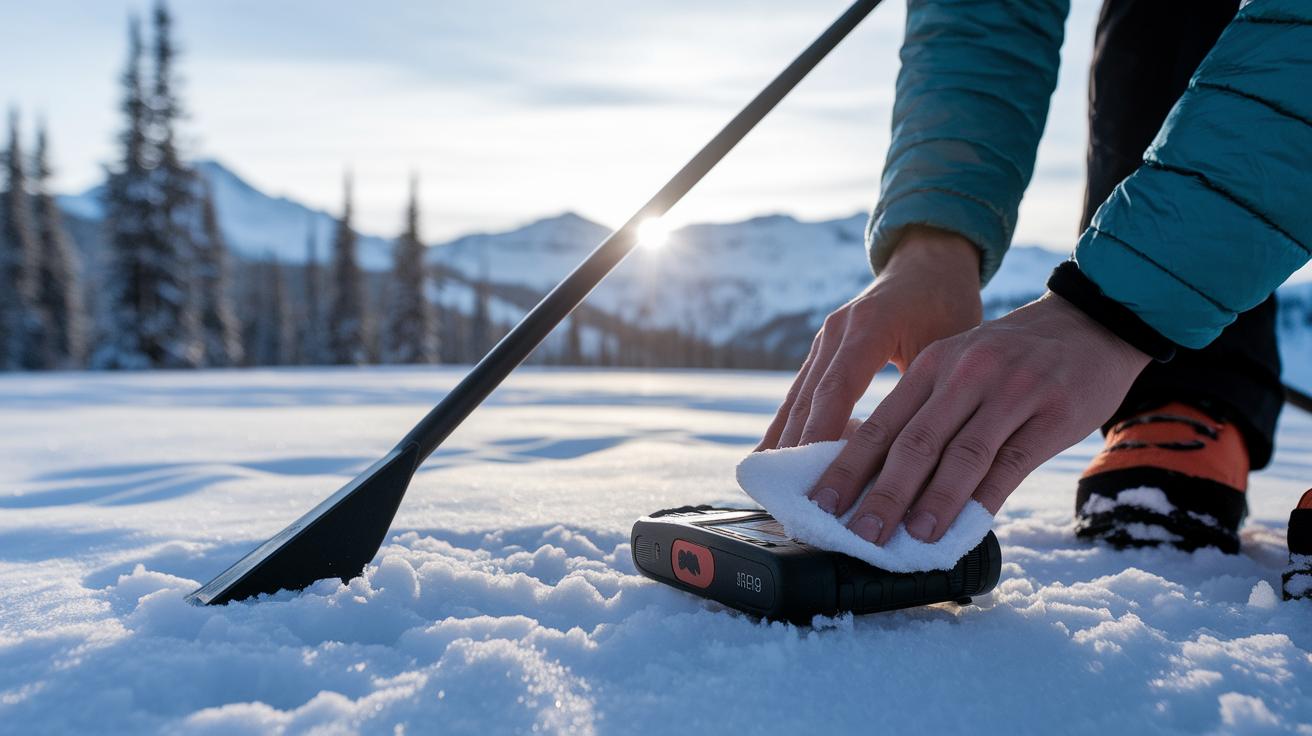
After every trip, give your gear a good clean and check-up so it's ready when the mountains get tough. Wipe down your transceiver, probe, and shovel, and inspect them for any signs of wear or damage. Keeping your equipment clean and stored right means they work best when you need them.
Keep an eye on small details:
- Check the battery levels on your avalanche transceiver.
- Look over your shovel to make sure the blade isn’t cracked or bent.
- Test the probe to see if it extends smoothly.
- Make sure your two-way radio sends a clear signal.
- Clean and test any satellite devices to confirm they work.
It helps to keep a maintenance log. This way, you can track your gear’s condition over time.
Also, schedule regular practice sessions and safety courses. These sessions help you remember the right steps to check your gear before heading out into winter backcountry conditions. For more useful tips, visit the hiking safety tips page.
Avalanche Safety Gear Purchasing and Budgeting
When planning your avalanche safety gear purchase, set a firm budget to keep costs low while staying safe. Compare prices and look for deals that balance cost with quality. Keep in mind that some items may be harder to find in certain areas.
| Item | Purchase Option | Cost Range |
|---|---|---|
| Avalanche transceiver | New | $350 – $600 |
| Avalanche probe | New | $150 – $300 |
| Avalanche shovel | New | $100 – $250 |
| Avalanche airbag pack | New | $800 – $1500 |
Remember, buying new isn’t your only option. Rental services offer easy access to quality gear without a full purchase, which is handy in areas with strict rules. Certified pre-owned safety gear is another good choice since it comes with proper testing and reviews. Balancing rental and buying options can help you secure the gear you need without stretching your budget too far.
Final Words
In the action, we covered everything from preventive tools to reactive equipment, including avalanche transceivers, probes, shovels, and airbag pack systems. We broke down how each piece plays a role in keeping you safe while trekking the mountains. The tips shared ensure a stress-free, well-supported hut-to-hut hike with simple logistics and confident route navigation. Take a few minutes to check that your avalanche safety gear is working right. Keep planning smart and enjoying the mountain, and remember to review additional hiking safety tools for extra peace of mind.
FAQ
What is the best avalanche safety gear?
The best avalanche safety gear includes both reactive items like transceivers, probes, and shovels and preventive measures that help you steer clear of avalanche terrain.
Where can I find avalanche safety gear for sale?
Avalanche safety gear for sale is available through outdoor retailers and trusted online stores. Look for certified equipment that meets established safety standards.
What does an avalanche beacon do?
The avalanche beacon, often called a transceiver, works by sending and receiving radio signals to quickly locate someone buried in the snow during an avalanche.
What are the features of a Mammut avalanche kit?
The Mammut avalanche kit typically offers a suite of tools, including a transceiver, probe, shovel, and sometimes additional items, all designed to help improve rescue chances.
How is avalanche safety gear priced?
Avalanche safety gear price varies with quality and features. High-tech gear tends to cost more, but it’s vital to invest in equipment that provides reliable performance in emergencies.
What does an avalanche transceiver do and how does it work?
The avalanche transceiver works by transmitting and receiving radio signals to help locate avalanche victims swiftly. It is a key component in reactive avalanche safety setups.
What is Colorado Avalanche gear and how is it designed for skiing?
Colorado Avalanche gear is built with local mountain conditions in mind, offering tailored features like advanced airbags and transceivers suited for the skiing environment.
What equipment do you need for avalanche safety?
The equipment for avalanche safety includes reactive gear such as transceivers, probes, shovels, airbags, slope meters, and satellite communicators, all of which aid in rapid rescue and incident prevention.
Do I need avalanche gear and do avalanche bags really work?
Needing avalanche gear depends on the terrain and conditions. Avalanche bags can provide flotation support but work best when used with comprehensive safety equipment and proper training.