


Ever wondered if your gear is ready for a mountain surprise? This guide shares a simple safety checklist to help you pack and check your essentials before you hit the trail.
We cover must-haves like:
- A sturdy backpack
- Reliable maps (or a topo map that shows hills and valleys)
- Navigation tools
- First aid supplies
- Fire-starting gear
Taking a moment for a gear check helps you avoid surprises and keeps you confident on the trail. Whether you're a seasoned hiker or gearing up for your first hut trip, these basics will be your trusted companions in the wild.
Mountain Hiking Safety Checklist: Core Essentials
When planning a mountain trip, it's smart to pack the Ten Essentials. These are key items that help you handle unexpected situations and keep you safe while respecting the trail.
• A strong backpack with padded straps and water-resistant fabric
• A paper map, a compass, and a GPS device (with extra batteries)
• A headlamp or flashlight (with spare batteries) for dark, wooded areas
• A first aid kit that has bandages, antiseptic wipes, and blister treatment
• An emergency shelter option, like a bivy sack or a light emergency blanket
• A multi-tool or knife that locks securely
• Fire-starting gear, such as waterproof matches or a reliable lighter (see hiking safety tools)
• A whistle for signaling if you get into trouble (see hiking safety tools)
• Sun protection gear, including SPF 30+ sunscreen, sunglasses, and lip balm
• A trash bag to pack out your waste and keep the trail clean
• Extra clothing, like a rain jacket and warm insulating layers for sudden weather changes
• High-calorie snacks like trail mix and energy bars to keep your energy up
Before you head out, take a moment to check all your gear. Look over your backpack and test your emergency devices. This quick check can help prevent problems on the trail and boost your confidence. Write down any repairs or replacements you need so that your pack is always ready for the mountains.
Inspecting and Preparing Gear for Mountain Hiking Safety

Regular gear checks help you catch small issues before they become big problems on the trail. A careful inspection and a bit of maintenance boost your safety and comfort when you're out in rugged terrain. When your gear works as it should, it makes you feel ready and confident.
• Look over your backpack straps, zippers, and waterproof seams. Check for any signs of wear.
• Test your headlamp and flashlight to make sure they light up properly, and pack extra batteries.
• Check your knife or multi-tool for sharpness and ensure the locking mechanism holds firm.
• Inspect your clothing for any rips or damage to make sure everything still fits well.
• Make sure your boots have good grip and support. Replace worn soles if needed.
• Clean and test your water filter or purification tablets to be sure they work correctly.
• Refresh your first aid kit and keep it in a waterproof container.
Keep a log of any repairs or replacements you make. This way, your gear stays reliable, and you’re set for every hike.
Navigation and Route Planning in Mountain Hiking Safety Checklist
Using more than one way to navigate is smart on the trail. A digital GPS along with a paper map and compass help you stay on track even if one tool fails. This extra backup lets you check your position and steer clear of hazards.
Before you head out, study the trail’s elevation and difficulty. Look for steep climbs or rough spots and note the clear trail markers. Mark water sources and potential emergency exits on your map. This will help you find help quickly if you need it. Also, mark any hazards like fallen trees or avalanche-prone areas and plan safe detours around them. Check the latest trail reports at local ranger stations or ask fellow hikers for their tips. And remember to pack a power bank so your digital devices stay charged.
| Navigation Tool | Purpose |
|---|---|
| Digital GPS Device | Shows your current location and route details real-time |
| Paper Map and Compass | Works as a trusted backup when tech fails |
Weather and Environmental Hazards in Mountain Hiking Safety Checklist
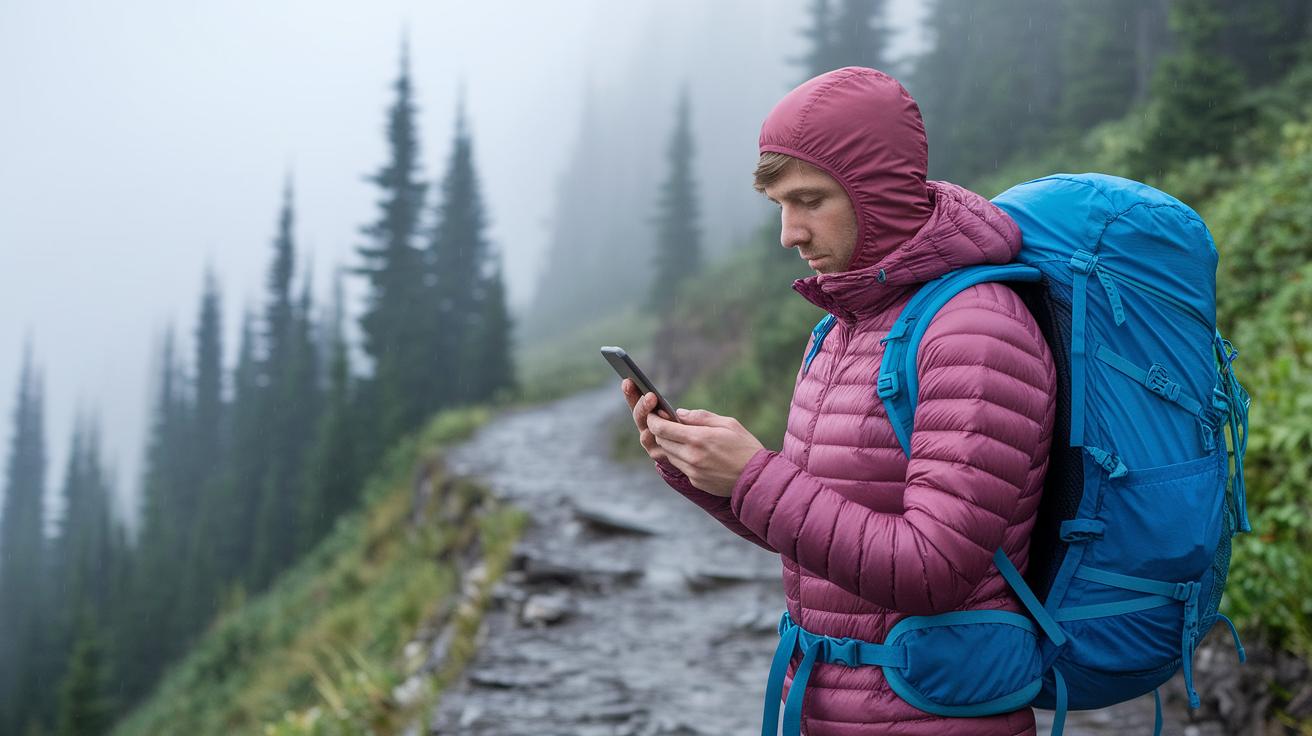
Before you head out, check the weather forecast. Look at the temperature, wind, and rain chances. Pack a waterproof jacket, quick-dry base layers, and an insulated midlayer since the air can get chilly at higher elevations. Even on cloudy days, use SPF 30+ sunscreen, wear UV-rated sunglasses, and don a hat to guard against the sun. This simple plan helps you stay warm and dry, no matter what the sky has in store.
Keep an eye out for on-trail hazards too. If you see towering cumulus clouds, it might be a sign of an approaching thunderstorm. Watch for loose rocks or slippery patches along the way, and be ready to adjust your route if needed. Also, avoid areas known for avalanches after heavy snowfall. Staying alert and being prepared can help you safely navigate tricky spots on the trail.
Hydration, Nutrition, and First Aid Essentials in Mountain Hiking Safety Checklist
When you plan a mountain hike, thinking about water is as key as plotting your route. Experts recommend carrying about 0.5 L of water per hour. If you're hiking in the heat or putting in extra effort, adjust this amount. Insulated bottles work well to keep your water from freezing when it gets cold. A small water filter or iodine tablets are handy backups to make water safe.
It also helps to pack foods that boost energy. Nuts, dried fruit, and energy bars are great because they pack lots of calories in a small space. Don’t forget any personal medications or allergy remedies you might need along the way.
Here’s a quick list of first aid items to pack:
- Adhesive bandages for minor cuts and scrapes.
- Sterile gauze for dressing bigger wounds.
- Antiseptic wipes or solutions to clean up injuries.
- Blister pads to protect areas prone to friction.
- An elastic wrap to hold dressings in place.
- A pain reliever for treating mild discomfort.
Keep your first aid kit in waterproof storage, and check it often to replace items that are close to expiring. Pack your supplies in easily reachable pockets to reduce mix-ups during an emergency. Focusing on hydration, nutrition, and first aid not only fuels you but also helps you handle any scrapes or surprises during your mountain adventure.
Physical Preparation and Pace Management for Mountain Hiking Safety Checklist
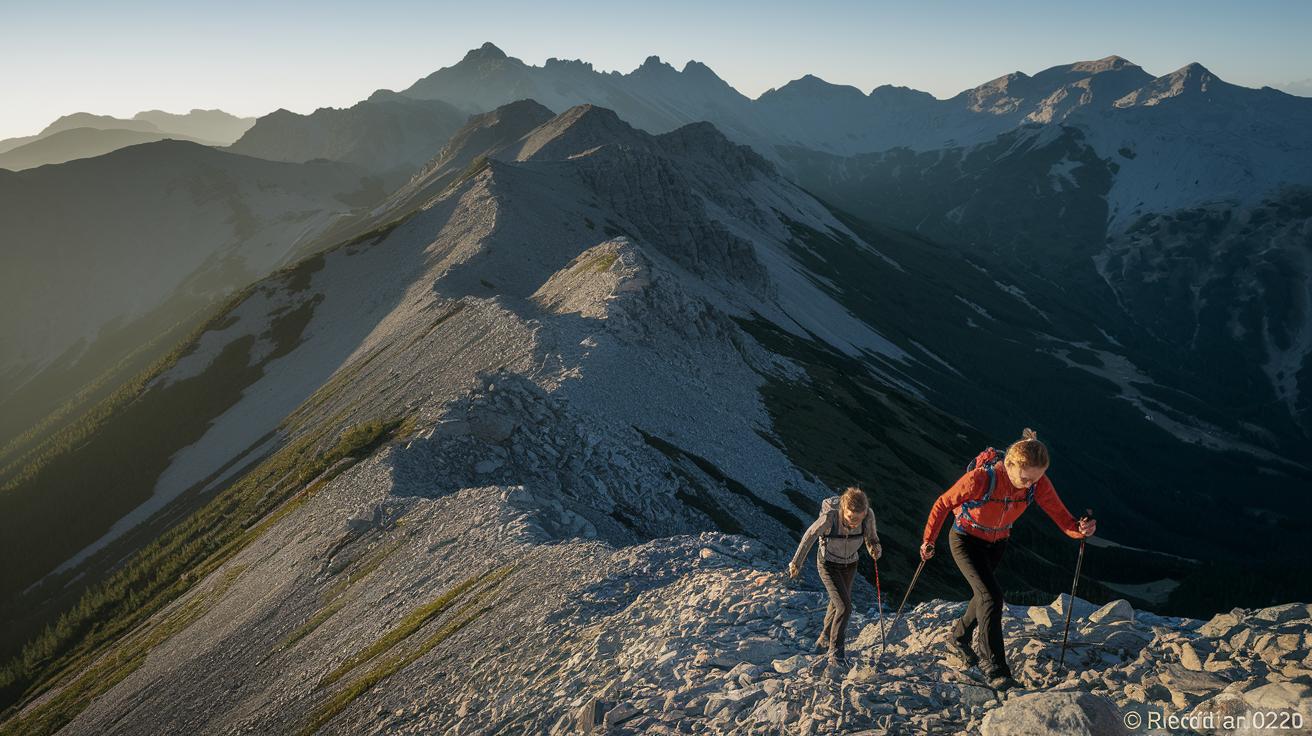
Before you head into the mountains, train off-trail with hikes that mimic real mountain paths. Choose routes with mixed slopes to boost your strength and build endurance. Work on your core and leg muscles and practice using your trekking poles correctly (they help reduce stress on your joints). This kind of preparation gives you the stamina and confidence to keep a steady pace.
- Keep an average pace of about 3 km/h (2 mph) on moderate ground to save energy.
- Take a 10-minute break every 2 hours to rest and recharge.
- Slow down to match the pace of your slowest group member so everyone stays together.
- Do a few short stretches along the route to loosen tight muscles.
- Use your trekking poles properly to steady your steps and ease impact.
Always keep an eye on your group. Check often if someone feels especially tired and be ready to reduce the pace. This way, everyone can enjoy a safe and steady climb.
Emergency Procedures and Communication in Mountain Hiking Safety Checklist
When you're deep in the mountains, having the right way to call for help is key. Carry devices like a satellite messenger or a personal locator beacon (PLB) to send your location if your cell phone stops working. Pair these with a loud whistle and a signal mirror to alert anyone nearby with sound or light. These tools boost your safety knowing you can get help when it’s needed.
- Bring a satellite messenger or PLB so rescuers can pinpoint your location during an emergency.
- Pack a loud whistle and a signal mirror. For example, use three short blasts to send a clear distress signal.
- Save local mountain rescue numbers on your phone before you go. This way, you have quick access to important contacts.
- Plan your exit by marking evacuation routes and finding the nearest road. That way, you know where to go if weather or other dangers hit.
- Share your hiking plan and expected arrival time with a trustworthy person off-trail. They can call for help if you fall behind.
- Keep power banks ready and switch your phone to airplane mode when you’re not using it to save battery for emergencies.
Before each hike, take a moment to practice with your emergency tools and review your escape routes. A quick run-through on how to trigger your PLB or use your signal mirror can make all the difference if things go sideways.
Leave No Trace and Wildlife Safety in Mountain Hiking Safety Checklist

When you hit the trail, always follow leave no trace rules to protect nature. Pack out all trash and used supplies in sealed bags so nothing damages the trail's natural beauty. Keep food in odor-proof containers and avoid feeding animals to help them stay wild. Stick to marked trails to protect plants and the fragile soil.
Use biodegradable soap and dispose of wastewater at least 60 meters (200 ft) from streams to keep water sources clean. Respect seasonal trail closures because they save delicate areas and wildlife nesting spots. By doing these simple things, we all help keep the mountains healthy.
Watch for wildlife with care. Tell others you’re nearby by speaking softly along the trail so animals aren’t startled. Give them plenty of room and never try to get too close or feed them. These steps help lower risks for both you and the local wildlife.
Remember, a mindful approach and sustainable hiking habits go a long way in preserving our wild spaces for everyone.
Final Words
In the action, remember key essentials like solid gear, careful inspections, smart route planning, weather checks, proper hydration, and clear emergency protocols. Each section helped build a practical, real-life mountain hiking safety checklist.
Keep your leave-no-trace ethos and wildlife awareness in mind. Embrace the calm, respect nature, and let your confidence grow with every step on the trail. Your careful prep makes for a smooth and memorable mountain trek. Enjoy the mountain trails and stay safe out there.
FAQ
What do mountain hiking safety checklist PDFs cover for beginners?
The mountain hiking safety checklist for beginners details must-have gear such as a sturdy backpack, navigation tools, lighting, first aid supplies, extra clothing, and snacks. Free PDF guides provide full lists and clear instructions.
What are key hiking safety rules and tips for beginners?
The hiking safety rules and tips for beginners stress planning your route, inspecting gear, carrying emergency items, staying hydrated, pacing yourself, and sharing your itinerary. Following these tips enhances trail safety.
What are the 10 essentials for a hike?
The 10 essentials include navigation tools, sun protection, insulation layers, extra food and water, a first aid kit, fire starting tools, shelter options, repair gear, extra batteries, and a multi-tool, all to help you handle surprises on the trail.
What are five essential items and safety equipment every hiker should carry?
Five key items to carry are a durable backpack, reliable navigation gear (like a map and compass), a headlamp, a comprehensive first aid kit, and emergency tools such as a fire starter and whistle.
What is the 20% rule for backpacking?
The 20% rule for backpacking means your pack should not weigh more than 20% of your body weight. This guideline helps maintain balance, comfort, and energy while hiking.
Why do hikers eat gummy bears?
Hikers eat gummy bears for a quick energy boost and a fast sugar pick-me-up during tough trail sections. They serve as a light, portable treat to keep morale high.
What is the #1 danger on the trail?
The #1 danger on the trail is falling due to uneven or slippery surfaces. Using proper footwear, watching your step, and maintaining a cautious pace reduce this risk.
The packing and weather-check reminders here are the ones that usually save a trip — especially the note about telling someone your route before you head out. Soft morning light on those ridgelines makes for better phone snaps too; I try a few frames before the trail gets busy. Curious whether you adjust this checklist for winter day hikes versus summer overnight?