


Ever worry that you might be missing a key step in planning your mountain hike? Sometimes getting ready for a trip feels like piecing together a puzzle. In this guide, we share seven easy tips to help you turn your ideas into a solid trail plan. We’ll show you how to lean on local advice, set clear goals, and plan your stops step-by-step. Follow along and discover how a good plan can change a tough climb into a fun day out on the trail.
How to Plan a Mountain Hiking Trip: Step-by-Step Blueprint
Start by checking out self-guided trip ideas. Look online or ask local experts about trails that match your pace and fitness. Browse maps (which show hills and valleys) and check the weather. Many hikers plan their routes months ahead to avoid any surprises.
Next, decide what you want out of the hike. Do you like a gentle, scenic stroll or a brisk, challenging climb? Write down simple goals using numbers like distance, climb height (elevation gain), and how far you want to travel each day. This makes choosing a route a lot easier.
Draw a rough map of your trail. Mark your start, rest stops, and finish point. This helps you know when to eat, check the weather, or take a break. Try using a step-by-step plan like this:
• Pick trails based on local advice and what interests you.
• Set clear goals for distance, climb height, and pace.
• Mark your starting point, break spots, and finish line on your map.
• List your essential gear and check that you have it all.
• Make a timeline for planning, hiking, and recovery after the trip.
At every point, check your goals to see if the plan still fits. With careful planning before you hit the trail, you turn uncertainty into a clear plan that makes your mountain hike safe and enjoyable.
Essential Gear Recommendations for Mountain Hiking Trip Planning Tips
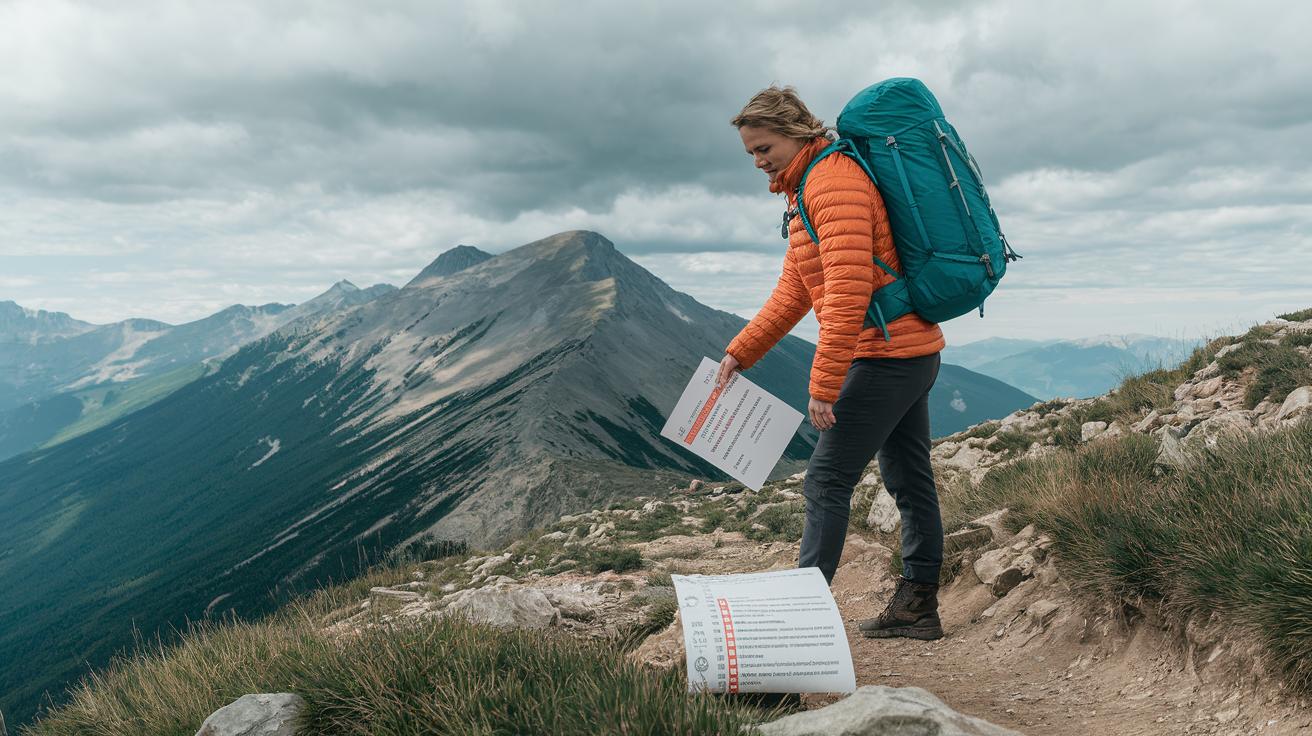
When picking your gear for a mountain hike, think about gear that will last, won't weigh you down, and can handle the challenges ahead. Check the route's terrain and weather. For instance, choose light gear that works well on steep paths or when the weather suddenly shifts. Read reviews and expert tips to help you find the right gear for your adventure.
Start by making a checklist for a safe and comfy trip. Your gear may change if you're doing a day hike versus a longer hike with tricky parts. Mix and match quality items that are practical and easy to carry.
- Backpack under 30 L: compact yet tough, made from water-resistant fabric to hold your must-haves without extra weight.
- Proper footwear: sturdy hiking boots with good grip, built to handle rocky and uneven terrain.
- Alpine or climb gear: light but strong enough for technical climbs, made from durable materials.
- Backcountry ski equipment: designed for snowy conditions, keeping you warm and agile.
- Sleep accessories: a compact sleeping bag or liner that gives reliable warmth and dries quickly.
- Pack attachments: secure straps and loops made from durable synthetic fibers to keep everything in place.
- Water filtration system: small and effective, with replaceable filters for safe drinking water.
- Fully enclosed tent: built for mountain weather with a strong frame and good insulation.
Match your gear with your hiking goals by checking capacity, material strength, and the function of each item. This way, you'll be ready for a safe trip and enjoy the great outdoors to the fullest.
Alpine Route Selection and Digital Mapping in Mountain Hiking Trip Planning Tips
Using digital maps and choosing your alpine route with care can turn a tough hike into a smooth, confidence-boosting journey. Stick to basic map reading (a simple way for hikers to follow trails) and explore advanced features to see the terrain and spot key landmarks. This helps you pick safe, clear paths so you can enjoy the mountains with peace of mind.
Google Maps Itinerary Setup
Google Maps is a handy tool for planning your alpine adventures. Start by marking your starting point and important waypoints on the map. Check the topo details (which show hills and valleys) to spot any steep or tricky spots. Rely on trusted route tools to measure distance and climb height. Then, load your route into a GPS hiking app (like the one linked) to get turn-by-turn directions. This digital approach lets you adjust your plan if the weather or trail conditions change. For example, you might mark a ridge that doubles as a quiet rest stop.
Offline Mapping Techniques
When you head into remote mountain areas without cell service, offline maps become essential. Download detailed topo map files and load them onto your device before you start your hike. These maps provide you with key details like trail shapes and elevation changes. It’s a good idea to compare a few offline maps with your digital plan to pick the best route. Try out these offline tools ahead of time so you feel comfortable using them when there's no internet.
By blending real-time data with preloaded maps, you can choose alpine routes confidently. This mix of digital and offline navigation gives you the tools to explore the outdoors safely and make choices that suit the conditions.
Trail Safety Best Practices for Mountain Hiking Trip Planning Tips
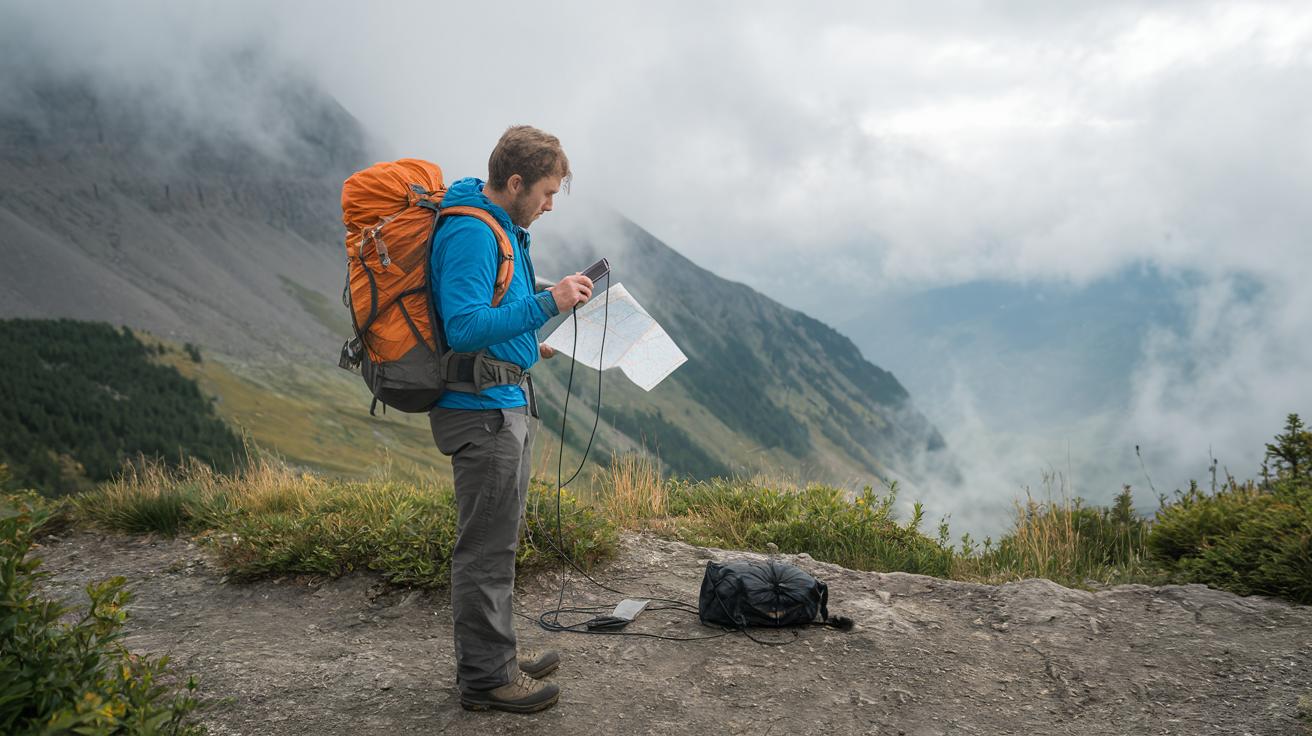
Before you head out, look for any hazards so they don't catch you by surprise. Check the weather, trail conditions, and local advice for any risks. Keep your phone charged and bring a portable battery pack. Local helpers like Trail Angels can be a real support if conditions change. Make sure your plan includes clear emergency contacts and a way to call for help if needed.
A good first aid kit is a must for every hike. Pack one at home with items like bandages, disinfectants, and any medications you need. Take the time to learn how to use each part of your kit and review basic first aid skills. Let a friend or family member know your route and when you expect to return. For more safety tips, check out our hiking safety tips at hike2hut.com?p=177.
• Check local trail warnings and weather updates before you set out.
• Pack a compact first aid kit with essentials like bandages and disinfectants.
• Share your itinerary and expected return time with someone you trust.
• Carry emergency contact details and keep your phone charged with backup power.
• Use local support like Trail Angels if the trail conditions suddenly turn rough.
Weather Considerations and Seasonal Strategies for Mountain Hiking Trip Planning Tips
Keep an eye on trusted weather apps and local clues. Today’s tools let you see quick changes in rain or temperature so you can adjust your plans early. One clear morning might turn damp fast, which means packing a rain jacket or extra socks can really pay off.
Match your gear to the season. When it’s cool, bring an extra layer and a light waterproof jacket. In warmer weather, choose moisture-wicking clothes and a hat for sun protection. This way, your backpack stays ready for what the day brings.
On the trail, watch the clouds and feel the air. Stopping often to check helps you decide if you should slow down, seek shelter, or change direction. This simple habit keeps your hike safe and lets you enjoy every step in the mountains.
Itinerary Creation, Permit Logistics, and Campsite Planning in Mountain Hiking Trip Planning Tips
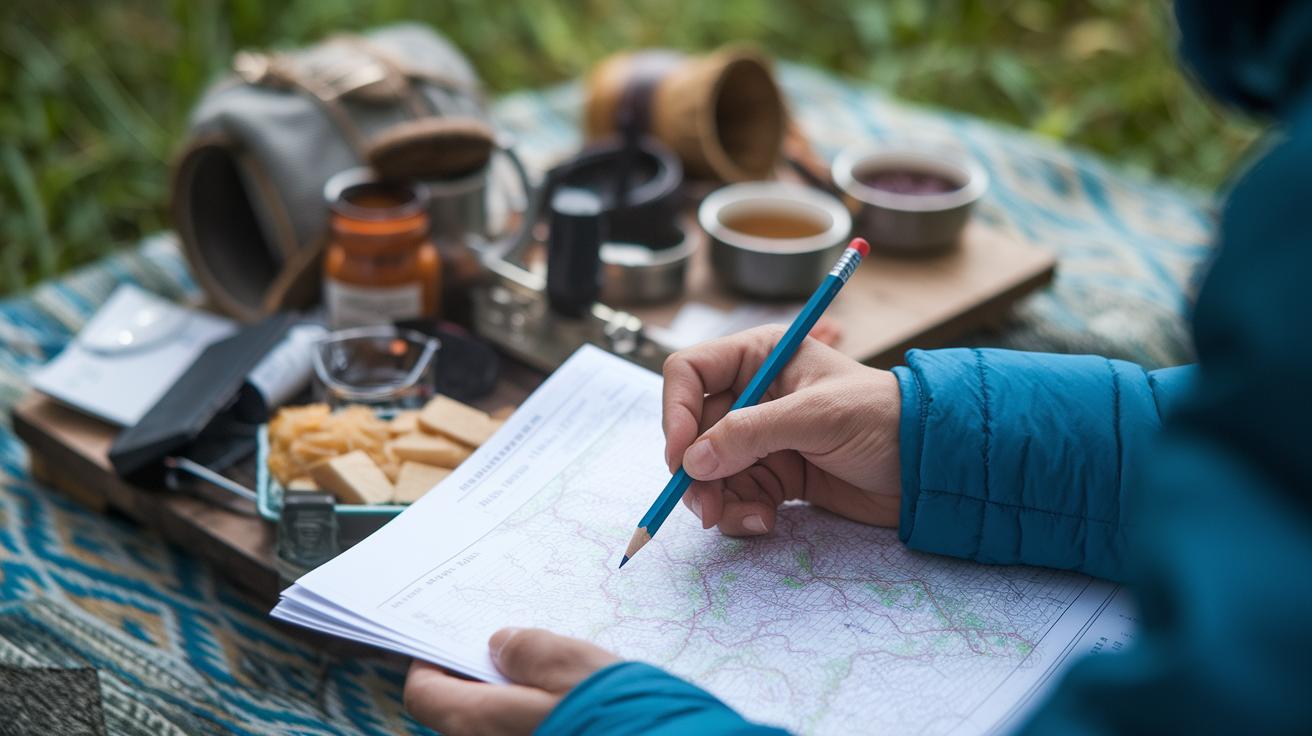
Plan your hike on paper or a digital map so you know exactly where you're headed. Write down each step, from the permits you need and where to camp, to the best parking spots. When planning your day-by-day route, add stops for water and any shuttle pickups you might need. Mark the dates for each permit application clearly, since backcountry permits often require you to apply weeks or even months in advance. Explain your campsite selections by noting how protected the area is, how near it is to water, and if there is natural shelter. And remember, sorting out trailhead parking is as important as the hike itself. Look for spots with lots of parking or consider a shuttle that drops you close to the trail.
Organizing your itinerary like this helps make sure nothing is missed. Use the table below as a guide to set your timeline and gather the right resources for each part of your trip:
| Task | Recommended Lead Time | Resources |
|---|---|---|
| Backcountry Permit | 2-3 months ahead | Local park office, official website |
| Campsite Booking | 1-2 months ahead | Reservation platforms, park guides |
| Trailhead Parking | Check local rules | Local signage, park authorities |
| Shuttle Coordination | 2-3 weeks ahead | Shuttle service contacts, local transit |
| Water Resupply | Plan per leg | Local stores, supply depots |
Matching your schedule with these tasks helps ensure a smooth and enjoyable trip. Happy hiking!
Physical Conditioning and Altitude Acclimatization Advice in Mountain Hiking Trip Planning Tips
Getting in shape before your mountain hike matters. Start a four-week routine that mixes brisk walking, light jogging, and simple strength exercises for your legs and core. This routine gets your muscles ready for long climbs and helps your body adjust to the work ahead. Try adding mini hikes with gradual climbs so you slowly get used to higher altitudes and feel less tired.
Taking short breaks on the trail keeps your energy up. Plan stops to drink water and catch your breath. Keep a slow and steady pace, especially on steep or rocky parts where you may feel extra strain.
Training Plan
Create a schedule with cardio, strength, and stretching exercises. Increase your distance a bit each week.
Altitude Tips
Include gentle hikes with slow elevation gains. Take short breaks to help your body adjust to the thinner air.
This kind of preparation lays a strong foundation for a safe and enjoyable mountain adventure.
Final Words
In the action, we broke down a clear plan for your mountain hiking trip planning tips. We covered everything from early research and setting clear goals to choosing the right gear and mapping your trail. We also shared practical safety steps and weather strategies, as well as tips on permits and training for altitude changes. This guide is your simple blueprint to keep your hut-to-hut hike safe and enjoyable. Embrace the route ahead with confidence and relish every step in nature’s embrace.
FAQ
Frequently Asked Questions
What are some useful mountain hiking trip planning tips in the USA for beginners?
The mountain hiking trip planning tips help you research trails, choose gear wisely, check weather forecasts, and map your route. This clear approach helps beginners enjoy a safe mountain hike.
What are some basic hiking tips and tricks for beginners?
Basic hiking tips suggest starting with easy trails, carrying enough water, resting when needed, and using a simple map or GPS app. These guidelines build confidence and keep you safe on the trail.
What is an example of a hiking plan template?
A hiking plan template includes a route outline, gear list, scheduled breaks, and emergency contacts. This simple plan helps you track progress and prepare effectively before your mountain hike.
What are hiking preparation exercises?
Hiking preparation exercises involve cardio and strength workouts that boost endurance and leg power. These exercises help you build stamina and reduce fatigue during long mountain hikes.
What is the 20% rule for backpacking?
The 20% rule for backpacking means adding about 20% extra weight or time compared to your usual needs. This rule offers a buffer for unexpected delays or tougher trail sections.
How should I prepare for a mountain hike?
Preparing for a mountain hike means studying maps, checking weather, packing essential gear, and building physical endurance. Early and detailed planning ensures a safe and enjoyable experience.
What is considered the golden rule of hiking?
The golden rule of hiking is to respect nature by staying on marked trails, leaving no trace, and keeping safety a top priority. This practice helps protect the environment and supports fellow hikers.
What are the 10 essentials when hiking?
The 10 essentials include water, food, map and compass, extra clothing, first aid supplies, a fire-starting tool, an emergency shelter, a light source, a repair kit, and a whistle. These items cover basic safety needs on the trail.