


Feeling daunted by a long multi-day hike? It’s normal to worry that one big trek might be too challenging. Our guide breaks the adventure into simple daily steps. We help you pick a route that suits your pace, check current weather and trail conditions, and pack only what you need. With a clear day-by-day plan, every climb and descent becomes a manageable part of your journey. Enjoy the trail with confidence and ease.
Essential Framework for Multi-Day Hiking Schedule Planning
Getting ready for a multi-day hike starts with good planning and knowing what to expect on the trail. Pick a route that fits your skill level and the time you have. If you enjoy gentle climbs, choose a trail with easy slopes, moderate distances, and steady hills. Trails like the Inca Trail are great because you can divide them into smaller, manageable sections.
Before you head out, check the terrain and weather carefully. Look up local warnings, read recent trip reports, and study detailed maps to see what conditions are like. A written checklist of gear, supplies, and permits makes it simple to ensure nothing is forgotten.
Next, plan a clear itinerary. Break the total journey into daily steps based on your usual pace and how the hills might affect it. Mark key points like landmarks, water spots, and safe areas to rest. A well-marked route map with these checkpoints helps keep you on track every day.
Keep some flexibility in your plan for any delays or unexpected challenges. Write out your plan day by day, noting the estimated kilometers, expected climbs, and where you'll stop. This organized approach turns a big wilderness trek into a series of doable steps and builds your confidence along the way.
By choosing the right route, doing solid research, and laying out a day-by-day plan, you create the foundation for a safe and memorable hiking adventure. With a handy checklist and a clear map, you can enjoy the trail knowing every detail is covered. Happy hiking!
Crafting a Trail Itinerary Blueprint for Your Multi-Day Hiking Schedule
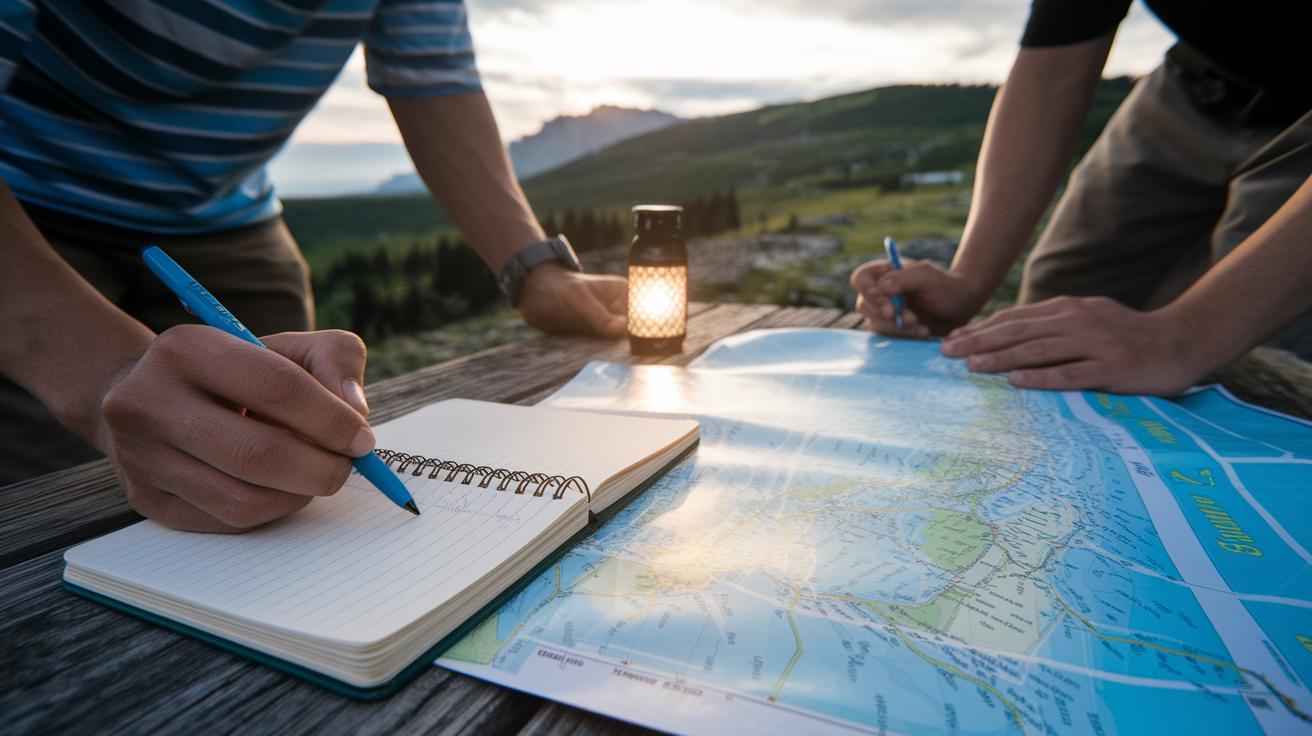
Plan your hike by breaking it into daily segments that fit your usual pace (miles-per-day). For instance, if you’re tackling the Inca Trail at 42 km (26 mi) over 5 days, plan about 8 km (5.2 mi) each day. Note each day’s distance, how many meters you will climb, and how long it might take. Here's an example plan:
- Day 1: 8 km (5.2 mi), steady climb, around 3 hours
- Day 2: 8 km, a tougher section near a great viewpoint, roughly 3.5 hours
- Day 3: 8 km, a mix of flat and hilly parts, about 3 hours plus extra time to see a landmark
- Day 4: 8 km, a chance for a restock or hut stop, roughly 3.5 hours
- Day 5: 8 km, an easier finish, about 2.5 hours
Think of each checkpoint as a decision point on your map. Mark key landmarks or resupply spots to help guide your day. On routes like the Overland Track (64 km or 40 mi over 6 days), you might target a lakeside camp one day and a mountain pass the next.
If you’re planning something like the Kilimanjaro Trek (37 km or 23 mi over 5 days), be sure to adjust your daily goals for the higher altitude. For example: "Day 3: 7.4 km (4.6 mi) with an extra 45 minutes for rest so you have time to acclimatize."
Also, mark map checkpoints along the way. Note intersections and any detour possibilities in case weather or trail conditions change. A simple tip: write down alternate routes for key spots. This way, if you spot an interesting landmark, you can decide to pause or adjust your pace. Breaking the journey into clear steps makes your itinerary flexible and builds confidence for every part of your adventure.
Time Allocation Techniques and Daily Trek Goals for Your Multi-Day Hiking Schedule
When planning your day on the trail, start by checking your usual pace. On average, you can expect to cover about 3–5 km per hour (2–3 miles). When you face climbs, add roughly 30 minutes for every 300 m (1,000 feet) you ascend. For instance, if your hike includes a 600 m (2,000 feet) climb, plan for an extra hour. And if the trail is rocky or full of trees, you might need 20–30% more time.
Break your hiking day into smaller, manageable parts. A good day on the trail might look like this:
- Do a quick water check in the morning.
- Take 4–6 short snack breaks along the way.
- Stop for a longer lunch to rest and refuel.
- End with another water check before settling in.
It also helps to try a practice hike with a loaded pack to fine-tune your time estimates. Simple leg, core, and upper body exercises can boost your endurance and show you if your planned pace is realistic. Adjust your daily goals based on your fitness and the challenges you expect. This keeps your day safe, balanced, and enjoyable on the trail.
Campsite Scheduling Approaches and Overnight Camping Routine in Your Multi-Day Hiking Schedule
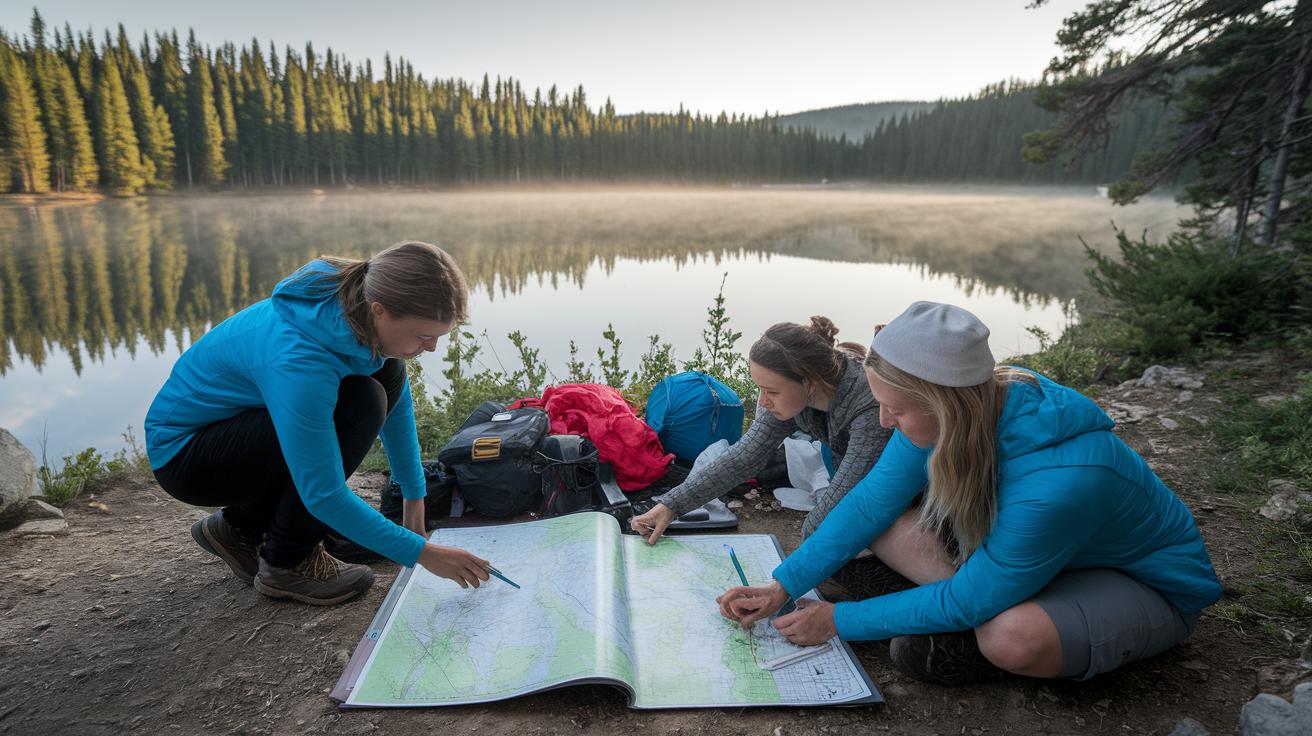
Plan ahead when booking huts or backcountry sites, especially if you’re covering 10–20 km (6–12 mi) each day. This way you always have water and shelter close by. For example, book a hut near a well-known lake before the busy season so you won’t have to scramble later.
Pick your campsites near natural landmarks and water sources. Choose spots that feel safe and cozy, whether it’s a hut or a backcountry site. Write down the booking deadlines for popular trails so you can secure your spot on time.
Set up a simple nighttime routine. Start by prepping dinner with a quick freeze-dried meal. Then top off your water bottle and enjoy a small dessert or snack before settling in. Imagine this: after a long day on the trail, you set up camp, share a warm meal with a smile, and let your gear dry in the cool evening air.
Mix up your stays by alternating between tents and huts to balance comfort and adventure. Take short breaks to regroup and check your maps. This steady routine keeps your spirit high and helps you keep a reliable rhythm on your multi-day trek.
Gear Preparation Checklist Aligned with Your Multi-Day Hiking Schedule
This checklist helps you pack smart and safe for your multi-day hike. Pick a 50–70 L backpack that fits right and spreads the weight evenly. Keep heavy gear close to your back and balance your load on both sides. For a good night's sleep on cool mountain evenings, bring a 20°F sleeping bag and an insulated pad.
Don't skip your layering system. Pack a base layer, a mid layer, and a shell. This lets you change quickly as the weather shifts. Also, pack a small stove with fuel, a cooking pot, and utensils so you can enjoy a hot meal after a long day. A 2–3 L hydration system will keep you refreshed along the way.
Remember to pack a map and compass for backup in case your digital tools fail. A headlamp is essential for those early starts or late returns. And, carry a first aid kit suited to the trail's challenges.
Here is a quick checklist:
- 50–70 L backpack
- 20°F sleeping bag and insulated pad
- Layering system (base, mid, and shell)
- Compact stove, fuel, cooking pot, and utensils
- 2–3 L hydration system
- Map/compass
- Headlamp
- First aid kit
Tip: Try using a pre-made packing template to make sure nothing gets left behind. Experts say planning your gear is like setting up the perfect shot, every detail counts. For a complete list, check out the multi-day hiking packing checklist.
Safety Protocols and Contingency Strategies in Your Multi-Day Hiking Schedule
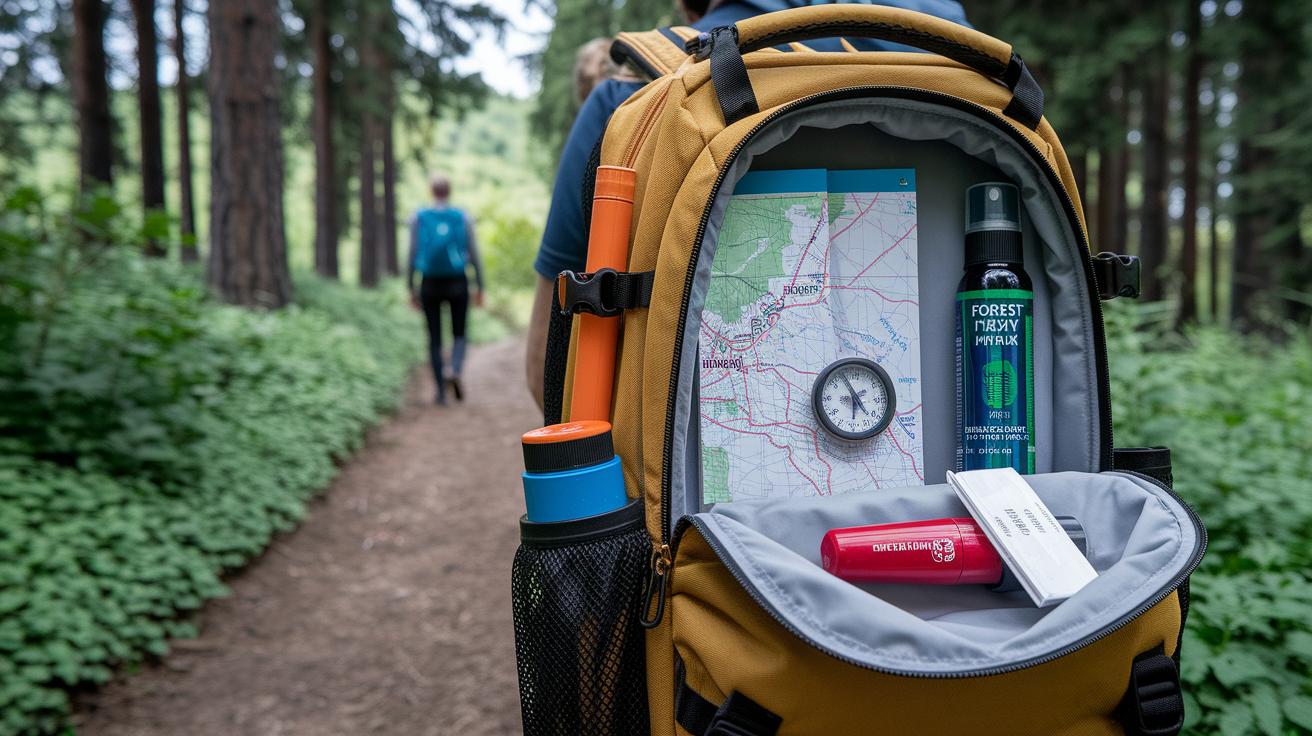
When you head out on a multi-day hike, it's important to be prepared for surprises. Pack the key safety gear and have a backup plan ready. Carry a reliable GPS, a compass, and a map (a paper guide for the trail) so you can check your position if the weather or trail changes. Also, bring bear spray and other wildlife deterrents to keep you safe if an animal crosses your path. An emergency shelter tarp, a whistle, and a firestarter can make a big difference when things get tough. And don't forget a weather-proof first aid kit for minor scrapes or bumps.
In your backpack, set aside a little extra food in case you experience a one-day delay. Plan a few flexible stopping points along your route so you can switch your path if rough weather or hazards arise. Check the weather every morning. If storms or high winds are expected, pick at least one alternate camp spot ahead of time.
Here is a quick safety checklist for each day:
- Trusted GPS, compass, and map
- Bear spray and wildlife deterrents
- Emergency shelter tarp, whistle, and firestarter
- Weather-proof first aid kit
- A bit of extra food for delays
- Pre-planned alternate camp locations
Using these precautions lets you adjust your plan as you hike. If the weather worsens or the trail gets unsafe, you can slow down, reroute, or wait out trouble. Stay safe and enjoy your adventure.
Integrating Digital Navigation Tools into Your Multi-Day Hiking Schedule
Digital aids keep you on track while you explore. Try a trustworthy GPS hiking app that lets you download offline maps so you never lose your way when the signal is low. Many of these apps let you add waypoints and check your pace in real time. For example, import your itinerary as a GPX file (a digital map file) that works like a personal guide.
Link your smart-watch to keep an eye on your heart rate and get step-by-step directions right on your wrist. This extra feedback helps you adjust your speed and settle into a steady pace. Some apps even let you set alerts for rest stops or decision points along the trail. And if weather or trail conditions change, you can update your schedule quickly.
Give these digital features a test run before your trip so you feel confident and ready when you head out.
Sample Multi-Day Hiking Schedule Templates and Progress Tracking
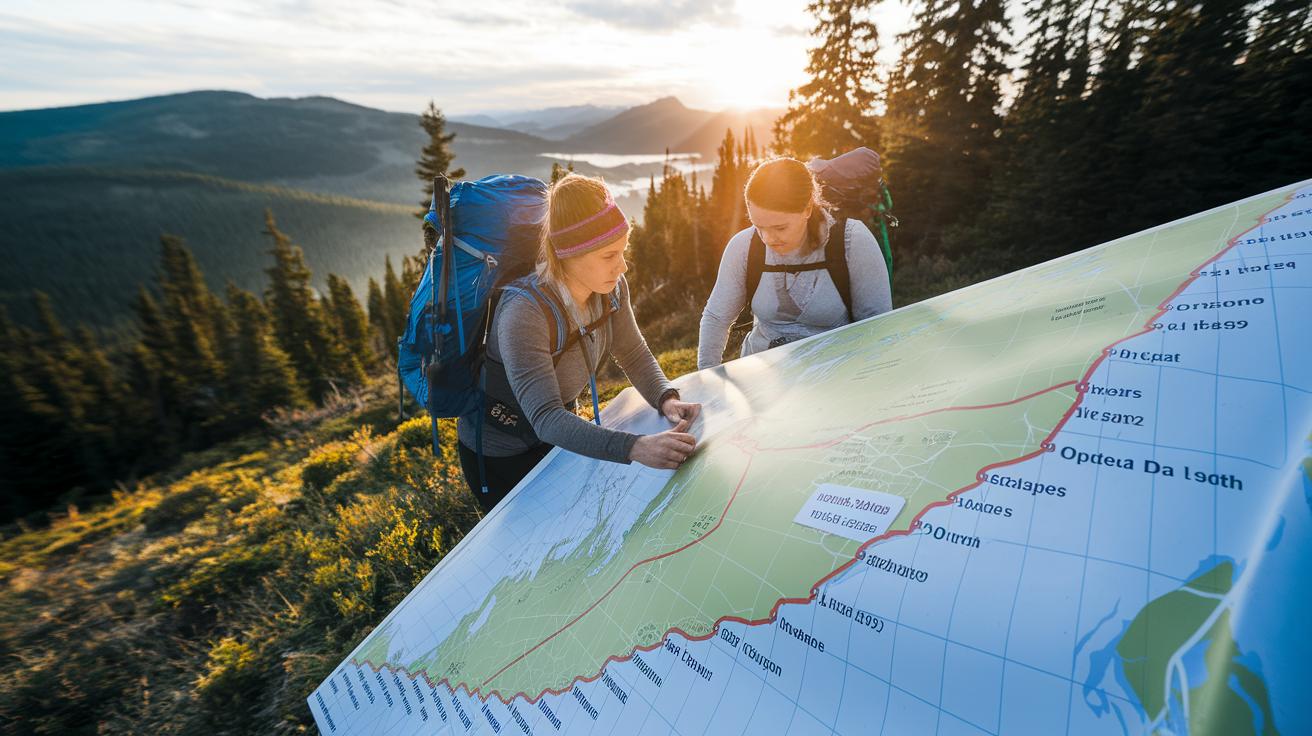
Planning your hike means setting clear daily goals and checking your progress step by step. Our ready-made schedule templates help you break your trek into daily segments. You can see how many kilometers (or miles) you walk, the elevation you gain, and where you plan to sleep for the night. For example, a 3-day loop might have you covering about 16–19 km (10–12 mi) each day and climbing roughly 460 m (1,500 ft) before ending at a trailhead camp, a ridge, or a lakeside spot. If you like point-to-point trails, try a 5-day plan with 13–16 km (8–10 mi) each day and around 610 m (2,000 ft) of climb. In this plan, you can book hut stays on Day 2 and Day 4 to break up the journey. For those who prefer a circuit route, a 7-day option covers shorter sections of 10–13 km (6–8 mi) per day, letting you enjoy varied terrain while alternating between tent and hut nights.
You can track your progress in a simple notebook or a digital app. Mark checkpoints as you go. That way, if a change in weather slows you down, you can adjust the distance you plan to cover in the coming days.
| Template Type | Daily Distance | Elevation Gain | Overnight Site |
|---|---|---|---|
| 3-Day Loop | 16–19 km (10–12 mi) | 460 m (1,500 ft) | Campsite at trailhead, ridge, lake |
| 5-Day Point-to-Point | 13–16 km (8–10 mi) | 610 m (2,000 ft) | Huts on Days 2 and 4 |
| 7-Day Circuit | 10–13 km (6–8 mi) | Varied terrain | Alternating tent/hut nights |
Checklists for Schedule Review and Itinerary Adjustment in Your Multi-Day Hiking Schedule
Before you set out, double-check your campsite reservations, print your maps, and test your gear. Write down these confirmations in your travel journal or note-taking app so you can quickly refer to them.
After each day, compare the number of kilometers you planned with what you actually hiked. Record this in a simple journal or your digital app. For instance, if you planned for 12 km but covered only 10 km, note the difference and tweak your plan for the next day. This check helps you keep track of your pace.
Keep a daily checklist:
- Check actual distance versus planned distance
- Note any delays or detours
- Adjust the next day’s target or add extra rest time
Plan for a flex day or set aside a little extra distance in your overall schedule. This buffer lets you recover from unexpected slowdowns or changes in the route and keeps you moving steadily along the trail.
Final Words
In the action of planning a multi-day hike, you learn the ins and outs of route research, daily milestones, campsite setups, gear checks, and safety protocols. This multi-day hiking schedule planning guide covers session steps that help create a clear, adaptable plan. It brings insights on breaking distances, setting realistic daily targets, and using digital tools for route tracking. The result is a plan that lets you enjoy memorable hut stays and authentic local connections. Stay prepared, be safe, and embrace the trail with confidence!