


Ever had one small error turn a mountain hike into a risky situation? A quick safety checklist can be the difference between a smooth trip and unexpected trouble.
Before you leave, check the trail status, inspect your gear, and review weather reports. This helps you match the route to your skills and stay safe.
Think of this guide as a friendly toolkit with clear steps and practical tips. Cover every detail so you feel secure and confident as you head into the mountains.
Overview of Pre-Trip Safety Checklist for Alpine Treks
Before you head into the mountains, a safety checklist is your best friend. It cuts down on risks when you’re facing high terrain. Many accidents come from small mistakes, so take a moment to check the trail status, any closures, and the latest weather from park officials before you start.
Match your route to your fitness and skills. It’s safer to hike with others, so try to go in a group of at least three instead of alone. Always pack the Ten Essentials, including a first aid kit, a map and compass (or GPS), water treatment tools, an emergency shelter, and other must-have items to handle surprises.
A clear checklist sets you up for a secure trip. Think of it as your hiking toolkit that helps you avoid potential problems. By covering every detail, from current trail conditions to the gear you carry, you can enjoy your alpine trek while keeping safety first.
Gear and Equipment Audit on Alpine Treks
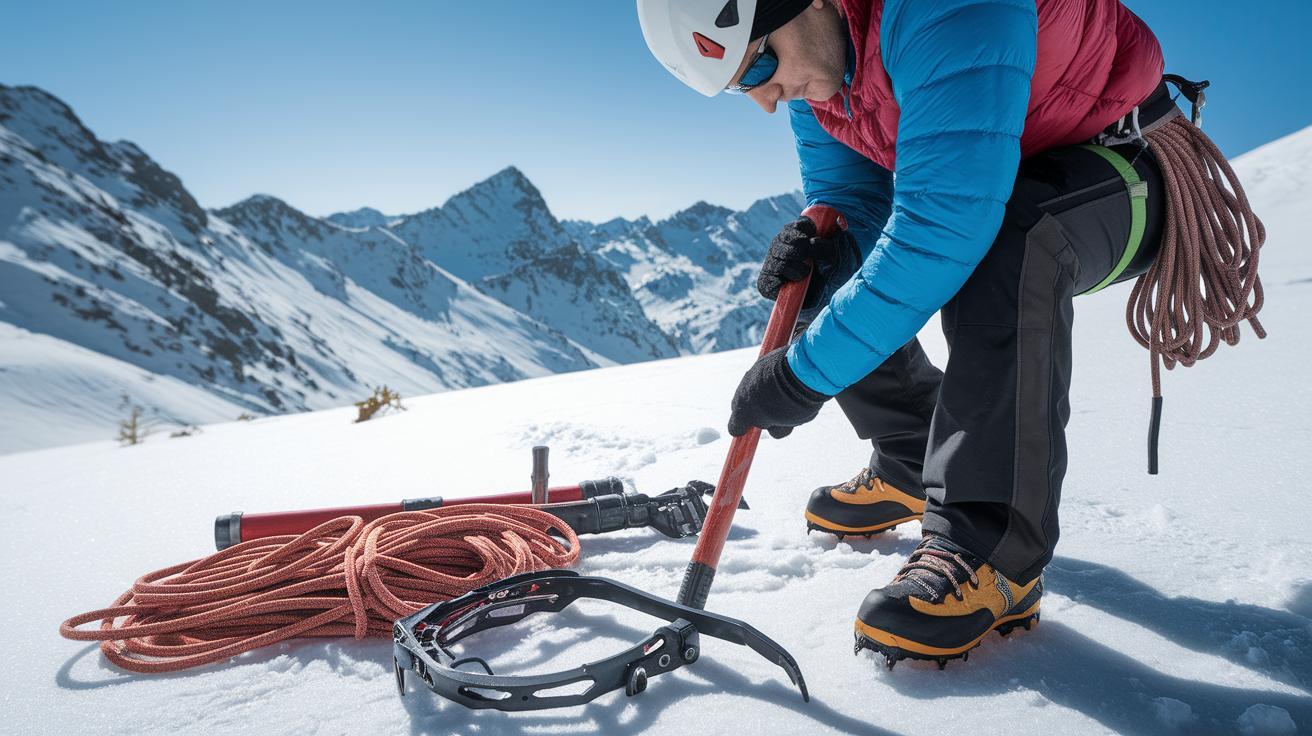
Before you set out, take a few minutes to check that every piece of your gear works well. Try on your crampons to make sure they fit snugly and hold onto the ice. An avalanche safety course can teach you how to spot any issues with your equipment quickly. Look over your ice axe and any other tools to see if there is any damage or wear. Also, check that your rope and harness are strong enough for alpine use.
Next, make sure your technical gear is right for the conditions you expect to face. Test your water purifier (a device that cleans water) to be sure it works, and pack an emergency bivvy (a small, lightweight shelter) in case the weather suddenly changes. If you are trekking in areas known for snakes, consider adding snake-proof gaiters to your gear list. Spending a few extra moments on these checks can really boost your safety on the mountain.
Here is a list of eight key gear items to inspect before you head out:
- Avalanche beacon
- Crampons
- Ice axe
- First aid kit
- Emergency shelter
- Hydration system
- Navigation tools (hiking safety tools)
- Water treatment kit
Taking the time to carefully audit your gear helps you catch problems before they turn into real issues on your trek. This simple check not only reduces risks from faulty equipment, but it also gives you the confidence you need for a safe alpine adventure.
Environmental and Route Condition Survey in Your Pre-Trip Safety Checklist
Before you hit the trail, gather the latest weather updates, trail conditions, and any route closures. Check the national park or forest service website for current weather and review snowpack reports (these show you how stable the snow is). Look out for hazard spots like steep slopes or crevasse areas and see if the challenge fits your group's fitness and skills. It’s just like checking traffic before a long drive, you need to be ready for any unexpected changes.
| Type of Condition | Where to Check | What to Do |
|---|---|---|
| Weather Updates | National park or forest service | Review the extended forecast and current conditions |
| Trail Closures | Local park alerts | Confirm your route is open |
| Snowpack Reports | Forest service updates | Check stability and recent snowfall amounts |
| Avalanche Bulletins | Avalanche forecast center | Assess risk levels and adjust plans if needed |
Once you have all this key information, decide if the planned trek is right for your group. For example, if the avalanche report shows high risks, it’s best to postpone your alpine trek until conditions improve. Taking these steps makes all the difference between a safe, enjoyable day in the mountains and running into an unexpected challenge.
Navigation and Communication Preparation for Alpine Treks
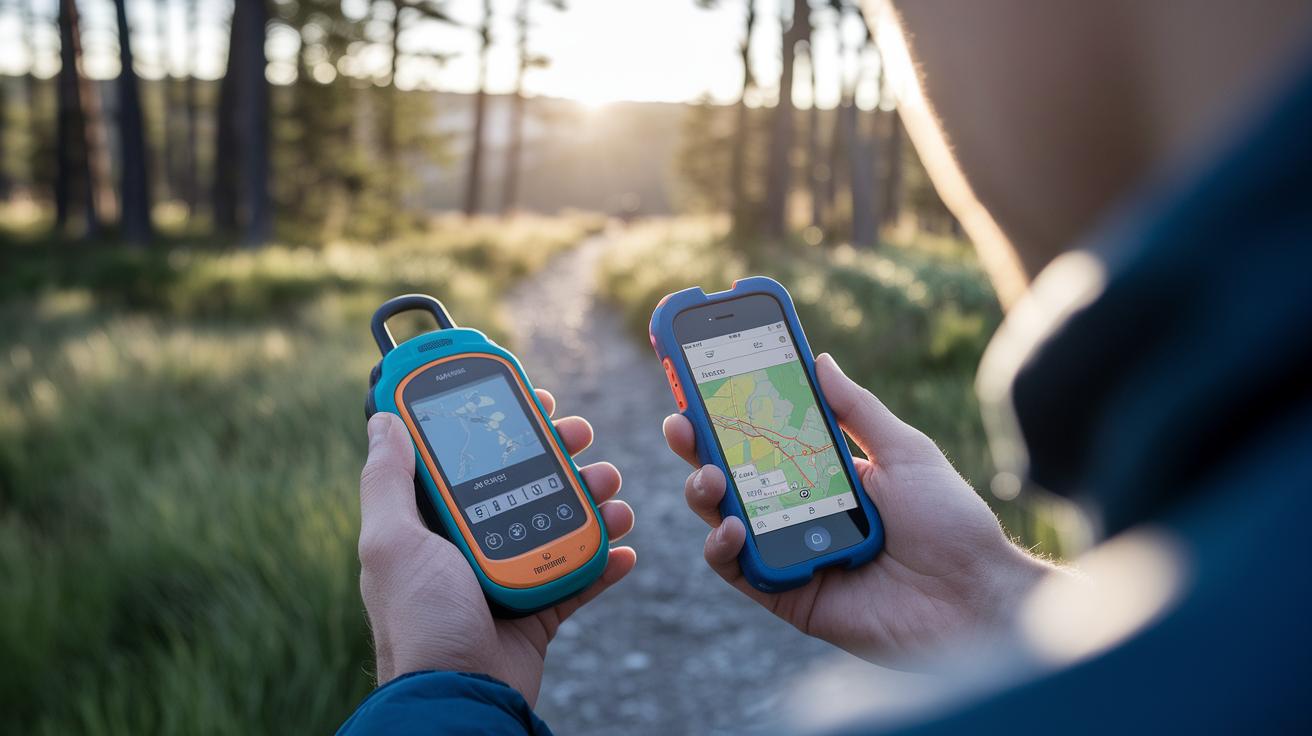
Before you head out, check all your navigation tools. Test your GPS to be sure its battery will hold and that your offline maps load correctly. Spend a few minutes practicing with your map and compass (this shows you hills and valleys) in case your GPS fails. This trial run builds real trust in your basic tools. Pack a few paper maps and a small repair kit, too, so you're ready for any gadget hiccups.
Activate and register your satellite communicator well before you leave. Take a few minutes to practice sending an emergency signal and see that each feature works as it should. This extra step is like a backup lifeline when digital maps or wireless signals let you down. Doing this means you have several ways to stay connected and on track during your alpine trek.
Physical and Health Readiness Checks in Your Pre-Trip Safety Checklist
Before heading out on an alpine trek, check your fitness and talk to your doctor if you have any health concerns. Try a training plan over several weeks to build up both your endurance (for long walks) and strength (to carry your pack). This preparation helps your body cope with steep climbs and rugged terrain. When planning a trek at high altitude, pack any needed oxygen equipment or prescription medicine. Also, plan your water and food breaks to help prevent altitude sickness. Keeping track of your water intake and snack breaks can really keep your energy steady.
As you begin your hike, keep a close eye on how you feel. Notice how your body reacts as you gain elevation, and be ready to slow down if you feel overly tired or unwell. Simple steps like doing a light stretch before challenging sections and taking short rest breaks can go a long way. Listen to your body and adjust your planned pace at once if you see signs of altitude sickness. This careful monitoring is key to enjoying a safe and successful mountain adventure.
Emergency Response and Protocol Planning in Your Pre-Trip Safety Checklist

Before you set off, check that your first aid certification is current and that you have a solid emergency plan. Write down simple what-if scenarios and mark both your main and backup routes. This is like drawing a map for those unexpected moments on the trail. Knowing your exit points makes it easier to act fast if conditions change.
Next, create a clear evacuation plan by identifying safe zones and listing local rescue contacts. Tune in to local radio channels and confirm the details of nearby rescue services. Planning these steps means you have multiple safety nets in place so you can always find your way out if plans go awry.
Finally, review your emergency kit to be sure it’s complete and in good shape. Check your first aid supplies, emergency shelter, and navigation tools. Add your avalanche beacon (a device that helps locate you in a slide) to the kit and run through your distress-signal steps one more time. This way, every part of your plan is ready if you ever need it most.
pre-trip safety checklist for alpine treks: Stay Secure
Plan your trip in full and share it with someone you trust before you leave. Check all your hut or campsite bookings and be sure you have at least three people in your group. Map out your day with start times, finish times, and breaks. Use a checklist to mark off each reservation and write down any special instructions from the hut managers. You might also want to review some mountain hiking planning tips for extra help.
Make sure everyone in your group knows their role. Set regular check-in times so you can stay in touch if plans change. Agree on a way to communicate, whether by radio or cellphone, so no one loses contact. Working together like this helps keep your group safe on the trail.
Final Words
In the action of planning your alpine trek, we covered keeping your gear in check, surveying routes and conditions, and prepping your health for changing altitudes.
We also looked at solid navigation, communication, and emergency response planning so you can stay connected when it counts.
By following our pre-trip safety checklist for alpine treks, you can have confidence in every step on your mountain escape. Happy, safe hiking!
FAQ
What are the 10 essentials for a hike?
The 10 essentials include a first aid kit, map/compass, water treatment system, emergency shelter, extra clothing, food, fire starter, knife, flashlight, and repair kit to keep you safe.
What is the golden rule of hiking?
The golden rule of hiking means leaving no trace, respecting nature, and planning well so you can enjoy the trail while protecting the environment.
What are some key safety reminders in mountaineering and pre-hike preparation?
Key safety reminders involve checking weather, trail status, and gear functionality, packing the Ten Essentials, and traveling with a group of at least three to reduce risk.
What should beginners know about hiking essentials and equipment?
Beginners should focus on a clear gear list that includes map/compass, first aid kit, water treatment, proper clothing, and food, ensuring each item is in good working order before departure.
What items belong on a hiking or trekking checklist?
A hiking checklist should include basic gear like water, map/compass, first aid supplies, extra clothing, food, emergency shelter, flashlight, and fire starter, with variations based on day hikes or multi-day trips.