


Have you ever been caught unprepared when a sudden storm hits the trail? The weather can change fast, and the right gear can make all the difference. We put together a list of 12 must-have items that will help you handle sudden shifts, from heavy rain to biting cold. Think of this guide as your trusted hiking buddy, offering simple steps to pack smart and stay safe. Keep reading to find the gear that will keep you secure and ready for any weather.
Comprehensive Weather Preparedness Checklist for Mountain Travel
Mountain weather can change fast. Keep an eye on darkening clouds and quick bursts of wind, they can mean trouble is on the way. This checklist is like a trusted friend, making sure you have the gear you need for the next 72 hours in unpredictable conditions. Pack gear that shields you from heavy rain, strong winds, and chilly drops in temperature.
This list covers 12 must-have items you should check before you set off. From clothing that helps manage sweat to navigation tools that keep you on track, every item is chosen with safety in mind. Remember, use FIFO (first in, first out, meaning you eat older food first) for perishable rations. Also, a quick tip: one second between lightning and thunder means roughly five miles. This can help you decide if it’s time to move to safety.
- Moisture-wicking base layers to keep sweat away during hikes.
- Insulated mid-layers (fleece or down) that hold in body heat when it gets cold.
- A waterproof, packable raincoat for sudden showers.
- Sturdy hiking boots that give good grip on rocky trails.
- Extra socks to keep your feet dry and free from blisters.
- Navigation tools like a paper map and a GPS device to confirm your route.
- A charged cell phone or a satellite messenger for emergency contact.
- An emergency survival kit for the first 72 hours, including a thermal blanket and signaling tools.
- High-calorie snacks and lightweight meals as backup food.
- A compact multi-tool for minor repairs along the way.
- A portable mini weather station or altimeter for real-time updates.
- A backup power source or extra batteries to keep your devices running.
This checklist helps you step into your mountain adventure well-prepared. With practical gear in your pack, you can enjoy your journey while keeping an eye on safety in the face of changing weather.
Layered Clothing Strategies for Alpine Weather Preparedness
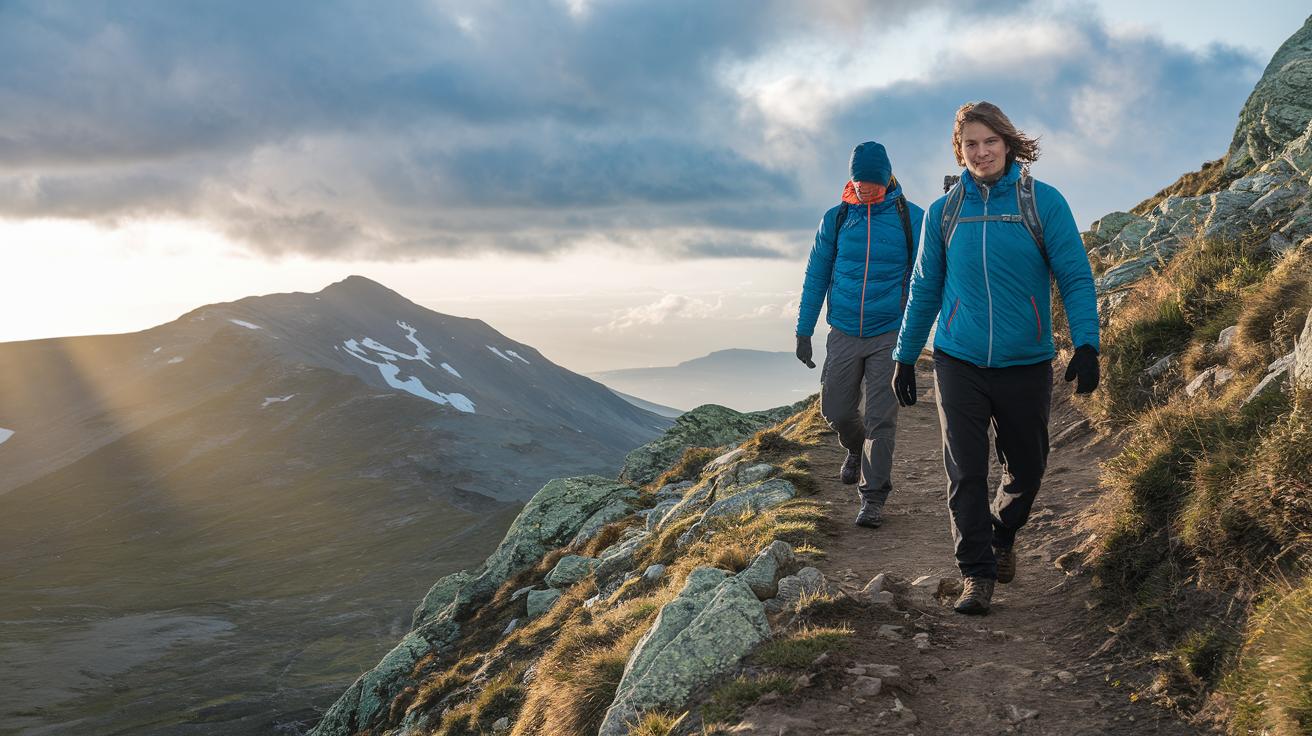
Mountain weather can change in a flash. The key to staying safe and comfy is layering your clothes. Start with a layer that pulls sweat away from your skin, add a warm middle layer, and finish with a wind and rain barrier.
Base Layer
Choose a material like merino wool or a synthetic blend that moves sweat away. This first layer helps keep you dry even when you're working hard. It’s your basic defense against the swings in temperature on the trail.
Mid Layer
Pick a warm layer such as a fleece or a down vest. This layer traps your body heat when it gets cool. Make sure it fits well over your base layer without getting in your way, whether you're hiking fast or taking a break.
Outer Layer
Wear a waterproof, breathable shell jacket and pants to protect against wind, rain, or snow. Look for useful features like an adjustable hood and sealed seams. This gear keeps you safe from the elements while letting excess warmth escape.
Stacking these layers gives you the freedom to adjust as the weather changes. With the right mix of moisture control, insulation, and weather protection, you’re set to tackle the alpine challenges ahead.
Essential Gear and Emergency Supplies for Mountain Weather Preparedness
When facing rough mountain weather, choose gear that's tough and easy to care for. Check your items often, make sure your thermal blanket still holds heat and your multi-tool works perfectly. Swap out supplies like fuel and batteries regularly to avoid surprises when conditions change quickly.
| Gear Category | Item Examples | Purpose |
|---|---|---|
| Survival Kit Components | Thermal blanket, signaling device | Provide quick warmth and help; check them often for signs of wear |
| Meal Supplies | Packable meals, energy bars | Give you energy when it’s needed; inspect packaging and expiry dates |
| Shelter Options | Bivy sack, four-season tent | Offer fast protection from the elements; keep seams and zippers in good shape |
| Portable Cooking | Stove, fuel tablets | Heat food and melt snow for water; check fuel levels and stove vents regularly |
| Repair & Utility Tools | Multi-tool, duct tape | Handle small fixes on the trail; clean and oil them to stay reliable |
Taking good care of your gear helps it last in harsh mountain conditions. Simple actions like checking batteries and rotating your supplies keep your kit ready when the weather suddenly shifts.
Navigation Tools & Alert Technology for Mountain Travel Weather Readiness
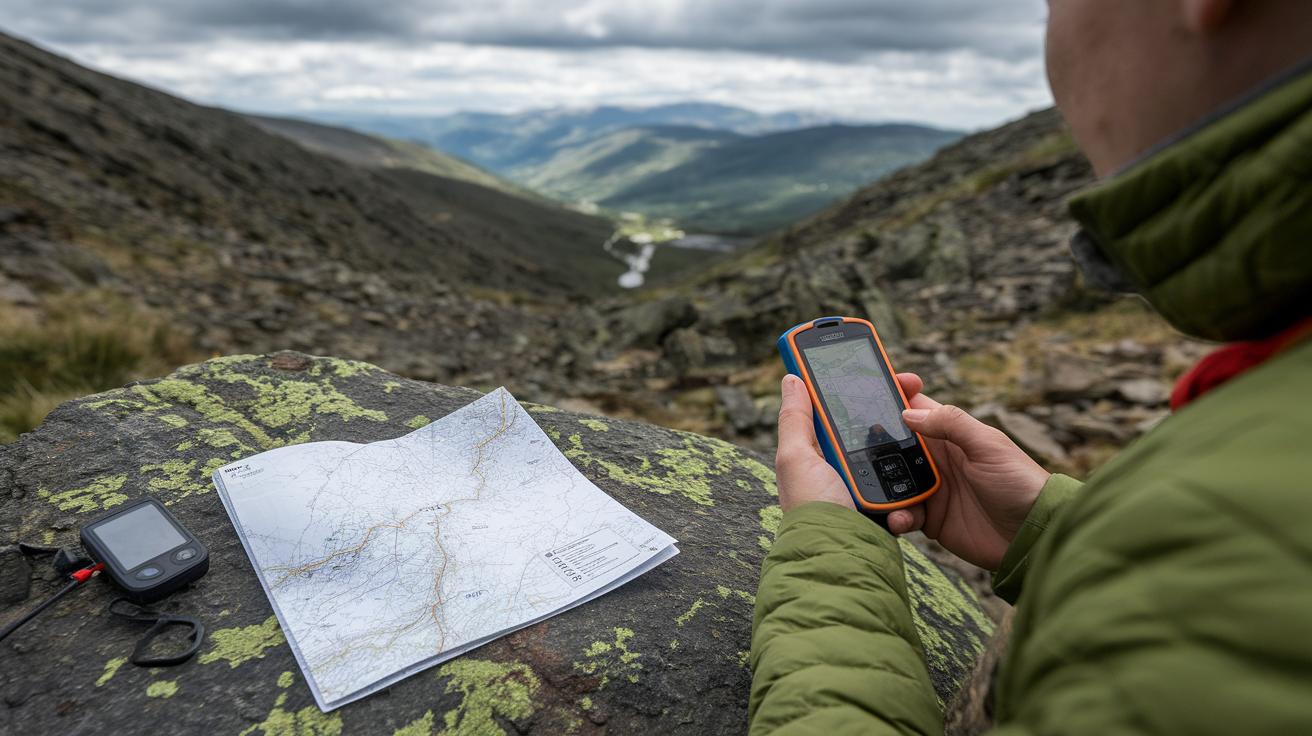
Navigation tools like GPS handheld units paired with a gps hiking app keep you well positioned in remote areas. They give you clear, real-time guidance that helps you stay on the marked trails, even when cell signals fade. Using a backcountry navigator alongside paper maps gives you extra confidence on exposed sections of the trail. Plus, satellite messenger devices let you make two-way contact when signals are weak, so you can get help if sudden weather hits.
Portable mini weather stations add another safety net by showing live updates on temperature, barometric pressure (air pressure), and humidity. With real-time weather data, you can adjust your plans on the fly when conditions change. Emergency beacons, connected to alert networks, send an immediate signal to rescue teams when severe weather or other hazards occur. Their quick activation is key in high-altitude scenarios where every minute counts. Using these navigation and alert tools in your travel setup keeps you connected, informed, and ready to act as mountain weather changes unexpectedly.
Pre-Expedition Forecast Strategies & Weather Monitoring for Mountain Trips
Before your trip, check the official mountain weather forecast 24–48 hours ahead. Use local mountain bulletins, national weather services, and trusted mobile apps to get a clear picture. Then, check the forecast again within 12 hours of leaving to catch any last-minute changes. This helps you pack the right layers and gear so you stay safe on the trail.
While you're on the trail, keep an eye on natural signs. Watch for rapidly forming clouds or sudden gusts that might mean a storm is near. Try the lightning-to-thunder trick: each second between a flash and its sound means the storm is about 1.6 km (1 mile) away. Also, check local alerts and use digital forecast tools to adjust your plans if needed.
High Elevation Storm Survival & Emergency Response Checklist
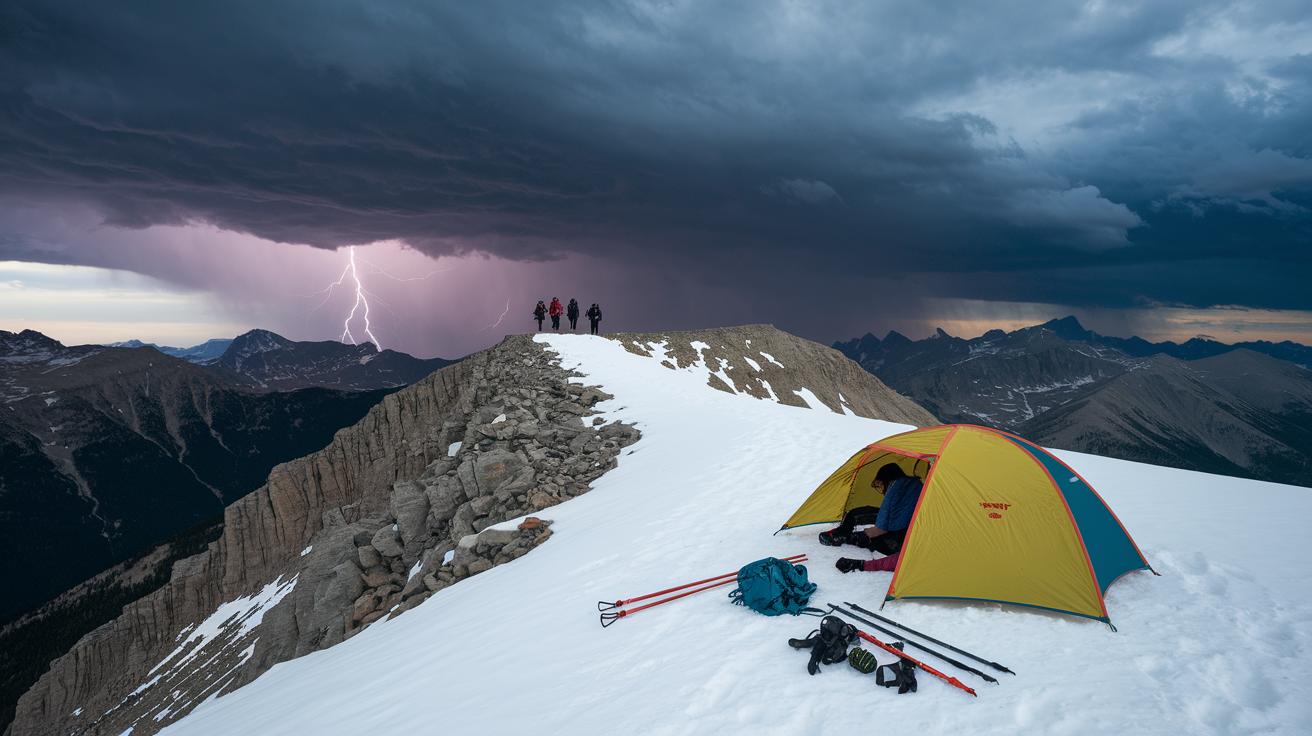
High-altitude storms come on suddenly. When you see lightning followed by thunder in less than 10 seconds, head away from open ridges immediately. Stay alert for avalanche risks on wind-swept slopes and avoid areas where the snow might have shifted. Always bring your avalanche gear (probes, shovels, and avalanche transceivers) so you’re ready for a slide hazard.
At the first sign of a storm, set up your emergency shelter without delay. This quick step helps keep you safe from strong winds and heavy rain.
If you need help, use your survival kit to signal for assistance. A whistle, mirror, or satellite beacon can alert others if you're in trouble. Keep a small portable heater and some high-calorie snacks close by to help maintain your core body temperature during harsh weather. Before you set out, check that all your emergency gear is working well.
In high-elevation storms, every second matters. Acting fast with these simple steps can make a big difference in keeping you safe on the mountain.
All-Season Gear Maintenance for Rugged High-Altitude Climate Planning
Before you head out, give your outer layers a good check for any signs of wear. Make sure water still beads up when it hits your jacket. If it starts soaking in instead, it’s time for a fresh water-repellent coat. This tip is all about the specific care your gear needs, leaving other advice like battery checks or food rotation aside.
When you store your gear during the off-season, use breathable sacks. This helps keep moisture at bay and stops mildew from setting in. It’s a simple step that ties in with all our other prep and safety tips to ensure your equipment stays ready for high-altitude adventures.
Final Words
In the action, you explored practical steps to face rapidly changing mountain weather. The post detailed layered clothing, essential gear, navigation tools, and storm survival tips. Each section offered checklists and advice to keep you safe and confident. Remember to pack your weather preparedness checklist for mountain travel, as it helps guide your gear choices and pre-trip routines. With careful planning and respect for the mountains, every hut stop becomes a chance to enjoy nature and local hospitality. Stay ready and have a great time exploring the trails!
FAQ
Printable weather preparedness checklist for mountain travel
The printable weather preparedness checklist for mountain travel outlines vital gear like layered clothing, navigation tools, and survival items, helping you stay safe when mountain conditions change quickly.
Printable packing list for mountain vacation
The printable packing list for a mountain vacation covers essential items including proper clothing, personal gear, and safety equipment, ensuring you have everything needed for a secure and comfortable trip.
7 day hike packing list
The 7 day hike packing list details recommendations for multi-day trips, including layered clothing, food supplies, shelter, and emergency gear to keep you safe and organized throughout your hike.
Hiking essentials for beginners
The hiking essentials for beginners combine basic layers, durable footwear, water, snacks, and a simple first-aid kit, providing a straightforward set of items to help you start your hike confidently.
10 Essentials for hiking PDF
The 10 Essentials for hiking PDF offers a ready-to-use checklist featuring items like navigation aids, extra food and water, proper clothing layers, and emergency tools to prepare you for any trail conditions.
Hiking packing list day trip
The hiking packing list for a day trip includes light layers, water, snacks, a compact first-aid kit, and navigation tools, ensuring you’re set for a short, safe, and enjoyable outing.
Short hike packing list
The short hike packing list recommends only the essentials such as minimal clothing layers, water, a snack, and basic navigation aids, helping you remain prepared without carrying too much weight.
Rei hiking checklist
The REI hiking checklist features high-quality gear like reliable outerwear, solid footwear, layered clothing, and a trusted survival kit, all chosen to meet the demands of variable mountain climates.
How to prepare for a trip to the mountains?
The preparation for a trip to the mountains involves checking weather forecasts, packing layered clothing and a survival kit, and reviewing navigation strategies to ensure a safe and well-planned outing.
What are the Ten Essentials Mountaineers?
The Ten Essentials Mountaineers include navigation tools, extra food and water, sun protection, a first-aid kit, extra clothing, emergency shelter, fire-starting tools, a repair kit, and a multi-tool, forming the basis of a survival kit.
What are the 10 essential survival kit items?
The 10 essential survival kit items consist of water purification means, high-energy food, first-aid supplies, a multi-tool, a light source, fire starters, emergency shelter, a signaling device, extra clothing, and a navigation aid like a map or GPS.
What are the big 3 items backpacking?
The big three items for backpacking typically refer to a sturdy shelter, reliable navigation tools, and sufficient food and water, providing the core essentials needed to stay safe during your extended trip.