


Can you enjoy the mountain trails while leaving no trace? We believe you can by mixing smart trail tips with a deep care for nature.
Imagine your footsteps as gentle taps on a borrowed instrument. Every step helps protect delicate wildflowers and soil.
Stay on the marked path, pack out your trash, choose eco-friendly gear, and respect the local wildlife. With these simple habits, you help keep our mountains beautiful and safe.
Core Categories of Eco Hiking Practices for Mountain Trails
Eco hiking means enjoying the mountains while caring for nature. When you head out, focus on key areas: choosing the right trail and sticking to it, managing your trash, picking smart gear, keeping a safe distance from wildlife, and setting up camp on sturdy ground. We follow simple leave-no-trace tips (more at https://hike2hut.com?p=) that help you pack out your trash and disturb nature as little as possible. Staying on marked trails protects the soil and the tiny life forms that call it home.
Picking nearby mountain paths cuts down on travel emissions and shows support for local natural spots. Handle your trash and food scraps with care. Use gear from companies that care about the environment. Respect animals by keeping your distance, and choose campsites with durable surfaces to avoid harming the land.
These steps set the base for a green, smart hike. Up next, you'll find clear advice on planning routes, choosing the right gear, and managing waste so every mountain hike turns into an eco-friendly and rewarding adventure.
Green Trail Guidelines for Eco Hiking on Mountain Trails

Stay on the marked trails. They protect the soil and small plants by spreading out foot traffic, much like street signs guide you in a town.
Wandering off the path can harm the land. Heavy steps on unmarked ground wash away soil and disturb plants and insects. For example, one hiker noticed that a single step on moist moss disrupted a patch of delicate wildflowers.
Follow the trail markers and local rules to keep the paths healthy. Even if a pretty spot calls your name, stick to the route. As one local ranger put it, "Every time you stay on the path, you give nature a chance to heal."
Pick local trails when you can. Choosing nearby paths means less travel, which reduces your carbon footprint while still letting you enjoy the beauty of the mountains. For instance, try a woodland loop close to home instead of a trip to a far-off park.
Waste Management Strategies for Eco Hiking on Mountain Trails
Plan your waste capacity well before you start your hike. When you pack, think about how you'll hold and dispose of every item you bring. Bring extra bags or small containers just for trash and recycling. One hiker shared, "I always carry a special bag for non-biodegradable waste, so I leave nature just as I found it." This simple step keeps the mountains clean.
On your trail, sort your waste into two groups, organic and inorganic. Food scraps (organic waste) should be kept far from any water source (at least 60 m or 200 ft away) to protect the local ecosystem. Items like plastic wrappers or foil (inorganic waste) need to be carried out and recycled later. Avoid burying any waste since it can attract animals and disrupt the natural soil.
Stick with reusable gear to reduce trash along the way. Pack a refillable water bottle and compact food containers that you can use more than once. Using these everyday tools makes for a low-impact hike and helps honor our mountain spaces.
Sustainable Gear Selection for Eco Hiking on Mountain Trails
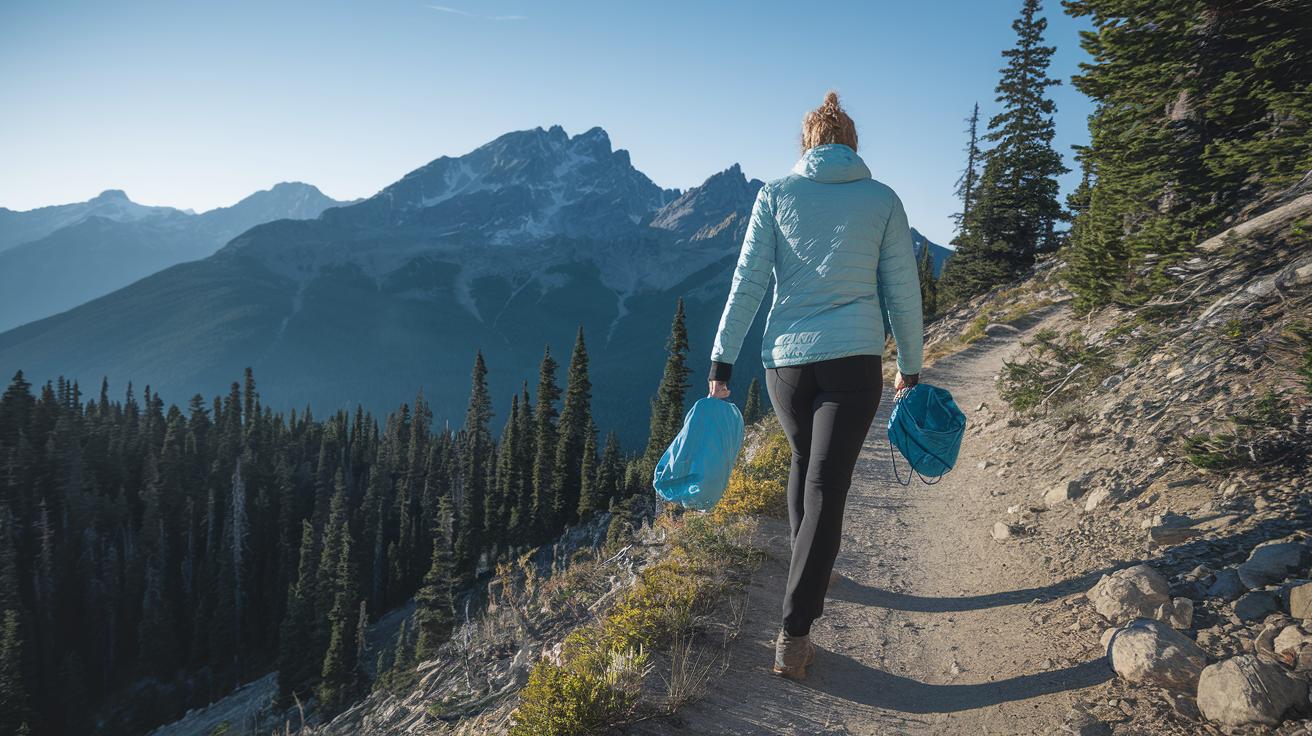
Choose gear for your mountain hike that is kind to nature. Look for items made from recycled or biodegradable materials. Stick with trusted names like Patagonia, Toad&Co, or REI. They use renewable resources and recycled fabrics to lower their impact on the wild. Picture a light jacket made from recycled polyester that keeps you warm on cool evenings yet leaves a small carbon footprint. Even your clothes can care for the trail.
After you pick your gear, check if it stands up to regular use. Quality gear lasts longer and means you won’t have to replace it often. This cuts down on waste and saves money over time. One seasoned hiker said, "Invest in tough, well-made boots and you won't need constant repairs." A smart choice like this makes a big difference for the environment.
Keep your gear in good shape with a simple maintenance routine. Clean it after hikes, fix small issues right away, and store it properly. This helps your equipment stay safe for your next adventure and lasts longer on the trails. Treat your gear like an old friend, the care you give it rewards you every time.
Wildlife Respect and Conservation Practices for Eco Hiking on Mountain Trails
When you're out on the trail, keep a safe gap from wild animals, about 100 feet (30 m) is good. Walk slowly and speak softly so they stay relaxed. Remember, these creatures aren’t pets; they live by their own instincts. One hiker said, "Seeing a deer up close was amazing, but I kept my distance so it could feel safe."
Stay quiet to help keep nature peaceful. Pack your food in sealed, scent-proof containers and never feed wildlife. This simple rule protects you and keeps animals from getting used to people. Also, steer clear of nesting spots or dens. As one hiker put it, "I saw a nesting bird from afar and chose a different spot to set up camp."
- Keep at least 100 feet away from all wildlife.
- Never feed wild animals.
- Keep your noise level low to reduce stress for animals.
- Store food in secure, scent-proof containers.
- Avoid nesting sites or dens to protect their habitats.
Eco-Conscious Route and Camp Setup on Mountain Trails
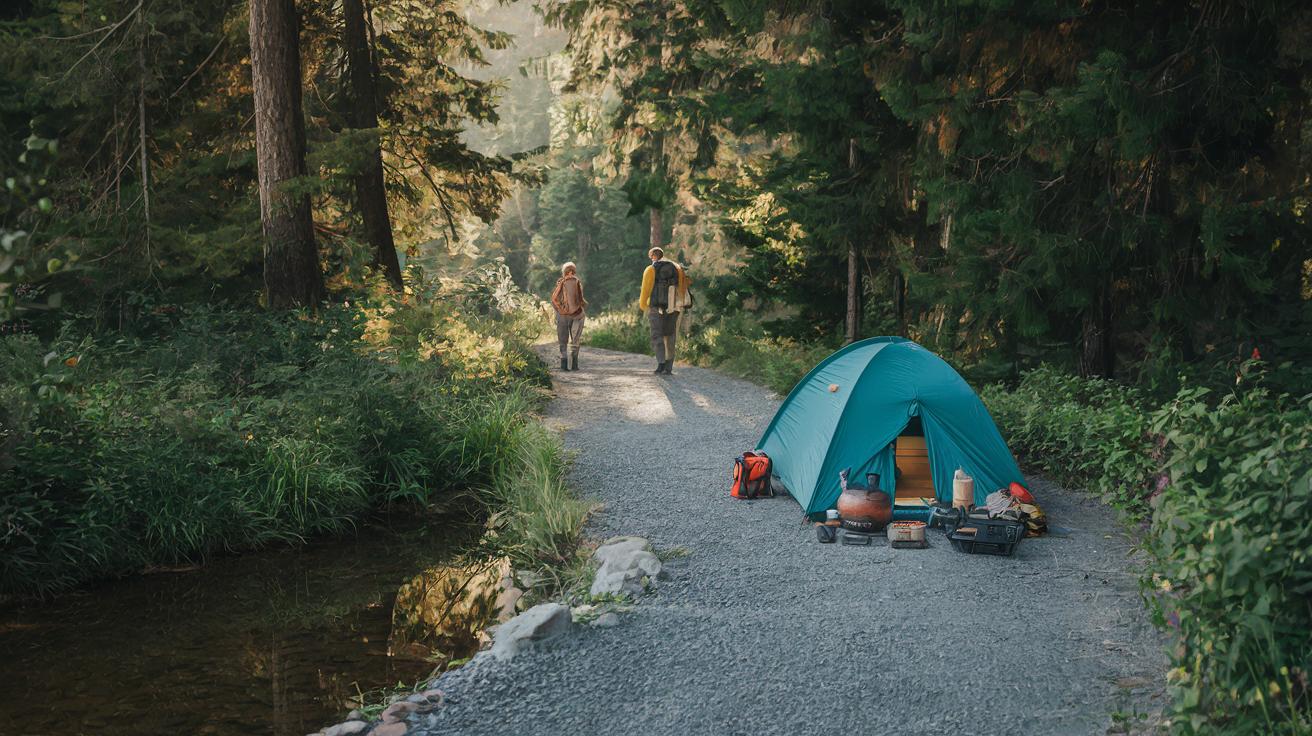
When planning your hike, stick to paths that lessen damage to nature. Pick trails with solid, worn surfaces like rock or gravel so you avoid fragile spots. This helps keep the soil and nearby plants safe, especially around water. For longer trips, check out our guide on eco-friendly multi-day hikes for more tips.
At your campsite, choose a flat area at least 60 meters (200 feet) from any water. Set your tent so it won’t harm the nearby vegetation. Spread out your gear to prevent concentrated impact. Using a spot that other hikers have used before helps keep your footprint small.
For your meals, use a portable stove instead of an open fire to cut down on risks and pollution. Remember to pack out any food scraps and trash, and follow local fire rules. Keep your cooking area tidy with reusable utensils. Small actions like these protect our mountain homes for everyone.
Final Words
In the action, we covered how careful trail choice, proper waste management, sustainable gear, wildlife respect, and thoughtful camp setup work together. Each point helps preserve our mountain paths and ensures safe hut-to-hut trips.
We looked at simple steps like sticking to designated trails and using eco gear. Every little effort counts on making your hike both fun and kind to nature. Embrace eco hiking best practices for mountain trails and enjoy a memorable, green mountain trek.
FAQ
What are eco hiking best practices for mountain trails?
The eco hiking best practices stress staying on marked trails, managing waste responsibly, and choosing durable, sustainable gear. These principles help reduce soil erosion, protect local wildlife, and lower your impact on nature.
What does the trail building half rule mean and how do soft surface trail design and trail construction work together?
The trail building half rule advises creating routes that limit disturbance. Soft surface trail design focuses on gentle grading and minimal disruption to natural vegetation, letting trails blend with the landscape while reducing erosion.
What is the golden rule of hiking?
The golden rule of hiking is to leave no trace. Respect nature by using established trails, packing out all your waste, and keeping a safe distance from flora and fauna to help preserve the environment.
What are the 10 essentials when hiking?
The 10 essentials include a map, compass, extra clothing, sun protection, first aid kit, knife, flashlight, fire starters, food, and water. They keep you safe and well-prepared on your mountain trek.
Why do hikers eat gummy bears?
Hikers eat gummy bears for a quick burst of sugar and energy. The sensible snack is easy to pack, provides immediate fuel during long hikes, and serves as a light energy booster.
How can I get in shape to hike a mountain?
Getting in shape for mountain hikes means building endurance through regular cardio, strength training, and practice hikes. Gradually increasing the intensity prepares your muscles and stamina for varied terrain.