


Have you ever thought about leaving a light footprint in the mountains? We can help you with tips to plan hikes that protect the trails and support local communities. Busy parks see over 300 million visitors, so choosing less crowded times can make a big difference. A bit of research, quick permits, and smart gear choices help keep our trails safe and support the people who care for them. Read on for simple tips that blend your love for the outdoors with care for our green peaks.
Planning Essentials for Sustainable Mountain Treks
Caring for our trails, animals, and mountain communities is key for every hike. In 2022, U.S. national parks welcomed more than 300 million visitors. This surge caused crowded trails and erosion during peak times. By trekking off-peak, keeping groups small (around eight or fewer), and checking water sources ahead, you help protect these fragile spaces. It also supports local businesses and keeps paths safe and open for everyone.
Planning ahead adds real value to your adventure. A little research goes a long way. Leaving waste can harm the wildlife and plants that make our mountains so special. Booking permits early and sticking to marked trails shows respect for both the environment and the community. With a leave-no-trace approach, you help keep our mountains clean and ready for the next hiker.
Follow these key steps:
| Step | Description |
|---|---|
| 1. Seasonal Research | Plan your trek during quieter times |
| 2. Permit Acquisition | Book permits early and support fee systems |
| 3. Group-Size Management | Keep your group small for safety and minimal impact |
| 4. Risk & Emergency Assessment | Review potential hazards and prepare accordingly |
| 5. Water-Source Mapping | Know where you’ll find water along the path |
| 6. Eco-Conscious Gear Budgeting | Pick gear that is light on the environment |
| 7. Local Community Liaison | Respect and support the mountain folks who care for these trails |
Keep reading for more tips on handling gear, managing waste smartly, and enjoying the trail while leaving a light footprint on the mountains.
Eco-Friendly Gear and Equipment Choices for Mountain Treks
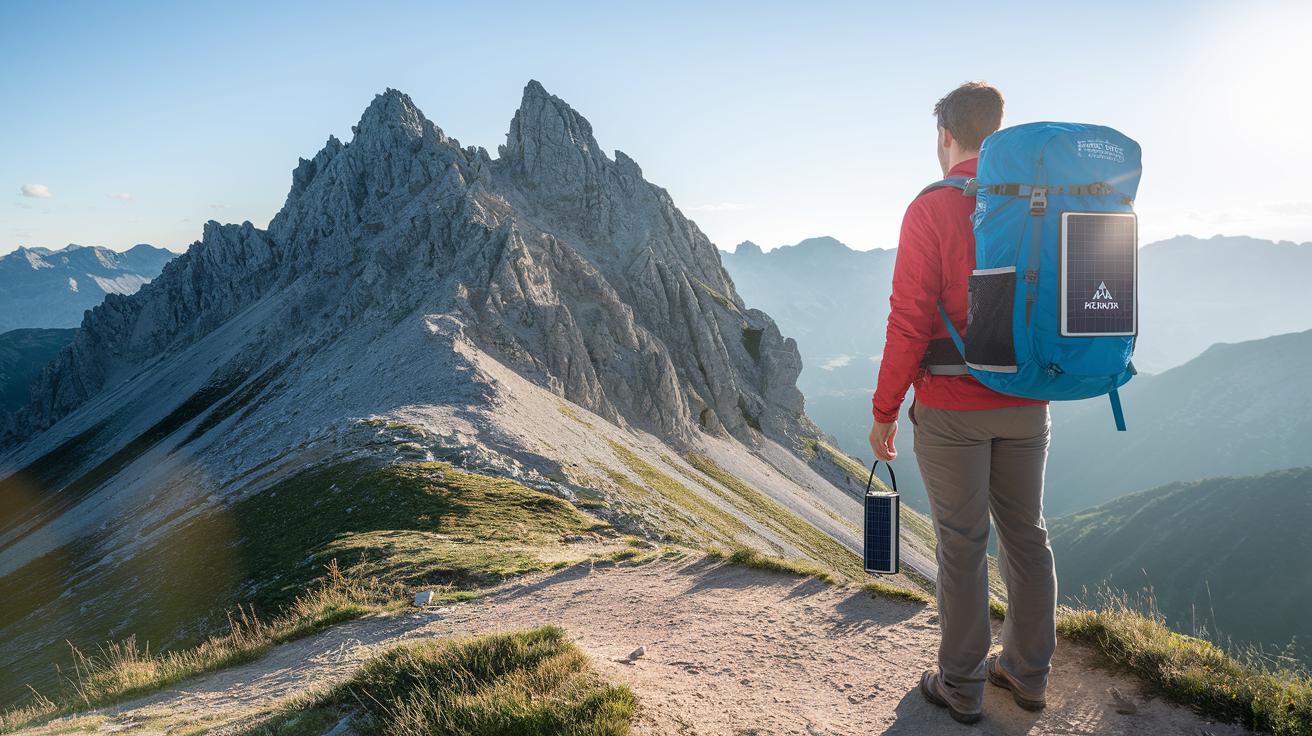
When you get ready for a mountain trek, choosing gear that is kind to nature makes a big difference. Using sustainable gear means less waste and cleaner mountain streams and trails. Simple choices, like a recycled nylon backpack or a waterproof shell without harmful chemicals (PFC-free), work hard on tough climbs while caring for the environment. It’s like picking a locally made snack – a small shift that saves energy and cuts waste over time.
Here are some eco-friendly essentials:
- Recycled backpack
- Solar USB battery (a small charger that uses the sun)
- Reusable food pouches
- Biodegradable soap
- PFC-free apparel
Taking care of your gear is just as important as picking the right items. A basic cleanup routine can make your gear last two to three years longer, reducing the need for replacements. After a muddy or wet day on the trail, give your gear a good rinse. Let items air-dry away from strong sunlight and store them in a cool, dry spot. For example, cleaning your recycled backpack after a wet hike helps it stay durable for your next adventure.
Regular care means fewer broken parts and fewer resources spent on making new gear. In a way, by looking after your eco-friendly supplies, you show respect for the mountains and ensure that future trekkers enjoy the same reliable, sustainable equipment.
Route Selection and Leave-No-Trace Navigation on Mountain Treks
When you stick to the paths set by trail makers, you help protect the wild. Stay on the marked trails, watch your step on fragile soil, and keep at least 60 m (200 ft) away from water. This simple habit keeps native plants and animals safe. For more info, check out the leave no trace guidelines for eco-friendly hiking.
Digital Tools for Eco Navigation
Today, your hiking apps and GPS tools can guide you on the right path. They help you avoid busy, worn-out trails and steer clear of spots that are being restored. These tools warn you about trail closures and changes in conditions, so you can easily choose routes that are kinder to the land.
- Trail durability ratings
- Wildlife sensitivity maps
- Seasonal closures
- Erosion hotspots
- Hiker traffic data
- Water source protection tips
Keep an eye on how much impact you have on the trail. Simple checks like counting your steps on sensitive parts, tracking the time you wander off the beaten path, or noting changes in the trail surface can tell you a lot. This basic feedback lets you adjust your route and habits to leave nature as undisturbed as possible, while still enjoying a great adventure.
Waste Management and Conservation Tactics for Sustainable Treks
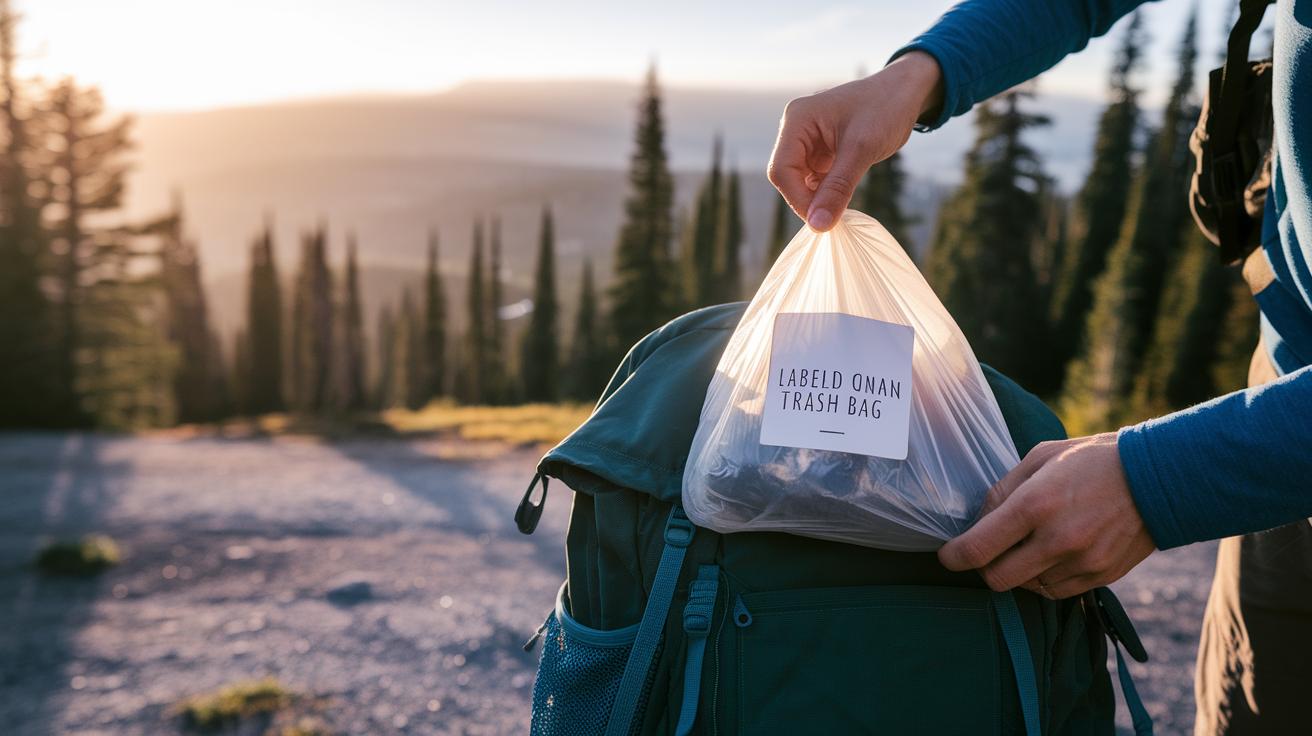
Litter on the trail not only ruins the view but can also hurt animals and plants. When we pack out all our trash, we keep the mountains clean and safe. Using special trash bags and field-toilet kits really helps make a difference.
- Always carry separate bags for trash and recyclables.
- Pack out any waste that does not break down naturally.
- Keep food scraps secure to avoid attracting animals.
- Use water-purification tablets (small chemicals that clean water) instead of single-use filters.
- Bring a field-toilet kit for when you need to go.
- Use biodegradable liners to lessen the impact of human waste.
- Remove and pack out all packaging from snacks and gear.
| Waste Type | Best Practice | Example Items |
|---|---|---|
| Trash | Use designated bags to pack out waste | Plastic bottles, wrappers |
| Food Scraps | Bag all uneaten food | Fruit cores, vegetable remains |
| Human Waste | Use field-toilet kits and biodegradable liners | Waste storage, toilet paper |
| Packaging | Remove and pack out all packaging | Chip bags, plastic containers |
Good waste management shows respect for the trail and the local community. For more tips on keeping nature clean, check out the eco hiking best practices for mountain trails. By taking care of our waste, we also honor the traditions and values of these cherished mountain spaces.
Respecting Local Communities and Cultural Practices During Treks
Your trek helps protect both the trail and the people who live here. Paying permit fees keeps the trail in good shape and supports local conservation work. When you follow permit rules, you show you care about the mountain's natural beauty and the traditions of nearby communities. This support helps improve facilities and makes for a safer trek for everyone.
Paying attention to local customs makes your trip even richer. Wearing the proper clothes at sacred spots and hiring a local guide connects you with the people of the area. These actions honor their traditions and build trust between you and the community. Keeping your voice low near farms helps keep the peaceful rhythm of mountain life.
- Book permits early
- Hire local guides for safety tips and local insight
- Follow cultural rules at sacred sites
- Keep noise low around farms and villages
- Enjoy local meals to support the community
Green Transport and Carbon Reduction Strategies for Upland Treks
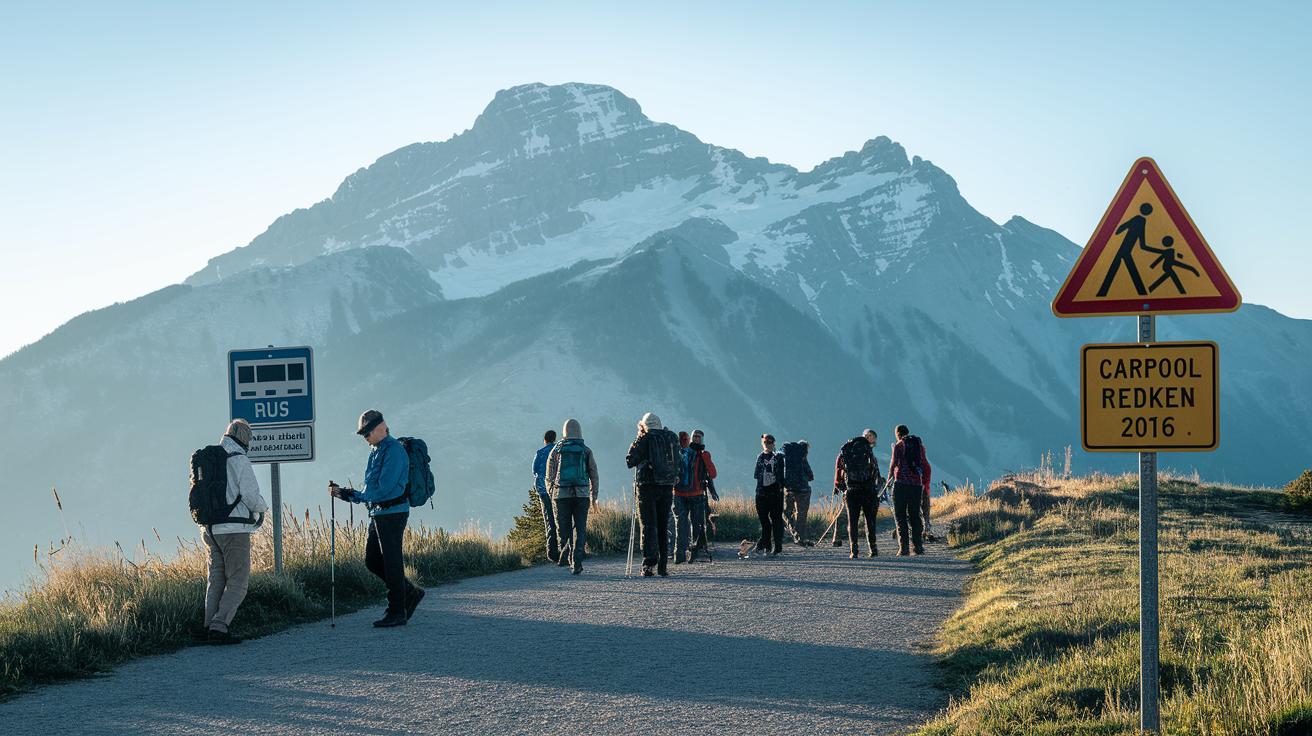
When you plan your trek, remember that getting to the trailhead can make up 40–60% of your trip's total emissions. The way you travel to the start of your adventure matters a lot. Choosing greener transport options not only helps the planet, but it also keeps the trails in better shape and shows real respect for local communities.
Opt for shared rides or take public transit. These choices lower your carbon footprint and make your alpine trip more sustainable. Here are some ideas to consider:
- Rideshare with other trekkers
- Use public transit to reach the trailhead
- Bike part of the way if you live nearby
- Rely on electric vehicle charger networks if you drive an EV
Another simple step is to choose carbon offsets. Look for certified forestry or renewable energy projects that can balance out any extra emissions from your travel. Spending a bit of your trekking budget on these projects supports long-term, low-impact travel practices and helps build a greener future for all mountain lovers.
Case Studies and Expert Insights on Regenerative Trekking Practices
Data and real-world tests help us plan eco-friendly mountain trips. By checking numbers and real trails, we learn simple ways to lessen our impact on nature. Even small changes, like smaller groups, smarter energy use, and careful waste handling, can make a big difference.
Nepal Solar Trek Initiative
In 2023, the Solar Trek in Nepal mixed new ideas with local tradition. Local solar stations powered key services along the trail. Hikers were encouraged to use these solar tools and avoid single-use items, which cut waste by 60%. By blending modern tech with time-tested practices, this trek lowered its footprint and supported local energy projects.
Alpine Hut Zero-Waste Experiment
The Alpine Hut Zero-Waste Experiment showed how clear rules and small groups cut waste. Hikers left less than 0.5 lb of trash each per day. Keeping groups to ten people reduced trail damage by 40%. This proves that thoughtful planning and behavior matter as much as the gear you carry.
- Q: What group size keeps trails in the best shape?
A: Keep groups to ten or fewer to reduce trail wear and waste. - Q: Which energy choices work best for mountain treks?
A: Renewable energy like solar-powered facilities cuts waste and carbon emissions. - Q: How do clear waste rules change trekking?
A: Strict waste measures can drastically lower each hiker’s trash, as shown by Alpine Hut.
These examples show that small groups, solar energy, and careful waste management help protect our trails. We encourage planners to adjust these practices to fit local routes and conditions, using real data for safe and green mountain trips.
Final Words
In the action, we looked at planning essentials, eco-friendly gear, mindful route selection, waste management, local respect, and low-emission transport. We broke down each step, from off-peak scheduling to community connections, so you can experience safe, memorable treks.
This article wraps up sustainable mountain trek planning tips in clear, actionable steps. Keep these pointers in mind as you set out and enjoy simple, low-impact mountain stays while leaving a light footprint. Happy hiking!
FAQ
What sustainable mountain trek planning tips on Reddit suggest?
The sustainable mountain trek planning tips on Reddit focus on researching off-peak seasons, securing permits, limiting group size, mapping water sources, and following Leave No Trace practices to protect trails and wildlife.
What do sustainable mountain trek planning tips in PDFs cover?
The sustainable mountain trek planning tips in PDFs cover clear steps like off-peak scheduling, early permit acquisition, group management, emergency planning, and eco-friendly gear choices to minimize impact and preserve natural areas.