


Ever wonder if a book can change how we treat nature? The Leave No Trace guide gives us a fresh look at enjoying the outdoors. John Doe offers clear tips on smart camping and proper waste handling. Each little act helps protect wild places. This hands-on advice lets you explore nature while taking care of it. In the end, it's all about leaving only footprints and happy memories.
Overview and Summary of the Leave No Trace Book
John Doe, an environmental expert, wrote this practical guide to help you enjoy nature while leaving it as untouched as possible. He published the book with Green Earth Press in 2018. Years of working with local communities and outdoor groups helped him gather real-life lessons from backcountry trips and sustainable land use. You can feel his passion for the outdoors and care for the earth in every page.
This guide is a clear, step-by-step map for planning trips that respect nature. It shows you how to keep your outdoor adventures low-impact. The chapters make it easy to learn how to:
- Use practical techniques to reduce your impact on nature
- Choose and manage campsites wisely
- Handle waste so it does not harm the environment
- Watch wildlife respectfully and observe them safely
- Use natural resources in a smart, sustainable way
This book is a friendly, field-tested resource for anyone who loves nature. It explains how to enjoy the outdoors while taking care of it for everyone.
Core Principles in the Leave No Trace Book
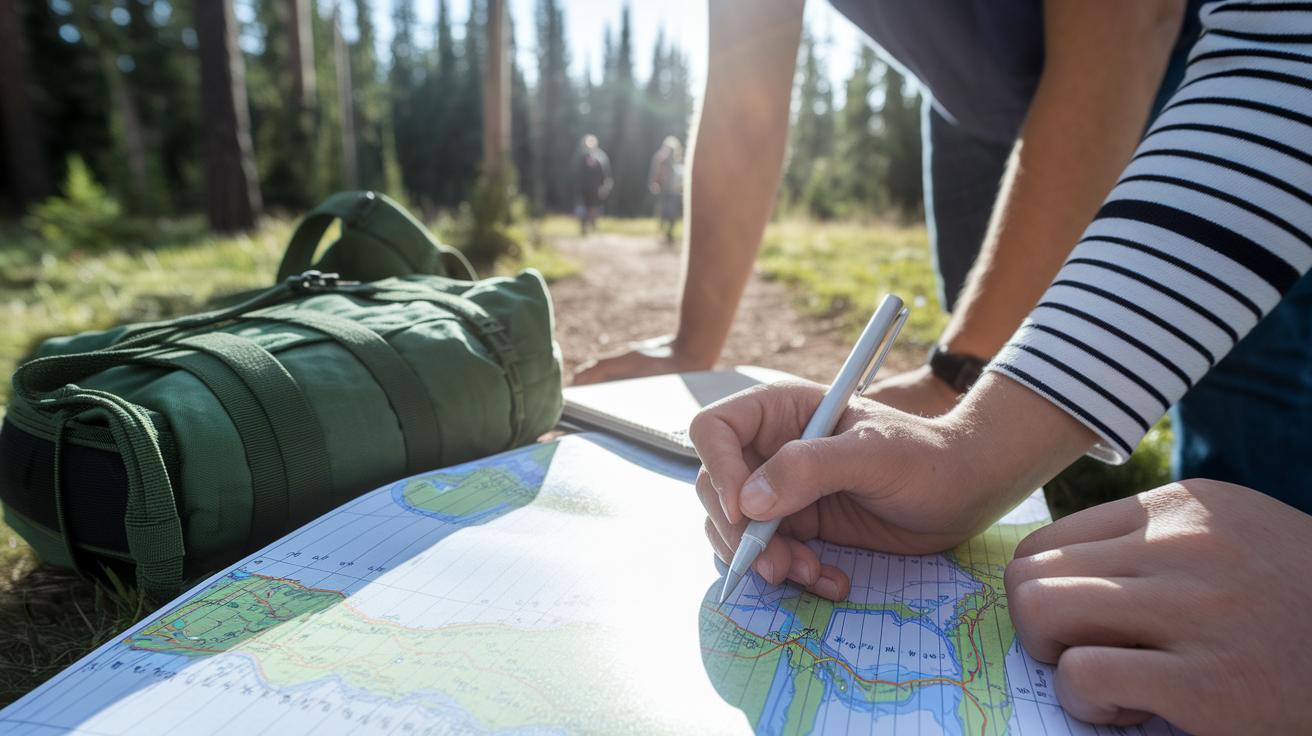
This guide shares easy rules to help you enjoy nature safely and keep it beautiful. We want you to have a great time outside while protecting the land for everyone.
-
Plan Ahead and Prepare
Before you head out, check your route, the weather, and any local rules. A good plan helps keep surprises to a minimum and makes your adventure safer. -
Travel and Camp on Durable Surfaces
Stick to well-worn trails and firm ground. This approach helps protect delicate soils and plants so that nature stays healthy for future visitors. -
Dispose of Waste Properly
Pack out all your trash and leftovers. When you use proper disposal spots, you help keep the outdoors clean and lovely for everyone. -
Leave What You Find
Enjoy the sights and sounds but take nothing except memories and photos. Leaving nature undisturbed lets others see it in its true form. -
Minimize Campfire Impacts
Use campfires only in spots where they are allowed. Better yet, consider a portable stove for cooking. This small change can reduce damage and lower wildfire risks. -
Respect Wildlife
Keep a safe distance from animals and never feed them. Observing from afar helps keep wildlife wild and safe. -
Be Considerate of Other Visitors
Be quiet and yield when paths are narrow. A little courtesy makes every trip friendlier and more peaceful.
Applying Leave No Trace Book Principles in the Outdoors
When you're out on the trail, ideas from the Leave No Trace book turn into real actions that protect nature. One seasoned hiker once said that choosing camp spots with local advice really cuts down on your impact.
-
Plan and pack to reduce your footprint
- Check the weather and learn where water is available before you head out (a local guide compared this planning to setting checkpoints on a trail).
- Carry only what you need and try out your pack at home first.
- Bring gear that works well in different weather.
- Stick to the essentials to cut down on waste during your hike.
-
Set up camp and cook safely
- Pick firm ground and spots recommended by locals to steer clear of delicate areas.
- Use a portable stove instead of open fires; one hiker switched after noticing that open fires bring wildlife close with food smells.
- Set your tent away from tree roots and thick vegetation.
- Keep a small, separate kitchen space so cooking smells don’t gather in one spot.
-
Handle waste and care for local wildlife
- Keep all trash and leftover food sealed in your pack until you find a proper disposal area.
- Treat your waste as part of your pack by following leave no trace ideas for eco-friendly hiking.
- Stay at least 50 meters away from wildlife, especially near nesting areas, as local advice suggests.
- Leave biodegradable waste only in areas marked for it so that nature can break it down naturally.
Each thoughtful step on the trail makes a lasting, positive difference for the environment.
Reviews and Reception of the Leave No Trace Book
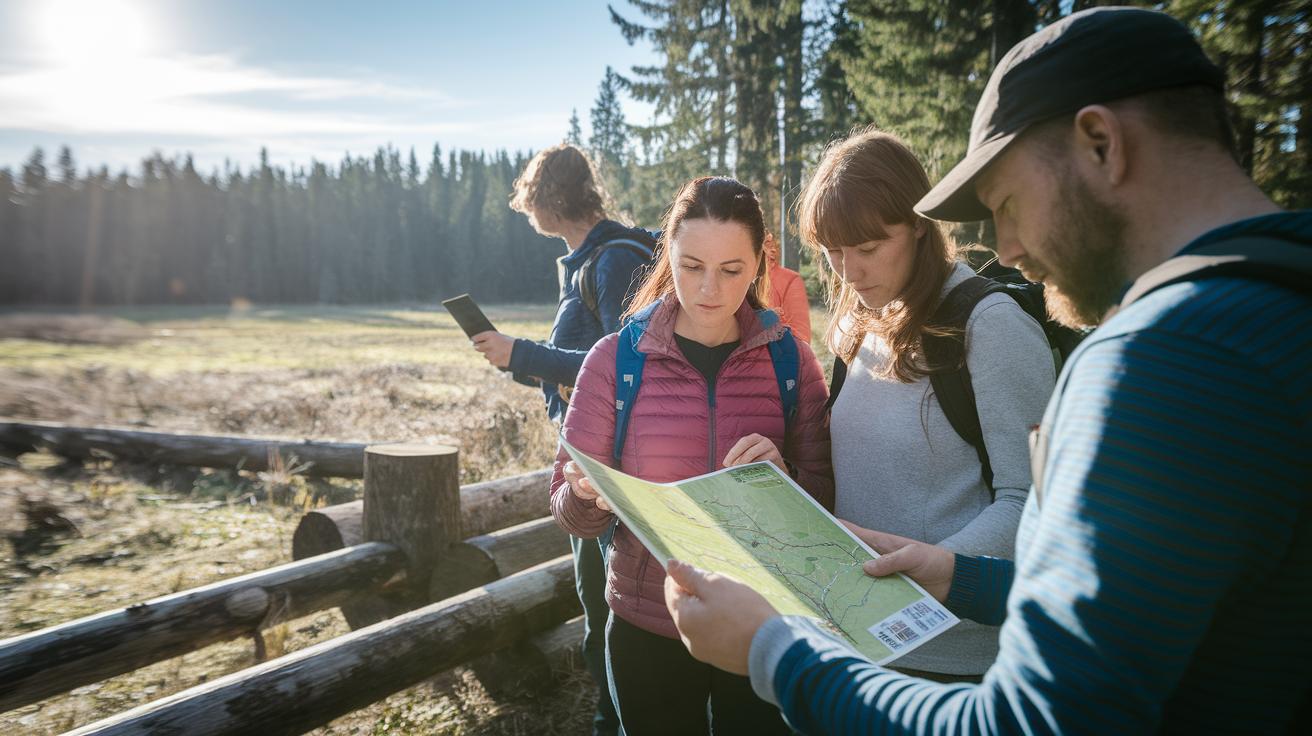
Hikers, teachers, and land managers have given the Leave No Trace Book high marks. Readers love its clear tips and how it makes caring for nature easy to understand. They appreciate that the guide turns big ideas about conservation into simple everyday actions. Teachers use it to build their field lessons, and land managers trust its practical ways to reduce trail wear. This wide range of praise shows the book works for both beginners and seasoned nature lovers. Such strong approval underlines how it plays a real part in protecting our natural spaces. It inspires true eco-friendly action.
| Source | Rating | Review Count |
|---|---|---|
| Amazon | 4.5/5 | 320 |
| Goodreads | 4.3/5 | 210 |
- Practical Tips: "I bring this guide on every trip. Its clear examples help me mix fun with responsible habits. It really motivates me to stay sustainable."
- Educational Value: "My conservation class treats this book as essential reading. It ties core ideas to everyday steps, showing how small actions add up. The insights spark lively discussions in class."
- Constructive Feedback: "Some sections could use more pictures to explain the ideas. Still, the book remains a trusted guide for anyone passionate about nature. It offers honest advice for every outdoor enthusiast."
Where to Purchase the Leave No Trace Book and Availability
If you love the outdoors and care about nature, the Leave No Trace Book is a great guide for you. We offer it in two ways: a print version and a digital one. The printed book has a tough cover that stands up to many trips. The digital version is light and easy to carry on your device. Both versions give you simple tips to enjoy nature responsibly.
Here are some places to get it:
- Official Site – You might score special bundles or bonus content.
- Amazon – Choose between paperback and ebook formats starting around $14.99.
- Barnes & Noble – They offer hardcover editions and Nook ebook options at good prices.
- Local Outdoor Retailers – Visit local stores for regional deals and advice.
- Library or Ebook Loan – Many libraries have copies to borrow, either physical or digital.
You may also find special editions or translated versions from select retailers.
Comparing the Leave No Trace Book with Other Conservation Handbooks
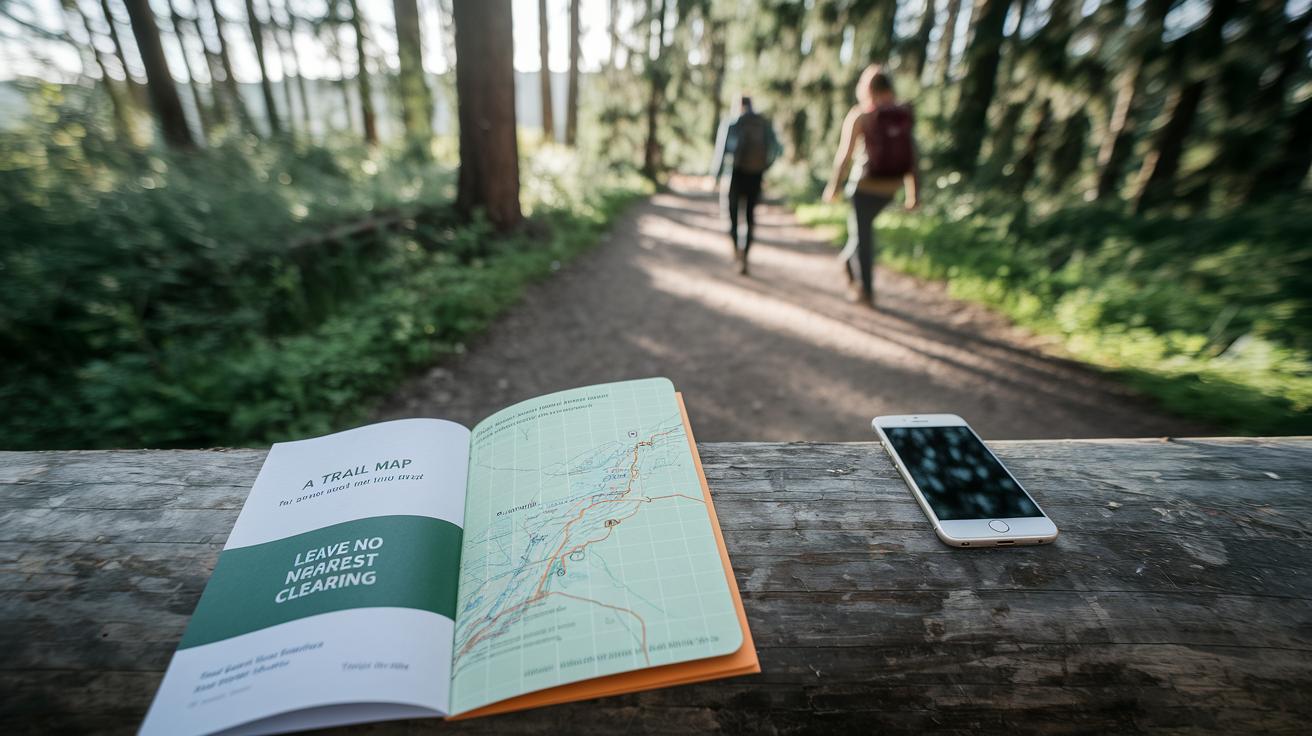
When you compare different ethics guides, you get a clear picture of how each one covers outdoor conservation. The Leave No Trace Book shares step-by-step advice to help you keep your trip low-impact. Its clear tips make it a trusted choice for those who want to enjoy nature without disturbing it. Looking at it side-by-side with other guides helps you pick the manual that fits your hiking style and needs.
| Book Title | Author | Primary Focus |
|---|---|---|
| Leave No Trace Book | John Doe | Low-impact outdoor practices |
| Backpacker’s Field Manual | Jane Smith | Wilderness skills and preparation |
| Sierra Club Outdoor Ethics | Robert Green | Environmental conservation strategies |
If you are planning a backpacking trip or a family outing, the Leave No Trace Book offers clear and useful guidance. It helps you keep nature untouched while you enjoy your journey. For a closer look at survival skills, the Backpacker’s Field Manual may be a better pick. And if you want a broader view of conservation ideas, the Sierra Club Outdoor Ethics might suit your needs best. Choose the guide that works for you and helps keep our trails and huts in great shape.
Final Words
In the action, this article explored the key aspects of the leave no trace book. It detailed the background, core principles, and practical tips for carrying these ideas into the outdoors.
We broke down chapter themes, field-tested guidelines, and compared the book with other conservation handbooks. All these insights support planning safe, sustainable hikes.
Embrace responsible mountaineering with proper ethics and a cool head. Happy, safe hiking!
FAQ
What is the Leave No Trace Book about?
The Leave No Trace Book explains how to enjoy the outdoors with minimal impact. It offers background on the author, publisher, and structured guidance on outdoor ethics and responsible practices.
What core principles does the Leave No Trace Book present?
The Leave No Trace Book presents seven key principles for outdoor care: planning ahead, camping on durable surfaces, disposing of waste properly, leaving what you find, minimizing campfire impacts, respecting wildlife, and being thoughtful of other visitors.
How do I apply the Leave No Trace principles while camping and hiking?
The book turns theory into practice by offering tips for careful planning, sustainable campsite setup, fire alternatives, and proper waste management, ensuring you leave nature as undisturbed as possible.
How has the Leave No Trace Book been received by readers and experts?
Reader and expert feedback praises its clear guidance and practical approach to outdoor ethics, with many appreciating its straightforward tips and respect for nature.
Where can I purchase the Leave No Trace Book?
The Leave No Trace Book is available in print and digital formats. You can find it on the official website, Amazon, Barnes & Noble, local outdoor retailers, and through library or eBook loans.
How does the Leave No Trace Book compare with other conservation handbooks?
The book stands out for its clear, practical focus on everyday outdoor practices. Side-by-side comparisons show it is well-suited for backpackers, family trips, and professional use based on reader needs.
What key topics are covered in the Leave No Trace Book?
The book covers topics such as environmental impact reduction, campsite selection, proper waste disposal, wildlife respect, fire management, planning, and preparation for low-impact outdoor visits.