


Ever thought about hut-to-hut hiking? More and more hikers are choosing six- to seven-day treks that blend light packing, hearty meals, and a comfy hut stay in some of the most beautiful settings.
From the Alps to Scotland, these routes are winning fans with their mix of adventure and ease. In this post, we share the latest hut-to-hut trends and tips so you can plan a safe, memorable trek that fits your pace and budget.
Hut-to-Hut Hiking Trends: Data-Driven Insights
Hut-to-hut hiking is perfect if you want to pack light but still enjoy a full meal plan and a warm, comfortable bed with proper facilities. Many hikers are choosing routes that last about six to seven days in places like the Alps, Scotland, Norway, New Zealand, Nepal, and Kyrgyzstan. In the Alps, the top season runs from mid-July to the end of August. However, most huts open in mid-June and usually close around September 15, so watch out for late-season closures.
Popular routes include:
- Alta Via 1 (Italian Dolomites)
- West Highland Way (Scotland)
- Jotunheimen Trail (Norway)
- Milford Track (New Zealand)
- Annapurna Circuit (Nepal)
Planning your hut-to-hut trek is very flexible. You can create your own itinerary for a more personal pace, choose a pre-planned route that saves money, hire a trip planner for expert tips, or join a group excursion that sorts out every detail. These choices let you tailor your adventure to match your skill level and budget, all while enjoying the charm of a hut-to-hut journey.
Seasonal Hut-to-Hut Hiking Trends and Popularity Peaks
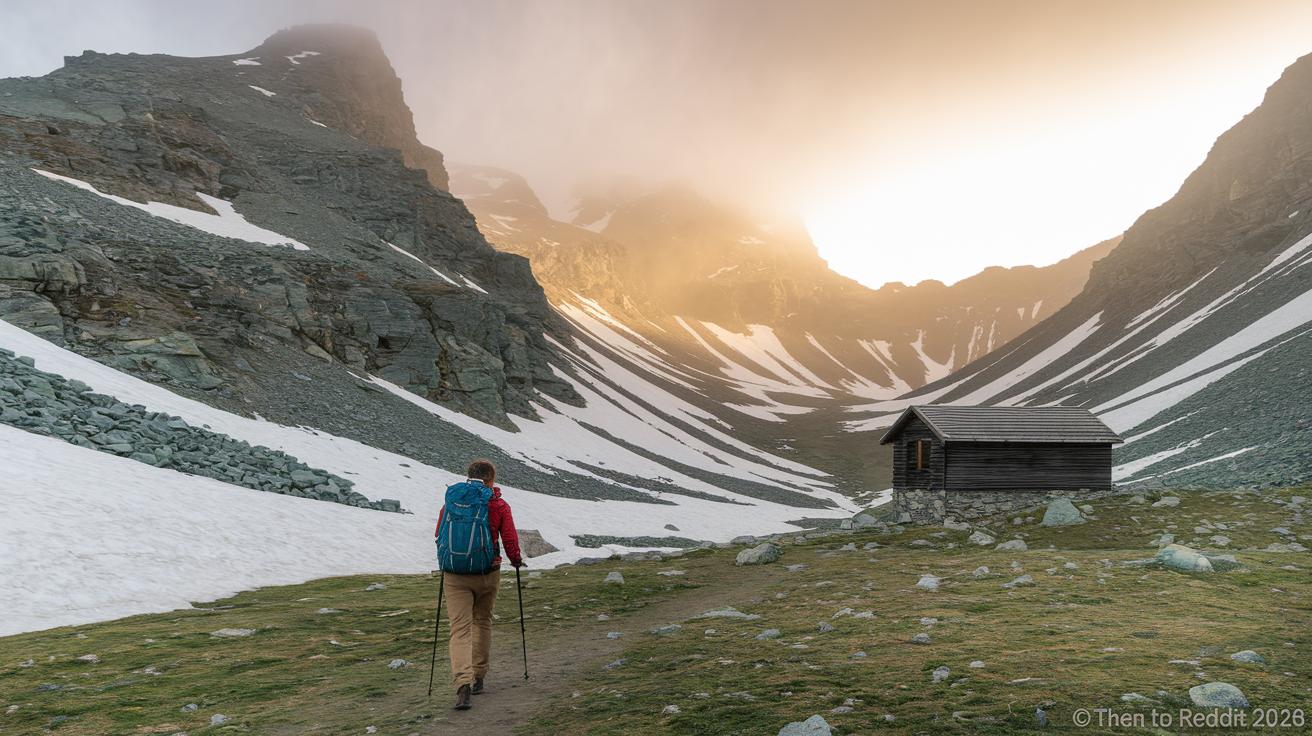
Seasonal changes can change the trail and hut experience a lot. In early season, trails are still clearing and snow on passes can test even skilled hikers. This time offers quiet alpine moments but needs extra care on icy parts. When summer comes, paths clear up and more huts open, making it a favorite time for many hut-hoppers. In early September, you might see the first hints of winter. Visibility drops and trails shift while some huts start to close. Knowing these seasonal trends helps you pick the safest, most enjoyable time to hike.
| Season | Timeframe | Typical Conditions | Hut Availability |
|---|---|---|---|
| Early Season | Mid-June – Late June | Snow on passes; advanced skills needed | Huts open gradually |
| Peak Season | July – August | Clear trails; sometimes small delays every few years | Most huts fully open |
| Early Fall | Early September | First winter snow; lower visibility and tricky routes | Many huts close after September 15, though some offer autumn views |
| Late Season | Mid- to Late-September | Harsh weather; uncertain paths | Only a few huts open |
Experts say the best time for a hut-to-hut trek is from mid-July to the end of August. This period gives you safe trails and full hut services for a smooth, worry-free adventure.
Emerging Hut-to-Hut Mountain Shelter Pathways and Alpine Lodge Itineraries
Down in the Southern Alps, new hut-to-hut routes are drawing attention. In the Italian Dolomites, trails like the Alta Via dei Monti Liguri link mountain shelters (simple places to sleep high in the mountains) roughly every 13–19 km (8–12 miles). These refreshed routes mix the classic charm of mountain landscapes with modern upgrades. The improved shelters keep their historical feel while offering better services, letting you cover a good distance each day. Whether you’re an experienced trekker or new to alpine hikes, these circuits offer a safe and enjoyable way to explore.
Over in the Western Alps, hut-to-hut travel is getting even more exciting. Swiss trails between stops such as Berghotel Faulhorn and Blüemlisalphütte now form six-day loops with clear waymarkers that make following the route a breeze. French ridge-line networks from Chamonix to Zermatt now support circuits lasting five to seven days. In the Spanish Pyrenees, refugio paths (refugio means mountain shelter) feature stops about 16–19 km (10–12 miles) apart. These changes help you keep a steady pace while balancing challenge and comfort. With clearer markers and improved facilities, you have flexible choices to explore a variety of high mountain terrains safely.
Top Hut-to-Hut Hiking Destinations Around the Globe

In Norway’s Jotunheimen and Fjord Country, you can find over 500 huts run by the Norwegian Trekking Association. The trails are easy to follow with clear markers every 5–10 km (3–6 miles). This makes planning your daily hike simple and stress-free.
Scotland’s West Highland Way stretches 155 km (96 miles) and links village bunkhouses and bothies (simple shelters). The path winds along coastal and highland scenery. Daily distances change so each hiker, from beginners to seasoned walkers, can enjoy a pace that suits them, sometimes covering 15–20 km (9–12 miles) a day.
New Zealand’s Great Walks, like Milford and Routeburn, are very popular. Due to high demand, you must book early with the DOC (Department of Conservation). Huts are spaced every 10–20 km (6–12 miles), allowing plenty of stops along the way.
In Nepal, the Annapurna Circuit uses teahouse treks with lodges every 8–10 km (5–6 miles). As you climb higher, up to Thorong La pass at 5,416 m (17,778 ft), these stops help you recharge on challenging, high-altitude segments.
Kyrgyzstan offers a unique yurt-to-yurt adventure in the Tian Shan mountains. You typically cover about 19–24 km (12–15 miles) a day, passing felt-and-timber yurts that add a local touch to the hike.
Switzerland’s Haute Route and France’s Tour du Mont Blanc give you regular shelter stops about every 10–14 km (6–9 miles). These well-marked paths and steady huts make them perfect for both experienced trekkers and first-timers eager to experience different mountain cultures safely.
Sustainable Hut-to-Hut Hiking Trends and Eco-Friendly Lodging
Across Scandinavia, mountain huts are getting a green makeover. Many Norwegian Trekking Association huts now use solar panels and composting toilets (that break down waste naturally). Picture a hut powered by clean energy and cared for with nature in mind. It shows how even remote shelters can help reduce waste.
In New Zealand, DOC huts follow strict zero-waste rules. Hikers are asked to pack out any non-biodegradable trash. This simple habit keeps trails cleaner and the environment healthier for everyone.
Over in Central Asia, yurts in Kyrgyzstan are built with local, low-impact materials. These off-grid shelters protect the land from erosion while honoring old building traditions. They prove that sustainable choices can blend modern ideas with ancient practices.
Route Innovation and Technology in Hut-to-Hut Hiking

Modern GPS apps now offer offline topo maps that cover many hut-to-hut trails in the Alps, Norway, and New Zealand. You can plan your hike without cell service and follow clear, step-by-step map guides, even in the most remote spots.
Digital booking platforms now gather hut availability and meal options from several operators. This makes route planning easy and guarantees a warm meal, a cozy bed, and working facilities at each stop. Think of it like booking a simple hotel room.
New AI tools now help plan your trek. They adjust your daily mileage and rest stops based on the climb, distance, and hut capacity. With these smart tips, you can enjoy the scenery without stressing over the details. Check out how AI optimizes hut-to-hut planning at this link: learn more about AI-driven itineraries.
Interactive online maps now show detailed elevation profiles, precise waypoints, and safe exit routes. They mix modern tech with classic trail know-how to keep you safe and on track, even when the weather turns.
Expert Analysis and Future Forecasts for Hut-to-Hut Hiking Trends
Guidebooks now show that hut-to-hut hiking is set to grow about 12% each year for the next five years. More hikers are choosing these routes because they allow you to pack light while still having a safe place to rest. This steady growth shows that many people want to mix stunning scenery with a few comforts along the way.
Climate studies tell us that snow is melting earlier in the Alps. This change could let you hit the trails about two weeks sooner. Projects linking huts in Austria, Switzerland, and Italy are in the works. These efforts aim to make the trails safer and open up new multi-day trips.
Hut operators in Scandinavia plan to increase capacity by 15% to meet rising demand. More space means better service and a smoother experience for everyone. With improved facilities and stronger links between huts, both new and experienced hikers can look forward to even more enjoyable trips.
Practical Tips for Multi-Day Hut-to-Hut Trek Planning

Plan your trip to keep it fun and doable. Many beginners stick with five days or less, especially when trekking with a friend or small group. A shorter route lets you take it easy on tougher parts and truly enjoy the views. It also means you carry less weight and can relax more during hut stays.
When you hit the huts, follow local rules to help everyone get along. Pack a few essentials: a pair of indoor shoes (flip-flops) for comfort indoors, a lightweight sleeping liner for cool nights, and a little cash for small buys. Keep snacks to a minimum so you don’t attract pests, and try to tidy up your space. These small steps make for a welcoming and friendly hut vibe.
Good meal planning makes your hut stay even better. Most huts serve a hearty three-course dinner and a buffet-style breakfast. Some even sell packed lunches if you need a boost mid-hike. With your meals sorted, you don’t have to lug heavy food and can focus on enjoying the day’s trail and a warm meal with new friends.
Plan your hut reservations early. In busy seasons, huts often book three to six months in advance. Lock in your stops and dates before finalizing your route. This simple step helps make sure you always have a comfortable spot to rest.
Final Words
In the action, our article broke down key data on hut-to-hut hiking trends. We shared seasonal windows, top global circuits, and eco-friendly practices that keep treks safe and memorable. Each section offered practical tips to make planning light and stress-free.
We showed how digital tools, diverse itineraries, and local hut charm simplify multi-day trekking. Use these insights to plan your next hut escape and feel confident on the trail. Enjoy climbing and the warm mountain hospitality waiting along your route.
FAQ
Hut to hut hiking trends USA
Hut-to-hut hiking trends in the USA show more hikers choosing routes with light pack needs and cozy overnight stays. This trend offers comfort and convenience on mountain trails.
Hut to hut hiking trends reddit
Hut-to-hut hiking trends on Reddit reveal real-time stories and tips from fellow hikers. Users share advice on routes, booking tips, and seasonal updates.
Hut to hut hiking for beginners
Hut-to-hut hiking for beginners means shorter trips with well-supported shelters. It provides a safe way to learn hut etiquette and trail basics with a small group or partner.
Hut-to-hut hiking Europe 3 days
Hut-to-hut hiking in Europe for three days is a great way to sample scenic routes. It offers a mix of cultural charm and mountain views with accessible overnight stays.
Luxury hut-to-hut hiking
Luxury hut-to-hut hiking involves routes with upgraded services like gourmet meals, extra comfort in beds, and added amenities. Hikers enjoy both adventure and a touch of elegance.
Hut to hut hiking Patagonia
Hut-to-hut hiking in Patagonia features dramatic mountain views and rugged trails. Huts provide basic shelter and meals, offering a safe way to experience the wild beauty of the region.
Hut to hut hiking South America
Hut-to-hut hiking in South America blends rugged trails with local charm. The network of shelters makes multi-day treks safe, providing opportunities to enjoy diverse cultures and landscapes.
San Juan Huts
San Juan Huts are shelters located in the San Juan National Forest area. They offer basic amenities for overnight stays, making mountain hikes more secure and comfortable.
10th Mountain Division Hut Association
The 10th Mountain Division Hut Association manages a network of mountain shelters that support safe, guided routes. Hikers appreciate the reliable overnight stopovers and clear trail markers.
Summit Huts Association
The Summit Huts Association maintains a system of mountain lodges designed for multi-day treks. These huts offer simple meals, secure lodging, and a welcoming atmosphere for hikers.
San Juan National Forest
San Juan National Forest is known for its extensive trails and a variety of shelter options. It offers stunning scenery and well-placed huts for safe overnight stops during hikes.
Ouray KOA Holiday
Ouray KOA Holiday provides a camping option near Ouray that suits families and outdoor enthusiasts. It offers a comfortable, organized resting spot alongside traditional hut or trail lodging.
Slickrock Bike Trail
The Slickrock Bike Trail is a rugged route famed for its rocky surface and challenging ride. It attracts mountain bikers looking to test their skills on a unique, scenic trail.