


Ever wonder if your hiking gear might be hurting the trails you love? More hikers are choosing green gear made from recycled, biobased, or reclaimed materials that also support fair work practices. In this guide, we'll show you how to spot eco-friendly products with clear labels like Fair Trade Certified and Bluesign Approved. You'll see that spending a little extra on quality gear not only lasts longer but also leaves a smaller mark on nature. So, gear up with equipment that cares as much about the mountains as you do.
Eco Hiking Gear Selection Criteria

Eco-friendly gear starts with using recycled, biobased, or reclaimed materials. Many makers now avoid harmful chemicals by cutting out toxins during production. When you check your sustainable trails manual, look for products that come from responsible sources and support ethical work practices. For example, merino wool naturally resists odor, wicks moisture, and stays strong even after many trips.
Certifications help you know if the gear is truly eco-friendly. Look for labels like 1% for the Planet, Climate Neutral, Certified B Corp, Bluesign Approved, or Fair Trade Certified. These marks show that the gear meets strict standards for sustainability, safety, and fair labor. When you spot these, you can be sure the product was made to lower carbon footprints and cut down on water waste.
Eco-friendly gear might cost a bit more up front, but the long-term benefits make it worth the price. Investing in green gear means you get a higher quality product that lasts longer. Often, a higher price reflects safer working practices, smarter use of resources, and thorough testing for durability. Choosing green gear not only cuts waste, it also helps keep our planet healthy for future hikes.
Eco Hiking Gear: Choosing Sustainable Backpacks and Packs
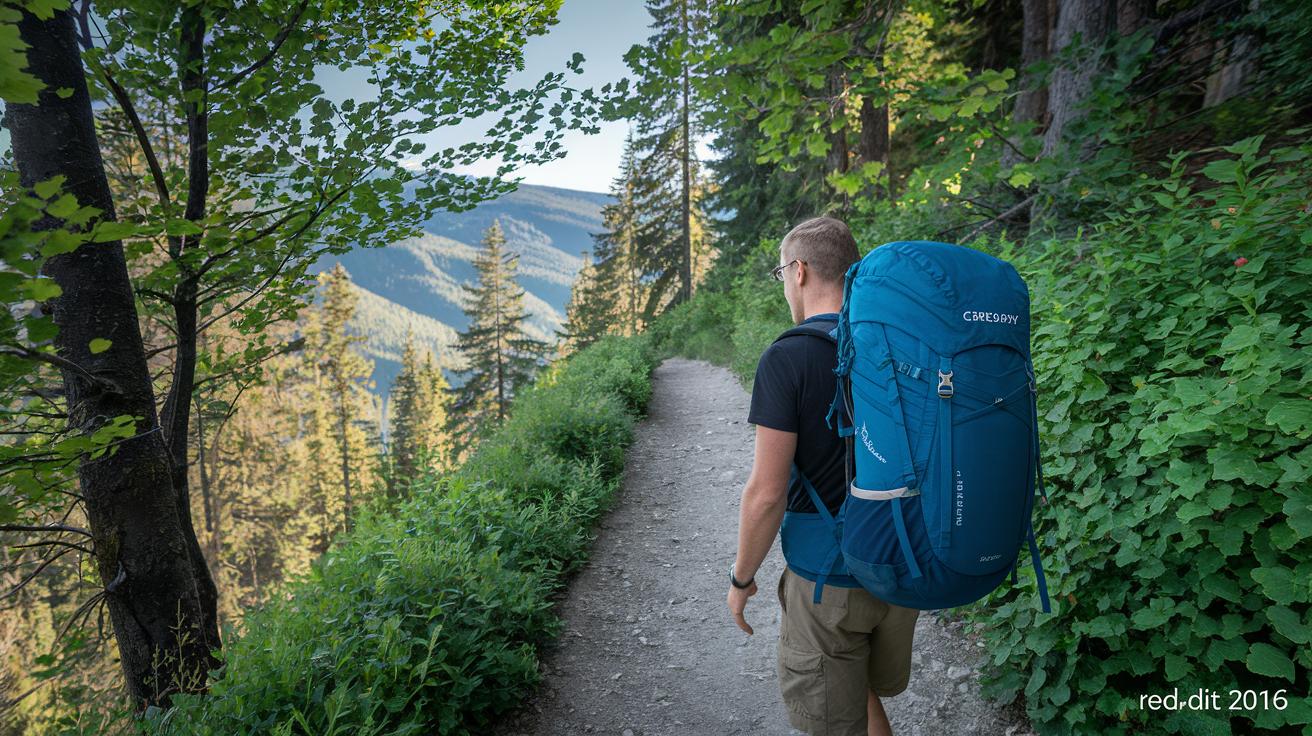
A good backpack makes your hike easier and more enjoyable. It holds your gear snugly, supports your body, and helps protect the environment. For long trips, many hikers trust Gregory packs. They mix space, comfort, and green design so you can carry your essentials without leaving a heavy footprint in nature.
When you shop for an eco-friendly pack, look for recycled nylon or polyester material treated with PFC/PFAS-free water repellents. This means the pack can handle rough weather while being safer for the earth. Key features to check include:
- Adjustable straps
- Breathable mesh panels
- Compatibility with hydration systems
These details are important for both durability and easy use.
Make sure your pack is a perfect fit. Check that the shoulder straps, waist belt, and back panel can be adjusted to keep it comfortable all day. Some models even come with an integrated repair kit to fix small issues on the trail. This way, you keep both your comfort and the pack's long life on a high trail standard.
Eco Hiking Gear: Sustainable Apparel and Textile Innovations
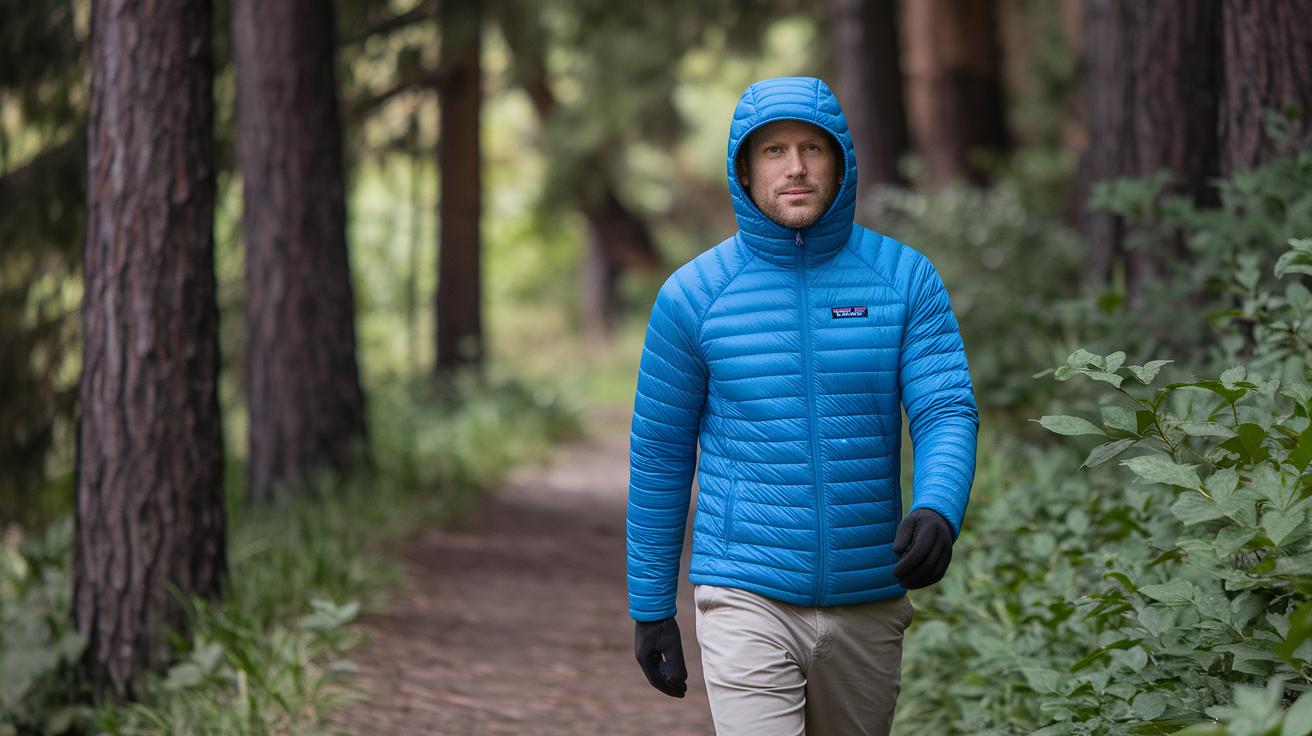
Recycled and natural fibers are giving hiking apparel a fresh, green twist. Today’s gear steers away from wasteful practices by using fabrics that are tough on the trail and gentle on nature. Brands like Patagonia are proving that high performance and sustainability can go hand in hand.
- Patagonia NanoPuff Hoodie – 12.8 oz, $289; made completely from recycled fabrics
- Patagonia TorrentShell Rain Jacket – 14.1 oz, $179; features 100% recycled fabric and biobased membranes (plant-based waterproof material)
- Patagonia TorrentShell Rain Pants – 11.8 oz, $129; uses recycled fabric with biobased membranes
- Patagonia Recycled Cashmere Hoodie – crafted using repurposed pre-consumer cashmere waste
- Merino Wool Base Layer – prized for keeping odors low, managing moisture, and lasting long
- Eco-friendly Active Trek Tee – 10 oz, $75; made from recycled polyester
When picking your clothing layers, think of each piece as a part of a smart team. Each item should work well together to keep you warm and dry, even when mountain conditions change fast. Plus, taking simple care steps, like using a gentle detergent and air-drying your gear, can extend its life. This way, you help support eco-friendly practices while enjoying reliable gear on every adventure.
Eco Hiking Gear: Conscious Footwear and Sock Selection

Choosing footwear made from recycled or plant-based materials helps lower landfill waste. For example, the Allbirds Trail Runners SWT (12 oz, $140) are built with recycled components, while the Portuguese Cork Sandals (18 oz per pair, $144) feature natural cork footbeds. With each step, you support materials that start a new life instead of adding waste.
When looking for shoes, check for recycled midsoles, natural cork or rubber outsoles, and waterproof linings without harmful chemicals (PFCs). These details give you long-lasting comfort, solid grip, and water resistance on unexpected trails. A sturdy boot that fits well moves with your foot, even on wet or rocky paths.
Don’t skip on socks. A great pair makes a big difference on the trail. Merino wool socks naturally fight bacteria, help wick away sweat, and stay soft over many miles. Recycled blends are also a good sustainable choice with extra cushioning. The right socks should fit snugly to help avoid blisters and complete your eco-friendly gear ensemble.
Eco Hiking Gear: Shelter and Sleep Systems
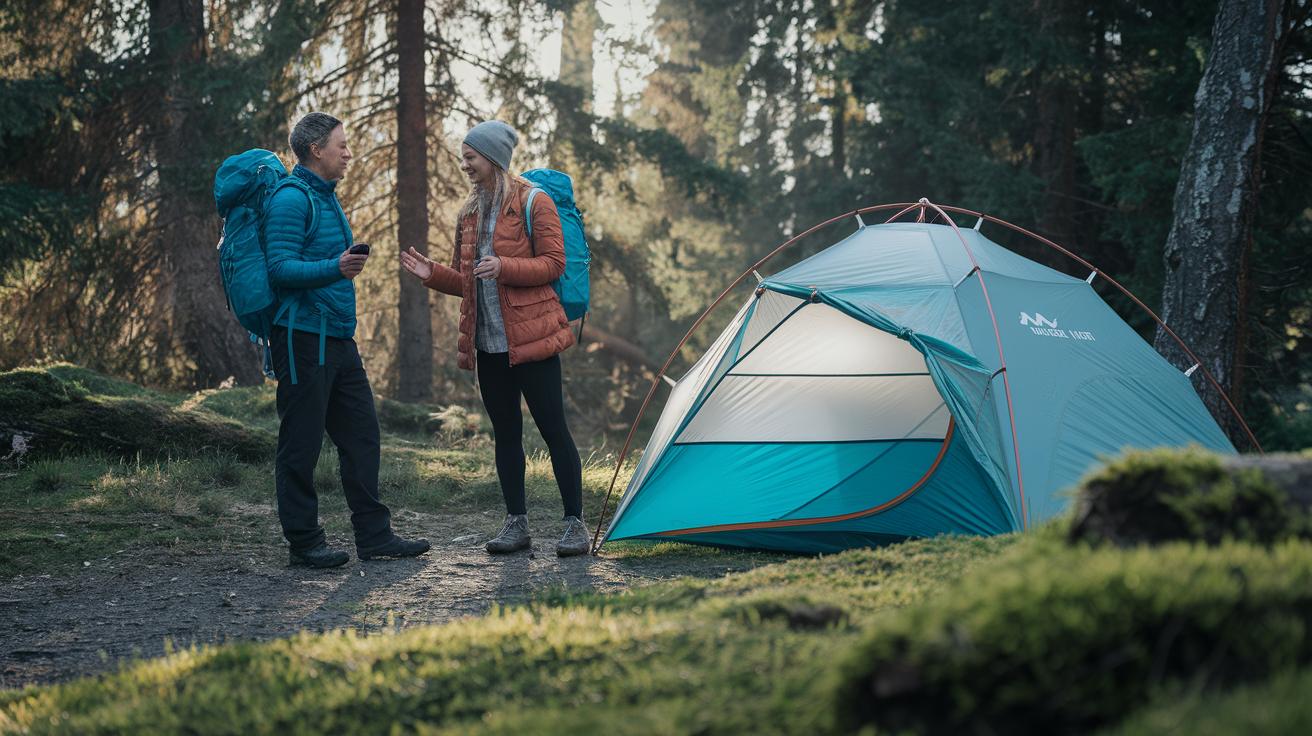
When you pick eco-friendly shelter, look for tents made with recycled materials and low-impact methods. Hikers like gear that leaves a small footprint while working hard on rough trails. For example, tents made with 100% recycled fabric or plant-based laminates keep you dry and support greener production practices. Choose products that clearly show how they're made to help you decide on truly biodegradable camping gear.
| Item | Weight (oz) | Price | Material | Eco Feature |
|---|---|---|---|---|
| NEMO Persist 45 Endless Promise Tent | 59 | $250 | 100% recycled fabrics | Recycled construction |
| NEMO Dagger OSMO 2P Tent | 53 | $500 | Recycled nylon, biobased PU laminates | Eco-responsible production |
| NEMO Pulse 30F Endless Promise Quilt | 18 | $550 | Recycled synthetic insulation | Sustainable warmth |
| Big Agnes TwisterCane BioFoam Pad | Varies | N/A | Bio-based foam | Eco-friendly closed-cell foam |
The NEMO Pulse 30F Endless Promise Quilt is light and warms you well. Made from recycled synthetic materials, it offers comfort like traditional down without adding extra weight to your pack. You can rely on this quilt for a cozy night in camp while making a greener choice.
For sleeping pads, the Big Agnes TwisterCane BioFoam Pad gives you a new, plant-based option. It might be a bit bulkier and keep less warmth (lower R-value), but it cuts down on synthetic chemicals by using renewable materials. This pad helps reduce your impact on nature while ensuring a comfortable sleep under the stars.
Eco Hiking Gear: Essential Accessories and Gadgets

When you head out on the trail, even small gear can make a big difference. Try the Sigg Traveler MyPlanet Bottle, a 1 L bottle that weighs just 5.1 oz (about 145 grams) and is made from recycled stainless steel. It works great with the Eha Earth Friendly Mug, a lightweight mug crafted from recycled aluminum. These choices help reduce waste while giving you fresh water and a warm drink when you take a break.
For those who rely on digital tools, eco-friendly solar gear is a smart pick. A solar-powered charger can keep your phone or GPS running by using the bright mountain sun. This means you always get the latest trail updates and weather alerts, making your adventure both safe and green.
Keep your gear in good shape with lightweight repair kits and smart protective accessories. For example, a Pela Phone Case made from 100% biobased flaxstraw protects your device from the bumps on rocky paths. You can also add an ANDA Ultralight Zip Wallet, made of recycled fabric, to hold your cash and cards securely. With these reliable gadgets, you’ll generate less waste and enjoy fewer gear mishaps on your eco-friendly journey.
Eco Hiking Gear: Caring and Responsible Practices
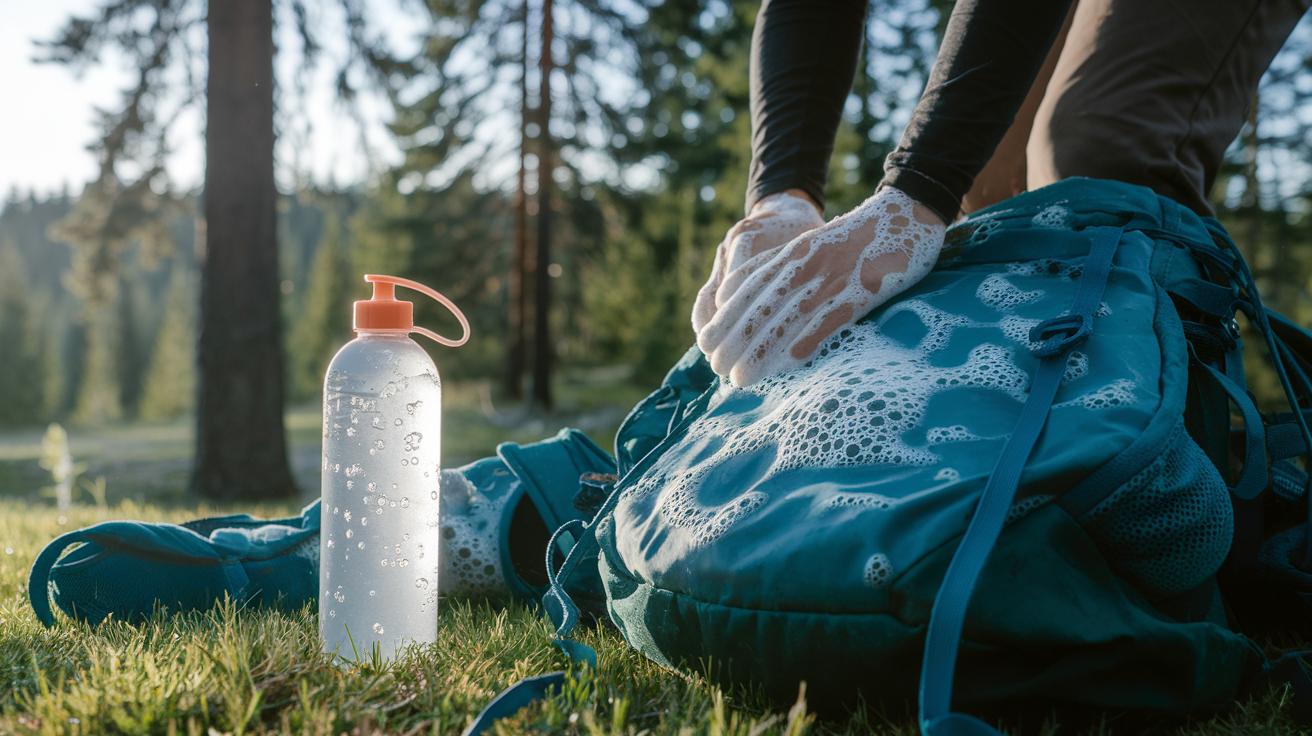
Keep your gear clean with eco-friendly soap. Use non-toxic, biodegradable soap to wash off dirt without leaving harmful chemicals. This simple step stops microplastics from reaching nature and keeps your gear ready for the trail. Whether you’re cleaning at home or at camp, think of it as looking after your trusty hiking buddy. Stick with gentle cleaners so your gear stays strong trip after trip.
Take a moment to check and fix your equipment. Instead of replacing worn items, patch them up or use a manufacturer repair program. This routine saves resources and cuts down on waste. A quick look-over after each hike can catch small issues before they become big problems, ensuring you get the best out of your gear.
Follow Leave No Trace guidelines and any trail rules to keep nature pristine. Prepare your meals at home to avoid single-use packaging, and pack out all your waste. Respect wildlife by keeping trash away from streams and natural spots. Each small act of care helps keep our trails beautiful and ensures future hikes remain enjoyable.
Final Words
In the action, we reviewed the essentials for a stress-free hut-to-hut hike. We touched on gear selection, from eco-friendly backpacks and sustainable apparel to responsible footwear and shelter. We also discussed how certifications, recycled materials, and local practices make a difference on the trail.
This eco hiking gear guide gives you the confidence to enjoy low-impact stays and authentic mountain hospitality. Simple adjustments and thoughtful choices help keep our trails green and safe. Enjoy the climb and the warmth of a prepared hut along the way.
FAQ
FAQs
What does an eco hiking gear guide for men cover?
The eco hiking gear guide for men covers sustainable and practical gear for the trails. It explains eco-friendly materials, lightweight design, and durability so you can choose equipment that respects nature and performs well.
What does an ultralight backpacking weight list include?
The ultralight backpacking weight list outlines the weights of essential gear items. It helps you calculate your load and choose items that reduce strain while keeping you prepared on long days in the mountains.
How is the ultralight backpacking gear list for 2025 different?
The ultralight backpacking gear list for 2025 features new eco-friendly innovations and materials. It offers updated gear recommendations that balance weight, performance, and sustainability for modern trail demands.
What makes a super ultralight backpacking gear list unique?
The super ultralight backpacking gear list focuses on cutting every extra ounce without sacrificing safety. It highlights gear options made from advanced materials that provide the bare essentials for efficient, low-impact travel.
What should a fastpacking gear list include?
The fastpacking gear list includes compact, high-performance items designed for quick trail progress. It recommends essential clothing, shelter, and navigation tools that keep your pack light while supporting rapid movement.
What is trending in hiking gear for 2025?
Hiking gear in 2025 features sustainable designs and smart, lightweight materials. It shows a trend toward eco-friendly manufacturing and versatile gear that meets both practical needs and environmental standards.
How can I find budget ultralight backpacking gear?
Budget ultralight backpacking gear offers affordable options that still deliver performance and eco benefits. It focuses on quality, recycled materials and cost-effective designs to help you invest in long-lasting, low-weight gear.
What defines the best ultralight camping gear?
The best ultralight camping gear combines minimal weight with robust performance and eco-friendly design. It uses sustainable materials and smart engineering to provide comfort and durability while reducing your environmental footprint.