


Ever wondered if mountains have a secret way of creating art? Alpine glaciers form when heavy snow slowly turns into smooth ice. Over time, these icy sheets carve steep slopes and deep valleys. They sparkle in the sunlight and leave clear marks like deep crevasses and long glacier tongues. In this article, we explore what makes alpine glaciers both captivating and strong. Even slow, steady change can shape beauty that lasts through time.
Alpine Glaciers Sparkle with Timeless Beauty
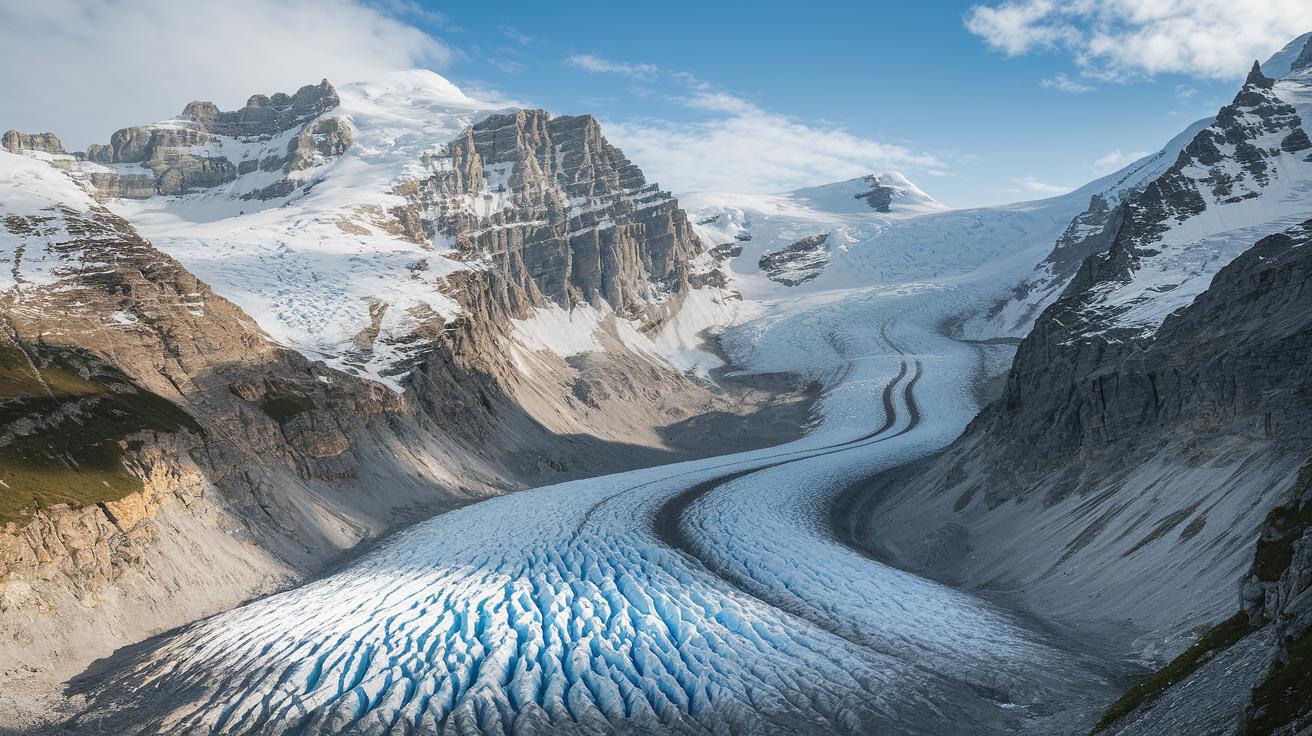
Alpine glaciers are huge blocks of ice born high in the mountains where winter snow piles up and summer barely melts it. Over years, fresh snowfall presses down into a hard, smooth sheet of ice that slowly moves downhill. Think of it like a frozen ribbon that has carved valleys and steep outcrops over time.
The change from snow to ice is slow and steady. Fresh snow builds up and is squeezed by new layers until it turns into firn (a dense, grainy ice) and then into solid glacier ice. Picture walking on snow that hardens with each step, turning into a powerful, moving force in the mountains.
As glaciers slide along, they leave clear marks on the land. Deep, jagged cracks called crevasses form when the ice bends under pressure. The long, stretching part of the glacier, known as the glacier tongue, shows where the ice meets the land. Stand before one and you’ll see icy fingers reaching out and glistening in the sun, a timeless display of nature’s power and beauty.
Types of Alpine Glaciers: Valley, Cirque, Hanging, and More
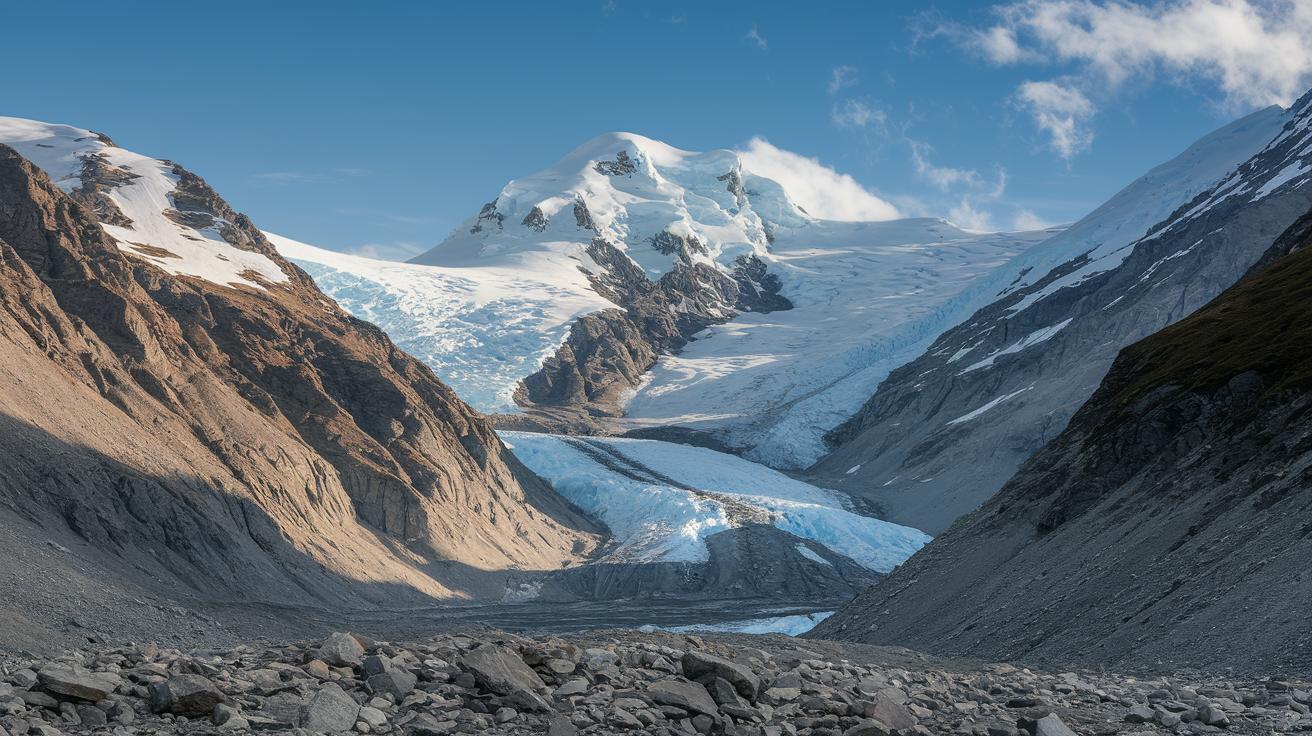
Mountain glaciers come in different shapes that tell stories about how nature sculpts the land. They form where heavy snow and ice slowly move under the pull of gravity, shaping rock and carving valleys. Each type has its own look and feel, and understanding them helps us appreciate the beauty of the high country.
- Valley Glaciers: Flowing down mountain valleys, these glaciers steadily polish the rocks as they move.
- Cirque Glaciers: Nestled in bowl-like hollows high in the mountains, these form where snow gathers in natural depressions.
- Hanging Glaciers: Clinging to steep cliffs above larger ice bodies, they drop suddenly at the edge.
- Piedmont Glaciers: When a glacier leaves a narrow valley, it spreads out like a wide lobe with gentle, softened edges.
- Tidewater Glaciers: These mighty ice rivers flow all the way to the sea, where they meet the ocean and carve dramatic fjords.
Each glacier type shows a different side of nature’s power. Valley glaciers remind us of gravity at work in long, steady flows. Cirque and hanging glaciers reveal hidden ice pockets above quiet valley floors. Piedmont glaciers spread out wide after leaving confined paths, and tidewater glaciers connect the frozen peaks with the open sea. Together, they show how ice can shape mountains over time.
Formation Processes and Ice Flow Dynamics in Alpine Glaciers
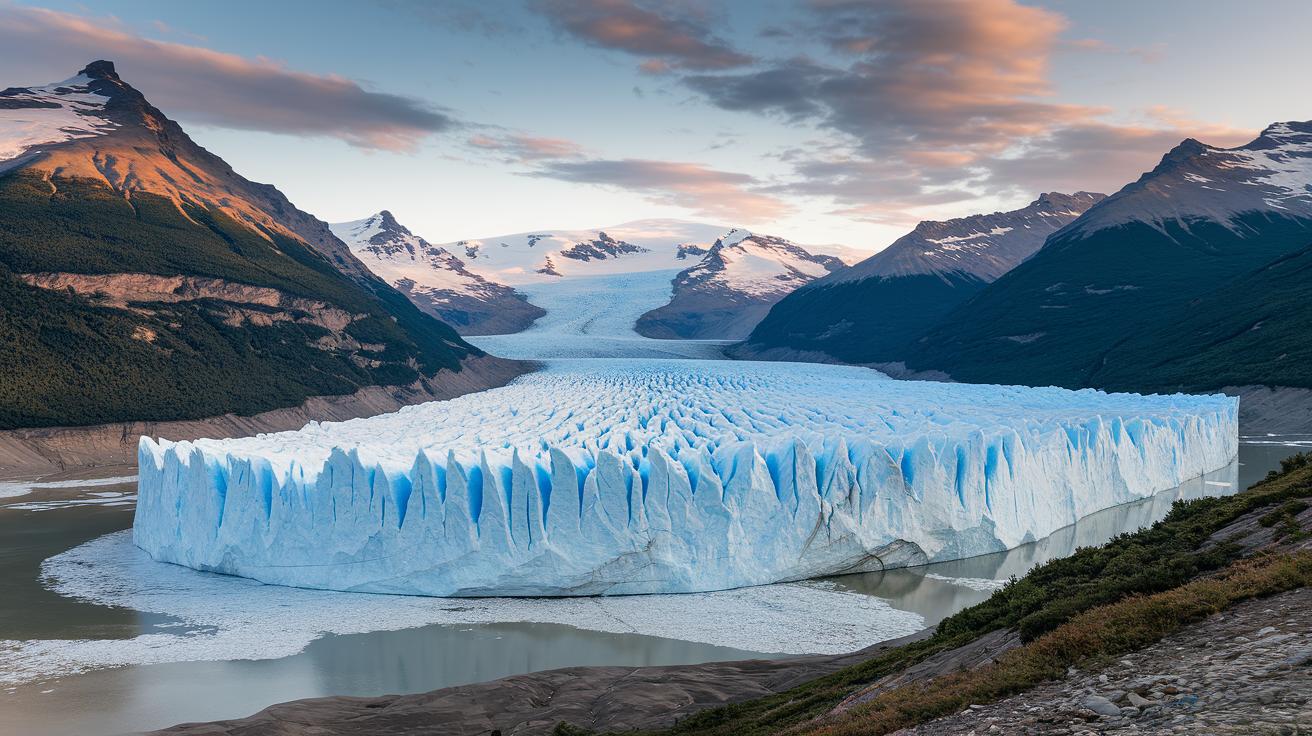
Alpine glaciers form when layers of snow stack up over time. The fresh snow slowly compacts into firn (a dense, grainy snow) and eventually turns into solid glacier ice. Think of it like fresh snow pressing down until it becomes a strong block of ice.
Once the glacier is formed, gravity takes over. The ice begins to move downhill as it bends under pressure and slides over rocks (a process called basal sliding). This movement creates crevasses, cracks in the ice from stretching. These marks show how the glacier battles gravity while balancing new snow and melting ice.
Over the years, the flowing ice shapes the mountains. The glacier grinds over the rocky bed, carving U-shaped valleys and smoothing out rugged peaks. As it moves forward, the landscape changes, showing nature's steady and persistent work.
Geographic Distribution and Key Alpine Glacier Case Studies
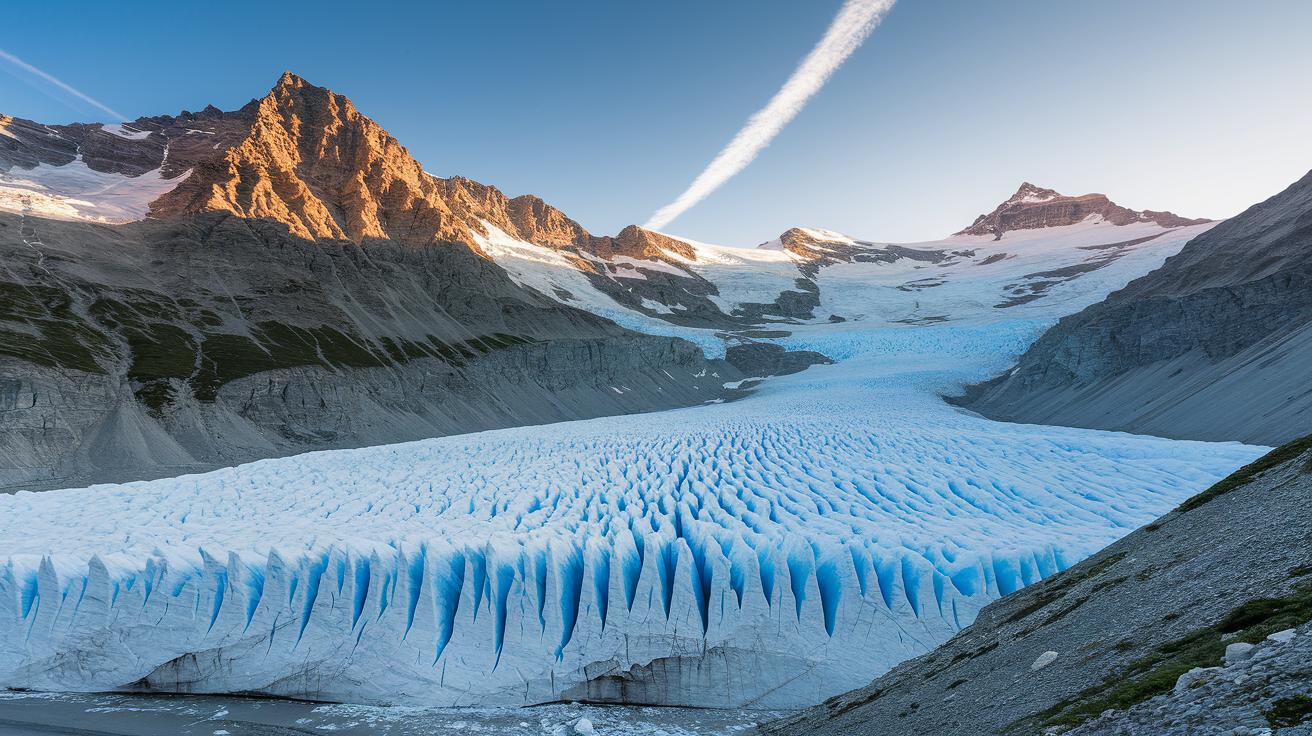
In the heart of the Swiss Alps, you’ll find some of the most renowned alpine glaciers. The Great Aletsch Glacier, covering about 83 km², stands out as a true record of our changing climate. Experts warn that if warming carries on unchecked, this glacier might lose up to 80% of its mass by 2100. They study the balance between fresh snowfall and melting ice closely. This glacier not only shows the delicate beauty of high-altitude ice but also acts as a key gauge of climate change.
Alaska offers a striking scene with countless glaciers sculpted over thousands of years since the last great ice age about 20,000 years ago. Here, ice flows over rugged, rocky terrain, forming valleys, deep crevasses, and long ice tongues that capture the eye. Each glacier in Alaska responds in its own way to local weather and terrain. Studies have shown that the patterns from past glacial periods help explain today’s ice behavior and hint at the future of these icy landscapes.
In Montana, alpine glaciers present another fascinating example. Researchers, including teams from the GLAMOS network, track small changes in these glaciers over time. They study how melting ice provides clear, nutrient-rich water for rivers and supports local ecosystems. Using field surveys and modern tools, these experts measure ice thickness and movement. Their work connects local observations with global climate trends, highlighting the big role that even small regions play in understanding and protecting our mountain glaciers.
Alpine Glaciers under Climate Change: Retreat, Projections, and Impacts
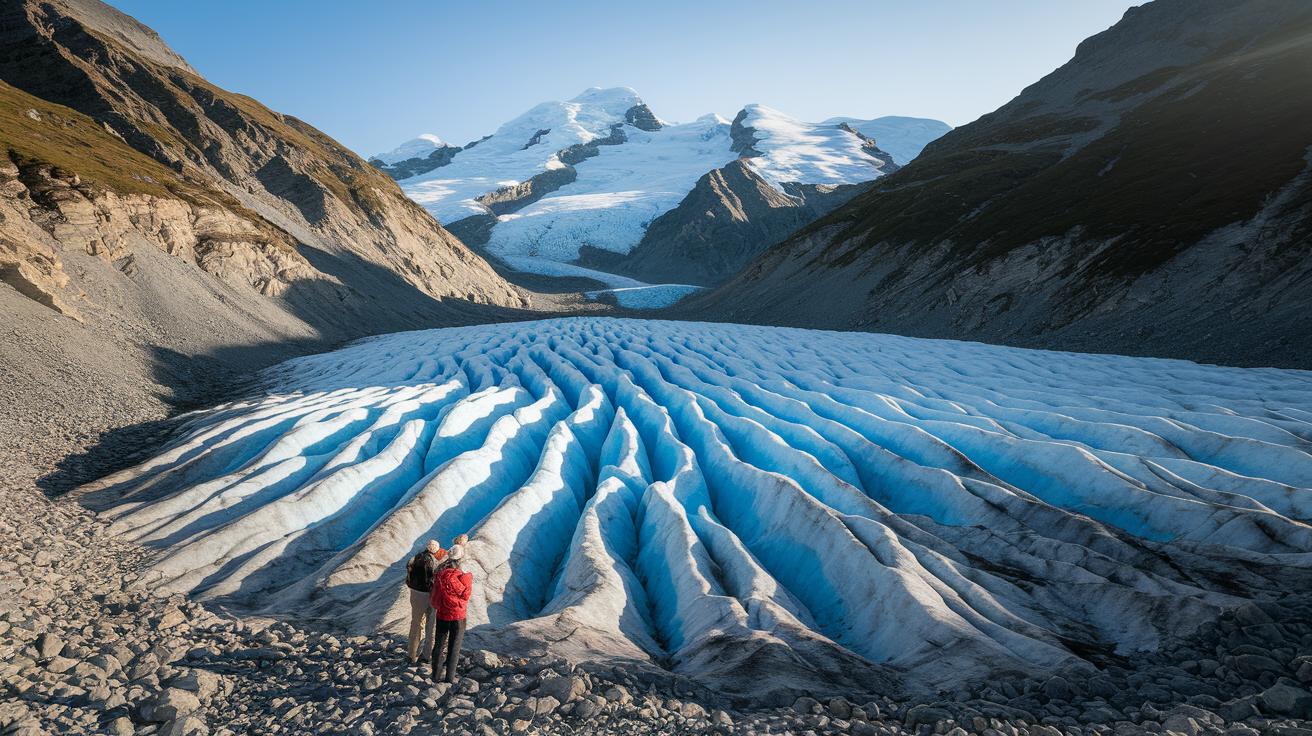
Right now, alpine glaciers are melting faster than ever in our warming world. The 2023 collapse of the Marmolada Glacier shows just how sensitive these ice masses are to rising temperatures. Many glaciers are now backing off quicker than they did in past years. In high-altitude areas, warm summer air melts the ice faster, and winter snows might not replace what’s lost. Locals have noticed less water flowing in rivers and more loose rocks along glacier edges. One case showed that a sudden ice collapse, sparked by pooled meltwater, made even old, steady glaciers unpredictable.
Looking ahead, research by Jouvet and Huss (2019) warns that many alpine glaciers might lose a lot of their ice if we don’t curb our emissions. Their models suggest that ongoing warming will speed up the melt, drastically reducing glacier sizes over the next few decades. This quick retreat could mean less water for the ecosystems and communities that depend on it. Without strong measures to cut carbon emissions, we might end up with only small, fragile remnants of what were once vast ice ribbons.
Ice cores are like history books written in ice. They preserve layers of ancient snowfall that turned to ice, letting scientists peek into the past. These layers show times when glaciers grew during colder periods and shrank when it got warmer. They remind us that today’s fast warming is much more extreme than the slow shifts seen over centuries.
Monitoring Alpine Glaciers: Technologies and Research Methods

Modern tools help us watch alpine glaciers up close. Field teams, like Matthias Huss’s group from the Swiss GLAMOS network, mix traditional on-site checks with fresh digital methods. They use mass-balance stakes to count snowfall layers and GPS to mark the glacier edges. New tech also offers a bird’s-eye view. Satellites like Sentinel-2 and Landsat provide clear maps that show how the ice shifts over time. Ground-penetrating radar (which sends radio waves into the glacier) shows us how thick the ice is and what might be hidden underneath. Even drones fly overhead to snap crisp photos of every ridge and crevasse.
| Method | Description |
|---|---|
| Field Surveys | On-the-ground checks using mass-balance stakes and GPS, just like the Swiss GLAMOS experts do. |
| Satellite Imaging | Using Sentinel-2 and Landsat to create digital maps that track the glacier’s shape and size. |
| Ground-Penetrating Radar | Sending radio waves into the ice to measure its thickness and understand the hidden layers. |
| Drone Surveys | Capturing high-resolution photos from above to spot every detail on the glacier surface. |
These techniques work together to give us a clear picture of glacier behavior. By blending field checks, satellite views, radar scans, and drone images, researchers can track changes accurately. This careful work helps us understand how these icy rivers evolve, so local communities and nature can both benefit from smart, informed decisions.
Environmental and Societal Significance of Alpine Glaciers
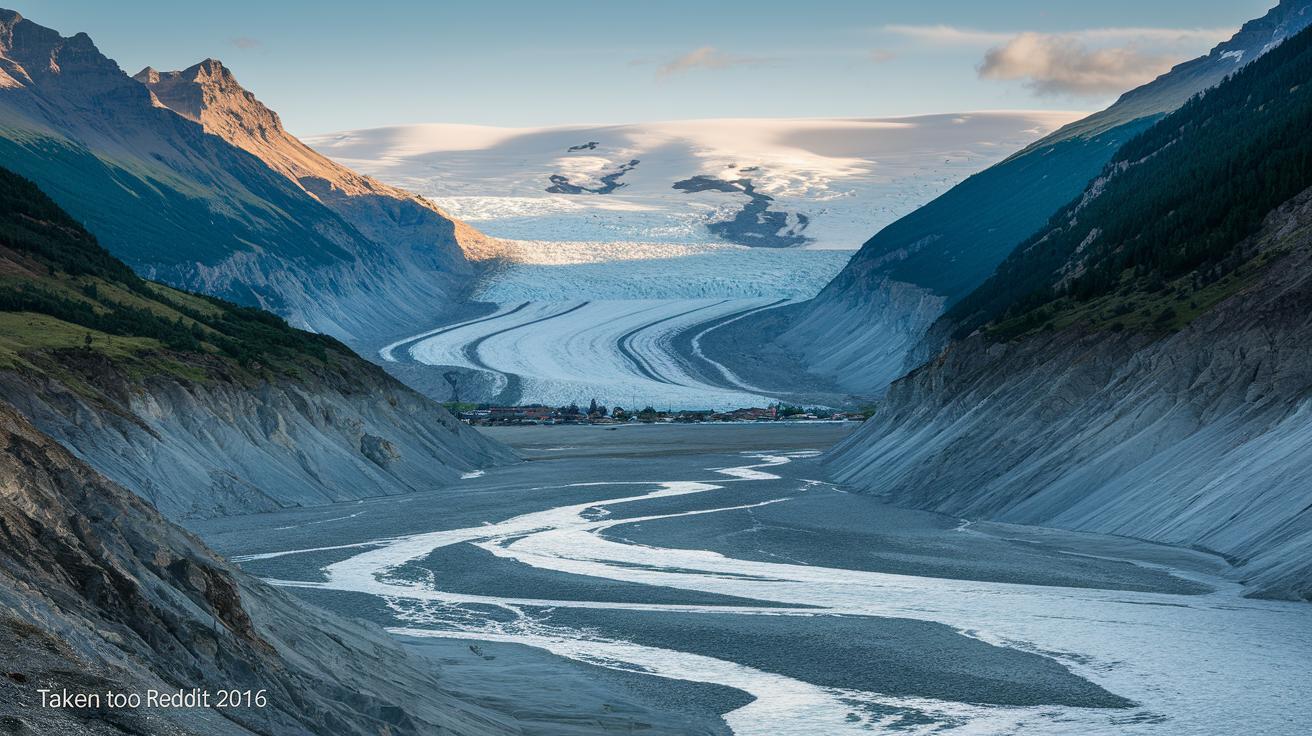
Alpine glaciers play a key role in our water cycle. Their melting ice gives us clean, nutrient-rich water that feeds rivers, lakes, and streams. This fresh water helps plants and animals along the banks thrive. As the ice fades, seasonal water flows change. This can impact farmers who rely on steady water for their crops and hydropower systems counting on constant river volumes. Even a small mountain stream can bring just the right water to high-altitude farms.
Glacier retreat affects local people and businesses, too. Many mountain towns depend on the stunning views and outdoor activities that come with glaciers. Visitors enjoy glacier hikes, ice climbing, and photography trips. Local guides, lodge keepers, and small shops benefit when curious hikers come to admire the ice. More visitors mean more spending and more jobs in the area.
Alpine glaciers also hold cultural charm. They spark both scientific inquiry and creative art. People in the mountains see glaciers as symbols of natural beauty and history. A local artist once remarked, "Watching the glacier change is like seeing a slow dance with time." This special bond encourages communities to care for and preserve these icy wonders for future generations.
Conservation Challenges and Future Outlook for Alpine Glaciers

If we cut CO₂ emissions hard, we could keep much of our mountain ice until 2100. Sticking to strict emission cuts means the ice stays cooler and melts slower. Acting now can help us preserve glacier mass and secure water for mountain communities. Studies show that high-up ice survives better when temperatures drop. But if we do nothing, we might lose over half of the glacier volume. That is a big risk for people who depend on melting glaciers for clean water and a healthy environment.
Local leaders and researchers are working together to protect these icy treasures. They set up protected areas and support community water projects to keep the glacier melt clean and reliable. They carry out field studies (on-site research) and gather solid data to learn how glaciers change with our warming climate. Their work lays a clear path for making smart rules to reduce harm. Looking ahead, keeping our alpine glaciers in good shape depends on strong science support and careful environmental decisions. Collaboration between local communities, scientists, and policy makers is key to a stable, icy future.
Final Words
In the action, we examined alpine glaciers, how snow turns into ice, the different types like valley and cirque, and the forces that shape these high-altitude ice masses. We also touched on monitoring techniques and the role these icy forms play in local water systems and mountain communities.
This guide shows you a clear way forward. Enjoy planning your safe, memorable mountain trip while respecting the delicate balance of alpine glaciers and the people who call these places home.
FAQ
How are alpine glaciers formed?
Alpine glaciers form when winter snow accumulates, compacts into firn, and then into solid ice. Gravity makes the ice slowly flow downhill, carving crevasses and shaping the mountain terrain.
What is an alpine glacier?
An alpine glacier is a mass of ice found in mountain regions. It forms over many years as snow compresses into ice and flows, creating features like crevasses and glacier tongues.
What’s the difference between alpine glaciers and continental glaciers?
Alpine glaciers are confined to mountain valleys and cirques, whereas continental glaciers cover large regions. Continental glaciers spread over broad areas, such as those found in Antarctica or Greenland.
What is the largest alpine glacier in the world?
The Aletsch Glacier in the Swiss Alps is generally considered the largest alpine glacier. It covers a vast area and exhibits classic alpine features like crevasses and extensive ice tongues.
Where are alpine glaciers found?
Alpine glaciers occur in high mountain regions worldwide, including the Alps, Rockies, Himalayas, and Andes. They develop in areas where cool temperatures and consistent snowfall allow ice to form.
What is a Piedmont glacier?
A Piedmont glacier flows out of a mountain valley onto flatter ground, spreading into broad lobes. This type of glacier creates a noticeable fan-like shape as it moves from steep terrain to open plains.
What are valley glaciers?
Valley glaciers are alpine glaciers that flow down mountain valleys. They erode the rock to form U-shaped valleys and leave behind deposits such as moraines along their journey.
What are three facts about alpine glaciers?
Alpine glaciers form from compacted snowfall, move downhill due to gravity, and shape the landscape by carving features like crevasses, moraines, and cirques.