


Imagine setting out on a hike where every day offers a new path, yet you always return to the same starting point. With a closed-loop hut circuit, you follow a route that brings you to different mountain huts along the way. Each night, you can warm up with a good meal and settle in a cozy bed, without the need to double back. In this guide, we'll show you how this route keeps things fresh and serves as a cost-effective way to enjoy the mountains.
Understanding a Closed-Loop Hut Circuit Itinerary
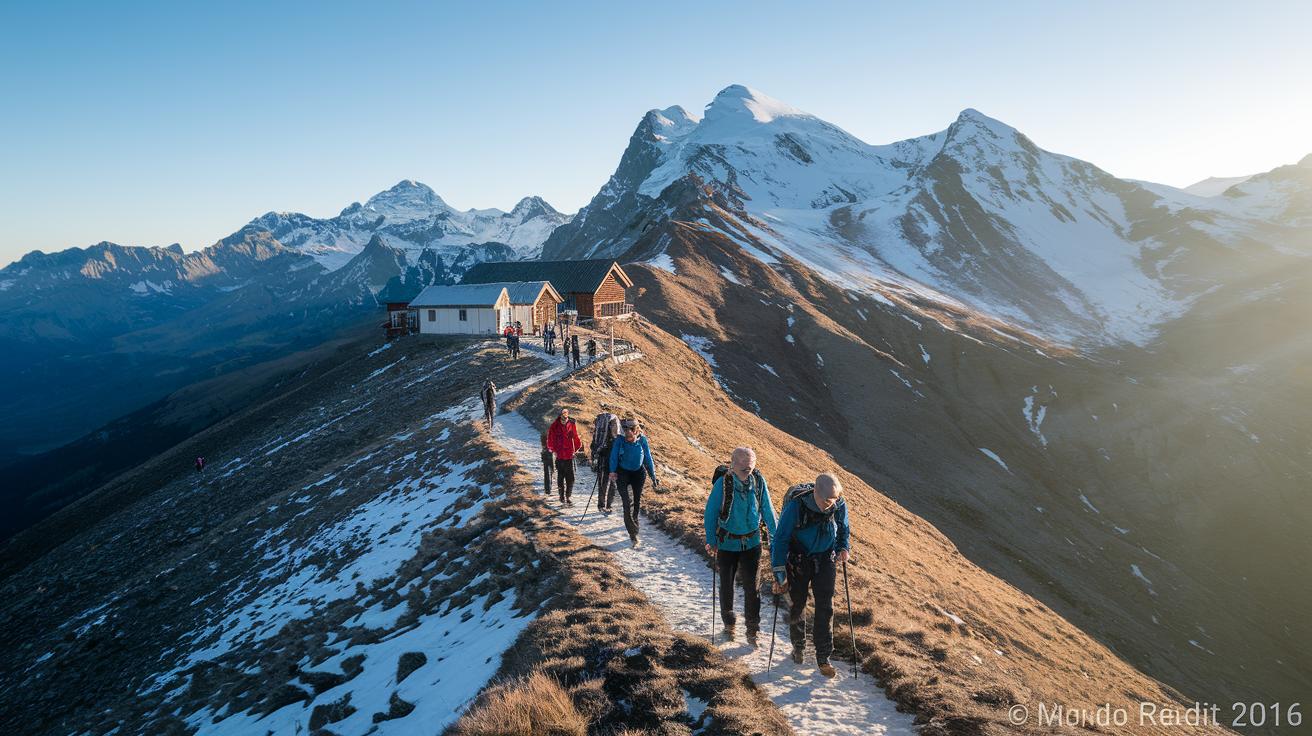
A closed-loop hut circuit itinerary is a multi-day adventure that begins and ends at the same trailhead. Instead of retracing your steps as in out-and-back hikes, you move from one hut to the next. This way, each day brings fresh scenery along new trails, and you get to enjoy different parts of the mountains.
You can expect this route to offer:
- A loop that starts and ends at the same trailhead.
- Daily journeys from one hut to another.
- Meals included in your hut rate.
- A set network of shelters.
- Trails that don't repeat.
Most days, you'll walk about 10–20 km (6–12 miles) with an elevation gain of roughly 500–1,000 m. The huts are usually spaced about 8–12 miles apart, so you get a good mix of exercise and time to relax while enjoying the views. This steady pace gives you a chance to stop, rest, and take in the fresh mountain air.
The best time for this trek is from late June to late September when the weather and trail conditions are more reliable. Most hut bookings open about six months before your trip, so planning ahead is key, especially during the busy summer months. In these huts, you'll find cozy beds, basic amenities, and half-board meals (dinner and breakfast) to help you recharge for the next day's hike.
Key Benefits of Closed-Loop Hut Circuit Itineraries
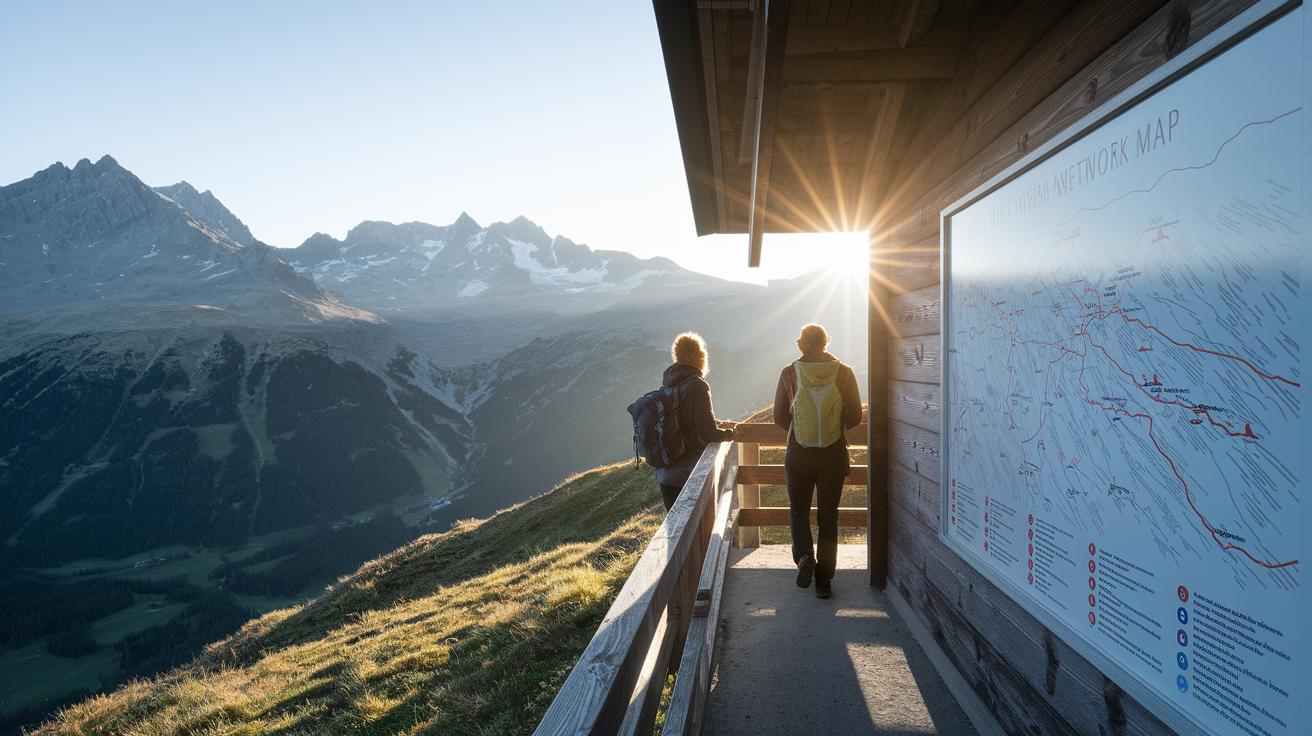
Closed-loop hut circuits let you explore the mountains without repeating your steps. Each day brings a new path, so you’re always walking fresh trails. This saves you time and energy since you never backtrack.
With a network of mountain huts, lodging becomes simple. You know a warm meal and a comfortable bed await you after a long day on the trail. Instead of worrying about planning return routes, you can focus on taking in wide valleys and high peaks.
Cost is easy to predict too. Hut stays usually include half-board meals and run about €80–€100 per adult, with lower prices for kids. This fixed pricing means you can set your budget from the start and avoid surprises. Every hut stop offers new views and local amenities to help you recharge, making the whole trek both adventurous and stress-free.
Step-by-Step Planning for a Closed-Loop Hut Journey
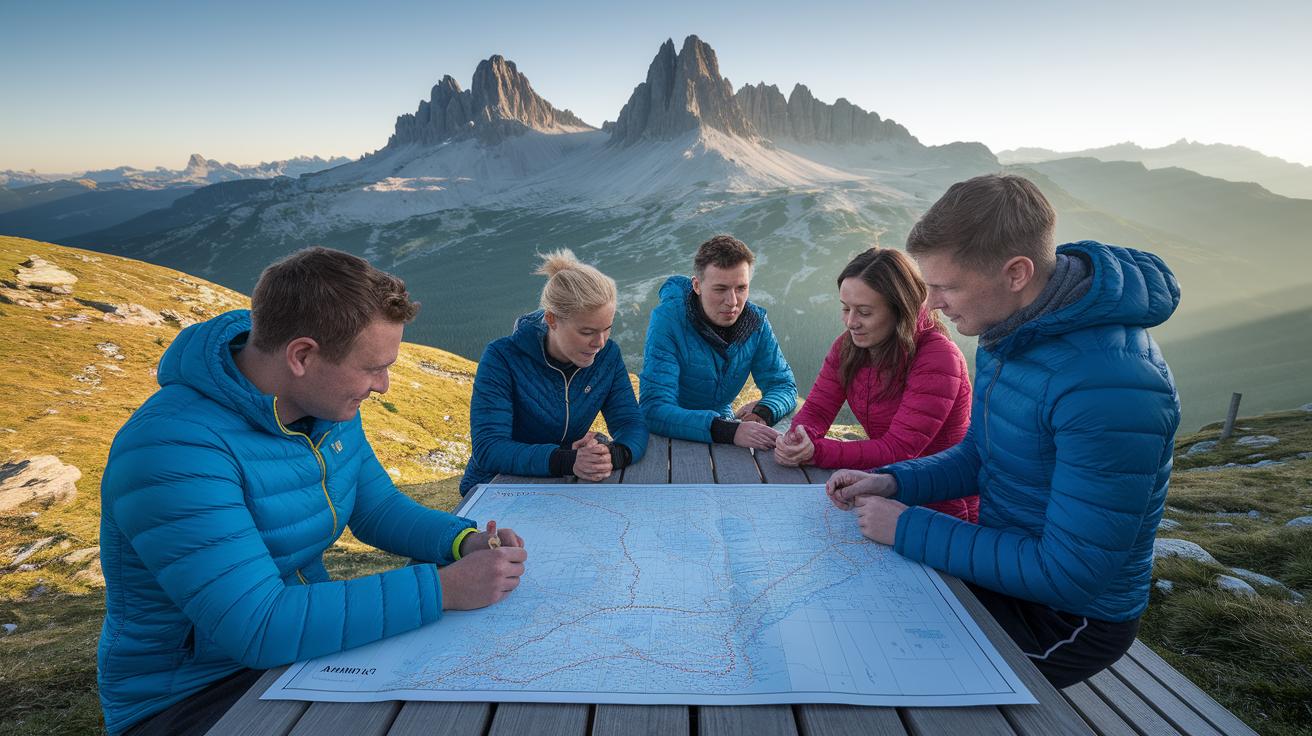
Planning a hut circuit can be easy if you follow a few smart steps. Here are six clear steps to help you set up a safe and fun trek.
Step 1: Choose Your Loop Region
Pick a region known for its network of mountain huts. Look for areas with well-marked trails and plenty of shelters. For example, the Dolomites and Swiss Alps have many options and offer a range of terrain.
Step 2: Plot Daily Stages
Break your journey into daily walks of about 10–20 km (6–12 miles) with an elevation climb of about 500–1,000 m. Plan each stage so you reach a hut by evening. This keeps your pace comfortable and lets you enjoy the mountain views.
Step 3: Verify Hut Operating Dates
Double-check that the huts along your route are open during your trip. Most huts operate from late June to late September. Confirming dates now saves you from surprises later.
Step 4: Make Reservations Early
Book your hut stays well in advance – around six months ahead works best. This is important in busy months when spots fill up quickly. Early planning means a guaranteed place to rest each night.
Step 5: Coordinate Access and Return
Study local bus and train schedules to plan your arrival at the start and your return home at the end. This helps you avoid last-minute travel hassles and keeps your journey stress-free.
Step 6: Build in Contingencies
Set aside one or two extra days in your plan in case the weather slows you down or you need a break. Having a buffer makes your trip more flexible and less stressful if conditions change.
Before you head out, take one last look at local transport times and the weather forecast. This little extra step helps keep your adventure safe and on track.
Essential Logistics & Booking Details for Hut Circuits

Booking a hut on a mountain circuit is easy when you know what to do. Start by sending a clear email with a subject like "Reservation request – [Dates] – [Your name]". Most huts ask for a small deposit up front. You pay the rest in cash when you arrive.
The cost for half-board (room and meals) is usually between €80 and €100 per adult. Kids often get a discount. Also, check the cancellation rules for each hut because these can change from place to place. It’s a good idea to reconfirm your booking about one week before your trip to keep everything on track.
| Booking Element | Detail |
|---|---|
| Reservation Window | 6 months in advance during busy season |
| Deposit & Payment | Small deposit; cash payment of balance on arrival |
| Cancellation Policy | Varies; confirm with hut manager |
For a secure booking, use the hut’s official website or the linked booking engine.
Designing a Loop Route with Digital Tools
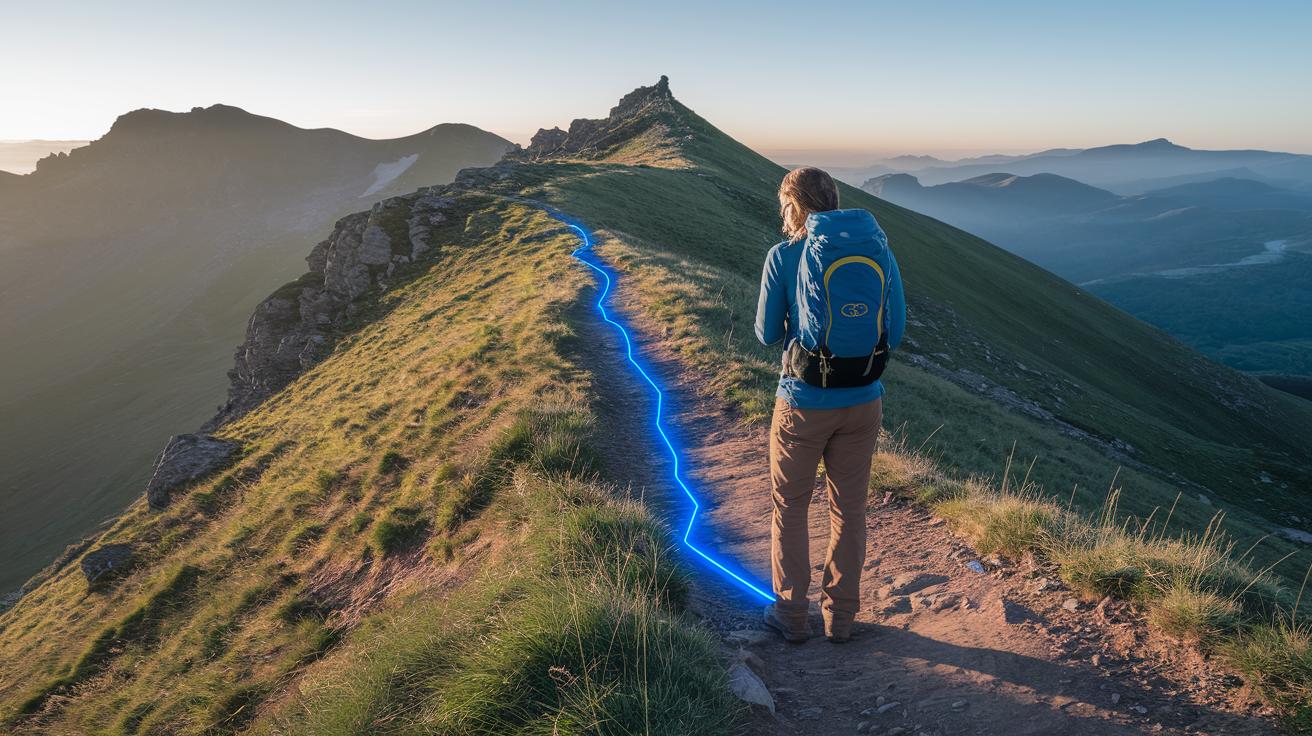
Modern GPS hiking apps make it simple to plan your hut loop. Pick an app that works offline because cell service in the mountains can be unreliable. Download topographic maps (these show hills and valleys) and GPX files (files your phone uses) from trusted hut networks. With these tools, you can see every bend in your trail. Load your route and follow the blue line as you pass by fields and rocky ridges.
Match your digital route with local bus or train times so that your hiking schedule fits with transport options. Check the latest timetables online before you head out. And bring a charged power bank to keep your phone powered all day. This extra step makes sure you always have your maps and route details, even if the weather changes or your phone battery runs low.
Packing & Preparation for a Circular Hut Trek
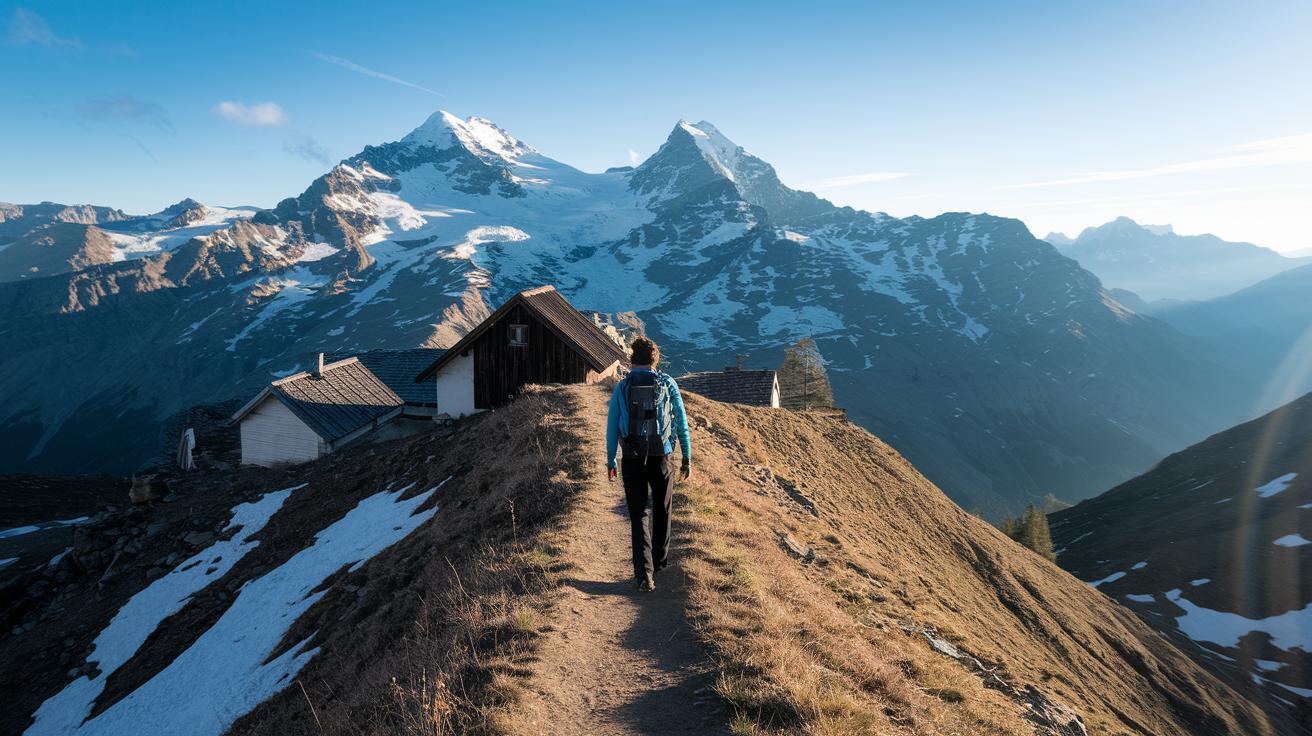
When you head out on a circular hut trek, pack light. Every hut gives you a warm bed and a meal, so you can leave behind heavy camping gear and extra food. Keeping your pack light helps you move quicker and enjoy the mountain views between each cozy hut stop.
Here’s what to bring:
- Base layers to keep you warm.
- An insulated mid-layer to maintain your heat.
- A waterproof jacket (often called a shell) for rainy weather.
- A liner for extra comfort.
- Personal items like a first-aid kit, some cash, and a power bank to keep your devices charged.
Before you set off, check with each hut to see what they provide; some offer linens or towels. Review a multi-day hiking packing checklist and double-check your gear. A lighter load makes the trek smoother and lets you fully enjoy the trail.
Final Words
In the action, we explored the ins and outs of a closed-loop hut circuit itinerary. We broke down the daily segments, altitude changes, meal arrangements, and digital tools that make planning simpler. We also covered booking details, logistics, and what to pack for a comfortable hut-to-hut stay.
Every tip helps you understand what is a closed-loop hut circuit itinerary. Enjoy the scenic route and savor every step along the trail.
FAQ
What is a 4-day hut-to-hut hike in the Dolomites with kids, and what do reviews say?
A 4-day hut-to-hut hike in the Dolomites features manageable daily stages, kid-friendly paths, and cozy mountain huts. Reviews praise its scenic vistas, welcoming accommodations, and the ease it offers for families.
What does the O Circuit in Patagonia involve and is it hard?
The O Circuit in Patagonia comes with a detailed map and guided tours, featuring rugged terrain and significant elevation changes. Its challenges require good fitness and proper planning for safe hiking.
What are the Alta Via routes and how do Alta Via 1 and Alta Via 4 differ?
Alta Via routes are well-marked trails in the Dolomites. Alta Via 1 is more straightforward and popular, while Alta Via 4 offers varied terrain that poses extra challenges for those seeking a tougher route.
What are the best hut-to-hut hiking routes in Switzerland and the Alps?
Hut-to-hut routes in Switzerland and the Alps reward hikers with striking views and dependable lodgings. Many recommend circuits like the Via Alpina for their blend of comfortable shelter stops and diverse, panoramic mountain scenery.
Is hut-to-hut hiking good for beginners?
Hut-to-hut hiking can be suitable for beginners by selecting easier circuits that provide reliable shelter, clear signs, and convenient meal services. It offers a structured way to enjoy mountain trails with reduced planning stress.
What is considered the hardest hike in the Dolomites?
The toughest hike in the Dolomites features steep ascents, technical sections, and unpredictable weather. This route demands a higher level of fitness and experience than most standard hut circuits.
What are the Rosengarten and Pala groups, and what is Monte Popera in the Dolomites?
The Rosengarten and Pala groups refer to prominent mountain clusters known for striking rock formations. Monte Popera is a notable peak in the Dolomites, celebrated for its dramatic views and rugged terrain.