


Have you thought about how planning a closed-loop hut circuit can be both fun and simple? Sure, it might seem tricky at first, but we have a clear six-step plan to help you get started. We guide you through picking the right gear, mapping your route (using a map file or GPX), getting your permits, and booking your huts early. With a circuit that spans 80 to 160 km (50 to 100 miles), every step is designed to keep you safe while you enjoy the journey. Read on to learn how to build a safe, fun, and well-organized hut circuit trip.
Step-by-Step Planning for Your Closed-Loop Hut Circuit
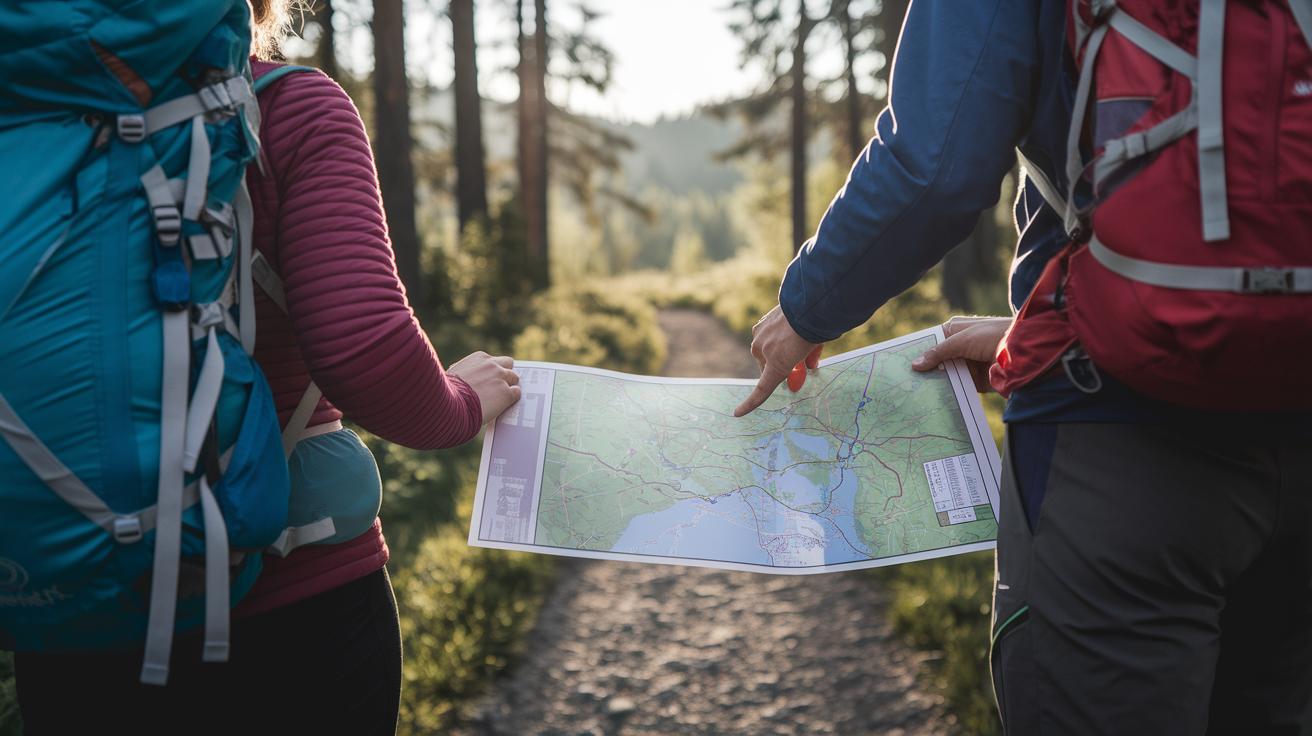
Planning your hut circuit starts with knowing your route and getting ready ahead of time. Think of it as drawing a map where every step keeps you safe and makes your trip easier on the trail. Here’s a simple six-step checklist:
- Pick your gear. Choose a 40–60 L pack and keep your load under 11 kg (25 lbs). Pack the basics like a small stove and a safety kit.
- Map your route. Plan for a total of 80–160 km (50–100 miles). For example, Patagonia’s 120 km (75-mile) circuit means you might walk 11–20 km (7–12.5 miles) each day.
- Check permits and tickets. Get your park entry passes and other permits well ahead of time.
- Book your huts early. Whether it’s a simple refuge or a lodge with running water and meals, reservations usually open 6–9 months before you go.
- Set your schedule. Many hikers finish a hut circuit in 6–8 days with 6–10 segments. Make sure your daily goals are realistic.
- Train your body. Do fitness routines to be ready for steady walking and changing elevations.
Having a clear plan helps you avoid surprises. Work out your daily distances and include a rest day or a light day between key huts. Huts can range from basic shelters with a mattress and a simple toilet to cozy lodges that serve a meal. Prices can vary from around $36 USD in 2023 to about $90 USD by 2025, so booking early is a smart move. Pick the best seasons, July to mid-September in the Alps or November to March in Patagonia, to boost your chances for great weather and full services.
This checklist puts you in control so you can focus on soaking in the mountain views and enjoying time with fellow hikers.
Highland Path Cartography and Route Selection for Closed-Loop Hut Circuits
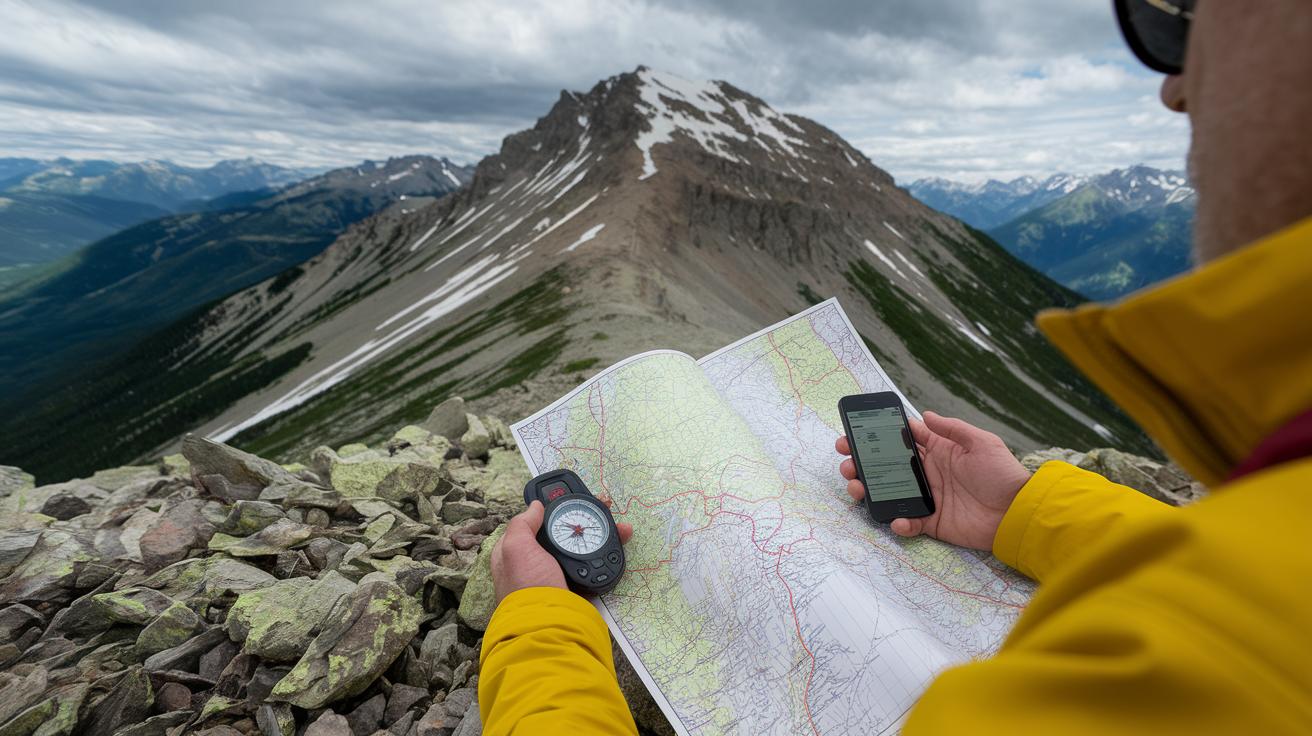
When planning your daily hike, check a topographic map and look at satellite images. Many trails are marked, but studying the contour lines and passes, like John Gardner Pass (around 3120 m), can help you choose safe distances. Try a gps hiking app (see https://hike2hut.com?p=114) if your phone signal is low, but always pack a compass as a backup.
Look at the map's contour intervals to spot steep climbs (over 1000 ft per hour). This can help you decide if you need a rest day at huts like Grey or Los Perros. With this method, you can plan a daily route of 6–15 miles that fits the terrain and matches your energy.
| Segment | Distance (mi) | Elevation Gain (ft) | Altitude Range (ft) |
|---|---|---|---|
| Day 1: Base to Grey | 8.1 | 1300 | 2000-3300 |
| Day 2: Grey to Los Perros | 7.0 | 1100 | 3000-4200 |
| Day 3: Los Perros to Refugio A | 9.0 | 1500 | 3500-5000 |
| Day 4: Refugio A to Refugio B | 12.5 | 1800 | 4000-5800 |
| Day 5: Refugio B to Refugio C | 9.6 | 900 | 4500-5400 |
| Day 6: Refugio C to Base | 8.8 | 1200 | 3000-4200 |
When you choose your route, adjust the distance based on the climb and how you feel that day. Make sure to review the map, recalibrate your compass if weather changes, and note any alternative trails. This careful planning helps you know when to push on and when to take a break, keeping you safe while you enjoy the stunning mountain views.
Mountain Cabin Reservations and Lodge Scheduling Protocols for Closed-Loop Hut Circuits
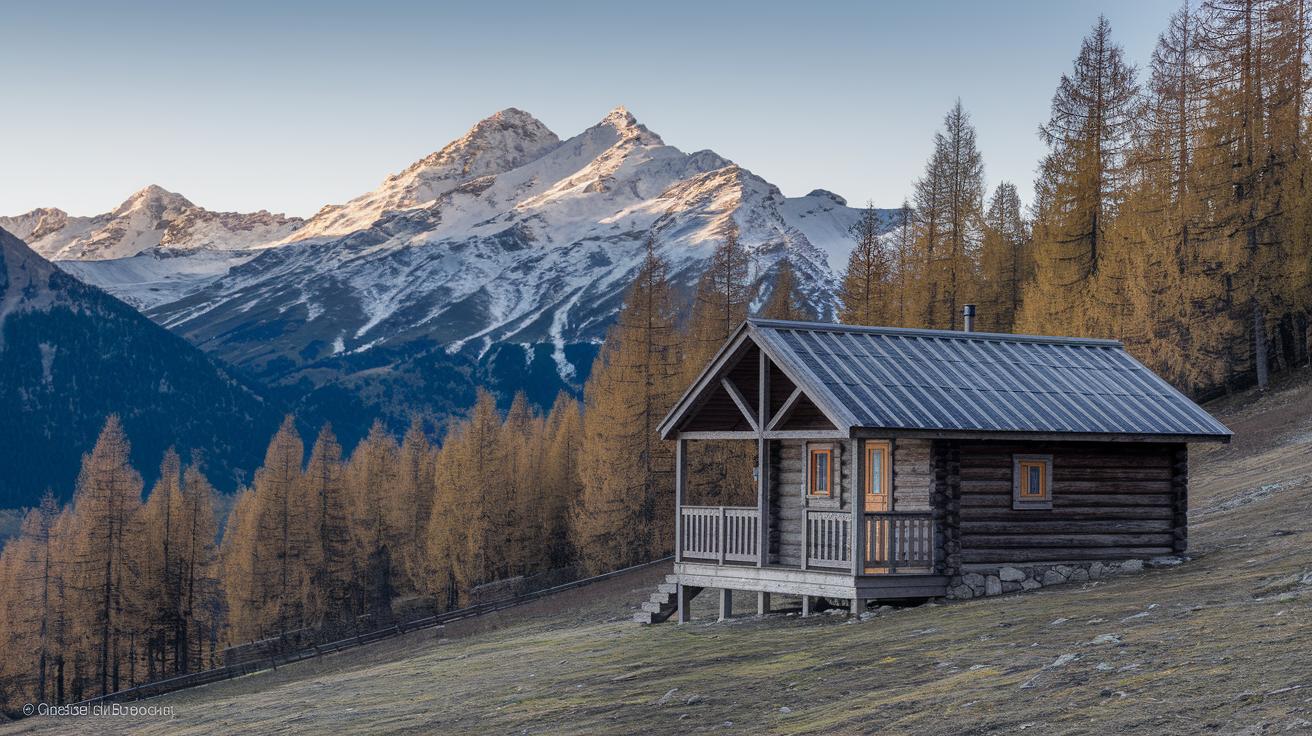
Most mountain cabins don't need special permits and are open from July to mid-September. Some let you book as early as October, while others start in February. To be safe, reserve your bed 6–9 months ahead, especially since many cabins take cash only and offer everything from simple dorms to cozy lodge rooms.
In New Zealand, Great Walk huts work a bit differently. You must book and pay online, and their season runs from late October to late April. This online system secures both your bed and a planned camping setup. Over in Patagonia, refugios require a park entry ticket with your reservation. Often, these bookings include meal options priced between $15 and $30. Since these cabins have dorms for 20 to 60 people, booking early during peak season is a must.
Getting your timing right is key. Always check each hut's rules for payment and booking dates to avoid surprises and ensure a smooth trip on your hut circuit.
Shelter Circuit Blueprint: Itinerary Structuring for Closed-Loop Hut Circuits

Plan your route with a mix of active hiking days and easy rest stops. Instead of focusing only on distance or climb numbers, see each break as a chance to recharge and enjoy the landscape. Picture spending a day at a snug hut, chatting with local hosts and learning about the trail's past.
Arrange your schedule around the light of day. This way, you can plan your meals, have short rests, or swap a tough route for a simpler one when the weather changes. Your day becomes a story with exciting parts for adventure and quiet moments to soak in the details.
Set aside relaxed days to help your body adjust and prevent overexertion. Alternating between moderate and challenging hikes gives you a safe, steady rhythm that suits both your pace and the mountain's mood.
Comprehensive Gear Organization for Closed-Loop Hut Circuit Expeditions
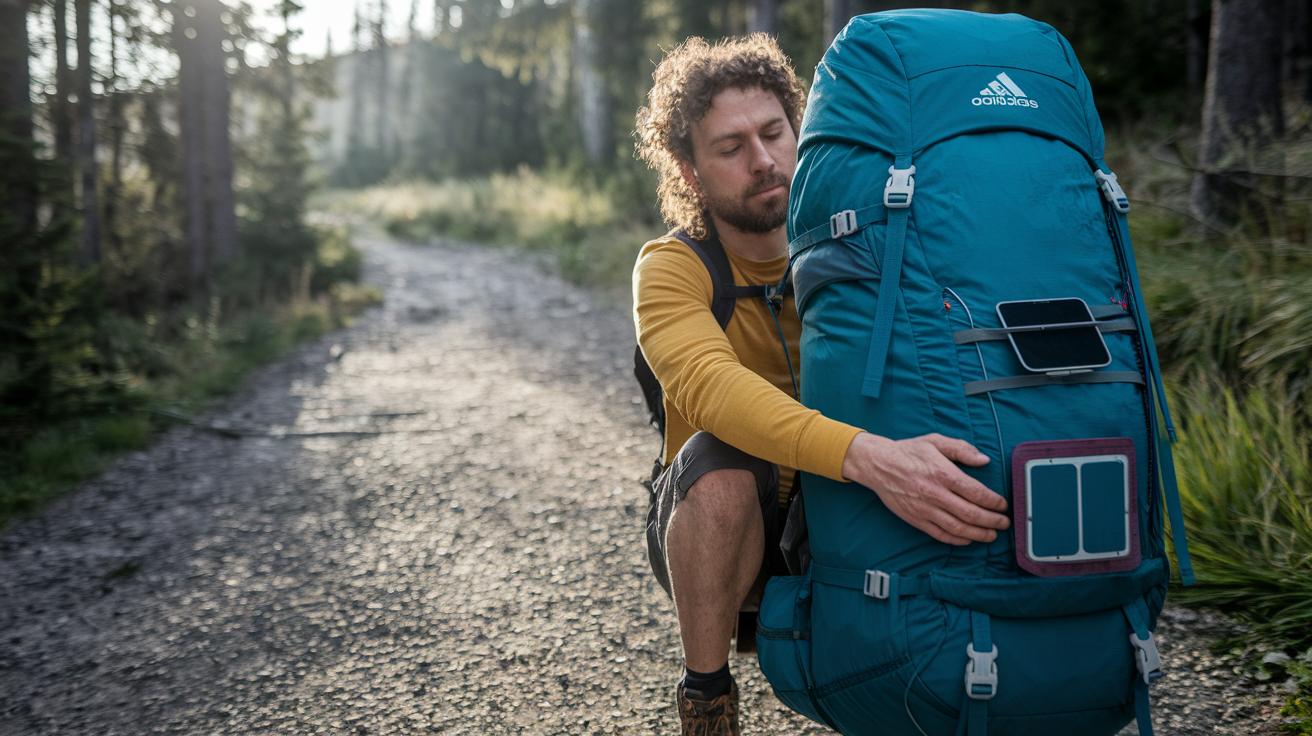
When you plan a round-trip hut hike, start with a bag that holds 40–60 L and weighs less than 25 lbs. A lighter pack means you can enjoy long days on the trail without feeling weighed down. Pack your gear in sections so that what you use most is easy to reach. Think of your backpack like a toolbox where every item has its place.
Dress in layers to match changing weather. Wear a moisture-wicking base layer to keep sweat off your skin, a warm mid-layer for extra insulation, and a waterproof outer shell to fend off rain and wind. For hut trips, remember a sleeping liner, earplugs for quiet nights, and a headlamp for those early starts or late returns. Bringing some cash is a good idea since many huts only take cash for fees.
Keep your meal prep simple. Pack a small stove with fuel and a basic set of cookware so you can heat a light meal on breaks.
Safety is key. Pack a small kit with a personal locator beacon (for emergency help), a first-aid kit for minor scrapes, an emergency bivvy in case of unexpected stops, and water filters or purification tablets to ensure safe drinking water. When you carefully organize your gear, you are set for a comfortable and safe adventure.
Wilderness Safety Principles for Closed-Loop Hut Circuit Hiking

When heading out on a hut circuit, begin by following the Leave No Trace rules. Take all your trash with you and keep nature untouched. Let a hut warden or local ranger know your route so someone can help if needed. Staying in touch with local contacts is one of the best ways to keep safe.
Pack a satellite communicator or personal locator beacon for when your cell phone loses signal. Also, write down local search-and-rescue numbers and emergency contacts for your gateway town. This simple step can be a lifesaver if you face unexpected challenges. Always check that your emergency gear is charged and ready to go.
Keep an eye on the weather and be ready to change your plans if it turns dangerous. Set a strict turn-around time to avoid getting caught in worsening conditions. In snowy weather, carry avalanche gear and know how to use it. These smart precautions help make sure your hut circuit stays safe and enjoyable.
Terrain Complexity Ratings and Seasonal Access for Closed-Loop Hut Circuits
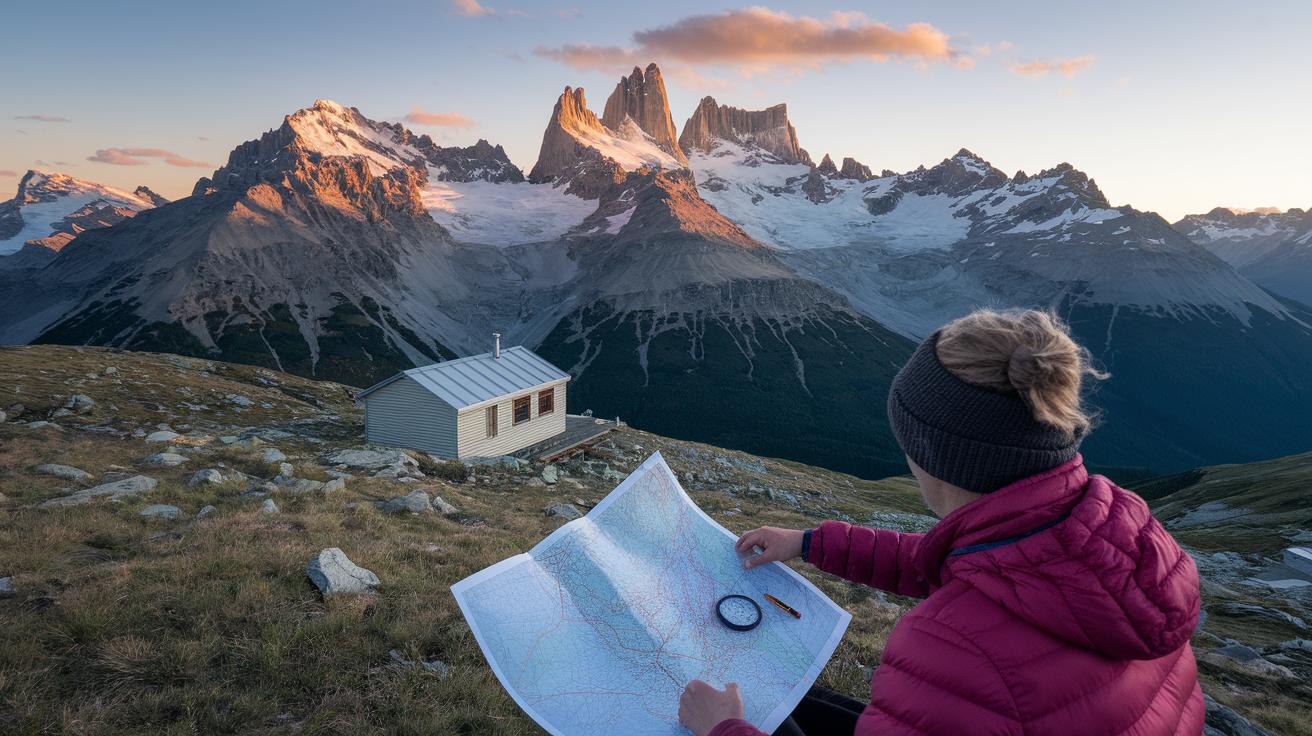
When you're planning a closed-loop hut journey, timing matters a lot. Alpine areas usually open from July to mid-September, while Great Walks in New Zealand run from late October to late April. In Patagonia, the best time to hike is from November through March. Expect the weather to change fast, afternoon storms and strong winds above the trees are common. Always check the forecast and pack layers that suit shifting conditions.
Knowing how hard a trail is can really help you plan your day. If you’re gaining less than 300 m (1000 ft) a day, it’s an easy route. A gain of 300–750 m (1000–2500 ft) means a moderate day that needs a bit more effort. When the climb is more than 750 m or the trail has technical sections, call it hard. This guide helps you decide if you should stop at a hut for a break or take a rest day.
When you reach higher altitudes, it’s important to take it slow. Once you’re above 2440 m (8000 ft), try not to gain more than 300 m (1000 ft) in one day. Short, gentle days between huts can help you adjust and lower the risk of altitude sickness, keeping your journey safe and enjoyable.
Budget Expenditure Outlines for Closed-Loop Hut Circuit Hiking Trips
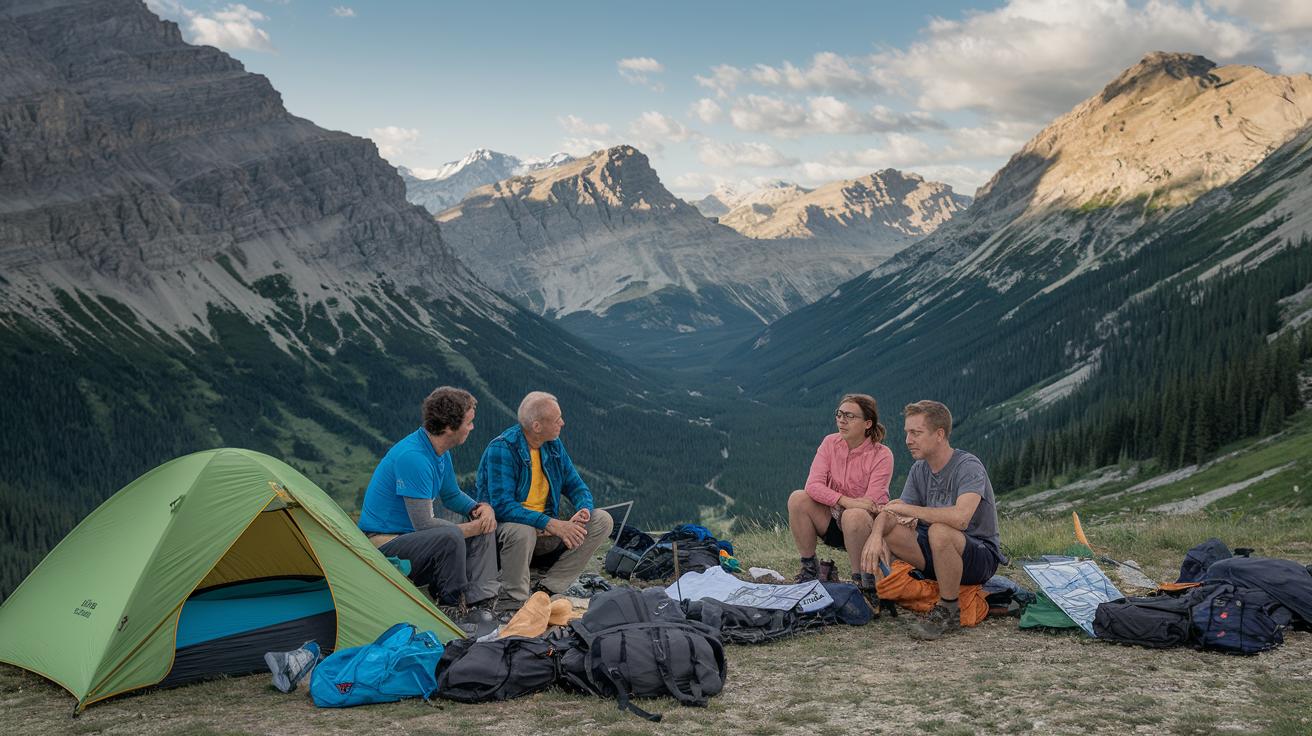
When planning your hut circuit, set a budget that covers all your needs. Hut fees in many alpine areas run from $30 to $70 per night. You should also plan for park entry or permit fees, which usually cost between $10 and $25 per person. Think of these as checkpoints along the trail.
Meal planning is key. A meal at a refuge can cost around $15 to $30 each, while cooking your own meals might save you money if you pack the right supplies.
Don’t forget transportation. A shuttle or taxi ride to your trailhead may cost between $20 and $60, depending on distance. In busy gateway towns, sharing rides can help lower costs.
Also, factor in gear rentals and extra fuel. Renting hiking gear in gateway towns typically runs from $20 to $50 per day. Bringing extra fuel from home could help you avoid extra on-trail expenses.
Happy hiking and keep your budget on track!
Final Words
In the action, your planning comes alive as you map out trails, lock in cozy huts, and pack the right gear. Every section of the guide, from reading maps and structuring days to booking reservations and checking safety protocols, helps you learn how to plan a closed-loop hut circuit hiking trip. Breaking down distances, schedules, and seasonal tips makes it all clear and manageable. Head out with confidence and enjoy each step in the mountain's embrace. Happy hiking!
FAQ
Frequently Asked Questions
What is hut-to-hut hiking for beginners?
Hut-to-hut hiking for beginners means trekking from one shelter to the next, with clear routes and planned rests, making the experience accessible and less stressful for new hikers.
What is hut-to-hut hiking in the USA?
Hut-to-hut hiking in the USA features trails with dedicated mountain shelters, ranging from basic cabins to well-equipped lodges, offering safe and scenic routes in protected wilderness areas.
What is luxury hut-to-hut hiking like?
Luxury hut-to-hut hiking offers higher comfort levels with amenities such as warm bedding, running water, and meal services, combining a rustic outdoor setting with modern comforts.
What options exist for hut-to-hut hiking in South America and Patagonia?
Hut-to-hut hiking in South America, including Patagonia, provides a mix of basic refuges and comfortable lodges. Expect daily segments of 7–12.5 miles set against dramatic, scenic backdrops.
What are the best hut-to-hut hikes in North America and Europe?
The best hut-to-hut hikes in North America and Europe offer well-marked trails, diverse landscapes, and comfortable shelters. Routes cater to various fitness levels and provide rich local cultural experiences.
What hut-to-hut hiking routes are popular in the Alps?
Popular Alpine hut-to-hut hikes run from July to mid-September, with trails featuring varying elevation gains and stunning mountain passes, combining cultural stops with breathtaking natural views.
How do I book huts and cabins such as Francie’s Cabin, Broome Hut, Sisters Hut, Ken’s Cabin, Shrine Mountain Inn, and Carner’s Cabin?
Booking these huts and cabins requires early reservations (6–9 months ahead) and often cash payments. Check local online booking systems for current fees, services, and shelter-specific policies.
How can I effectively plan a hut-to-hut hiking route?
Effective planning for a hut-to-hut route involves mapping daily distances, checking permits, organizing gear lists, and following step-by-step guidance from trusted local sources to ensure a safe and enjoyable trip.