


Have you ever noticed that one small mistake on the trail can affect everyone's hike? Green trail etiquette means sticking to the paths, caring for nature, and being kind to other walkers. Simple rules help keep the outdoors safe and welcoming.
Today, we share easy tips to leave no trace while you enjoy nature's quiet beauty. Follow these reminders to protect wild spaces and ensure every hiker finds a peaceful journey:
• Stay on marked trails
• Pack out all your trash
• Respect plants and animals
• Keep noise low for everyone
By watching out for one another and the environment, we create a safe space on the trail for everyone.
Green Trail Etiquette: Embrace Outdoor Harmony

When we stick to simple rules, our trail stays safe and pure. Everyone following these practices helps protect nature and makes the hike better for all. Here are a few easy do's and don’ts to keep our outdoors clean and low impact.
Being careful on the trail shows respect for both nature and fellow hikers. Whether you're a seasoned trekker or trying out a green trail for the first time, these tips help keep paths safe and quiet. A few small steps now can make a big difference later.
- Follow trail signs and local advice.
- Stick to marked paths to protect the soil and native plants.
- Let hikers going uphill pass you and walk in single file on narrow sections.
- Say “On your left” politely when passing.
- Keep your voice down so everyone can enjoy nature’s sounds.
- Carry out all your trash and secure small items to prevent litter.
- Use earbuds instead of speakers for music.
- Never feed wildlife human food.
- Keep your dog on a short leash and under control.
- Avoid altering natural features like carving on trees; help out a fellow hiker when you can.
Following these simple rules helps keep our trails green and welcoming. With every respectful step, we protect delicate ecosystems and build a caring community of hikers for today and tomorrow.
Pre-Trail Planning and Eco-Conscious Preparation
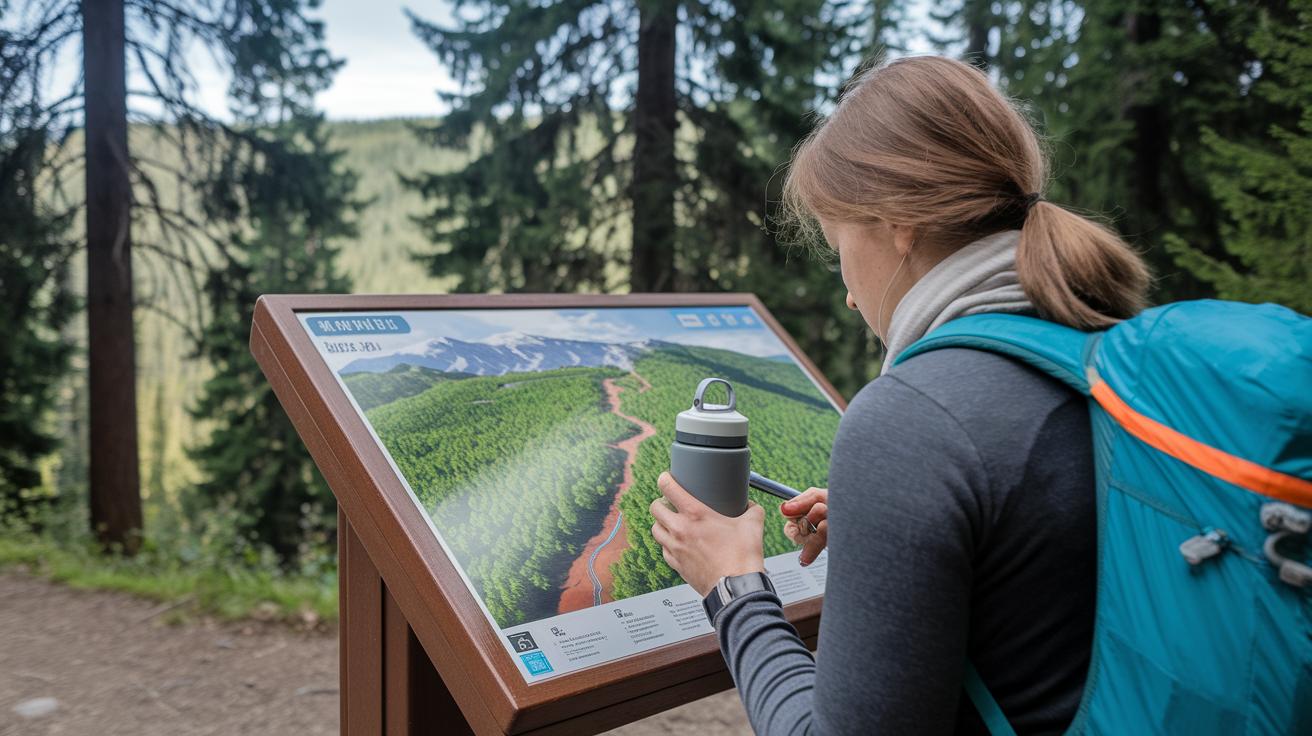
Before you head out, check the local trail rules, like group limits and seasonal closures. A quick visit to the park website can tell you if a trail is off-limits for maintenance or heavy use. This helps keep your impact low and your hike safe.
Pack smart. Bring reusable water bottles and bags for your trash so you leave nothing behind. Choose gear made from recycled or eco-friendly materials to follow the best practices for mountain trails (see https://hike2hut.com?p=163).
It also helps to plan your trip during quieter times. Fewer people on the trail means less damage to nature and a more peaceful hike. Carry a map or load a GPX (a map file your GPS uses) on your phone to stick to official paths and avoid sensitive spots.
Every little step counts. Checking permits ahead, packing responsibly, and staying on the marked trail all help protect the land and show respect for nature and fellow hikers.
Leave No Trace Approach: Seven Principles for Green Trails

Before you head out, check our Pre-Trail Planning and Eco-Conscious Preparation section for trail rules, group limits, and the best off-peak times to visit.
Stick to marked trails and approved campsites. This keeps nature strong and is explained in our Green Trail Etiquette guidelines.
Always pack out every piece of trash, leftover food, and hygiene product. Our earlier tips on cleaning up help keep the trails beautiful.
Let nature stay untouched. Follow our conservation tips to enjoy wild places as you find them.
When making a fire, use a portable stove or stick to the designated fire rings. This simple choice shields nearby plants and cuts down wildfire risks. Remember to check local fire bans and rules.
Watch wildlife from a safe distance to help them stay undisturbed. Our Green Trail Etiquette guidelines offer more details on this practice.
Give way to others and speak softly. These easy steps, detailed in our earlier tips, ensure a safe and pleasant experience for everyone.
Wildlife Respect and Minimal Disturbance Walking

Stick to the Green Trail Etiquette and Leave No Trace guidelines. Always keep at least 15 m (50 ft) away from wildlife. If you want a closer look, use binoculars instead of getting too near.
• Do not feed animals with human food.
• On trails that allow dogs, keep your pet on a short leash.
• Walk softly to avoid startling the animals.
• Stay calm and avoid sudden moves or loud noises that might disturb them.
For example, when you see a deer, stop and move back so it can continue its day in peace.
Trail Stewardship and Community Conservation Efforts
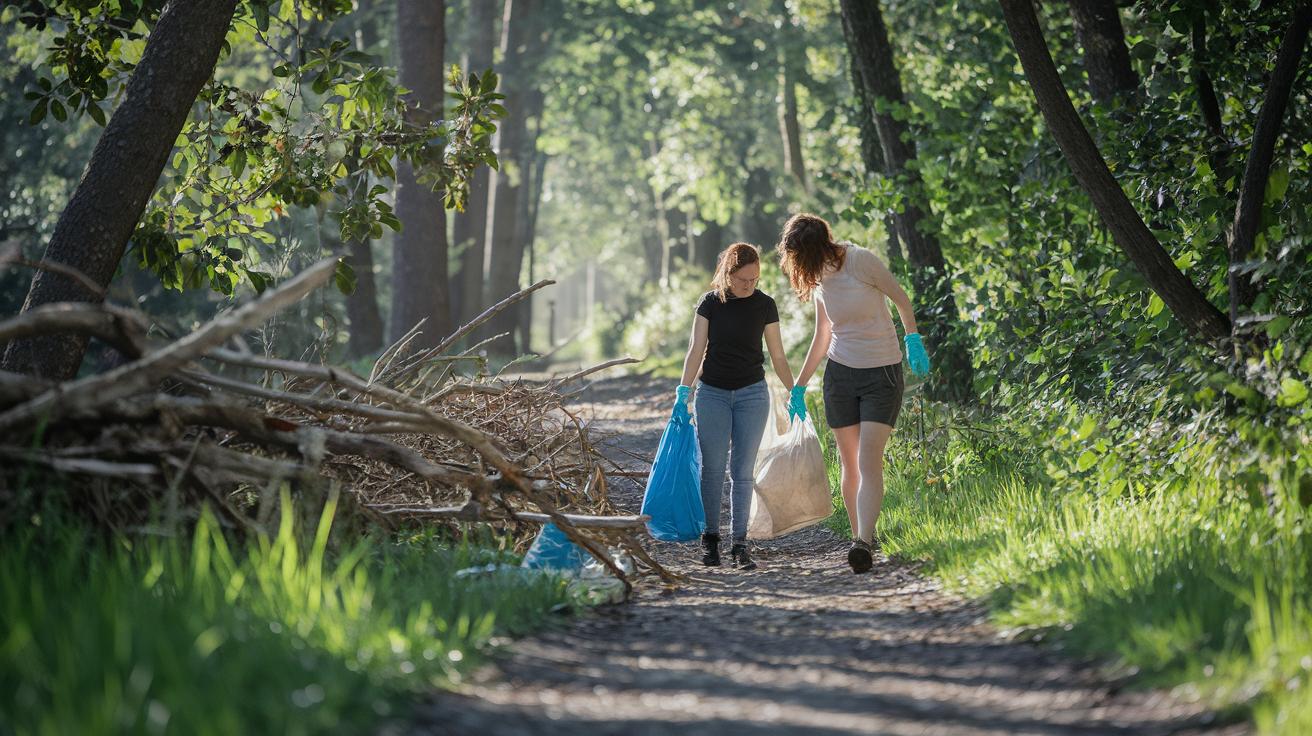
We all share the duty to care for our trails. When you notice signs of damage, like fallen trees, broken paths, or stray markings, let the park rangers know. This simple act helps keep trails safe and welcome for everyone.
Join your local trail community too. Many groups organize clean-up days or charity fundraisers that support trail care. Whether you sign up for a clean-up or directly report issues, your efforts help protect our outdoor spaces. Some guide services even donate part of their fees to trail conservation.
Remember to follow park rules and join ranger-led talks. These sessions remind us how to care for nature together.
- Report trail damage, such as fallen trees and off-track markings.
- Volunteer at local trail maintenance days and charity events.
- Donate to groups that adopt and care for trails.
- Support ranger-led educational programs.
Every little step makes our trails stronger and keeps nature thriving for all who come after us.
Final Words
In the action, we hope this article has given you a clear guide to green trail etiquette that makes your hut trips smoother. We covered practical do’s and don’ts, eco-conscious preparation tips, and simple ways to respect wildlife and fellow hikers along the way.
Following these simple tips can boost your confidence on the trail while protecting nature. Enjoy each step, knowing that every small effort helps keep our trails a clean, safe, and welcoming space for everyone.
FAQ
Q: What does a green trail etiquette PDF provide?
A: A green trail etiquette PDF outlines a list of do’s and don’ts, covering safe practices, respectful behavior, and environmental tips for using green trails.
Q: Where can I find a Green Circle Trail map?
A: A Green Circle Trail map is typically available from local parks or visitor centers online, showing trail routes, key points, and elevation details.
Q: How long does it take to bike the Green Circle Trail?
A: Biking the Green Circle Trail usually takes between 2 to 4 hours, depending on your pace and the trail’s terrain.
Q: How long is the Green Circle Trail?
A: The Green Circle Trail covers roughly 10 km (6.2 miles), with some variations in length along different sections.
Q: Where can I access a Green Trail Map?
A: A Green Trail Map can often be found on regional park websites or at local visitor centers, providing route details and important landmarks.
Q: What are the Green Circle Trail sections?
A: The Green Circle Trail is divided into sections that vary in difficulty and features, with each part highlighting unique landmarks and natural settings.
Q: What is the Green Mile trail?
A: The Green Mile trail is a scenic route noted for its gentle slopes and natural beauty, making it popular with families and casual walkers.
Q: Where can I find an Ozark Greenways Trail Map?
A: An Ozark Greenways Trail Map is usually provided by local conservation agencies or visitor centers, featuring route details and points of interest.
Q: What is proper trail etiquette?
A: Proper trail etiquette means staying on marked paths, keeping noise low, yielding to uphill hikers, packing out all trash, and respecting the natural environment.
Q: Do bikers or hikers have right of way on trails?
A: Uphill hikers generally have right of way on trails, so bikers should yield by calling “On your left” and slowing down when passing.
Q: What is the hikers’ rule?
A: The hikers’ rule involves moving in a single file on narrow paths and yielding to those going uphill, ensuring everyone’s safety and comfort.
Q: What is the etiquette for horse trails?
A: Horse trail etiquette requires that riders control their animals, give way to others, and follow established local rules to maintain a safe shared trail.