


Ever thought a mountain hut could be your perfect escape? Picture finishing a long hike, then relaxing with a warm meal and a steamy sauna while surrounded by towering peaks. Across Italy, Switzerland, France, and Slovenia, these alpine huts offer cozy comforts in the heart of the Alps. They provide simple dining, shared rooms, and local treats that help turn a tiring day into a memorable night. In this guide, we share real stops along well-known routes to show you how these huts can spark a joyful, mountain-ready getaway.
Exploring Alpine Mountain Huts: Locations, Facilities & Experiences
Mountain huts in the Alps welcome you in Italy, Switzerland, France, and Slovenia along famous routes like the Tour du Mont Blanc, Alta Via 1, and Walker’s Haute Route. They offer simple dorm bunks, filling half-board meals, and sometimes extra treats like a sauna at Rifugio Lagazuoi or a hot tub at Refuge Diavolezza. Picture ending a long hike with a steamy sauna session, then soaking in a hot tub while admiring distant peaks.
Elevations can vary widely. Britannia Hut sits high at 3,030 m (9,941 ft), while Rifugio Averau offers a cozier stop at about 2,413 m (7,917 ft). Each hut has its own personality and price. In Switzerland, you might pay between 50 and 150 CHF per night. At La Cabane de Moiry, a room built for four costs around 99 CHF per person. Special features make each stop memorable, whether it’s the striking glass façade at Cabane de Moiry or the Matterhorn basecamp vibe at Hornli Hut. And don’t miss Rifugio Lavarella, which even runs Europe’s highest microbrewery serving local lager.
Book your stay early using a mountain hut booking engine like the one available at mountain hut booking engine.
| Hut Name | Country | Elevation | Highlight |
|---|---|---|---|
| Albert 1er Hut | France | 2,702 m | Glacier proximity |
| Hornli Hut | Switzerland | 3,260 m | Matterhorn basecamp |
| Rifugio Lagazuoi | Italy | 2,752 m | Sunset views and sauna |
| Britannia Hut | Switzerland | 3,030 m | Glacier vistas |
| Rifugio Averau | Italy | 2,413 m | Gourmet dinners |
| Cabane des Dix | Switzerland | 2,928 m | Grand Desert views |
| Refuge Lac Blanc | France | 2,352 m | Mont Blanc outlook |
Planning & Booking Alpine Mountain Huts for Hiking and Ski Tours
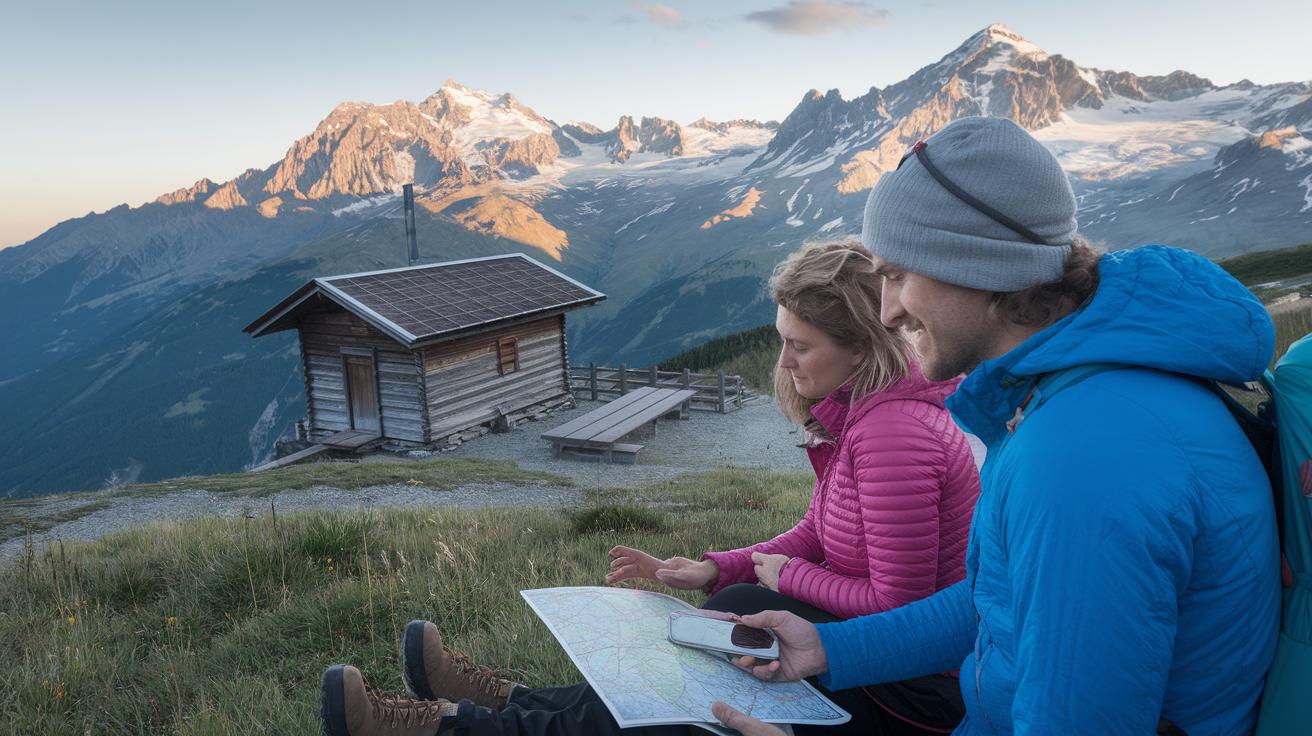
Plan your alpine hut stay well in advance, ideally 3 to 6 months ahead, to dodge any last-minute hassles. For Swiss huts, a quick phone call or email works best. Italian and French refuges often book through special online sites. Many hikers now use apps with GPS maps and alerts that show up-to-date hut availability and route ideas. Think of it as having a seasoned guide right in your pocket.
During peak times, huts can fill up fast. For example, Cabane de Moiry is popular, so it’s wise to book early. Also, check ahead for any construction work at places like La Cabane des Dix that might affect your trip. You can also tap into expert advice or even join a training program to fine-tune your route and pick the best summit escape tips.
Prices and cancellation rules vary. Many Swiss summit shelters ask for a deposit of about 20%, and refund policies differ from hut to hut. Read cabin reviews to help you pick the best value and service. With careful research and these handy digital tools, you can secure a memorable alpine hut stay that fits your adventure plans.
Top Alpine Mountain Huts on Iconic European Routes
These huts are far more than just a place to crash. Each one carries its own local tale and recent update that gives it character. At the Albert 1er Hut in France, you can see alpine history through old photos and artifacts. Meanwhile, the Hornli Hut in Switzerland has improved its guest services, perfect for a Matterhorn basecamp adventure. Over in Italy, Rifugio Lagazuoi now pairs breathtaking sunset views with a new sauna for a relaxing finish to your day.
In Switzerland, Britannia Hut lets you dive into mountain traditions while showing off amazing views of the Allalin glacier. Rifugio Averau in Italy now serves four-course dinners that mix local flavors with a modern touch. Cabane des Dix remains a favorite for its sweeping panoramic views and nod to historic mountain exploration. Lastly, Refuge Lac Blanc in France deepens your Mont Blanc experience with local village stories.
| Hut Name | Country | Elevation | Highlight |
|---|---|---|---|
| Albert 1er Hut | France | 2,702 m | Close to a glacier with a rich alpine history display |
| Hornli Hut | Switzerland | 3,260 m | A Matterhorn basecamp with enhanced guest services |
| Rifugio Lagazuoi | Italy | 2,752 m | Stunning sunset vistas and a refreshed sauna experience |
| Britannia Hut | Switzerland | 3,030 m | Views of the Allalin glacier and cultural insights |
| Rifugio Averau | Italy | 2,413 m | Four-course dinners blending tradition with modern flair |
| Cabane des Dix | Switzerland | 2,928 m | Panoramic views with a historic mountain charm |
| Refuge Lac Blanc | France | 2,352 m | A Mont Blanc outlook enriched with local village stories |
Historical & Architectural Insights of Alpine Mountain Huts
Alpine mountain huts tell a long story. They mix old building skills with modern, earth-friendly updates. One great example is Hotel Schwarenbach in Switzerland. It started back in 1742 on Gemmi Pass as a customs station. Later, it became a well-known stop for hikers. This shows how these huts have served mountain travelers for many years.
Old huts were built with stone and timber. These materials helped keep the huts warm and steady during heavy snow. Builders used roofs with a gentle slope and deep eaves to guard against harsh weather. Today, huts like Chamanna Cluozza have eco-friendly updates that respect their history while offering modern comforts. Rifugio Lavarella even features a small brewery, which adds a playful twist to its traditional character.
These time-tested designs still influence mountain architecture today. They mix a sense of warmth and history with the rugged beauty of the alpine landscape.
Modern shelters such as Cabane de Moiry show off this heritage style. They feature large glass walls that invite plenty of natural light and frame breathtaking views of the peaks. This blend of old charm and modern design encourages visitors to enjoy both the rich past and the innovative spirit of alpine hut life.
Seasonal Experiences & Local Culture at Alpine Mountain Huts
Alpine mountain huts change with the seasons. In summer, they glow like bright chalets in the heart of the mountains. You can join a guided glacier walk and breathe in the clear, cool air. After a long day of hiking, picture gathering around a warm fire to share local traditions in Italian, French, or Swiss style. The day fills with lively chatter and rustic festival nights that bring local folklore to life.
In winter, these huts become quiet, peaceful retreats. For example, Refuge Diavolezza, reachable by gondola all year, turns into a hub for ski training and snowy hikes. Special winter rates and multi-hut itineraries help you explore more of the high country without stretching your budget.
Food also brings a special warmth to each stay. At Prarayer Hut, you can enjoy Aosta Valley dishes that warm you after a brisk walk. Meanwhile, Rifugio Averau offers a memorable gourmet dinner, often served with a slice of prosecco cake on arrival. And Lavarella delights with a cool, unfiltered lager to toast a day spent under the crisp alpine sky.
These seasonal changes and local culinary treats make alpine mountain huts a true haven for those who love a mix of adventure and heartwarming tradition.
Safety, Gear & Hut-to-Hut Navigation for Alpine Stays

Before you head into the mountains, pack a kit that keeps you safe and warm. Bring layers that let you adjust to changing temperatures, sturdy boots for rocky paths, a headlamp for when it gets dark, and an emergency bivouac bag for unexpected stops. Think of it as a mini survival pack, one that saves you when the night gets cold.
Always check the weather before you set out. Look up local forecasts and pack windproof and insulated layers because the weather can change fast. In winter, carry an avalanche kit so you’re ready for sudden snow. A little extra prep now can make all the difference on a tricky night.
Navigation matters a lot, too. Use a GPS app or keep an eye out for cabin markers along the trail. Some huts send alerts through a planning app, which can guide you safely from one stop to the next. It helps to have emergency phone numbers for the huts. And don’t forget to pack a small first-aid kit and any medicine you might need for high altitudes.
| Essential Item | Why It’s Needed |
|---|---|
| Layered Clothing | Adapts to changing temperatures |
| Sturdy Boots | Handles rugged terrain |
| Headlamp | Lights your way during dark hours |
| Emergency Bivouac Bag | For unplanned stops and extra warmth |
Take a few minutes to go over these tips before you leave. Being prepared helps you move from hut to hut with confidence while enjoying the true alpine spirit.
Final Words
In the action, we explored key stops, booking tips, and rich stories behind alpine mountain huts. We covered essential gear, route planning, and must-see spots where history meets local charm.
Each section brought practical advice to help you plan a memorable hut-to-hut trip. With clear guidance on safety and smart booking, you can focus on enjoying nature and local hospitality.
Step out confidently into the mountains and experience the warmth and wonder of alpine mountain huts.
FAQ
Are there alpine mountain huts near California and Texas?
Alpine mountain huts are common in the European Alps. In the US, California’s high country offers mountain shelters, while traditional alpine huts are not typically found in Texas.
What defines an alpine mountain hut and what is it called?
An alpine mountain hut is a shelter built for mountain trekkers, often called a refuge or lodge. It provides a safe, insulated stopover on high trails.
How are mountain huts built?
Mountain huts are built using stone and timber shells that insulate and protect against heavy snow. They feature low-pitch roofs and deep eaves to handle harsh weather.
What is a mountain hut drawing?
A mountain hut drawing is an illustration or design plan that shows the hut’s layout and structure, helping visualize its architectural features and placement in the mountains.
How much does it cost to stay in an alpine hut?
Staying in an alpine hut typically ranges from 50–150 CHF per night in Swiss huts. Prices vary by location, facilities, and the season.
Do alpine huts have electricity?
Alpine huts often have limited electricity, mainly for lighting and essential functions. Details vary, so check each hut’s amenities when booking.
What are some notable alpine huts in the Alps?
Notable alpine huts include the Margherita Hut, Monte Rosa Hut, Mönchsjochhütte, Rifugio Gnifetti, Rifugio città di Mantova, and Erzherzog Johann Hütte. These offer unique settings and experiences high in the Alps.