


Have you ever thought that a simple walk could reveal centuries of history? The Camino Trail in Spain mixes old stone paths with wide, open lands. Some routes span over 800 km (about 500 miles), letting you experience ancient landmarks and quiet villages up close. Each step challenges your strength while sharing stories from the past. Keep reading to see how this timeless trail makes history come alive with every stride.
Camino Trail Spain: Scenic Steps and Historic Landmarks
The Camino Frances is the classic path. It covers roughly 800 km (500 miles) from St. Jean de Pied de Port to Santiago de Compostela. Most pilgrims finish in 4–6 weeks by walking about 15–25 km (9–15 miles) a day. This trail mixes wild landscapes with historic sites, offering both a challenge and a delightful experience.
The Camino Finisterre also stretches around 800 km from the French border to the Atlantic coast. It lets you enjoy coastal views after the traditional pilgrimage, adding another scenic chapter to your journey. Meanwhile, the Camino Norte follows Spain’s northern coast over about 830 km, treating you to dramatic ocean views and a blend of different cultures.
If you prefer a shorter adventure, try the Camino Primitivo. This route is about 320 km long, with steep climbs and sunny valleys. The Camino Portugués offers a moderate challenge at roughly 610 km, winding through gentle hills and quiet villages that have preserved centuries of tradition.
All these trails are part of the UNESCO-recognized Camino de Santiago, one of only two official pilgrimage routes in the world. In 2024, hikers from over 200 nationalities completed these journeys, each choosing the trail that matched their available time, fitness level, and love for history.
Every kilometer on these routes brings a mix of physical effort and the chance to step back in time. The Camino Trail Spain is not just a walk; it is a journey into history.
Historical and Cultural Significance of the Camino Trail Spain
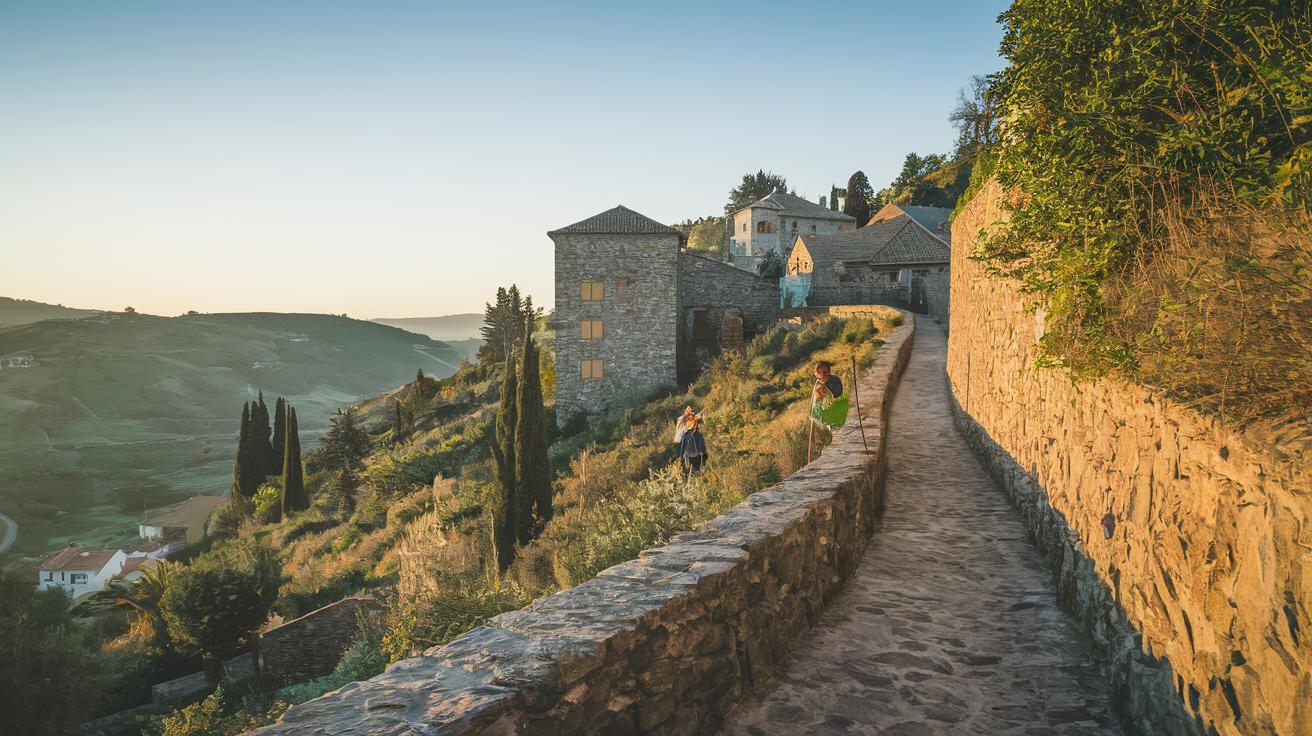
The Camino de Santiago is a very old Christian walking route that leads to the remains of Saint James in Santiago de Compostela. It started in the 9th century and soon became one of Europe’s most popular pilgrimage routes. People from all over the continent set out on this trail, seeking comfort for their souls and a chance to share ideas, art, and customs. Over the years, the Camino helped local villagers and travelers from distant lands build strong cultural bonds.
UNESCO has named the Camino as Cultural Heritage for a good reason. It spread art, building styles, and religious practices throughout Iberia. Simple symbols like the scallop shell and yellow arrow were once used to guide pilgrims. Today, modern hikers still turn to these signs as a link to a rich past. Every stone path and old chapel along the way stands as a reminder of faith, strength, and the blend of many cultures. As you walk this trail, you feel the mix of history and local spirit in every step.
Planning Your Camino Trail Spain Itinerary: Timing, Budget, and Logistics
Pick your best season for walking the Camino by choosing spring (April–June) or early fall (September–October). The weather is usually kind and the crowds fewer. In May, nearly all spots are booked within just 10 days, so book your first night as soon as you can.
Decide on your start date early. This gives you time to reserve key hostels or guesthouses along the way. Most pilgrims cover about 20–25 km each day, with a rest day in a larger town to recharge.
Here’s a quick checklist to help plan your trip:
- Confirm your international travel details. For example, if you land at Charles de Gaulle, you might have a train ride of over 9 hours to reach St. Jean de Pied de Port. An overnight stop may be needed.
- Set a clear budget. Daily costs for albergues (budget hostels) can be low, but there are fancier options in places like Santiago de Compostela.
- Choose your planning tool. Whether you prefer a guidebook or a mobile app with maps and stop details, pick what works best for you.
- Check transport options to and from trailheads. Look at local schedules so your arrival fits your hiking plan.
Keep your pre-trip planning simple. Finalize your start date and first lodging, and stay flexible for any unexpected changes on the trail. With a little thought about timing, budget, and local transport, your Camino journey will be smooth and stress-free, leaving plenty of room to enjoy every scenic step and historic landmark along the way.
Accommodations and Amenities Along the Camino Trail Spain
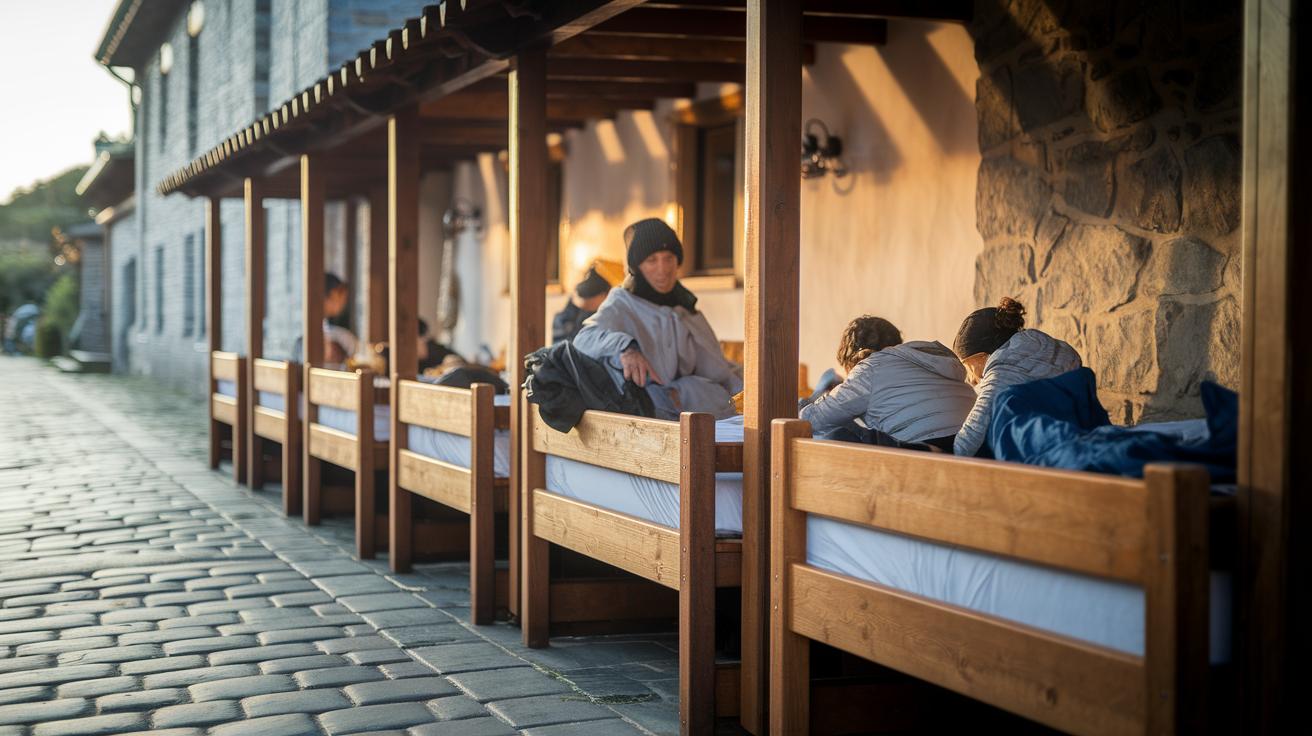
If you are walking the Camino Trail in Spain, you'll find plenty of sleep options that work with different budgets and tastes. Albergues, which are simple pilgrim hostels, are spaced about every 5 to 15 km along the Camino Frances. They offer basic beds in dorms, showers, and even laundry services, usually for around €5 to €15 per night. Many albergues also rent blankets for chilly nights and serve communal meals so you can stay warm and get a good meal after a long day.
If you need a little more privacy, you can book private guesthouses or pensiones online. These offer a quiet spot to relax after hiking, though they fill up fast during busy times. For a more luxurious stay, consider a Parador Hotel in Santiago de Compostela. This historic hotel features private rooms in an elegant setting, giving you a touch of comfort on your journey. It’s best to book ahead to get your ideal room.
Choosing the right place to sleep based on your budget and needs will make your Camino experience smoother and more memorable. Plan early, especially during high-demand times, so you can secure the perfect spot to rest.
Essential Gear and Packing Tips for the Camino Trail Spain
Pick a small backpack (under 45 L, like the Osprey Tempest 20 L or 30 L) to keep your pack light and your overall weight close to 3.6 kg (8 lbs). Bring only what you really need for the long trek.
Start with a basic clothing kit:
- A running-style tank top.
- Three pairs of socks (two pairs of SmartWool and one pair designed to prevent blisters).
- A lightweight rain jacket for sudden showers.
Wear sturdy trail running shoes or trainers that you’ve tested on long walks. This way, you know they can handle the constant use on the Camino.
For sleeping, summer travelers can pack a light sleeping bag liner. In cooler spring or fall weather, consider renting a lightweight down quilt from albergues (mountain lodges) to keep warm without extra bulk.
Every item should earn its spot in your pack. Before you leave, check each item for safety and comfort so you can enjoy a smooth journey.
Navigation Tools, Maps, and Digital Resources for the Camino Trail Spain

Many pilgrims now rely on offline smartphone apps that show your GPS position, elevation, albergue (hiking hut) listings, nearby shops, and reviews from other travelers. These digital maps let you adjust your mileage on the fly so you stay on track and safe.
Traditional guidebooks are still very useful. They share the history of the Camino and let you mark spots that are a must-see. Many hikers enjoy the feel of a paper map, especially when comparing it with the live updates of a digital device.
Before heading out, load your favorite hiking app from the link provided. This app works without internet, shows user reviews, and helps plan your daily route. If you want clear GPS markers along the way, try the linked GPS hiking app that tracks both your elevation gain and offers detailed albergue info.
Using both a good guidebook and modern digital tools gives you the best of both worlds when exploring the beautiful, historic trails of Spain.
Health, Safety, and Training Advice for Camino Trail Spain Walkers
When planning your Camino walk in Spain, keep in mind most pilgrims cover around 25 km (15.5 miles) a day. Try taking long walks on back-to-back days a couple of weeks before your trip. This helps build your endurance and lets you understand your pace and limits.
In northern Spain, you'll find warm days and sometimes strong summer heat. But in Galicia, the nights can drop to very cold temperatures. Many albergues (a simple pilgrim shelter) even rent out blankets to help you stay warm. Check the weather forecast and pack the right clothes.
Always bring a basic first-aid kit that includes things like blister treatment, bandages, and anti-inflammatory medicine. Take a moment each day to check your supplies. It’s also smart to have a small flashlight and whistle on hand. For ideas, you can visit our hiking safety tools guide and review our hiking safety tips.
Lastly, set up an emergency plan. Tell local authorities or a trusted friend about your daily check-in times. This extra step gives you peace of mind while you’re on the trail.
Local Cuisine, Cultural Stops, and Village Highlights on the Camino Trail Spain
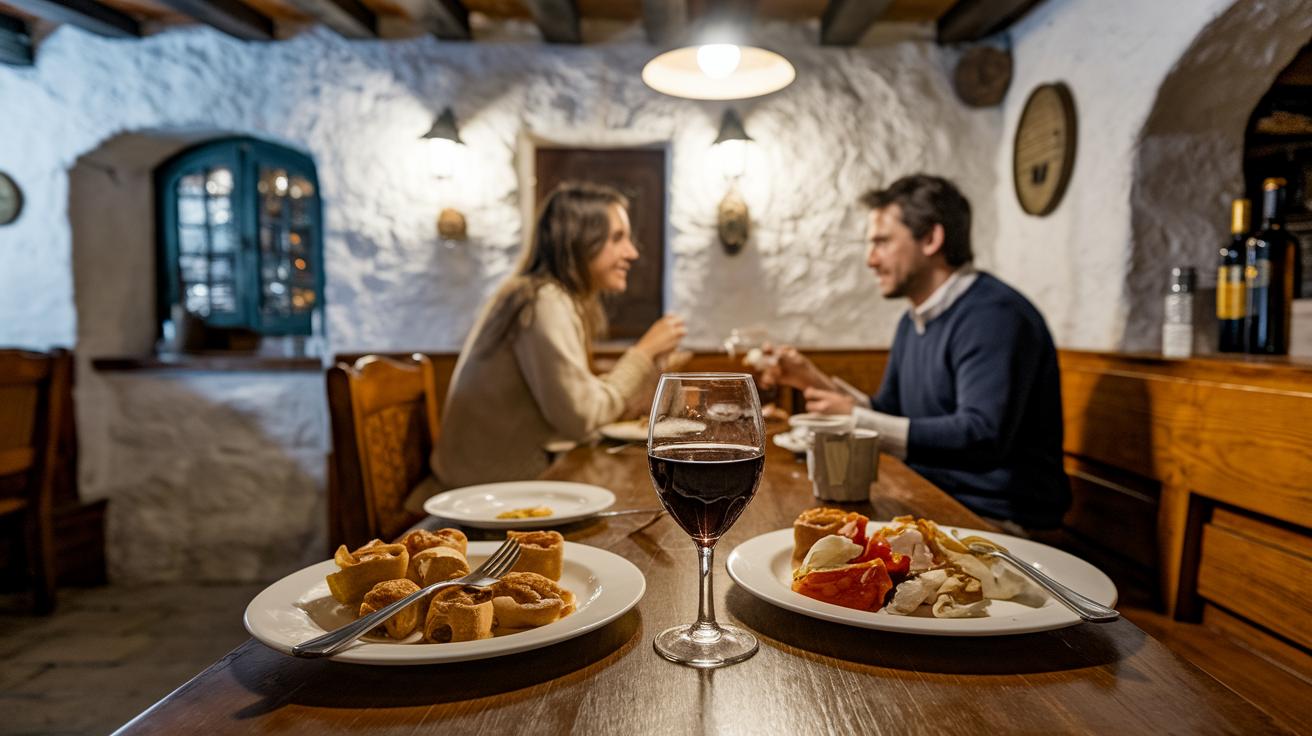
The Camino is a place where food and history come together. You’ll find meals that feel like a friendly chat among neighbors. Try Galician pulpo a la gallega, a plate of soft octopus with paprika and olive oil that captures local flavor. In a cozy village eatery, enjoy small Castilian tapas and sip a glass of Rioja wine during a relaxing break. Local markets are busy spots where fresh produce meets community spirit and old traditions are shared over food and conversation.
Cultural stops add a special layer to your trek. In Burgos, you can visit medieval churches filled with centuries of history. In Puente la Reina, walking across a Roman bridge lets the past come alive through ancient stones. And in León, a Gothic cathedral draws you in with its detailed carvings and soaring arches.
Village markets are also great for a short walking break. They offer seasonal fruits and handmade items that let you feel the heartbeat of local life. Plan your stops on market days to soak in the culture and food that make the Camino Trail Spain an unforgettable journey.
Alternative Camino Trail Spain Paths and Shorter Segment Options
If you need to fit the Camino into a busy schedule or want a shorter challenge, you have some options. One popular choice is to walk the last 100 km from Sarria on the Camino Frances. This shorter trek still gives you the real Camino experience and qualifies you for the Compostela certificate. It’s a great choice if you’re short on time but still want to join this historic route.
If you’re ready for a longer journey, consider adding the Camino Finisterre. This extra 90 km beyond Santiago lets you enjoy lovely coastal views and a fresh cultural twist away from the main route.
For those who crave a tougher climb and more solitude, the Northern and Primitivo routes are worth looking into. These paths feature steeper climbs and fewer crowds, offering a quieter, more personal immersion in nature.
- 100 km from Sarria qualifies you for the Compostela certificate
- The Camino Finisterre adds an extra 90 km of adventure
- The Northern and Primitivo routes offer tougher climbs and a more secluded experience
Final Words
In the action, this post gave you a clear look at key routes, lodging, and gear tips for the camino trail spain. It covered distances, daily paces, cultural stops, and route planning basics that help you plan a stress-free hut-to-hut trip. You got insights on local cuisine, safety guidance, and flexible options for shorter segments. Use these tips to match your comfort and time, making each step both safe and memorable. Enjoy each mile and the warm hospitality along the way.
FAQ
What is the Camino de Santiago?
The Camino de Santiago is a historic pilgrimage route leading to Santiago de Compostela, where many believe Saint James’ remains lie. It blends culture, history, and community for its walkers.
How far is the Camino de Santiago distance?
The Camino de Santiago varies by route. For instance, the popular Camino Frances covers about 800 km (500 miles) typically over 4–6 weeks, depending on one’s pace.
Where can I find a Camino Trail Spain map with distances?
The Camino map with distances is available on official websites and in trusted guidebooks. It shows detailed mileage and route breaks to help plan your trek.
Where do you sleep on the Camino Trail?
On the Camino Trail, pilgrims sleep in albergues (pilgrim hostels), private guesthouses, and hotels. Albergues are common and offer affordable, simple accommodations along the way.
Which Camino route suits beginners?
The Camino Frances suits beginners best due to its clear signage, plentiful services, and many affordable albergues. It also offers a forgiving pace and plenty of support along the path.
Is 70 too old to walk the Camino?
Walking the Camino at 70 is possible and many older pilgrims enjoy it. Good preparation, proper footwear, and scheduled rest days help make the experience safe and enjoyable.
What defines the Camino route in Spain?
The Camino route in Spain consists of various historic paths all leading to Santiago de Compostela. Each route offers unique distances, terrains, and cultural highlights for every type of walker.
What is the French Way on the Camino?
The French Way, or Camino Frances, is the most popular route. It starts in St. Jean de Pied de Port and features breathtaking landscapes, historic towns, and a well-marked trail throughout.
What is the Portuguese Way on the Camino?
The Portuguese Way starts in Portugal and winds into Spain along coastal and inland paths. It offers scenic views, regional flavors, and a slightly different cultural experience compared to other routes.
What is the Camino de la Costa?
The Camino de la Costa runs along Spain’s northern coast, offering walkers ocean views and quaint coastal villages. It provides a distinct blend of natural beauty and cultural encounters.
What is the significance of the Cathedral of Santiago de Compostela?
The Cathedral of Santiago de Compostela is the pilgrimage destination, believed to hold Saint James’ remains. Its historic architecture and religious importance make it the ultimate goal for Camino walkers.
What is Santiago de Compostela?
Santiago de Compostela is the final destination for many Camino routes. The city is known for its magnificent cathedral, medieval streets, and vibrant atmosphere that welcomes pilgrims from around the world.
What is the Ruta Jacobea Primitiva?
The Ruta Jacobea Primitiva is one of the oldest Camino routes. It offers a more challenging trek with steep climbs and authentic medieval charm, ideal for those seeking a quieter, traditional path.