


Have you ever wondered if your outdoor adventures might leave a mark on the trails you love? Caring for nature means treating it like a trusted friend who deserves kindness in return.
We keep it simple. Use the marked fire rings and pack out all your trash. These small steps help keep our mountains and forests wild and beautiful.
This guide shows you how little actions can protect the land and its creatures while you enjoy a peaceful hike. Every step counts when we work together to care for nature.
Core Principles of Environmentally Responsible Hiking

When you head out, treat nature like a good friend. Stick to simple rules that help keep the mountains and forests safe and beautiful. First, never build a wild fire. Instead, use the fire rings set out for that purpose. This small step cuts down the risk of wildfires and protects the woods while you take in the scenery.
Plan your route ahead of time. Look for trails that aren’t heavily used so you avoid stepping on fragile ground. Watch your footing to help prevent erosion and keep native plants undisturbed.
When near water, use a reef-safe sunscreen (one that skips the harsh chemicals) to protect aquatic life. And remember Leave No Trace: leave everything as you found it and pack out all your trash. This way, everyone can enjoy nature without leaving a mark.
Choose gear that is kind to our planet. A reusable water bottle with a filter, a solar charger, or a sustainably made backpack can lower your carbon footprint while still giving you the comforts you need.
Time your hike to be mindful of wildlife. Try to plan your walk when animals aren’t busy with their routines. Also, pick gentle insect repellents that work well without hurting nature.
Follow these steps one by one. They form the backbone of eco-friendly hiking and help protect nature for all future explorers.
leave-no-trace guidelines for eco-friendly hiking
Responsible Hiking Planning and Route Selection for Low-Impact Nature Adventure

When you plan a hike, think of it as a way to protect nature. Pick trails that see fewer footsteps. For example, if one trail has smooth dirt and clear markers while another is steep and rocky, choose the one that causes less harm.
Time your hike to avoid busy wildlife moments. Avoid times when animals are breeding or migrating so you don’t disturb them. Also, think about the ground you’re walking on. Rock, sand, and soil wear down differently, so choose trails that last longer.
Keep your group small. Groups of four to six are easier on the trail. Stick to marked paths and use switchbacks to keep the trail narrow and quiet for nature.
| Factor | Impact | Best Practice |
|---|---|---|
| Trail Popularity | Overcrowding, soil wear | Choose less-traveled routes |
| Seasonal Timing | Disturbs wildlife and plants | Hike outside breeding and migration times |
| Group Size | Trail widening, noise | Keep groups to 4–6 people |
| Trail Steepness | Water runoff, erosion | Stick to switchbacks and durable surfaces |
Using these simple tips makes your hike a low-impact adventure that helps keep our trails healthy for everyone.
Environmentally Responsible Hiking Gear: Eco-Friendly Equipment Essentials
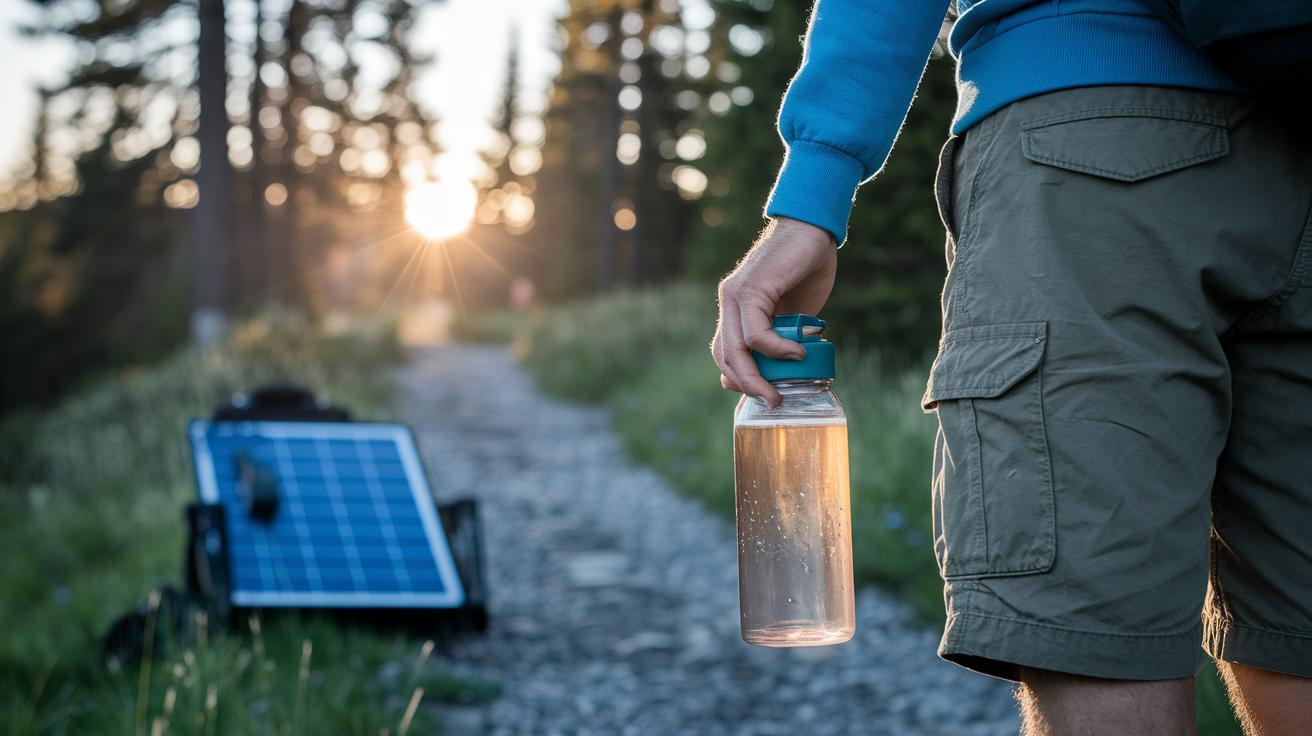
When you set out on a mountain adventure, choose gear that cares for the planet as much as you do. The right equipment cuts down on waste and lowers your carbon footprint with every step. We suggest picking items that are built to last while reducing your impact on nature. For example, a strong water bottle with a built-in filter lets you drink clean water without creating extra waste along your route.
Here are eight planet-friendly essentials:
- Reusable water bottles (with built-in filters) for clean hydration.
- Compact solar chargers and backup power packs that work even on cloudy days.
- Clothing made from recycled nylon or organic cotton to cut down on synthetic waste.
- Backpacks designed with a low carbon footprint for long-lasting use.
- Stainless-steel cooking kits that can handle repeated use without rusting.
- Biodegradable hygiene items that break down naturally after you’re done.
- Multi-use organic cotton bandanas for extra comfort and protection.
- Reusable food wraps and containers that help you ditch single-use packaging.
For more ideas on sustainable gear, check out our guide on eco hiking best practices for mountain trails: hike2hut.com?p=163. Each piece helps you leave nature just a bit cleaner while you enjoy the trail.
Sustainable Camping Methodologies in Environmentally Responsible Hiking

Camping without leaving a mark helps us enjoy nature and keep it safe. When we camp the right way, we protect the land and its plants and animals. Following a few simple rules makes sure we leave nature as beautiful as we found it.
Here are six simple steps to camp responsibly:
- Stick to well-used campsites.
- Use stoves that burn fuel efficiently instead of open fires.
- Pack out all trash and even your waste in sealed bags.
- Wash your gear with eco-friendly soap away from water sources.
- Light your camp with solar lanterns or headlamps.
- Secure your food and handle scraps using compost bags.
Staying on established sites avoids harming the fragile soil and plants. Fuel-efficient stoves cut down on pollution and lower the risk of accidental fires. Packing out all waste stops plastics or trash from hurting wildlife or clogging streams.
Washing dishes with biodegradable soap away from water keeps our streams clear of chemicals. Solar lanterns save battery power and keep the night quiet for nearby critters. And by keeping food scraps in a compost bag, you avoid drawing in wild animals and reduce smells that attract pests.
These steps help us keep the trails clean and preserve the beauty and resources of the mountains for everyone.
Leave No Trace Journeys and Wildlife Respect in Environmentally Responsible Hiking

If you're looking to go beyond the basics, here are some fresh ideas that add to standard Leave No Trace rules. Think of taking extra care as a living part of your journey. For example, if you see a group of deer resting at dawn, slow down and give them plenty of room.
Review the seven main ideas again and try these extra tips:
- Check local wildlife schedules before you head out.
- Stick to trails and camp only on firm ground. If you step off the path for a special view, move carefully.
- Carry all your waste out. Bring extra bags in case you find extra trash.
- Leave nature as you found it. Even a small rock or leaf is part of the picture.
- Keep campfires small by using fire rings or a stove.
- Watch wild animals from at least 200 feet away and never feed them.
- Keep noise low so others can enjoy the quiet.
These ideas help keep nature balanced and make sure future hikers enjoy the same peaceful places.
| Advanced Tip | Example |
|---|---|
| Timing | “Avoid early-morning hours when wildlife is most active.” |
| Off-trail Viewing | “If you step off the trail for a better view, be sure to move lightly.” |
Eco-Conscious Trail Etiquette for Environmentally Responsible Hiking Groups
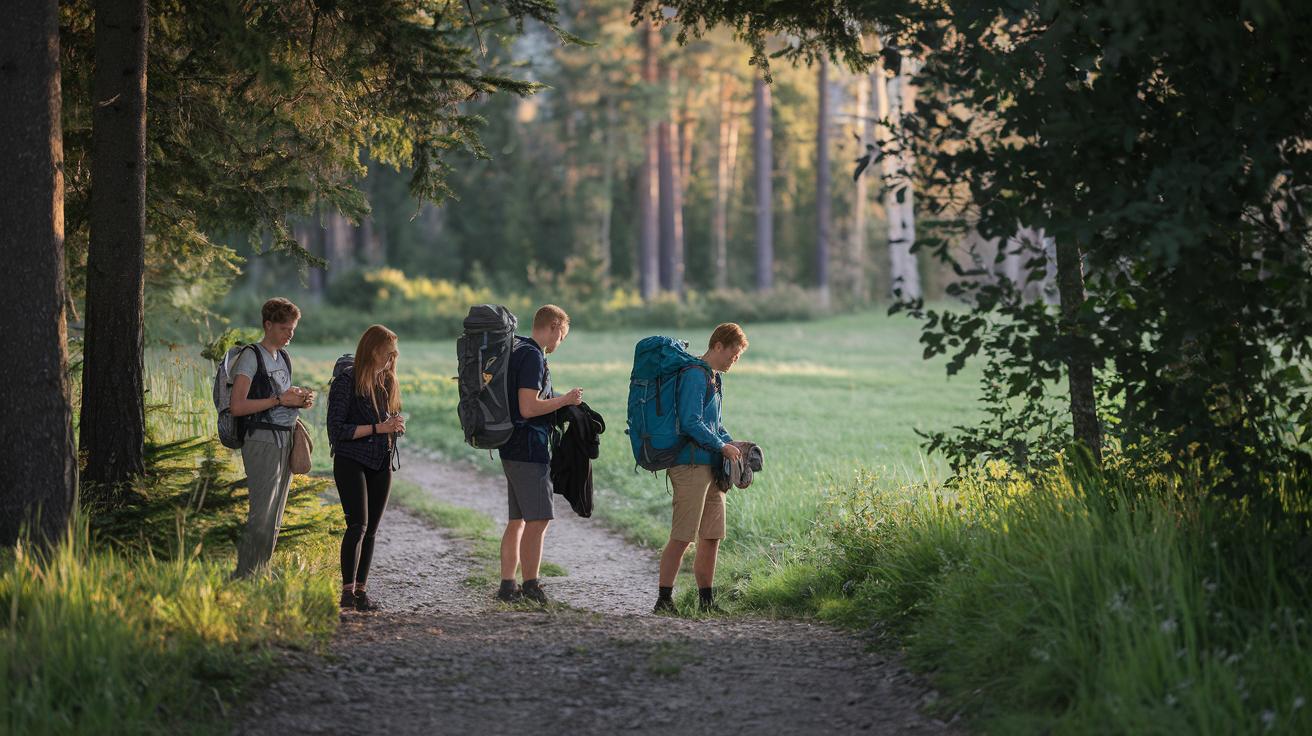
Keep your group small, about 4 to 6 hikers, to ensure everyone sticks together. It also helps to assign simple roles like gear check or first aid. For example, ask one person to double-check that all repair kits and shared gear are safely packed.
Begin your hike with a quick reminder to be extra quiet in sensitive spots. You might say, "Let's keep our voices low when we cross the open meadow," which helps everyone tune in without over-explaining well-known rules.
Take time to pause and enjoy the view. A short break at a scenic overlook lets everyone relax and appreciate local wildlife while supporting a spirit of cooperation among conservation-minded hikers.
Climate-Conscious Journey Planning Tools for Environmentally Responsible Hiking

Planning your hike with nature in mind is easier than ever. Digital tools help you pack right and reduce your impact in the mountains. They let you follow Leave No Trace rules (leave nature as you found it) and make energy-smart choices along the way.
For example, an interactive gear checklist reminds you to bring only what matters. This way, you avoid extra clutter and waste on the trail. There are also video guides on Leave No Trace that walk you through the basics of keeping nature clean while you enjoy your adventure.
Here are four tools to try:
- Interactive gear-and-waste checklists: Track your must-have items and prevent overpacking.
- Video tutorials on Leave No Trace: Watch easy, step-by-step guides from seasoned hikers.
- Mapping apps that estimate trail carbon impact: See how your route choices affect the environment.
- Online calculators for transport emissions: Check the eco-cost of your travel plan.
These tools make planning simple and help you stay true to a low-impact outdoor lifestyle. They connect you with smart, sustainable practices that keep both the trail and local nature in great shape.
Final Words
In the action from map planning to set-up at the campsite, we shared clear steps on route choices, eco-friendly gear, and smart camping setups. Each section stressed the need for practical care of nature through small, thoughtful actions.
Following these tips helps you enjoy your hut-to-hut trek confidently and sustainably. Embrace nature while keeping your adventures safe and low-impact, and remember that every step supports environmentally responsible hiking.
FAQ
What are environmentally responsible hiking trails?
Environmentally responsible hiking trails use practices that minimize harm to nature. They follow marked paths, avoid fragile ecosystems, and adhere to Leave No Trace guidelines to preserve natural conditions.
What is considered environmentally responsible hiking gear?
Environmentally responsible hiking gear is made from sustainable, recycled, or eco-friendly materials. It includes items such as reusable water bottles, solar chargers, and clothing crafted from recycled fabrics that lower your carbon footprint.
Is hiking eco-friendly?
Hiking is eco-friendly when done with care. It offers a low-impact way to enjoy outdoors if you stick to trails, respect wildlife, and follow sustainable practices that protect nature.
What are the environmental impacts of hiking?
The environmental impacts of hiking can include soil erosion and wildlife disturbance. Following sustainable practices like staying on established trails and keeping groups small helps minimize these effects.
What is the golden rule of hiking?
The golden rule of hiking is to leave no trace. This means carrying in what you carry out, respecting habitats, and ensuring that natural areas remain undisturbed for future hikers.
What is the most environmentally friendly method of travel?
The most environmentally friendly method of travel includes low-carbon options like walking, biking, or using public transportation. These choices reduce emissions and support sustainable outdoor exploration.