


Ever wondered how a forest can thrive high above the clouds? Walk into an alpine forest, a green sanctuary where sturdy trees grow near 3,000 m (9,800 ft). Here, nature links lower mixed woods with rugged slopes full of hard conifers. This peaceful place offers shelter for wildlife and even helps local food sources. In this post, we share the secrets of the alpine forest and explain how plants and animals make it their home even in tough conditions. Get ready to experience nature's resilience up close.
alpine forest: Serene Green Oasis

If you wander into the alpine forest between 2,900 and 3,500 meters, you'll step into a peaceful, green world. These woods stretch from India's high mountain zones to the familiar forests of the Alps. They act as a bridge, linking lower valleys filled with mixed trees to higher slopes ruled by hardy conifers.
In the lower areas, trees like chestnut, beech, elm, and oak change with the seasons. For example, the chestnut tree can drop up to 25 kg (55 lbs) of nuts in a year, helping local food supplies and wildlife. As you climb higher, tough trees such as larch, fir, spruce, and pine keep their ground, standing up to powerful winds and freezing temperatures.
This varied forest is a safe haven for mountain animals. Marmots hide under the leafy cover of deciduous trees, while ibex wander across rocky ridges, using the woods as natural pathways. These forests also help hold the mountain slopes in place, store carbon, and manage water flow.
Every tree and plant here shows nature’s strength in tough conditions. Hiking these trails, you'll find sunlit clearings and cool, shady groves where nature quietly thrives.
Alpine Forest Vegetation Zonation by Altitude
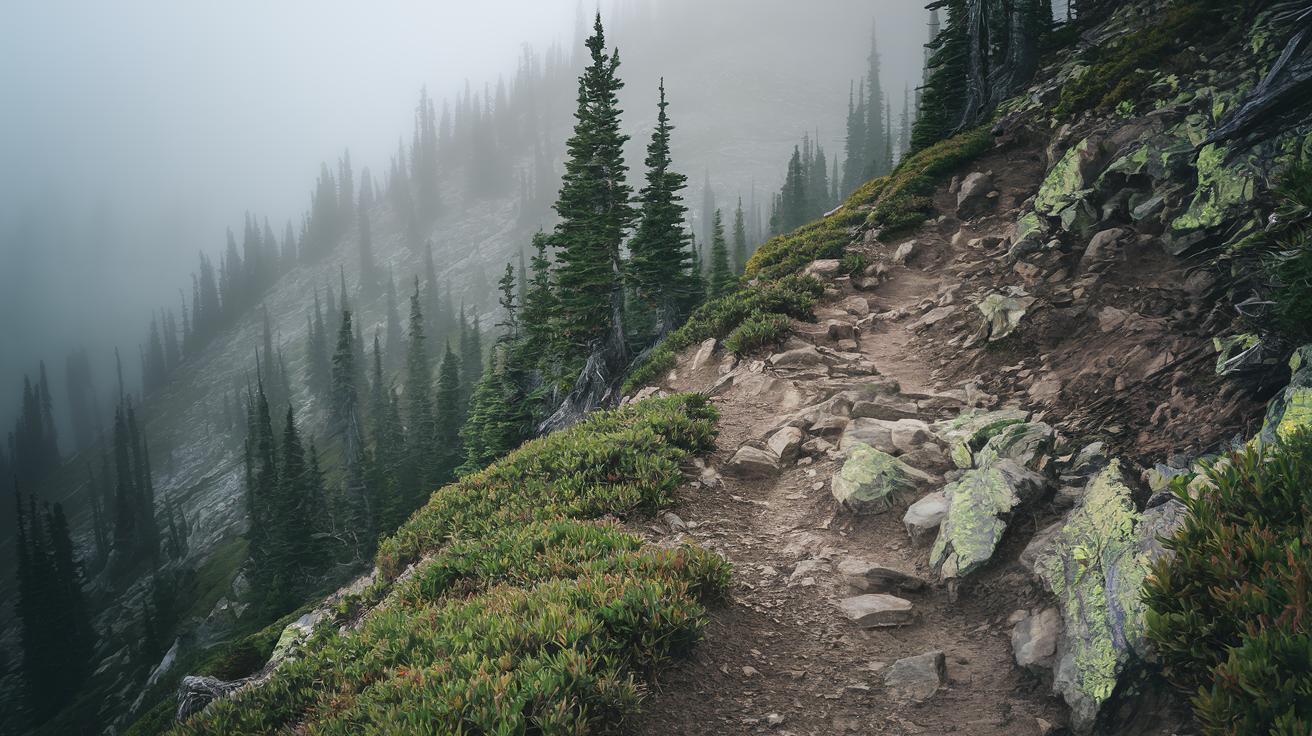
Mountain trails show different natural zones as you climb higher. Up to about 2,900 m, mixed trees, both leafy and needle types, fill the forests. The weather here is steady with moderate temperatures and plenty of rain. Once you move above 2,900 m into the alpine forest, the weather turns harsh. Trees here face freezing temperatures any month, strong winds up to 100 mph (160 km/h), and heavy rainfall between 30 and 50 inches each year. Tough trees like larch, fir, spruce, and pine grow with thick bark and needle-like leaves that protect them from the tough conditions. Past 3,500 m, trees disappear and give way to shrubs and wild meadows.
| Elevation Zone | Altitude Range (m) | Dominant Vegetation | Climate Features |
|---|---|---|---|
| Montane Forest | <2,900 | Mixed deciduous and coniferous trees | Mild temperatures and higher rainfall |
| Alpine Forest | 2,900–3,500 | Larch, fir, spruce, and pine trees | Freezing temperatures, winds up to 100 mph, heavy rain |
This guide mixes clear numbers with a simple story of how plants and weather change in high mountain areas.
Alpine Forest Flora: Species and Adaptations
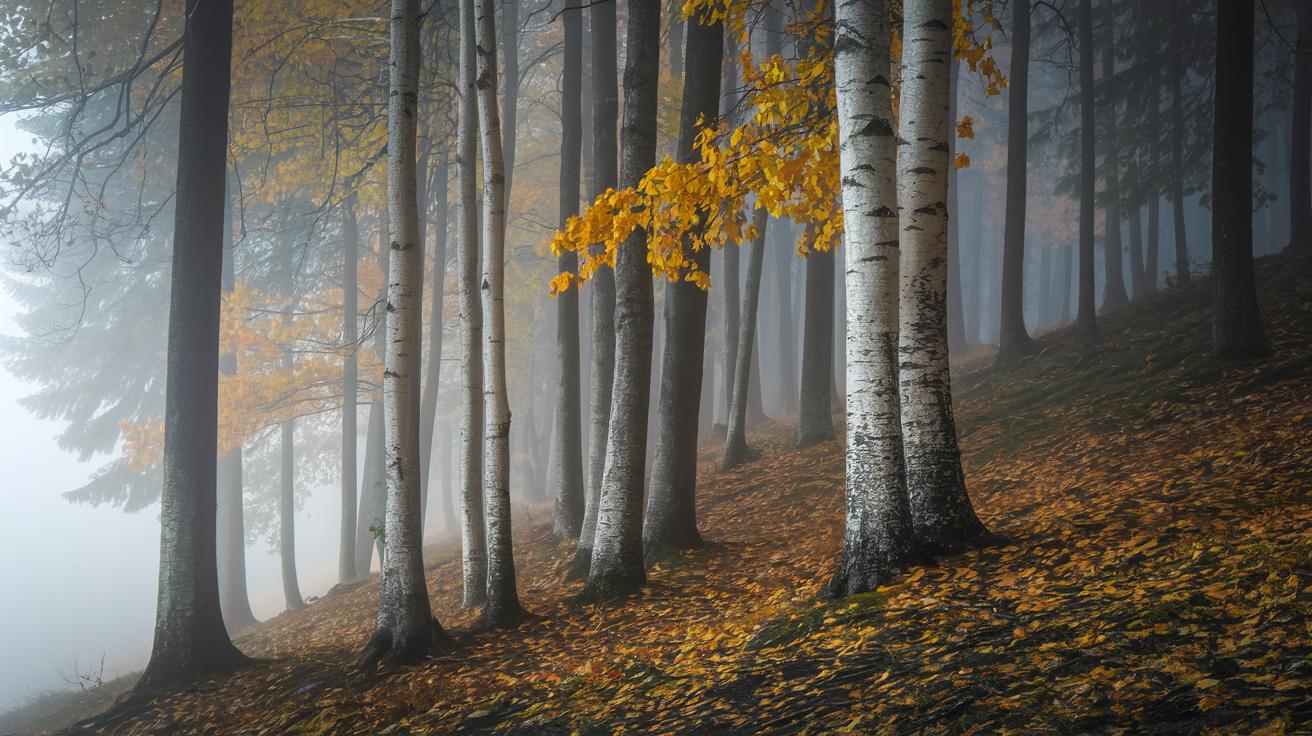
In alpine forests, you'll see a lively mix of trees and shrubs that have learned to beat the cold and wind. In the lower subalpine zone, deciduous trees like chestnut, beech, Norway maple, and birch grow well. For example, chestnut trees can drop up to 25 kg of nuts each year, feeding many animals. Beech trees help truffle growth, while Norway maple and birch add warm hues during the fall. These trees quickly unfurl their broad leaves when the weather turns friendly.
Higher up, conifers have their own clever tricks. Larch trees lose their needles in winter, which helps save moisture. Fir trees show off flat needles and sturdy upright cones to handle strong winds. Spruce trees, with their aromatic needles, can live up to 1,000 years and keep their needles through the cold season, guarding themselves against harsh weather. Pine trees, with rough orange-brown bark and twisted greenish-blue needles, are built to shake off snow and ice while staying strong.
In California’s subalpine lands, native plants like Rock spiraea, Roundleaf snowberry, Antelope bitterbrush, and Sierra columbine prove that nature is full of smart solutions. They grow low and dense to minimize wind exposure and keep warmth close to the ground. Picture each of these plants as a little fortress, ready to take on nature's challenges with their unique, down-to-earth adaptations.
Alpine Forest Fauna: Wildlife Profiles

High in the green mountains, animals help keep the forest healthy. They move nutrients around and shape the natural spaces around them. Many creatures learn to live here despite the cold weather and short summer. Here’s a look at some important species and what they do:
- Alpine marmots: These little animals dig neat burrows in the meadows and sleep through the long winters (hibernate). Their digging mixes the soil, which helps plants get the air and water they need.
- Alpine ibex: These nimble climbers eat tough grasses and shrubs above the tree line. Their feeding keeps some areas open and helps control how much plants grow.
- Songbirds: They eat seeds from conifers and spread them around, which helps new plants grow. Their cheerful songs add life to the quiet forest.
- Insects: These busy creatures break down fallen leaves, turning them into nutrients that feed the soil.
- Small mammals and fungi: Relying on chestnut nuts and conifer seeds, they form a food web that supports many of the forest’s smaller animals.
Every animal here shows how well nature adapts to mountain life. Their teamwork makes a strong food chain that keeps the alpine forest balanced and full of life.
Alpine Forest Climate and Weather Patterns

When you're in an alpine forest, the weather can be brisk and challenging. Temperatures drop to freezing, and wind gusts can hit up to 100 mph (about 160 km/h). You might see 30 to 50 inches (75 to 125 cm) of rain or snow during the season. The growing season is very short, just 2 to 3 months. For more details, take a look at the Alpine Forest Vegetation Zonation by Altitude section.
Conservation and Management of Alpine Forests

Transhumance is a traditional way to move livestock in the mountains with the seasons. Local people team up with planners to set grazing limits and protect the soil. This method keeps the delicate alpine ecosystem safe while honoring old farming traditions. For example, mountain farmers move their animals at just the right time to give the plants a break.
Alpine forests help balance water, store carbon, and keep mountain slopes steady. These forests support local water supplies and guard hills against erosion during heavy rains and storms. Managers watch for fire risks and change their plans as needed. Quick weather changes and lightning fires show that these woodlands need smart, flexible care.
Protected reserves and corridors are also a big part of keeping these areas healthy. These safe zones let plants and animals share their genes and let scientists study species without disturbance. With this network of safe areas, conservation teams can better manage natural resources over time.
Local communities, conservation groups, and park officials work side by side. By mixing old wisdom with new methods, they aim to keep alpine forests thriving for future generations.
Recreational Access and Eco-Tourism in Alpine Forests
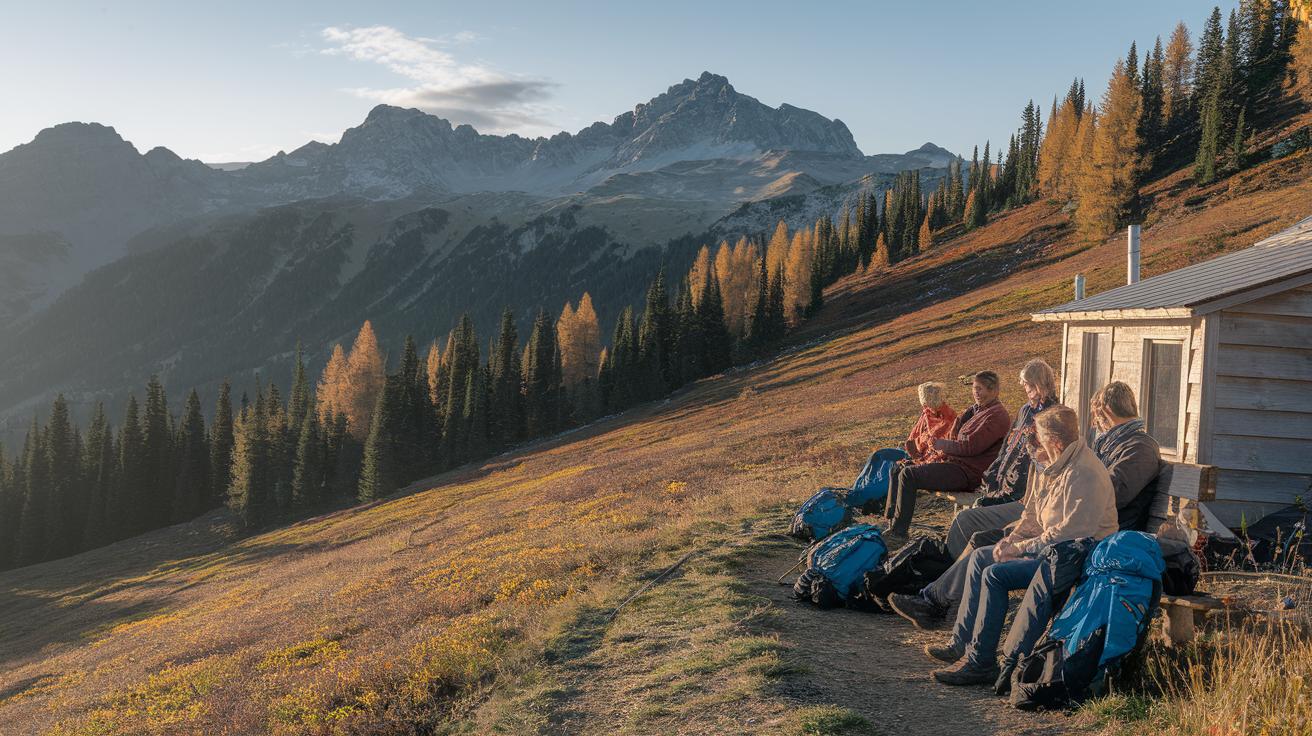
Hikers love these routes that link cozy huts or offer a fun day hike through mixed forests and open meadows. They give you a taste of rugged trails and a warm place to rest. Many choose eco-tourism trips that follow simple, low-impact rules to keep sensitive subalpine areas safe. Check out the tips in the article on eco hiking best practices for mountain trails to see how you can reduce your footprint.
Autumn turns alpine forests into a photographer’s dream. The changing colors and snow-capped conifers create scenes that are straight out of a postcard. Every trail bend brings a new burst of natural beauty. Local festivals, like the Transhumance, celebrate traditional forest and farming practices, giving you a taste of the region’s rich culture.
- Hut-to-hut and day-hike routes offer plenty of options for every kind of explorer.
- Following simple eco guidelines protects the natural surroundings.
- Stunning fall colors and gently snowed trees make perfect backdrops for photos.
- Cultural events add a warm local touch to your mountain adventure.
Hut-to-hut routes are growing in popularity, as seen in recent multi-day hiking trends, making these alpine forests a true green escape.
GIS Mapping and Monitoring of Alpine Forests
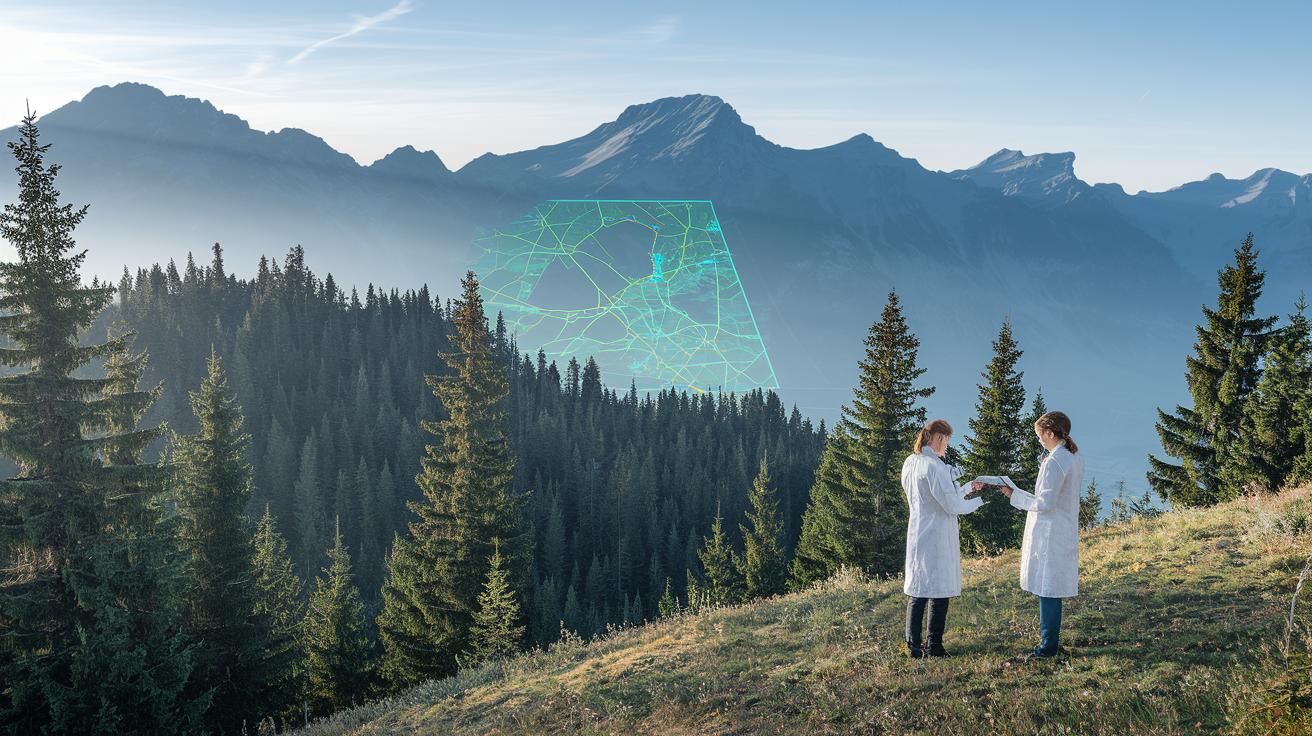
Mapping alpine forests is key to understanding these high mountain areas. We use satellite photos and LiDAR (a laser scanning method) to build clear maps of tree cover and land shape. These maps show where trees stand and where open spaces lie.
GIS models help us predict where plants and animals are likely to live. They also show when natural connections between areas start to break. That means scientists can spot spots where nature thrives and where it may be struggling.
Remote sensing tools help us track plant groups and catch early signs of trouble like fire or wind damage. This approach makes it easier to watch over places that are hard to reach on foot. The real-time data they provide is a big help in planning conservation.
Local managers and researchers use this practical data to make quick, smart choices. With careful mapping and monitoring, we can protect these fragile forests while keeping human impact low for the long run.
Final Words
In the action, this guide paints a vivid picture of alpine forest environments and the wonders of high-elevation nature. It breaks down the vegetation zones, wildlife roles, weather challenges, and careful conservation practices needed for safe travels.
Each section lays a clear path from rugged terrain to low-impact eco-tourism. The details help you plan and enjoy stress-free hut-to-hut hikes. Step into this alpine forest adventure with confidence and a smile, you’re set for a memorable mountain trip.
FAQ
What is an alpine forest?
An alpine forest is a high mountain woodland, usually found between 2,900 and 3,500 m. It primarily features conifer trees specially adapted to cold temperatures, strong winds, and short growing seasons.
Where is the alpine forest in the world?
Alpine forests occur worldwide. They thrive in high mountain regions such as the Alps in Europe, parts of Asia, North America, and India, where high altitudes create cooler climates and unique vegetation.
What is the difference between alpine and boreal forests?
Alpine forests are high mountain woodlands that face extreme weather and short growing seasons, while boreal forests cover lower, northern lands with longer winters and a broader mix of evergreen trees.
What defines an alpine area?
An alpine area is defined by high elevation, typically above 2,900 m, where cold temperatures, strong winds, and brief growing periods create distinct ecosystems including alpine forests and tundra.
What trees are common in alpine forests?
Common trees in alpine forests include conifers like larch, fir, spruce, and pine. Mixed deciduous trees, such as beech and oak, may also appear at lower elevations with milder climates.
Where can I find alpine forests in the USA?
In the USA, alpine forests appear in high-elevation regions such as the Rocky Mountains and Sierra Nevada. These woodlands experience cold conditions and short seasons, mirroring European alpine environments.