


Have you ever thought about a multi-day hike that leaves nature as undisturbed as you found it? We understand that many hikers worry about leaving a heavy footprint. That’s why we've put together a simple checklist to keep your trek both fun and earth-friendly.
We cover everything from finding safe campsites and picking eco-friendly gear to planning easy, plant-based meals. With a little careful planning, looking at water spots and managing waste, you can enjoy an adventure that respects the mountains and nature.
Follow these easy steps, and you’ll be all set for a responsible, unforgettable journey.
Step-by-Step Blueprint for Planning an Eco-Friendly Multi-Day Hiking Trip
Start by sketching out your plan. Look up trail details like routes, permits, terrain, and weather. This helps you be ready and builds trust with your hiking group.
Plan ahead by choosing safe campsites, planning realistic daily distances, and packing eco-friendly gear. Mark water spots on your map, plan plant-based meals, bring waste containers, and pack a safety kit. Each detail is important when you want to keep nature pure.
Here’s a simple checklist to guide you:
- Check the trail route and get any needed permits.
- Create a nature-focused itinerary.
- Choose eco-friendly gear.
- Plan your organic meals.
- Map out water sources and plan for filtration.
- Set up waste management (follow leave no trace guidelines for eco-friendly hiking for proper tips).
- Prepare your safety and ethical steps.
Review your checklist and collect the details for each step. Double-check trail maps, campsite choices, and weather reports. Confirm your permits and test your gear at home. Taking these steps helps ensure your hike is safe, simple, and kind to nature.
Nature-Centric Itinerary Creation and Route Selection for Your Eco-Friendly Multi-Day Hiking Trip
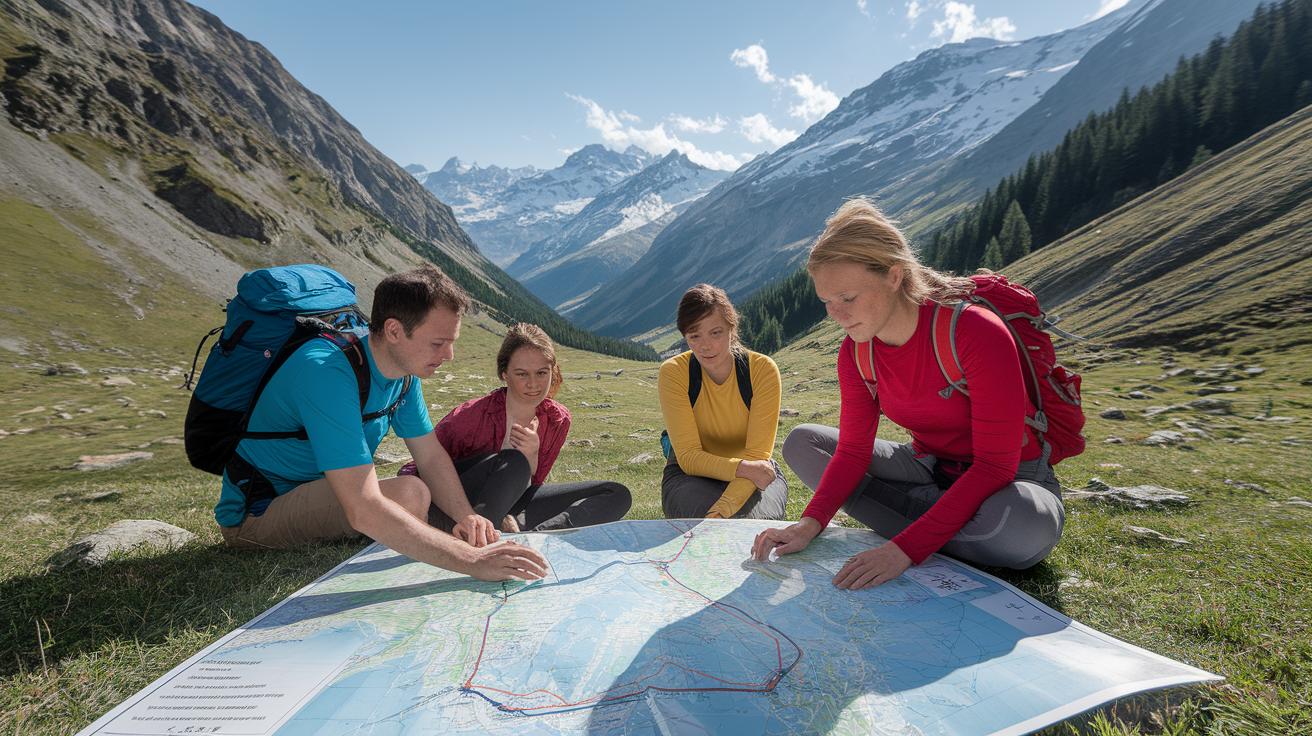
Start by checking out the local terrain. Look up the weather, note how steep the trail gets (elevation gain), and find out about permit rules. See which campsites are available and read the land-use guidelines. Use local maps and resources to plan your trail. Aim for daily segments of about 13–19 km (8–12 miles) and add a rest day here and there so you can enjoy every view. Local guides can also offer tips on seasonal closures and any rules that might affect your hike.
Plan your itinerary in clear sections that mix distance, challenge, and nature care. Break your hike into smaller chunks so you have time to take in the mountain air and follow trail etiquette. Check the permit process and review the trail’s elevation along the way. This simple plan helps keep you safe and shows respect for the land while you enjoy your eco-friendly adventure. Also, verify which campgrounds are open to complete your sustainable trek.
| Trail Name | Distance (mi) | Elevation Gain (ft) | Permit Required |
|---|---|---|---|
| Appalachian Trail section | 10 | 900 | Yes |
| John Muir Trail segment | 12 | 1,200 | Yes |
| Pacific Crest Trail portion | 9 | 800 | No |
Compare these trails by checking their distance, elevation, and permit needs. This helps you pick the best route that matches your fitness and care for the environment.
Renewable Outdoor Expedition Gear Assessment for an Eco-Friendly Multi-Day Hiking Trip
Your gear choices really make a difference. Using items made from recycled fabrics, renewable insulation, and responsibly sourced parts helps reduce your impact on nature. Gear that lasts longer means less waste and fewer replacements. When you choose products built on sustainable practices, you’re supporting both the environment and local manufacturers.
When picking a backpack, go for one crafted from recycled materials. A lightweight bag makes carrying your essentials easier, especially on steep climbs. Dress in layers that suit the climate so you can adjust quickly if the weather changes. Choose clothing that keeps you warm yet lets your skin breathe, and wear durable, repairable boots for solid support on rough trails. These thoughtful decisions help lower your environmental footprint.
Brighten your route with solar-powered headlamps or battery packs that use renewable energy. These accessories cut down on waste from disposable batteries and get you through dark moments safely. Also, opt for recyclable gear like water bottles and multi-tools made from renewable sources. With these eco-friendly options, your multi-day hike stays both sustainable and efficient.
Organic Meal Strategy and Biodegradable Supply Selection for an Eco-Friendly Multi-Day Hiking Trip
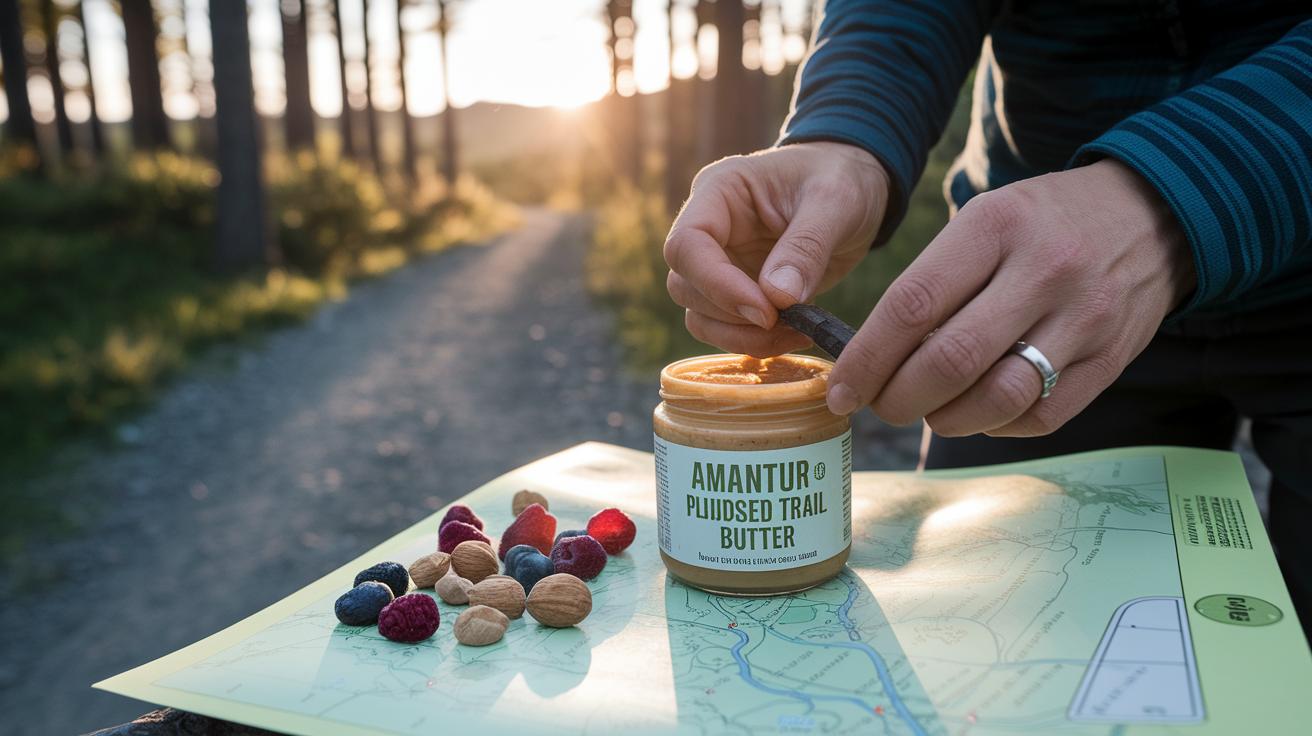
For your long hikes, plant-based foods are a smart and light way to keep moving. Many trail veterans choose these kinds of meals because they pack a nutritional punch while keeping nature clean.
Work out your energy needs, about 2,200 to 3,000 kcal a day, based on the trail and weather. Pack simple, lightweight items like dehydrated fruits, hearty legumes, whole-grain freeze-dried meals, and a jar of nut butter. Think of your food as a mini fuel station that keeps you going without adding extra weight.
Keep it green by choosing biodegradable packaging. Use compostable food wraps and plant-fiber dishware to cut down on plastic. If you have perishables, pack them in natural-preservation pouches that help keep them fresh. This approach takes care of your energy while also caring for the mountain trails.
Sustainable Water Resource Methods and Hydration System Efficiency for an Eco-Friendly Multi-Day Hiking Trip
Plan your water stops ahead of time. Look for clear springs, streams, or lakes along your route and mark them on your map every 11–16 km (7–10 miles). This way you can plan short breaks and avoid carrying too much water, which keeps you safe in remote areas.
Check out your water treatment options before you head out. If the water is only a bit dirty, an ultralight filter like the Sawyer Mini works well. For clear water, a UV-LED purifier quickly destroys germs. Gravity filters offer a simple and reliable setup for longer parts of the trail. Choosing the right treatment method keeps you healthy and helps protect the local environment.
Use sturdy, refillable water containers for your trip. A 2–3L refillable bladder paired with a strong, reusable bottle gives you great flexibility on the trail. Check that your gear is easy to use and made from sustainable materials. Fill up at each marked water source so you carry only what you need for the next part of your journey.
Zero-Disposal Waste Management and Ethical Wilderness Behavior for an Eco-Friendly Multi-Day Hiking Trip

Keep your trash sorted from the start. Use sealable recycling bags and separate your recyclables into different pockets of your pack. Make sure nothing is left behind. For example, swapping a plastic snack bag for a reusable cloth one cuts waste and keeps the trail clean.
Take care of your human waste the right way. Use disposable waste pods or dig a small hole (at least 15–20 cm deep) far from any water. This simple step stops water sources from getting polluted and keeps the soil healthy.
Be mindful at your campsite. Put food scraps aside for compost later and try not to disturb the plants or muddy the trail. Follow leave-no-trace principles by packing out everything you bring in. This helps protect the wild places for everyone who comes after you.
Emergency Contingency Framework and Conservation Ethics Briefing for an Eco-Friendly Multi-Day Hiking Trip
Before you head out, share your hiking plan with a friend or family member you trust. Let them know roughly where you'll be each day. It’s smart to carry a satellite messenger or personal locator beacon (PLB) along with a reflective signal device. Staying connected means help can reach you quickly if you run into trouble.
Always pack a lightweight, eco-friendly first-aid kit for minor scrapes and bumps on the trail. Choose biodegradable bandages, antiseptic wipes, and pain relievers in recyclable packaging. Tailor your kit to meet the specific challenges of backcountry hikes while keeping it compact in your backpack.
Learn the local wildlife guidelines and fire-safety rules before you set off. Keep a respectful distance from animals and avoid disturbing the natural life around you. Check for any fire bans or guidelines to reduce fire risks. This careful approach not only keeps you safe but also protects the wild places we all love.
Low-Carbon Transport Solutions for an Eco-Friendly Multi-Day Hiking Trip

Try reaching your trailhead by train or bus. These public transit options help lower your carbon footprint and are easy on your wallet. You can also share a ride with other hikers or use a local shuttle. Every mile you travel this way helps protect the environment and supports local communities.
Consider offsetting your trip’s emissions by investing in trusted green projects. Renting or borrowing gear closer to the trail is another simple step. It lightens your load and cuts down on extra fuel use. Packing only what you need makes your journey both cost-effective and eco-friendly.
Final Words
In the action, this guide laid out clear steps covering route research, gear choices, organic meals, water sourcing, waste management, emergency prep, and low-carbon transport options.
We broke each step into simple tasks to boost your confidence and keep you safe on the trail. Now you have a straightforward blueprint on how to plan an eco-friendly multi-day hiking trip that respects nature and local communities. Enjoy your time outdoors and the moments along the way!
FAQ
Q: How to plan an eco friendly multi day hiking trip?
A: Planning an eco friendly multi-day hiking trip means researching your route, permits, and weather, then selecting sustainable gear and campsites. Many free, beginner-friendly tips from online communities can guide your process.
Q: What is the 20% rule for backpacking?
A: The 20% rule for backpacking means extra supplies should not exceed 20% of your total pack weight. This method prevents overpacking and keeps your load manageable during the hike.
Q: What is the golden rule of hiking?
A: The golden rule of hiking is to respect nature by leaving no trace. This means carrying out all trash, staying on marked paths, and keeping the trail pristine for everyone.
Q: Is hiking eco friendly?
A: Hiking is eco friendly when practiced with sustainable habits like using renewable gear, planning waste management, and following leave-no-trace guidelines. Such practices help safeguard the natural surroundings.