


Ever thought about how your hike might help nature? We believe that trekking should be fun and kind to the wild. When you follow simple leave-no-trace tips, you help protect the trails, animals, and plants. Small steps like planning smartly and handling your trash properly go a long way. This friendly guide shows you how a few mindful moves can let you enjoy the outdoors while keeping nature just as beautiful as you found it.
Essential Leave No Trace Guidelines for Eco-Friendly Hiking
Leave No Trace began when more people discovered public lands. Back in the mid-1900s, groups like the USFS and the National Park Service noticed more folks camping and hiking. They set up simple rules to help everyone enjoy nature without harming it. A few mindful actions can keep the wilderness beautiful for all.
- Plan Ahead and Prepare
- Travel and Camp on Durable Surfaces
- Dispose of Waste Properly
- Leave What You Find
- Minimize Campfire Impacts
- Respect Wildlife
- Be Considerate of Other Visitors
Each of these tips works together to protect trails, wildlife, and the land. For example, planning ahead means you check the weather, grab any permits you might need, and learn local rules. This keeps you safe and helps preserve the environment. When you stick to established trails and campsites, you protect the soil and water nearby. And by getting rid of waste properly, like digging simple toilet pits away from water and packing out what you use, you keep nature clean.
You can also ease your overall impact by choosing eco-friendly travel options. Many hikers take trains, share rides, or join carbon offset programs when flying is a must. Pair this with smart gear habits, such as packing biodegradable soap and keeping your pack light, and your trip becomes safe and gentle on the land.
By following these steps, you help the mountains and forests stay beautiful for everyone.
Planning Ahead and Preparing for Eco-Friendly Hiking
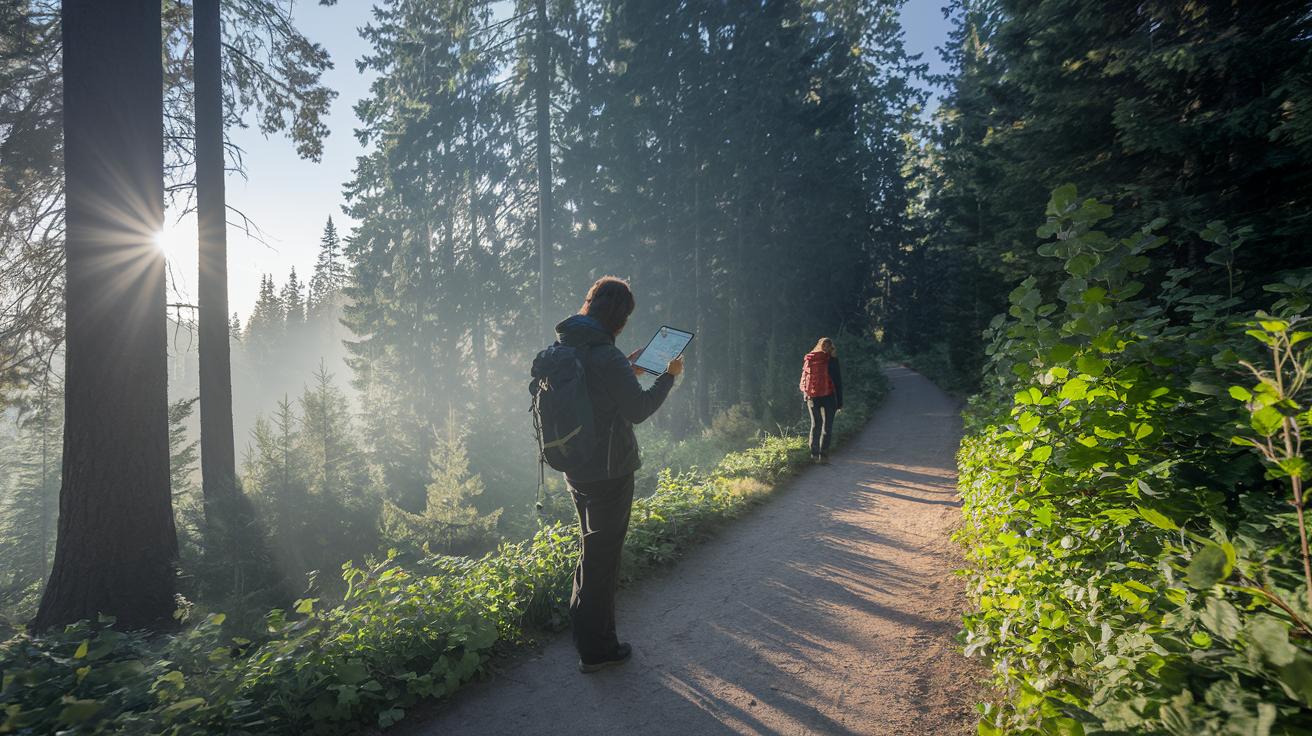
Before you set off, take some time to plan your trip carefully. Check the local weather, get any required permits, and check for trail closures, whether due to fire bans, rockfall areas, or zones protecting rare wildlife. Knowing sunrise and sunset times, as well as the rules about campfires and off-trail access, helps keep both you and nature safe.
A solid plan not only makes your hike safer but also protects special natural spots. Arrange your transport ahead of time and pack eco-friendly gear. Use items like biodegradable soap (at least 60 meters or 200 feet from water) and carry WAG bags to reduce waste and avoid delays.
- Weather forecasts and knowing your route timing
- Getting permits and checking for trail closures
- Familiarity with local wilderness rules and fire bans
- Selecting sustainable hiking gear
- Reviewing emergency-response steps
- Arranging carpool or train rides
By planning carefully, you lower your impact on the trails and help ensure that these wild places stay beautiful for everyone.
Traveling and Camping on Durable Surfaces for Eco-Friendly Hiking
When you plan your hike, stick to trails that are already set up and use designated campsites. This way, you keep new paths from being carved into wild areas. It also makes your trip safer by following a clear route and protecting the mountain and forest beauty.
Keep at least 200 feet (60 meters) away from lakes, streams, or springs. This extra space helps protect the water and nearby plants. It means fewer disturbances from both people and animals in these delicate spots.
Stay on the marked trails and avoid creating new paths through meadows. Venturing off can harm fragile soil and native plants, and it may disturb local wildlife. By staying on the established route, you help conserve nature for everyone who loves the outdoors.
Proper Waste Disposal Techniques for Eco-Friendly Hiking

Start by handling human waste with care. When you need to go, dig a small hole (cathole) at least 15 cm (6 inches) deep. Make sure the hole is at least 60 meters (200 feet) from water, trails, and camps. This keeps our water, soil, plants, and wildlife safe. Choose a quiet spot away from busy areas, dig your hole, and cover it up afterward.
Next, follow the "leave no trace" rule. Pack out all used toilet paper in a sealed bag to stop pollution. When you use cleaning products like soap, pick a spot at least 60 meters (200 feet) from water. Using natural (biodegradable) soap is best for our lakes and streams. Every little step helps protect these delicate places.
In rocky spots or busy trails where digging isn’t practical, you may need to use a WAG bag. WAG bags hold waste safely until you can dispose of it properly. This simple option is great for busy areas and show that you care about keeping our wild spaces clean.
Leave What You Find for Eco-Friendly Hiking
Even a tiny stone or a small plant can change the soil and make it hard for new growth to happen. When lots of people take little souvenirs, the natural process of seeds dropping and growing gets disturbed. Over time, many small removals can wear down an entire area. In busy parks like Yosemite, these little losses add up and change the landscape without anyone noticing until it’s too late.
The best way to enjoy nature is to leave every rock and leaf right where you find it. Instead of collecting mementos, take a mental snapshot or write down what you see, hear, and feel. Enjoy the rustle of leaves, the breeze, and the sunshine. Let nature keep its magic intact for you and others to experience later.
Minimizing Campfire Impacts for Eco-Friendly Hiking
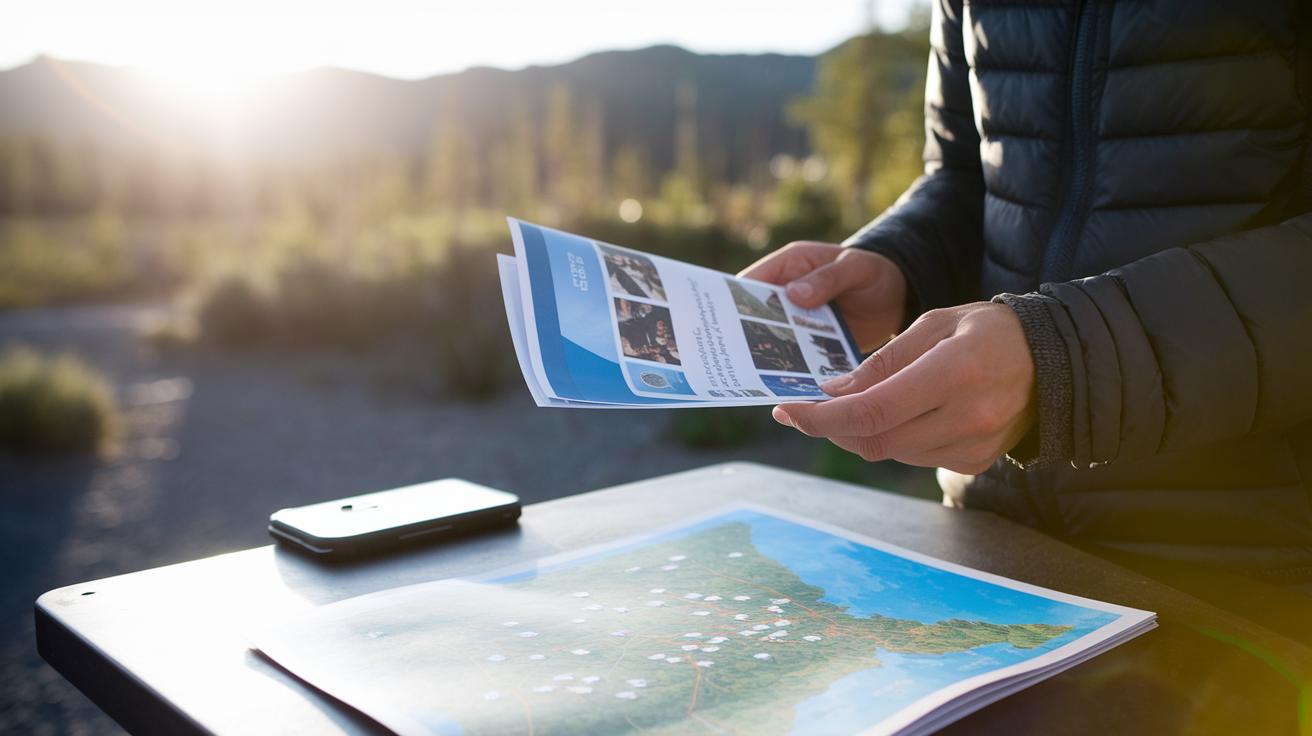
Before lighting your campfire, check local rules and get any permit you need. In some spots, like parts of California, a free permit is required if you’re outside a marked campground. This not only keeps you safe but also helps protect our wild lands.
Once you have your permit, use only existing fire rings or pits for your fire. Gather only dead wood that is no thicker than your forearm. This small choice helps keep the soil intact and prevents lasting changes to the landscape.
After enjoying your campfire, be sure to put it out completely. Pour plenty of water over the fire and stir the ashes until they are cold to the touch. Remember, many forest fires start because campfires are not fully managed. This careful habit stops wildfires and shows respect for the natural beauty we all cherish.
Respecting Wildlife During Eco-Friendly Hiking
When you step into nature, remember to give the animals room. Stay a few meters away so you can watch them quietly. If you want a closer look, bring your binoculars (a small pair that helps you see far). Keeping this distance helps the animals stay wild and keeps you safe.
It also means less stress for the wildlife and a richer experience for you. Treat nature like a quiet friend. Enjoy watching without getting too close.
Store your food safely too. Use bear-proof containers or lockable bags to keep critters away. Never leave food out or feed the animals. These simple steps help everyone enjoy the great outdoors safely.
Consideration for Other Visitors During Eco-Friendly Hiking: Joyful
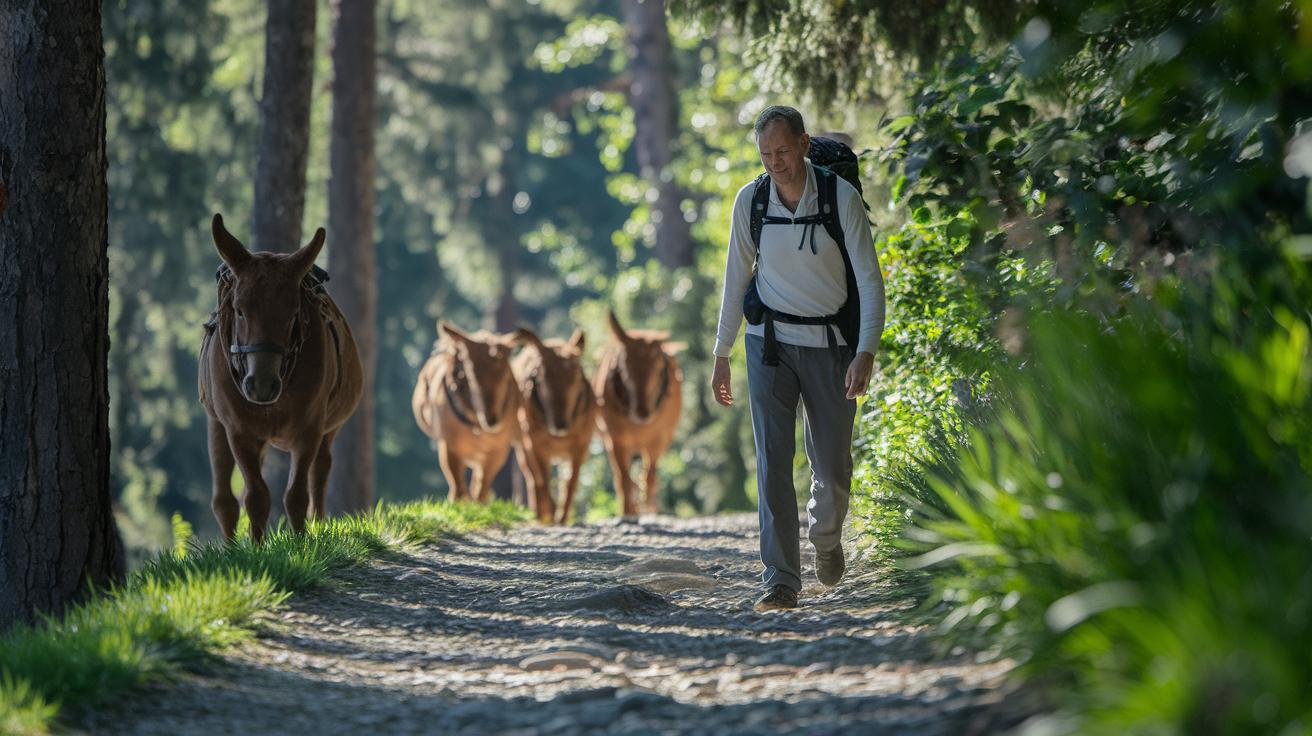
When you're on the trail, let hikers going uphill and pack animals pass easily. Keep your music soft and your chatter quiet so everyone can enjoy the fresh, calm air. A low voice and a simple smile make the journey friendlier for all.
Stay on the marked paths. Avoid cutting across switchbacks or making new trails to save time. This helps keep the nature around us safe and undisturbed. By following these tips, every step becomes more satisfying and fun for everyone.
Final Words
In the action, our guide showed effective steps for minimal impact hiking. We covered planning ahead, using durable paths, and proper waste disposal to protect our trails.
Maintaining Leave No Trace guidelines for eco-friendly hiking keeps wild areas pristine. We reviewed mindful campfire use, safe wildlife observation, and courteous behavior that benefits every hiker.
Every choice on these trails matters. Take these tips along and step into the mountains with safety, care, and confidence.
FAQ
Frequently Asked Questions
Q: What are the 7 principles of Leave No Trace for eco-friendly hiking?
A: The 7 principles of Leave No Trace guide hikers in planning ahead, traveling on durable surfaces, disposing of waste properly, leaving natural features as found, minimizing campfire impacts, respecting wildlife, and being considerate of other visitors.
Q: What does Leave No Trace mean in outdoor ethics?
A: Leave No Trace means practicing eco-friendly hiking that minimizes your environmental impact so that natural areas remain unspoiled for everyone to enjoy.
Q: Where can I find resources for the 7 Principles of Leave No Trace like PDFs, posters, or PPTs?
A: Resources such as PDFs, posters, and PowerPoint slides on the 7 Principles of Leave No Trace are available from conservation groups and outdoor organizations that share best practices for responsible hiking.
Q: How do you implement Leave No Trace practices while hiking?
A: Implementing Leave No Trace involves planning ahead, sticking to established trails, packing out waste, not removing natural items, using existing fire rings responsibly, keeping a safe distance from wildlife, and yielding to others on the trail.
Q: What is the golden rule of hiking?
A: The golden rule of hiking is to treat both nature and fellow hikers with respect, ensuring safety, preserving natural beauty, and maintaining a positive experience for all.