


Ever wondered if missing a single tool could turn your hut circuit into a real challenge? A simple safety checklist can make all the difference. We cover each step, from packing a basic first aid kit to deciding who does what, so you know exactly what to bring. This clear list helps you stay safe on a 3-4 day hut circuit. Pack light, pack smart, and set out with the confidence of a well-prepared group.
Comprehensive Hut Circuit Hiking Safety Checklist
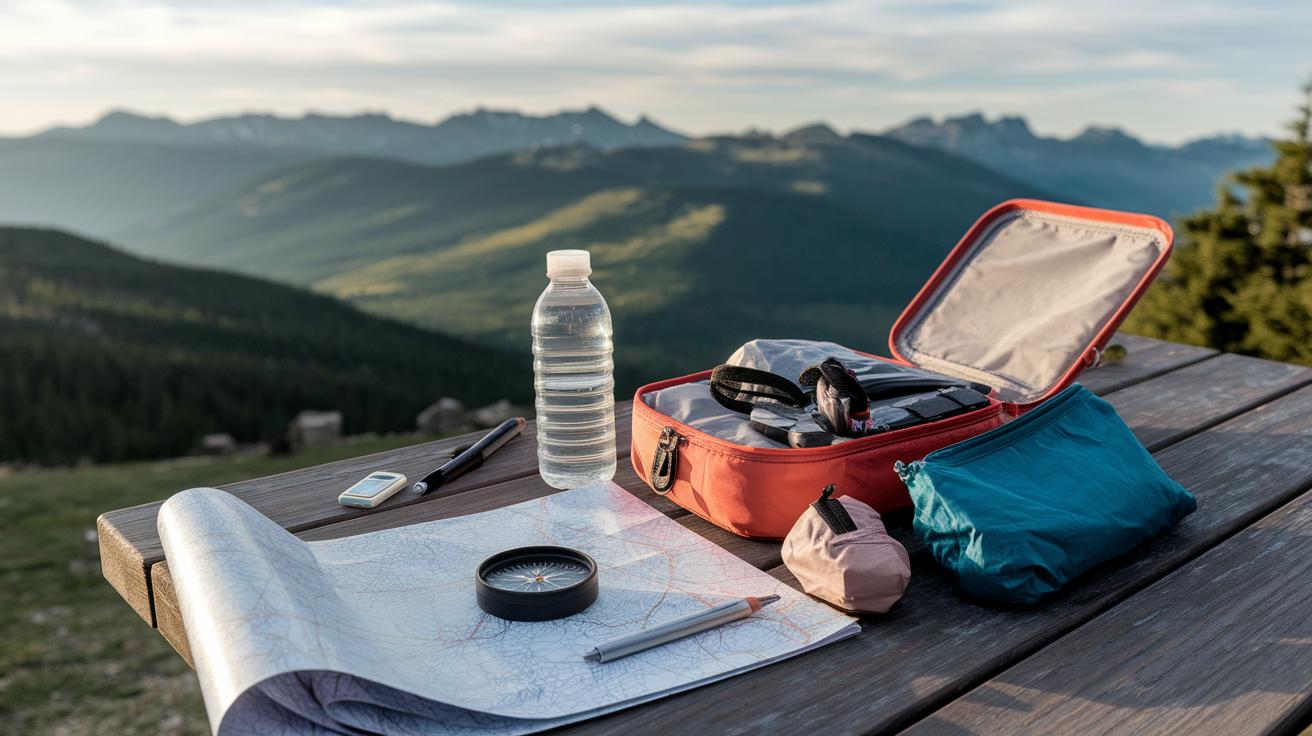
This checklist is your friendly guide for a 3–4 day hut circuit. It gives you clear steps to keep your trip safe and fun. We cover everything you need, from a simple first aid kit with painkillers, antiseptics, bandages, and a digital thermometer to checking your map, compass, water treatment, and emergency shelter. When you check your gear and plan well, you can move on with confidence.
We break down the planning into seven main areas so you don’t miss a thing. This list covers 10 must-have items and more. It also helps your group agree on roles and responsibilities before you set off.
- Core Equipment: Pack a first aid kit, fire starter/knife, flashlight, and repair kit.
- Clothing: Bring extra layers, moisture-wicking shirts, and gear that holds up in bad weather.
- Navigation: Carry a map, compass, and know how you will treat your water.
- Hydration: Pack at least 2 L of water per day in insulated bottles.
- Nutrition: Bring food for three meals plus extra snacks.
- Emergency Planning: Know your exit routes and pack a wilderness first response kit.
- Group Coordination: Decide who will be the navigator, medic, and gear manager.
A trusty 36 L backpack, like an Osprey Kestrel 48 or Tempest 30, is a great fit for multi-day circuits. For a 3–4 day trip, packing smart will keep your load balanced and all your essentials safe.
hut circuit hiking safety checklist: Smart & Secure
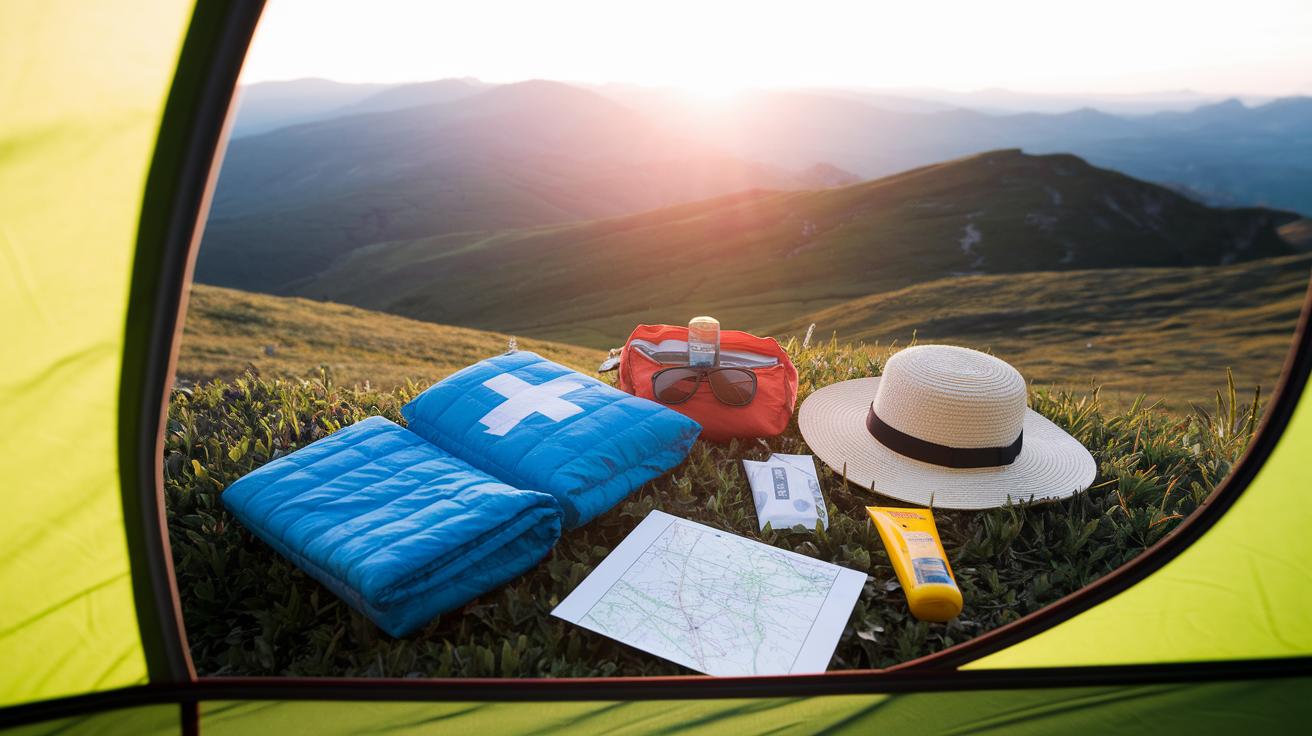
When you set off on a hut circuit, you need gear that can tackle mountain challenges while keeping things simple and safe. A solid kit helps you deal with minor scrapes and sudden weather changes so you can focus on the great views and the good company.
- First-aid kit: Pack painkillers, antiseptics, antibiotics, bandages, a digital thermometer, and snake or bee-sting kits to handle common injuries.
- Emergency shelter: Bring a light space blanket or bivvy that quickly protects you from wind and cold.
- Sun protection: Include a hat, UV-blocking sunglasses, and broad-spectrum sunscreen to guard your skin during long days outdoors.
- Navigation device: Use a GPS smartphone or handheld device loaded with offline maps to keep you on track.
- Trekking poles: They add balance on rough paths and ease strain on your knees.
- Repair kit: Carry a small kit with duct tape and a multi-tool for quick fixes on the trail (see hiking safety tools at https://hike2hut.com?p=155).
- Swiss Army knife: This handy tool helps with small repairs and even food prep when needed.
- Backpack: A 36 L pack offers the right mix of space and comfort for multi-day loops.
Before hitting the trail, take a moment to check your gear to make sure everything is ready to support you.
Clothing and Weather Preparedness on Hut Circuits

When you hit the trails, the right clothing makes all the difference. A solid layering system helps you adjust to changes in the weather. Layers let you mix and match your gear so you stay dry and warm, whether it’s a light drizzle or a chilly wind.
| Layer | Item |
|---|---|
| Base | A moisture-wicking shirt and pants that keep sweat away from your skin |
| Mid | A synthetic puffy jacket that gives quick warmth without adding too much bulk |
| Outer | A Gore-Tex rain shell that shields you in wet conditions |
When planning your footwear, pick supportive hiking boots if the trail is wet or icy. Trail runners work well on easier paths. Bring at least two pairs of wool socks to keep your feet cozy. Also pack gloves and a beanie for extra warmth.
For sun protection, don a wide-brim hat and UV-blocking sunglasses. This gear mix is chosen to keep you light on your feet yet comfortable in all sorts of mountain weather. Stay safe and enjoy your hut circuit!
Navigation and Emergency Communication on Hut Circuits
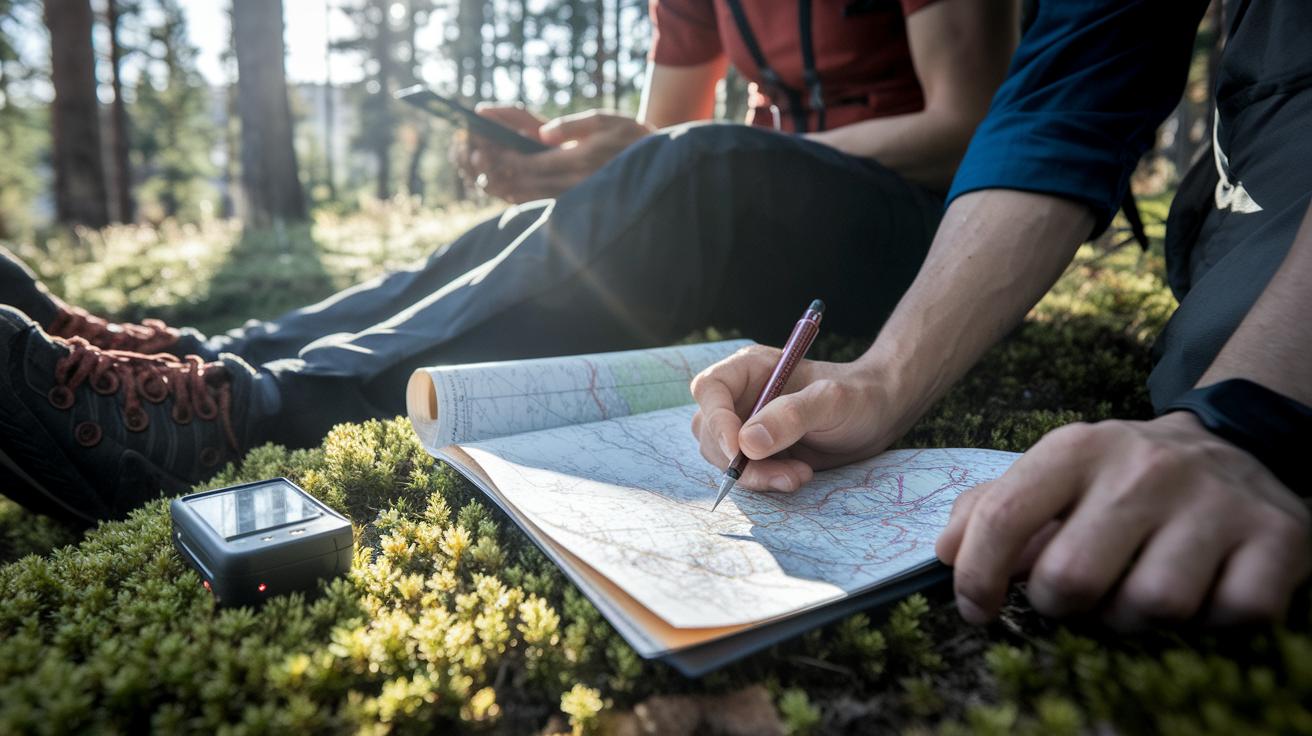
When you’re out on hut circuits, solid navigation and a way to call for help are a must. We recommend carrying a topo map (a map that shows hills and valleys) and a compass. Spend a few minutes practicing your map reading so you can better understand the trail ahead. A GPS device or smartphone loaded with offline maps comes in handy when cell signals drop. And don’t forget a satellite messenger or personal locator beacon (PLB) in case you need urgent help. Fully charged batteries paired with a portable power bank round out your gear for long days on the trail.
- Check your compass and refresh your map reading skills before you start.
- Load and sync offline maps on your GPS or smartphone so they’re ready to use.
- Test all your device batteries and pack a portable power bank as a backup.
- Set up emergency contacts on your phone and satellite device so you can quickly reach out if needed.
- Make sure your satellite messenger or PLB has solid coverage in your planned area.
Pick call or beacon devices that work well in remote regions. It’s a good idea to check local satellite coverage and run a quick test so you can trust your setup when it matters most.
Food, Hydration, and Energy Management for Hut Circuits

Staying fed and hydrated is key when you’re on a hut circuit. We suggest drinking about 2 L of water every day (roughly 1 L per hour of hiking) using insulated BPA-free bottles or a Camelbak pack. Make sure to treat your water with a filter or purification tablets to keep it safe. Plan three meals and two snacks each day so you have enough energy on the trail.
- Insulated water bottles or Camelbak hydration pack
- Water filter or purification tablets
- Three planned meals for good nutrition
- Two snacks every day to keep your energy steady
- Nutrient-packed trail mix for a quick energy boost
- Energy bars for a fast refill
- Dehydrated meals stored in zip-lock bags for ease
Keep track of your food and water intake and plan refill breaks along the way. This helps you stay energized and ready for the next part of your hut adventure.
Risk Assessment and Contingency Planning for Hut Circuit Hiking

Before you head out on your hut circuit, it's smart to check for any trail hazards and plan for surprises. Think of this as your safety net in the mountains. Here are five simple steps to help you stay safe:
• First, check the latest trail info, closures, and snow conditions on park or forest service websites.
• Next, mark spots with risks like steep slopes, crevasses (deep cracks in the snow), or river crossings.
• Then, look at the weather forecast for any sudden changes like rain, strong winds, or drops in temperature.
• Also, choose backup routes and exit points in case the main path becomes dangerous.
• Finally, write down emergency contacts like local search and rescue numbers and hut manager details, and note any permit rules.
Make sure you go over this plan with everyone in your group before starting your hike. Agree on clear meeting spots, alternate routes, and who will do what if plans change. Keep an eye out for any hazards along the way and speak up if something seems off. This clear plan helps everyone stay safe and ready for anything on your hut circuit.
Pre-Trip Planning and Group Coordination for Hut Circuit Safety

Start your hut circuit on the right foot with careful planning and teamwork. Before you set out, double-check that every hut reservation and required permit is in place. Having at least three people in your group means you can split tasks and keep each other safe. Plan when you’ll leave each day, when to arrive, and when to take breaks as advised by the hut managers. A quick meeting before you go over your safety checklist will help everyone feel ready.
- Confirm your hut bookings and secure all needed permits.
- Make sure there are at least three hikers to share important tasks.
- Give clear roles like navigator, medic, and gear keeper.
- Plan your daily start times, arrival times, and rest stops.
- Hold a pre-trip meeting to review your full safety checklist.
Take a moment to go over the plan together, talk about who does what, and tweak any details if needed. For more tips, check out the mountain hiking trip planning page on hike2hut.com.
Post-Trip Debrief and Gear Audit for Sustained Hut Circuit Safety

After you finish a hut circuit, take a few moments to have a chat about the trip and check your gear. This simple review can help spot wear or damage early so you stay safe on your next hike. It also lets you talk about what went well and what could be better next time.
A friendly group debrief builds trust and prepares everyone for the next loop. It makes sure that all your equipment stays in tip-top shape and that you learn from any close calls.
- Check all your gear for signs of wear or damage, and note any repairs or replacements needed.
- Jot down any incidents or near-misses with clear details.
- Update your safety tips and gear checklist based on what you learned.
- Hold a quick group debrief to gather feedback and improve your planning.
Final Words
In the action, we've broken down every step for a safe and memorable hut circuit hike. The checklist covers core gear, clothing, navigation, food, risk assessments, group coordination, and post-trip reviews in a clear, simple way.
This guide brings together all the essentials for your hut circuit hiking safety checklist. Keep it handy as you pack, step by step, and enjoy your well-prepared mountain trek with confidence.
FAQ
Hut circuit hiking safety checklist pdf
The hut circuit hiking safety checklist pdf outlines key items for multi-day trips, covering gear, clothing, navigation, hydration, nutrition, and emergency supplies. It helps you organize your pack for a secure, hassle-free mountain circuit.
Alps hut to hut packing list
The Alps hut to hut packing list details smart choices for alpine trekking. It covers layered clothing, robust footwear, food, and emergency gear, guiding you to pack appropriately for high-altitude, variable weather conditions.
What to pack for hut-to-hut hiking
What to pack for hut-to-hut hiking includes safety gear, layered apparel, navigation tools, food, and hydration supplies. This list ensures you have the essentials to tackle changing trail conditions with confidence.
Book a trekking packing list
The book a trekking packing list offers detailed gear recommendations for your trip. It guides you through essential items, ensuring you’re well-prepared with safety equipment, appropriate clothing, and necessary supplies for a smooth expedition.
Best travel hiking backpack
The best travel hiking backpack provides the right blend of capacity and comfort. It typically features about 36 L space, adjustable straps, and organized compartments to efficiently carry your gear on multi-day hikes.
Slovenia hut to hut packing list
The Slovenia hut to hut packing list gives tailored advice for local mountain trails. It emphasizes proper clothing layers, emergency supplies, and essential personal items to ensure a safe and comfortable alpine experience.
Dolomites hiking packing list
The Dolomites hiking packing list covers essential safety gear, layered clothing, nutritious snacks, and navigation items. It is designed to help you handle steep, rocky terrain while enjoying the unique challenges of the Dolomites.
Via ferrata packing list
The via ferrata packing list focuses on technical safety. It includes a helmet, harness, suitable shoes, gloves, weather-appropriate clothing, and a basic first aid kit, ensuring you’re well-equipped for steep, secured climbs.