


Ever worried that planning a hut circuit would be too much hassle? We believe it can be simple and fun. Imagine a trail that offers beautiful mountain views and reachable daily distances, a friendly walk through nature. In this guide, we help you choose a region that fits your pace and plan a route that keeps every step safe. Get your map or GPX ready and set a course for an adventure filled with both excitement and calm.
Planning Your Hut Circuit Route with Confidence
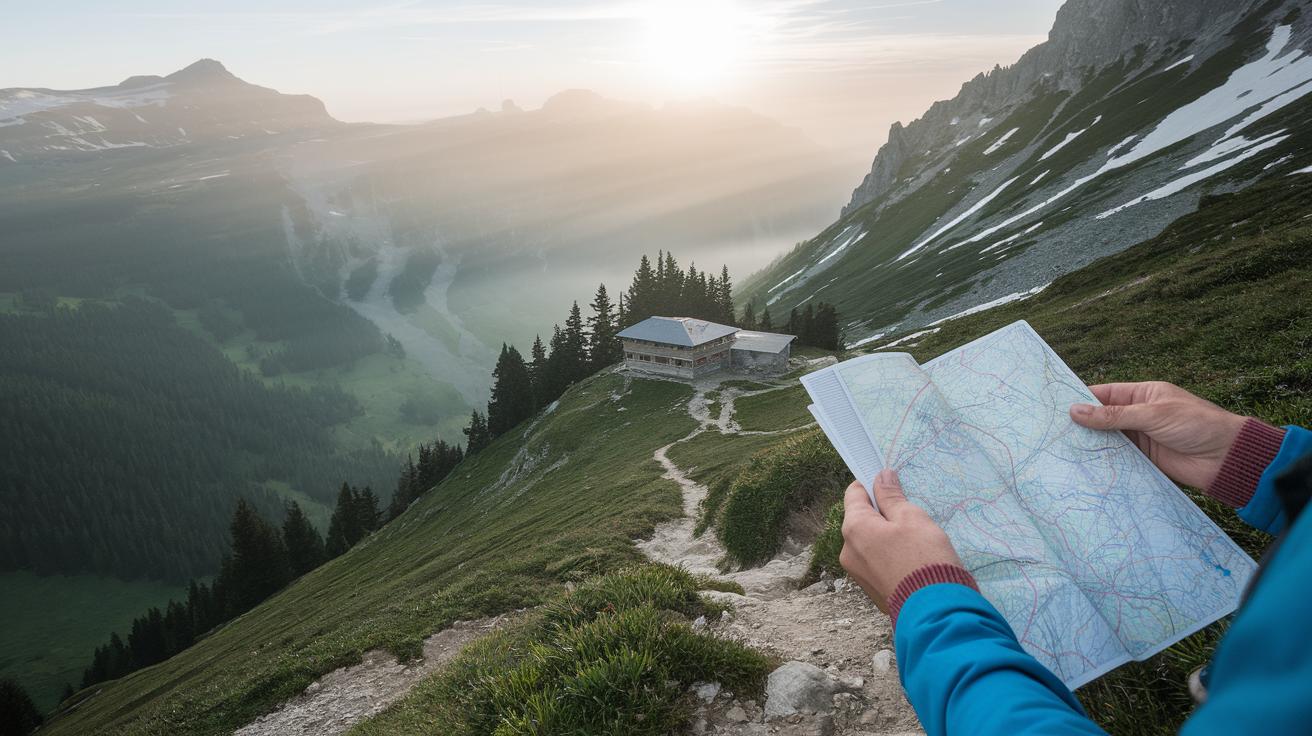
Begin by choosing your hiking area. Pick a region that suits your fitness and interests. If you love big mountain views and clear, marked trails, choose an area known for that. This step is key to planning your hut circuit route.
Next, look at the trails and where the huts are. You can use digital maps or a topo map (which shows hills and valleys). Sketch out or chart your daily distances and how steep the climbs are. A good rule is to plan for about 10 km per day with a gentle climb, much like pacing yourself on a long walk.
Break your journey into days that work for you. Think about your pace and the distance you can manage so you can take enough breaks and even a rest day when needed. Having a clear daily plan lets you adjust if the weather changes or if there are transport delays. It also helps to have a backup plan ready.
There are four ways you can plan your hut-to-hut journey:
| Method | Description |
|---|---|
| Plan it yourself | Research trails and hut locations on your own. |
| Use online itineraries | Follow routes that others have pre-planned. |
| Hire a trip planner | Get a tailor-made route from a professional. |
| Join an organized group | Let someone else handle the logistics while you relax. |
Each method has its own benefits. As you work on your hut-to-hut route, check the daily distances, know the hut opening times, and be ready to change your plans if needed. For more tips, you might want to look at other hut-to-hut hiking guides.
Plan smart by balancing beautiful views with daily distances that you can enjoy. And always be prepared for unexpected changes along the way.
Mapping and Itinerary Development for Hut Circuits
Choosing Mapping Platforms
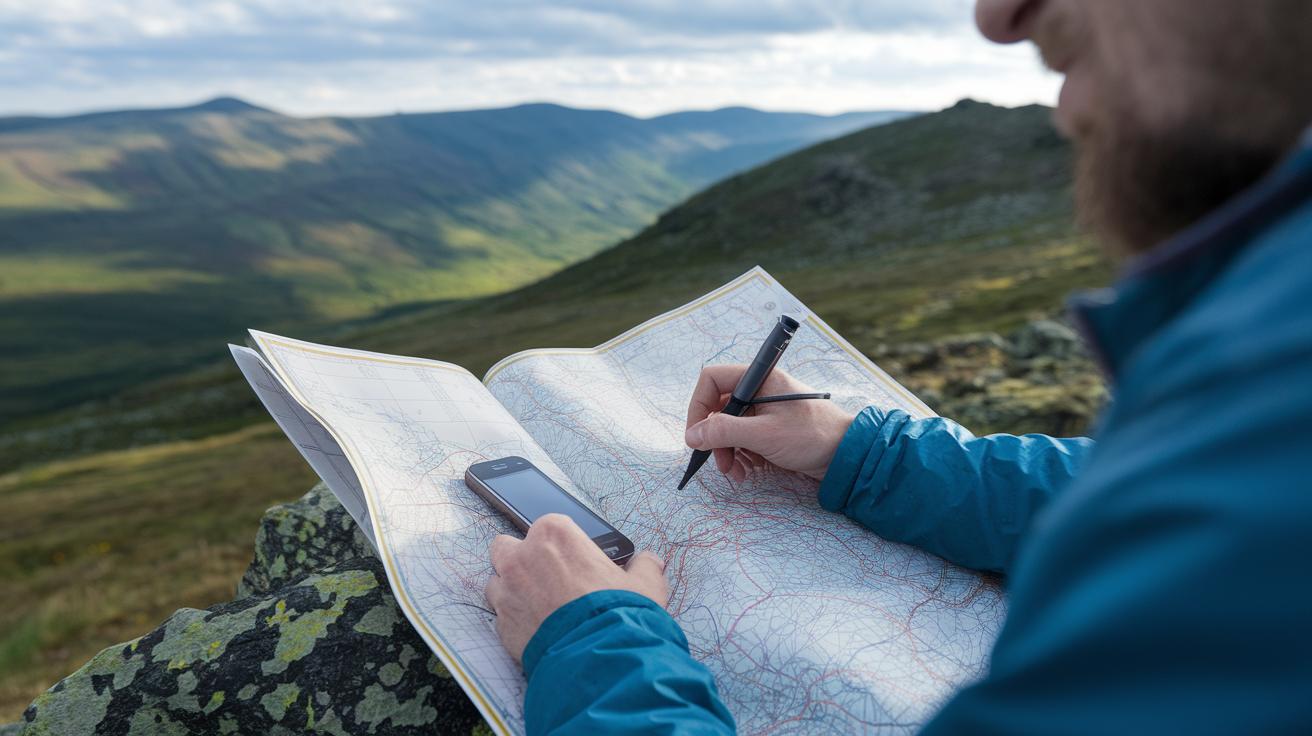
Choose mapping software that works both online and offline so you never lose your way in the mountains. We recommend simple GPS apps or GIS tools that show clear topo maps (maps that detail hills and valleys). These tools let you mark your trail, add hut stops, and pinpoint waypoints. Printed maps also work well as a backup. For example, load a GPX file on your phone and see the trail appear like a series of familiar footprints.
Creating Elevation Profiles
Creating an elevation profile helps you spot steep climbs and descents on your route. Digital tools can make easy-to-read charts showing how altitude changes with distance. This step lets you see where the hard parts are so you can plan extra breaks or adjust your pace. For instance, if the Seiser Alm circuit has a 1,311 m climb over 29.5 km, you know to be extra careful on those challenging sections.
Scaling Daily Stages
Break your overall route into daily chunks that you can manage comfortably. Look at sample circuits such as Rosengarten’s 26.7 km over 4 days or Drei Zinnen’s 14.85 km over 2–3 days to find a pace that suits you. Consider both the elevation gain and hut operating hours when planning your day. This way, you can enjoy a safe and scenic hike while keeping to a schedule that feels right.
Hut Reservation and Facilities in Your Circuit

Booking a mountain hut room is a big part of the adventure. If you want a private room, plan ahead and reserve about six months before the busy season. Keep in mind, even for private rooms the bathroom may be shared and meals are enjoyed together. Most huts offer a half-board option for around €80–€100 per adult and kids often get a 10–20% discount. This means you can travel light and still end your day with a warm meal and a cozy bed.
When you contact the hut, send a short email with your dates, group size, and any special requests. Some huts ask for a deposit to secure your booking. A helpful tip is to send a follow-up email about one week before you arrive to confirm everything. For example, you might write, "I'd like to reserve a private room for two on [date]. Please let me know if a deposit is needed." You can also use the online mountain hut booking system if you prefer a quicker process.
| Booking Step | Timeline | Cost/Note |
|---|---|---|
| Initial Inquiry | 6 months ahead | Submit email with dates and party size |
| Deposit Payment | Upon confirmation | May be required for booking guarantee |
| Final Reconfirmation | 1 week before arrival | Confirm arrival times and deposit status |
Gear Selection and Safety Measures for Hut Circuits

Pack light but smart. Choose gear that can handle sudden changes in the weather. A waterproof jacket keeps you dry if it starts to rain, and a warm emergency layer is great for cold winds or a sudden hailstorm. Always carry a small first-aid kit along with your map, compass, and GPS (a map file your phone or GPS uses). These items help you stay safe when the trail becomes tricky.
When you hit the hut, pack a pair of light indoor shoes like flip-flops and a small towel for comfort. Try to keep your pack under 12 kg (26 lbs) and avoid packing extra food that might attract pests.
Before you head out and even while you're on the trail, check the weather forecast. Even in summer, rain and wind gear are must-haves. If rain is expected, pack an extra waterproof jacket and some quick-drying layers to keep you comfortable and safe all day.
Seasonal Considerations and Alternate Hut Circuit Routes
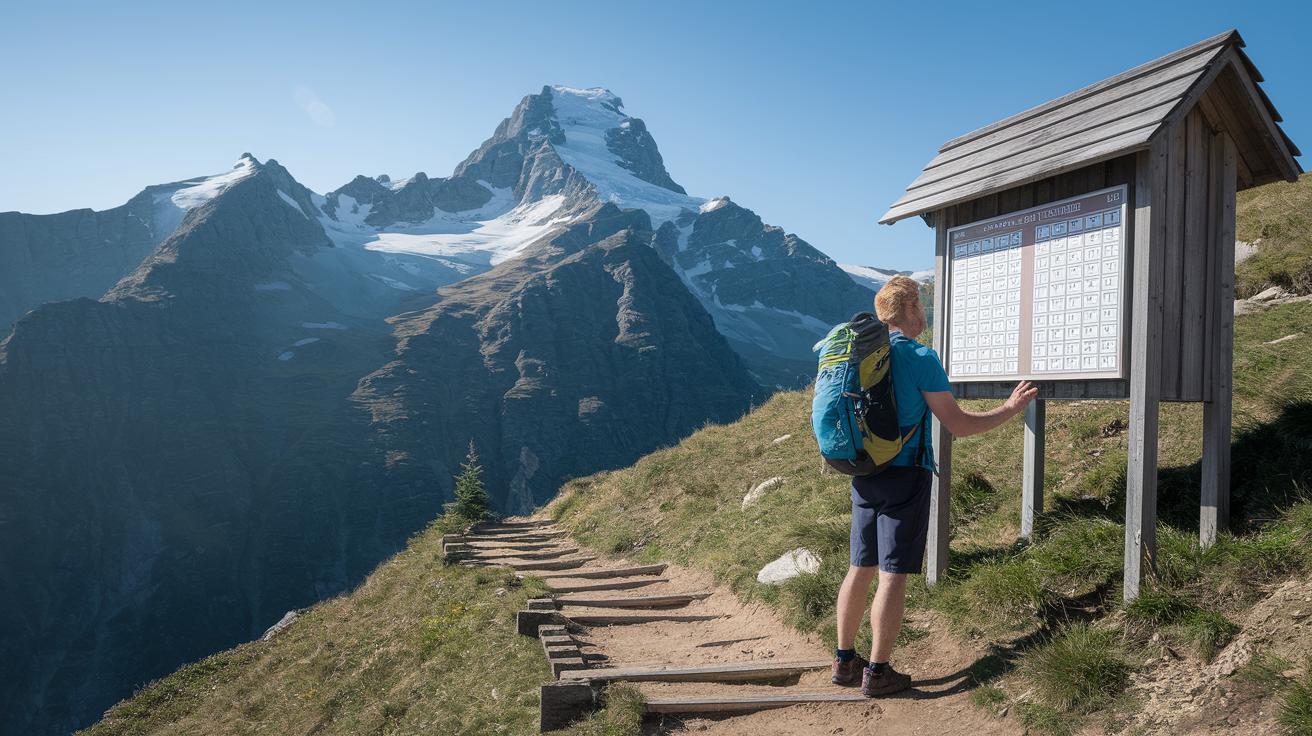
Planning a hut circuit means choosing the right time of year. The best season is from late June to late September. Mid-July to early September usually brings steady hut and lift services. If you opt for early June or later September, you might enjoy fewer crowds and lower rates, but be ready for possible early snow or cooler nights.
Check the local lift and bus schedules when you plan your hike. For example, shuttle bus 444 to Rifugio Auronzo runs only twice a day, so plan your hiking times around these departures. Staying midweek at popular huts also means better chances for bed availability and a quieter stay.
Always allow an extra day in your itinerary. Unexpected weather or changes in bus times can happen. An extra day gives you the flexibility to adjust your plans, ensuring you still have time to enjoy the trail and get to your next hut safely.
Sample Hut Circuit Itineraries
Seiser Alm Circuit
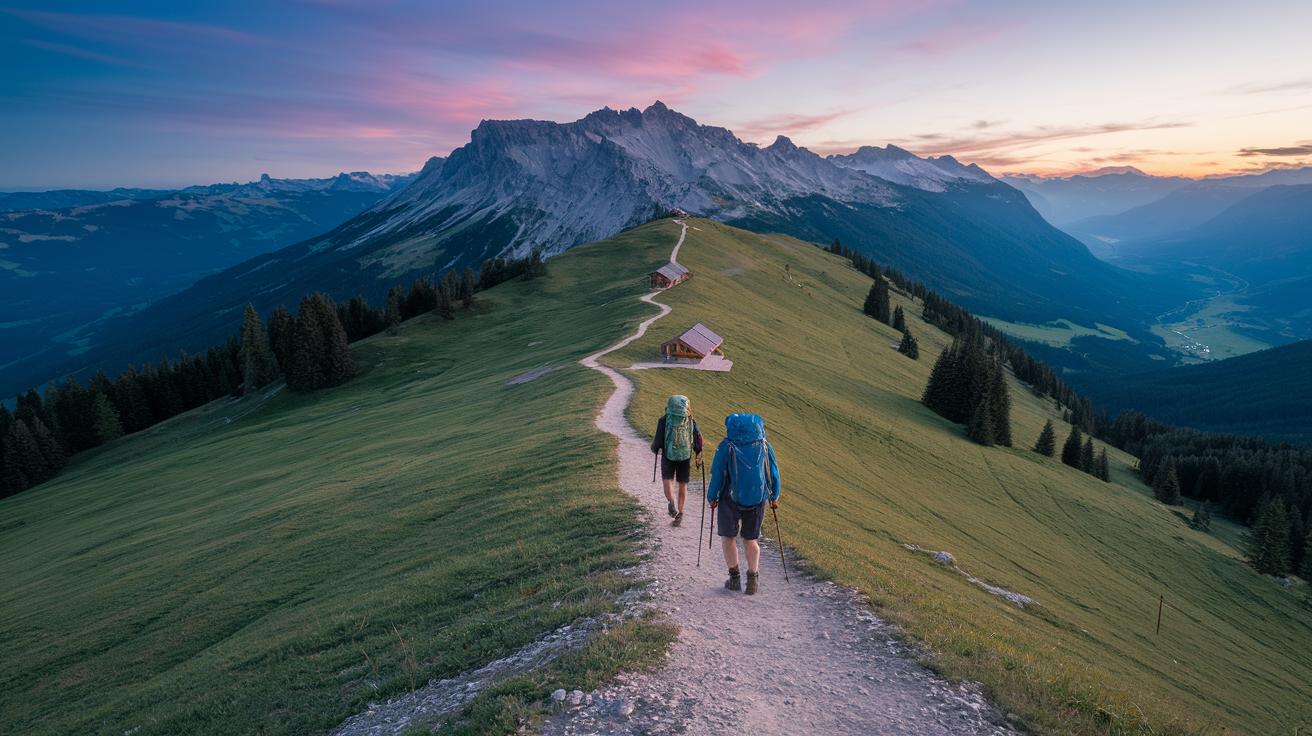
This 3-day, 2-night trek covers 29.5 km with about 1,311 m of climbing. You start at a well-connected hut and follow clear trails through rolling meadows and forests. Each night, you stop at a hut to enjoy a warm, filling meal. Plus, easy transport links let you join or leave the route from nearby villages. Think of it like a relay race, each leg prepares you for the next without adding extra weight.
Rosengarten Route
On this 4-day, 3-night route, cable-cars on Day 1 and Day 4 reduce the strain at the start and finish. You travel 26.7 km and climb about 968 m. The cable-cars save your energy so you can enjoy the sweeping views and alpine details. Every day balances gentle climbs with fun descents, making it a great mix of assisted travel and on-foot exploration.
Drei Zinnen Trek
This trek covers about 14.85 km over 2 to 3 days with roughly 671 m of climbing. A ridge walk treats you to glacier views, and you might even pass a refreshing waterfall along the way. With reliable hut setups along the route, you can leave heavy camping gear behind and still soak in the dramatic high-altitude beauty.
Final Words
In the action, you've explored clear methods for planning hut-to-hut circuits. We've covered mapping trails, setting daily stages, scheduling rest days, and booking huts early. The guide breaks down steps like using digital maps with elevation charts and selecting safety gear for changing weather. It also addresses seasonal tips and contingency plans, making it easier to handle logistics. Rely on this hut circuit route planning guide to build a balanced, secure itinerary that keeps you comfortable and ready to enjoy every step along the way. Stay safe and happy trails!
FAQ
What insights do Reddit users offer on hut circuit route planning in the Dolomites?
Reddit users share practical advice on researching hut locations, trail conditions, and weather updates. They suggest using personal experiences to adjust daily distances and emphasize booking huts early during the busy season.
What is a typical 4-day hut-to-hut itinerary in the Dolomites?
A typical 4-day itinerary in the Dolomites features daily hikes of 20–30 km with diverse elevation gains. Huts provide half-board services and shared facilities, making the route both scenic and manageable.
How can I book and plan my Alta Via 1 hut-to-hut trip?
Booking for Alta Via 1 involves reserving huts online about six months in advance during peak season. Detailed maps, 4-day route suggestions, and planning guides help you schedule daily stages and manage transportation details.
What routes and resources are available for day walks and multi-day hut circuits in the Dolomites and nearby areas?
Guides offer a range of options from day walks to extended hut circuits. Resources such as map booklets and online itineraries provide clear details on distances, elevation gains, and local transport links for areas like Val Gardena and Gran Paradiso.