


Have you ever noticed how a few simple rules can make your outdoor adventure even better? Many hikers have discovered that following Leave No Trace tips turns an ordinary hike into a way to take care of wild places. You learn to choose a good campsite, handle your waste correctly, and show respect for local wildlife (animals in the area). These small actions add up to big wins for nature and help you enjoy the outdoors safely.
Leave No Trace Courses Fuel Outdoor Passion
Leave No Trace courses help you learn how to enjoy the outdoors while caring for nature. These lessons show you simple ways to keep wild places clean by following seven easy rules. Many experienced hikers started just like you, learning that small actions can protect our nature.
In these courses, you'll learn about handling waste, finding a good campsite, and understanding local wildlife (animals that live in the area). Friendly, experienced instructors lead hands-on lessons that make it easy for anyone to follow. Whether you’re new on the trail or a seasoned hiker, you'll pick up tips to protect the land and boost your confidence.
Key features include:
- Hands-on skill exercises
- Clear steps for sustainable practices
- A certificate to show your commitment
- Regular updates with the latest tips and research
Historical Development of Leave No Trace Courses
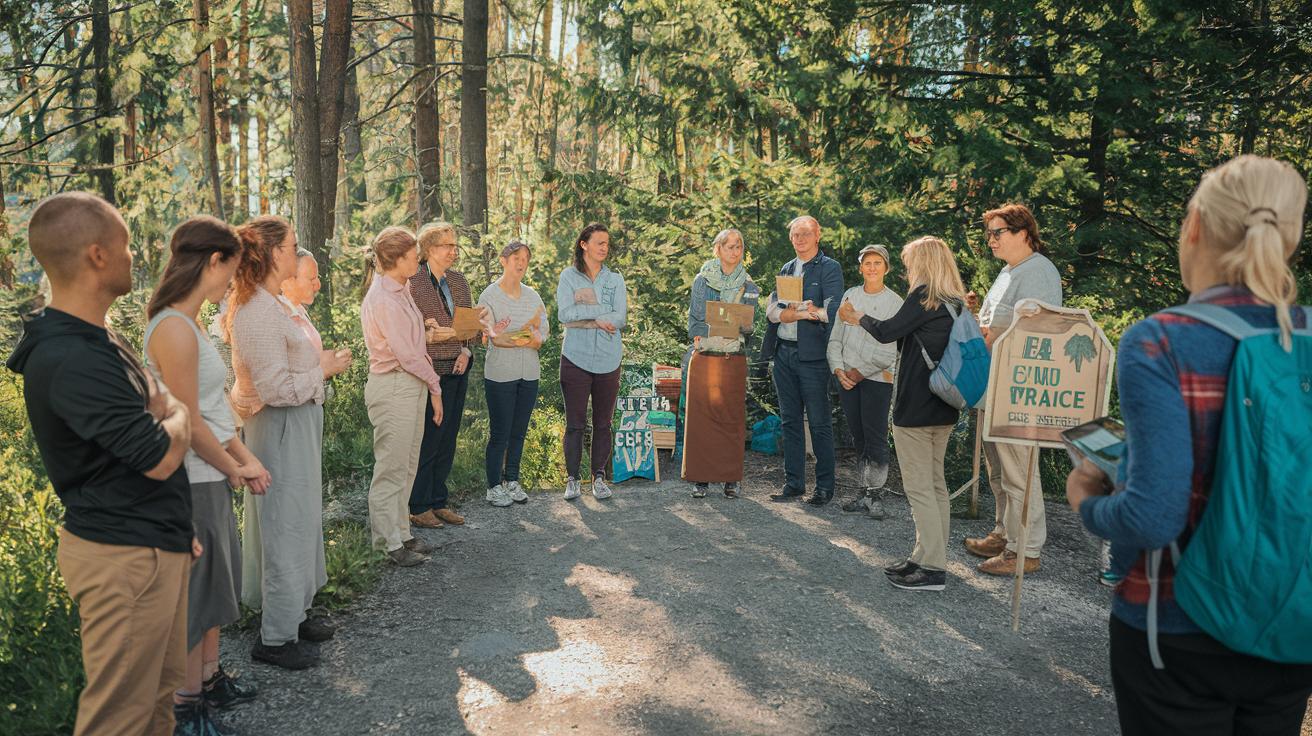
The idea behind Leave No Trace courses was simple: learn how to enjoy nature without leaving a mess. In the early days, local clubs and community groups shared easy tips on taking care of wild places. Their honest, down-to-earth advice paved the way for more formal lessons in outdoor care.
Key years helped shape these courses. In 1994, the Leave No Trace Center for Outdoor Ethics set clear principles that guide these classes even today. By 2000, the first certification programs had started, offering training for trail leaders and educators. In 2007, the courses grew to include special sessions for volunteers and park staff. In 2010, digital versions were launched so more people, even in far-off areas, could join in. In 2015, new interactive materials were added, making sure the message reached even more people and stayed up-to-date with the latest ideas.
Today, these courses are flexible and easy to access. You can take them online or in person. The ongoing updates and community-driven approach reflect the strong commitment to protecting nature while enjoying the great outdoors.
Key Components and Types of Leave No Trace Courses
Online courses let you learn from your computer or phone. They mix videos, quizzes, and downloadable files so you can study at your own pace. If you like self-guided learning, check out the Leave No Trace 101 Online Course. It explains the core ideas with fun interactive parts.
In-person workshops give you hands-on practice under the watchful eye of experts. You get to try proper waste disposal and low-impact camping right there in nature. This style works well if you prefer learning with others and getting immediate tips from experienced guides.
Hybrid retreats combine online lessons with outdoor sessions. You study remotely and then put your new skills to work in the field. This mixed approach is perfect if you want both flexibility and real-world practice.
| Component/Type | Primary Role | Example |
|---|---|---|
| Online Format Courses | Remote education | Leave No Trace 101 Online Course |
| In-Person Workshops | Hands-on practice | Local Community Workshops |
| Hybrid Retreats | Blending study with fieldwork | Weekend Leave No Trace Retreat |
Benefits and Challenges Associated with Leave No Trace Courses
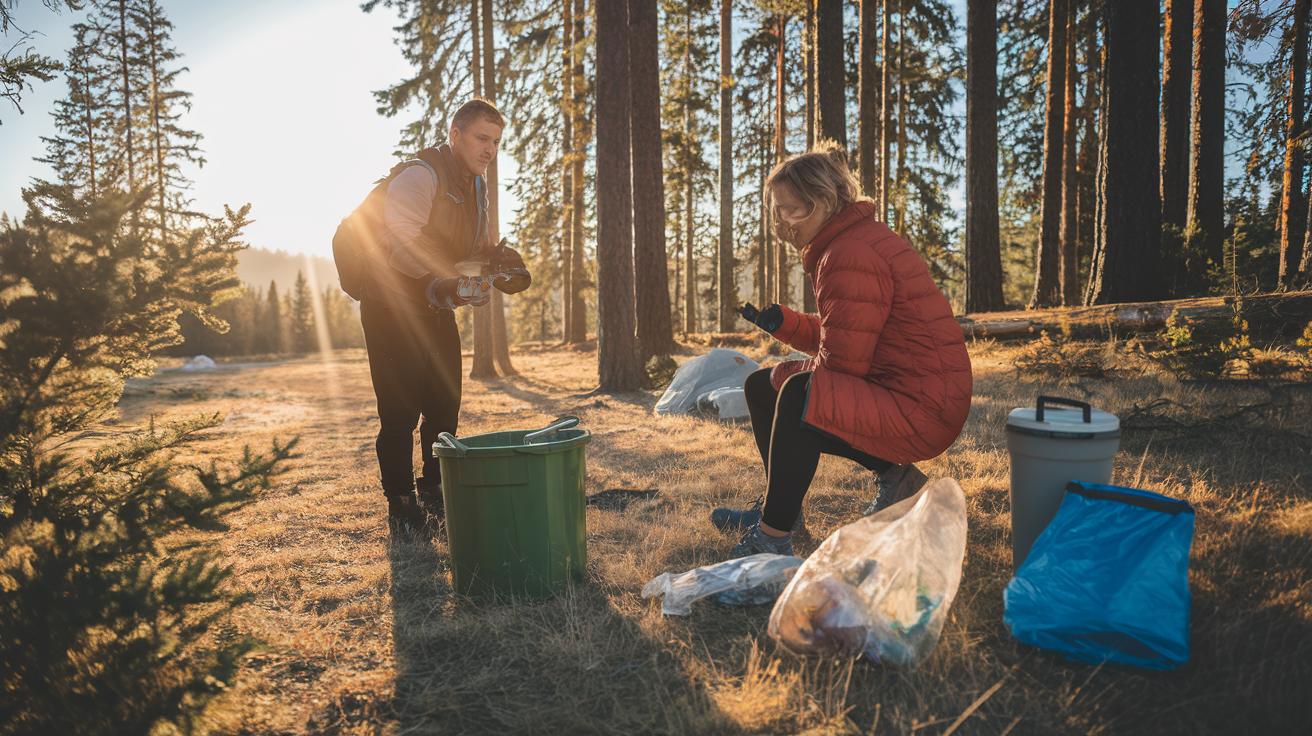
Leave No Trace courses are a friendly way to learn how to enjoy nature while keeping it clean. They teach you easy ways to handle trash, respect wildlife, and camp without leaving a mark. These courses help build your confidence, deepen your bond with the outdoors, and bring together a community of nature lovers. For instance, one course might guide you on setting up a camp that really leaves no trace, so you feel ready to minimize your impact wherever you wander. Beyond personal growth, these lessons can spark skills that even benefit local communities.
- Clear, step-by-step tips for reducing your footprint
- A certificate that boosts your trustworthiness and inspires others
- Hands-on activities that teach solid outdoor practices
- A supportive group of fellow nature enthusiasts
- Regular refreshes to keep the advice current and helpful
Not every course will be a perfect match for your learning style, though. Sometimes the pace can feel a bit too quick for beginners, and the volume of information may seem like a lot if you’re keeping up with a busy outdoor schedule. Also, courses held online can face tech hiccups, and in remote areas, in-person sessions might be hard to find.
- Fast-paced lessons that might overwhelm newcomers
- Few hands-on chances in remote or online formats
- Challenges fitting sessions into your outdoor plans
- Occasional technical glitches during online classes
Best Practices and Future Outlook for Leave No Trace Courses
Leave No Trace courses work best when lesson plans are clear and safety is the top priority. Instructors should mix hands-on learning with real outdoor practice. They should also share local stories and update materials with the latest research. This way, everyone feels ready and safe while enjoying nature and keeping it clean.
- Review and update course materials often.
- Add hands-on exercises that feel like real outdoor trips.
- Share local examples and personal stories to explain ideas.
- Listen to feedback after each session.
- Mix online lessons with outdoor field work for a balanced course.
Over the next 3 to 5 years, we expect courses to become more interactive with new technology. Digital tools like augmented reality may soon show how actions can affect nature in real time. Local communities might join outdoor sessions more as they look to connect with nature. Instructors could team up with local guides to add community tips to the course. These changes will make the courses even more fun and useful, helping everyone care for the outdoors the right way.
Final Words
In the action, we broke down the main keyword’s clear definition, history, core components, and both its benefits and challenges. We shared a few key dates and pinpointed practical steps you can use today. The insights on different types and best practices aim to help you manage logistics and embrace sustainability. Plus, integrating leave no trace courses ensures you respect nature while exploring. Enjoy your mountain trek, and let these pointers boost your confidence on the trail.
FAQ
How can I access free online Leave No Trace courses and certification?
Free online courses let you explore Leave No Trace basics without cost. Many organizations offer introductory modules on responsible outdoor practices. Check local conservation sites and ethics centers for current free options.
What does Leave No Trace Trainer certification involve?
Leave No Trace Trainer certification means advanced training for experienced educators. It prepares you to teach outdoor ethics and responsible behavior in natural settings while promoting low-impact practices.
What is a Leave No Trace certification?
A Leave No Trace certification shows you understand best practices for reducing outdoor impact. It verifies your knowledge of key principles and demonstrates your commitment to protecting natural areas.
What is the Leave No Trace 101 course?
The Leave No Trace 101 course covers the basics of outdoor ethics and the 7 principles. It guides beginners in learning responsible practices for enjoying nature while minimizing damage.
What does the Leave No Trace Level 1 Instructor Course cover?
The Level 1 Instructor Course trains individuals to teach Leave No Trace principles. It builds on fundamental concepts with practical strategies for educating others in responsible outdoor conduct.
How do I find Leave No Trace courses near me?
Finding local courses means checking with nearby outdoor education centers, conservation agencies, or hiking groups. They often offer in-person sessions that provide hands-on training in ethical outdoor practices.
What are the 7 principles of Leave No Trace?
The 7 principles include planning ahead, traveling on durable surfaces, disposing of waste properly, leaving what you find, minimizing campfire impacts, respecting wildlife, and being considerate of other visitors.
What is the Leave No Trace program?
The Leave No Trace program teaches outdoor ethics to help minimize human impact on nature. It promotes careful planning, responsible waste management, and respect for wildlife and fellow visitors.
Which 3-month Leave No Trace course is best?
A 3-month course that combines theory with hands-on training is highly regarded. Comparing course reviews, instructor expertise, and accreditation helps you decide which one meets your learning needs.
What does Leave No Trace membership offer?
Leave No Trace membership provides access to exclusive training, regular updates on outdoor ethics, discounts on courses, and a network of conservation-focused professionals and enthusiasts.
What is the Leave No Trace Center for Outdoor Ethics?
The Center for Outdoor Ethics promotes education on responsible outdoor behavior. It offers guidelines, training resources, and research to support practices that minimize environmental impact.
What is a Leave No Trace hat?
A Leave No Trace hat is outdoor gear that often features the program’s branding. It symbolizes your commitment to ethical outdoor practices while offering functional sun protection and style on the trail.