


Have you thought about switching up your long hikes this year? Multi-day hikes are taking on a fresh style that can change your whole trail experience. Time-tested routes like the Appalachian Trail now join new, big loops such as the American Perimeter Trail. With lighter gear, smarter packing, and hut-to-hut plans, you carry less weight and get more time to enjoy nature and meet local folks. Plus, modern tech and eco-friendly gear trim your pack by nearly 30%, making your next multi-day hike easier and more fun than ever before.
multi-day hiking trends: Fresh Insights Shaping Trails
2024 brings big changes for multi-day hiking. Time-honored routes like the 2,200-mile Appalachian Trail and the 40-mile Overland Track now share the spotlight with new mega-loops such as the American Perimeter Trail. These routes mix well-known challenges with fresh, long-distance adventures that invite you to explore more hut-to-hut paths and connect with local hiking communities.
New gear is also lightening the load on the trail. Ultralight shelters, backpacks, and clothes that adjust to the temperature are made with recycled materials and cut your pack weight by 20–30%. Fast-packing setups that weigh under 5 kg (10 lbs) and other lightweight camping gear mean you can go further with less strain, making long days on the trail more enjoyable while caring for the environment.
Trail nutrition is getting a healthy upgrade too. Superfood, plant-based freeze-dried meals offer a balanced mix of protein, carbs, and healthy fats. Paired with regular, balanced snacks, they keep you fueled for every step. Plus, offline maps, smart path planning, real-time weather updates, and forecasting help you adapt on the fly. Add in tailored training programs and a community that cares about climate and mental health, and multi-day hiking is ready for a bright future.
Emerging Routes in Multi-Day Hiking Trends
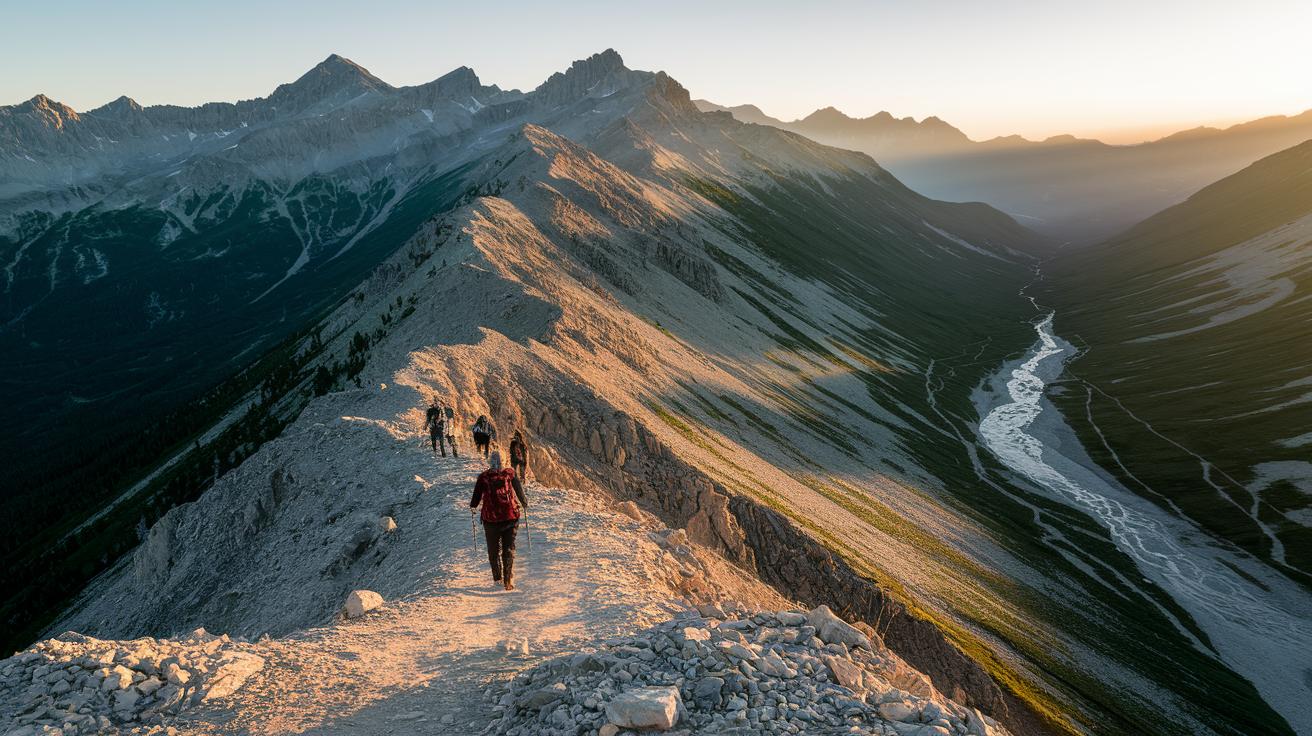
Many favorite trails continue to attract hikers who love long-distance adventures. The Appalachian Trail, which spans about 3,540 km (2,200 mi) along the USA East Coast, and Tasmania’s Overland Track, roughly 64 km (40 mi) long, have been popular for those who seek varied scenery and rugged mountain views. The Inca Trail in Peru, at around 42 km (26 mi), lets you walk in the footsteps of history with ancient ruins along the way, while the Kilimanjaro Trek, about 37 km (23 mi) in length, offers stunning mountain vistas that push your limits.
A fresh trend is emerging with long-distance mega-loop routes. Trails like the Great Eastern Trail (nearly 2,897 km or 1,800 mi) and the American Perimeter Trail (over 14,484 km or 9,000+ mi) mix segments from National Scenic Trails to create a continuous loop. These new loops bring a different kind of challenge, so many hikers train with shorter trips first to build up strength and technique.
Hikers enjoy how these classic and new routes interconnect to form a network that covers a variety of landscapes. This mix not only tests your fitness but also rewards you with unforgettable moments in nature.
| Route | Location | Distance (km / mi) | Key Feature | ||||||||||||||||||||||||||||||||
|---|---|---|---|---|---|---|---|---|---|---|---|---|---|---|---|---|---|---|---|---|---|---|---|---|---|---|---|---|---|---|---|---|---|---|---|
| Appalachian Trail | USA East Coast | 3,540 km (2,200 mi) | Scenic diversity | ||||||||||||||||||||||||||||||||
| Overland Track | Tasmania, Australia | 64 km (40 mi) | Alpine landscapes | ||||||||||||||||||||||||||||||||
| Great Eastern Trail | USA | 2,897 km (1,800 mi) | Mega-loop design | ||||||||||||||||||||||||||||||||
| American Perimeter Trail | USA |
| Innovation | Feature | Hiking Benefit |
|---|---|---|
| Solar Chargers | Powers devices and LED lights | Reliable energy during low-light |
| LED Systems | Compact and energy-saving | Bright, clear trail light |
| Footwear | New lightweight soles | Better grip and less weight |
These gear updates lighten your load while boosting safety and convenience on multi-day hikes.
Digital Trail Tracking and Outdoor Tech in Multi-Day Hiking Trends

Digital trail tracking is changing the way we hike multi-day trips. Today’s apps let you download offline topo maps (detailed maps showing hills and valleys) to your phone, even when you're miles from town. One hiker said, "Using offline maps felt like carrying my own personal guide." You can try this hiking app at https://hike2hut.com?p= to see how it works.
These apps also keep your route up-to-date with waypoint syncing, which means your path is adjusted as you move along. Real-time storm alerts warn you of sudden weather changes so you can update your plans on the fly. Plus, dynamic rerouting steps in to show a new path when trails close or when weather shifts quickly.
Online communities add extra support along the way. Hikers share live trail reports, gear reviews, and safety tips so everyone stays in the loop. Remote forecasting tools now predict trail conditions up to 72 hours ahead, making it easier to plan your hike safely.
With these digital tools, you get more control over your route planning and risk management. Smart outdoor tech helps you focus on the beauty of nature while cutting down on surprises from unpredictable weather or challenging terrain.
Nutrition and Hydration Trends for Multi-Day Hiking
Before you set off, have 500–600 mL (16–20 oz) of water at night to get your body ready for a long day. When you're on the trail, drink about 250–300 mL (8–10 oz) each hour. This steady sip keeps you hydrated without overloading your system. Stick with water and natural electrolyte drinks instead of caffeine or sugary drinks, which might leave you crashing later.
To keep your energy up on long hikes, snack every hour. Choose a mix of carbs, proteins, and fats to help your muscles recover and keep your blood sugar steady. Many hikers pack small seed-nut bars or electrolyte chews that offer 100–150 kcal per serving. These snacks are light, easy to carry, and give you a quick boost during steep parts of the trail.
For your main meals, more hikers are turning to plant-based freeze-dried options. Meals made with quinoa, chia, and kale deliver 500–700 kcal per serving. They pack plenty of nutrients without weighing you down, which is ideal for backpacking. This trend fits with the growing focus on superfoods to fuel your adventures.
Staying on top of your hydration and eating balanced meals at regular times will keep you energized, lower fatigue, and help protect your muscles as you navigate tough terrain.
| What to Pack | Why It Helps |
|---|---|
| Plant-based freeze-dried meals | Dense nutrition, light weight |
| Superfood snack bars | Quick energy boost |
| Hourly balanced snacks | Steady energy and muscle support |
| Custom electrolyte drinks | Optimal hydration |
| Low-sugar energy gels | Quick, light fuel |
Training, Safety, and Acclimatization Trends in Multi-Day Hiking

Many hikers now plan their workouts well in advance, usually over at least three months. They fit in 3 to 5 sessions each week that mix cardio, strength work, and weighted hikes to mimic carrying a pack. This steady training builds your endurance and gets you ready for long trails. Practicing downhill moves also helps protect your knees on steep, rocky descents.
Safety always comes first. Hikers are keeping in touch with their partners during the trek and choosing campsites that are bear-aware. They learn to spot early signs of fatigue so they can rest before anything goes wrong. Good foot care is key too. Many take 10+ mile practice hikes, trim their toenails before heading out, and wear double-layer socks with moleskin and blister kits to help keep blisters at bay and ensure comfort all day.
Another growing trend is to let your body adjust to higher altitudes gradually. Many trekkers spend 2 to 3 days slowly ascending, watching for signs of acute mountain sickness (when the thin air makes you feel unwell). This step-by-step climb helps your body get used to less oxygen. They also keep well-hydrated using smart bottles that remind you to drink at regular intervals.
- Regular check-ins and bear-aware campsites
- 10+ mile break-in hikes and careful foot care
- Slow climbs with checks for mountain sickness
- Scheduled hydration with smart bottle alerts
Sustainable Practices Influencing Multi-Day Hiking Trends
More hikers today choose gear that is recycled and biodegradable. They look for products made with minimal packaging to cut down on waste. Manufacturers now offer ultralight shelters, backpacks, and camping gear built from eco-friendly materials. These items help keep trails cleaner and reduce our impact on nature.
Local experts also say that using solar lanterns and biodegradable cookware makes camping more low-impact. Many hikers follow Leave No Trace rules to protect the wild spaces they love.
Eco-tourism is on the rise too. Some trails now charge small fees to help fund local conservation projects and support community jobs. Hikers join climate-action fundraisers and take part in weekly trail clean-ups. Each step becomes a chance to care for nature. Programs are also opening up hikes to people with disabilities and under-represented communities, making mountain adventures welcoming for all. One guide shared, "It’s rewarding to see everyone welcomed with open arms on these trails," a feeling many hikers share.
| What to Expect | How It Helps |
|---|---|
| Recycled gear innovations | Less waste on the trail |
| Eco-tourism fees | Funds local conservation projects |
| Hiker-led climate initiatives | Community and nature care |
| Inclusive programs | Open access for everyone |
These practices make each hike a responsible and enriching experience. They help you enjoy the mountains while also caring for them.
Final Words
In the action, this article outlined the evolving world of multi-day hiking trends. We explored fresh routes, lightweight gear, and smart digital tools that make trail planning simple. Training tips, nutritional strategies, and sustainable practices ensure you stay safe and supported every step of the way.
Each section builds a clear picture of what modern hut-to-hut hikes offer. Embrace these trends and prepare for a memorable, confident, and low-impact mountain escape.
FAQ
What do multi-day hiking trends on Reddit show?
The multi-day hiking trends on Reddit reveal a growing interest in lighter gear, digital trail tracking, and shared beginner tips, all aimed at making extended hikes safer and more enjoyable.
What are multi-day hiking trends for beginners?
The trends for beginners include choosing easier routes, using lightweight equipment, and tapping into online communities for advice on planning, gear, and safety during extended hikes.
What are the best multi-day hikes worldwide?
The best multi-day hikes worldwide feature classic routes like the Appalachian Trail and Overland Track, along with National Geographic’s top treks that offer varied scenery, cultural experiences, and community insights.
What are the best multi-day hikes in Europe and the US?
In Europe, routes such as Tour du Mont Blanc and GR 20 stand out, while in the US, trails like the Appalachian Trail and emerging paths like the American Perimeter Trail lead the way in stunning landscapes.
What hiking trends are predicted for 2025?
The predicted hiking trends for 2025 highlight further advancements in ultralight gear, plant-based freeze-dried meals, and high-tech apps with offline mapping, enhancing both comfort and safety on the trail.
What are some iconic treks for beginners featured by National Geographic?
Iconic treks for beginners include the Inca Trail to Machu Picchu, Tour du Mont Blanc, and Annapurna Circuit. These routes offer manageable challenges with breathtaking views and rich cultural encounters.
What are some iconic multi-day hiking routes like Tour du Mont Blanc, Laugavegur, Annapurna Circuit, GR 20, Milford Track, and Inca Trail?
These iconic routes provide a mix of rugged mountain paths, dramatic landscapes, and historical sites. Each route delivers a unique experience that combines physical challenge with cultural and natural beauty.