


Have you ever felt that a hike in Torres del Paine might change how you see the world? On these trails, you’ll meet rugged peaks and cool glacial waters that push your limits while showing nature’s art. The popular W Trek welcomes you with quiet mornings and soft footsteps. For a tougher challenge, try the O Circuit, it really tests you. Every path has its own reward. Read on to see how these trails blend a bit of challenge with plenty of beauty, making your next adventure one to remember.
Essential Routes for Trekking Torres del Paine: Distances, Durations & Difficulty
The Torres del Paine area has several trekking routes for you to choose from. Many start with the popular W Trek. This trail covers about 70 km (43 miles) in 4 to 5 days at a steady, moderate pace with a total climb of around 1,200 m (3,937 ft). Imagine a quiet morning hike where you feel the crunch of gravel under your boots and catch the Base of the Towers glowing in the early light. You’ll also enjoy the view over the French Valley, with plenty of chances to pause and soak in nature.
For seasoned hikers, the O Circuit is a tougher challenge. It runs nearly 130 km (81 miles) over 7 to 9 days and includes steep climbs, like the John Gardner Pass with an ascent of 852 m (2,795 ft). This trail takes real effort and stamina, but you’ll be rewarded with breathtaking panoramic views, including a dramatic lookout of the Grey Glacier.
Another option is the Paine Circuit, which extends your journey by about three days. This extra trek lets you see more of the glacial landscape up close. With varied paths and extra distance, it is best for hikers who are well-prepared and eager to dive deeper into the wild terrain.
Each route in Torres del Paine has its own charm. Whether you choose the familiar W Trek or the challenging O Circuit, you can plan your adventure to match your fitness and available time. Take a close look at the distances, schedule, and climbs before you set off, and choose the trek that fits your bucket list and hiking style.
Best Season for Trekking Torres del Paine: Weather Windows & Daylight

The best time to trek Torres del Paine is during high season, from December to February. With about 16 hours of daylight and temperatures ranging from 11 to 15 °C, you have plenty of time to take in the stunning views. Picture yourself on a clear day with bright skies and a bustling trail filled with fellow adventurers.
If you prefer a quieter experience, consider the shoulder seasons in October–November or March–April. During these times, the weather is cooler at around 5 to 10 °C, and you might even spot a touch of snow on higher ground. It’s a brisk, fresh start to the day, but be prepared as conditions can change in an instant.
Wind is a real factor in the park. Gusts can top 60 km/h, and sudden storms or showers are common. In summer, expect rainfall to average between 50 and 80 mm per month. Keep these points in mind:
- For warm weather and long days, top trekking time is December to February.
- The weather here can be unpredictable, strong winds and quick showers are all part of the adventure.
- Always pack for a sudden change in conditions.
Choosing the right season lets you enjoy the perfect balance of weather, daylight, and fewer fellow hikers on the trail.
Permits, Park Fees & Reservations for Trekking Torres del Paine
Before you head out, remember to pay the park fee at the entrance. In the busy season (December to March), it costs CLP 21,000 per person (about USD 26). Off season, the fee is CLP 13,000. You can pay at SERNATUR offices or online, and no extra permit is needed.
If you plan to spend the night, you must book a spot at a marked campsite or refuge (hut). Many refuges, like Paine Grande, offer bunk beds, kitchens, and simple dining halls. Campsites fill up fast when it’s busy, so book 3 to 6 months in advance, especially during summer.
Here are some quick reminders:
- Pay the park fee: CLP 21,000 in summer and CLP 13,000 off-season.
- Use SERNATUR offices or online payment options.
- No extra permit is needed beyond this fee.
- Reserve your overnight spot early to avoid full campsites and refuges.
Planning ahead not only locks in a safe place to sleep, but also lets you relax and enjoy the trek. Sorting out permits and reservations early means fewer last-minute surprises. Before you go, check with local hut operators for the latest booking details. With a little planning, all you have to worry about is the trail and the stunning views of Torres del Paine.
Accommodation & Hut-to-Hut Logistics on Torres del Paine Treks
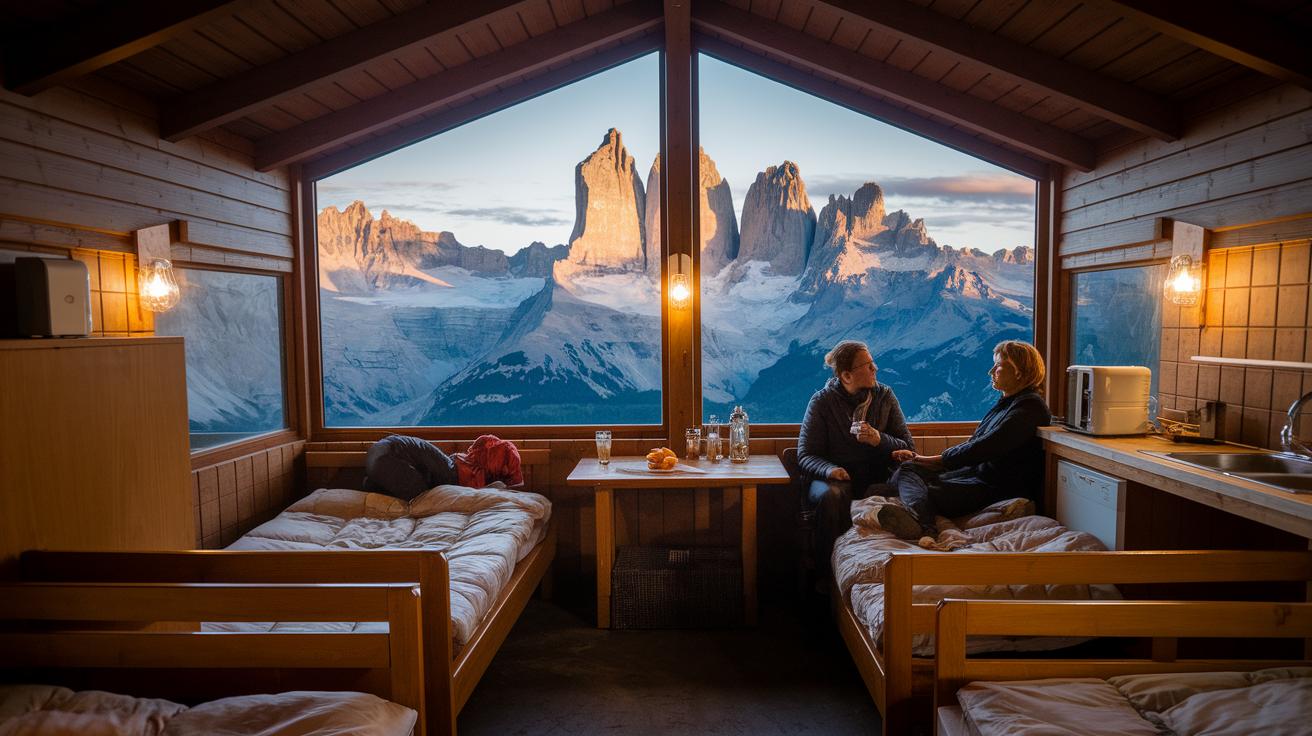
After a long day on the trail, you can relax at a cozy hut in Torres del Paine. Key stops include Paine Grande, Grey, Dickson, Los Cuernos, and Francés. Each hut offers roughly 40 to 100 bunks, a cooking kitchen, and a dining area where you can share a warm meal and stories with fellow hikers.
Every day, you’ll cover about 10 to 15 km. This distance lets you reach a new shelter without overtaxing your energy. It also gives you plenty of time to take in the views and adjust your pace if the weather or trail conditions change. Before you head out, check the hut-to-hut hiking logistics guide for detailed distances and booking timelines (visit https://hike2hut.com?p=260).
Bookings open six months in advance during peak times, so plan ahead. Keep in mind that some routes close for winter from late May to September. If you’re planning a winter trek, double-check to see which huts remain open.
- Book your hut early to avoid crowding.
- Keep a steady pace over 10–15 km each day.
- Confirm seasonal openings for each hut on your route.
Plan each day carefully so you wake up to a fresh view every morning.
Essential Gear & Packing Tips for Trekking Torres del Paine
When you prepare for Torres del Paine, packing wisely can make a big difference on your trek. In these high mountains, you need gear that is light yet strong. Most hikers aim for a pack that weighs about 12–15 kg (26–33 lbs) without food and water, so every item should work hard for you. A waterproof jacket and pants paired with synthetic layers for base, mid, and insulation help keep you dry and warm when the weather changes.
Your sleep setup matters, too. Many choose a 4-season tent, but refugio bunks (huts) work well if your sleeping bag is rated for around -5 °C. Waterproof trekking boots with a good grip and a pair of midweight socks per foot keep you comfortable on wet or rugged trails. Trek poles are a great help to ease the strain on your knees during long climbs and descents.
Small details count as well. Bring a headlamp with spare batteries and a portable charger to keep you safe when darkness comes fast. A spare phone battery can be a lifesaver in an emergency. Also, carry a water filter or purification tablets to ensure any local water is safe to drink.
Here’s a quick gear list for your adventure:
- Waterproof jacket & pants
- Insulated mid-layer
- Trekking boots & gaiters
- Sleeping bag (-5 °C)
- Trek poles
- Headlamp & batteries
- Water filter or purification tablets
- Quick-dry base layers
- First-aid kit
- Map & compass/GPS
By choosing each item with care, you can keep your pack light and be ready for Torres del Paine’s changing weather. This smart packing lets you focus on the incredible views and the rewarding journey ahead without a worry about missing essentials.
Safety & Environmental Guidelines for Trekking Torres del Paine
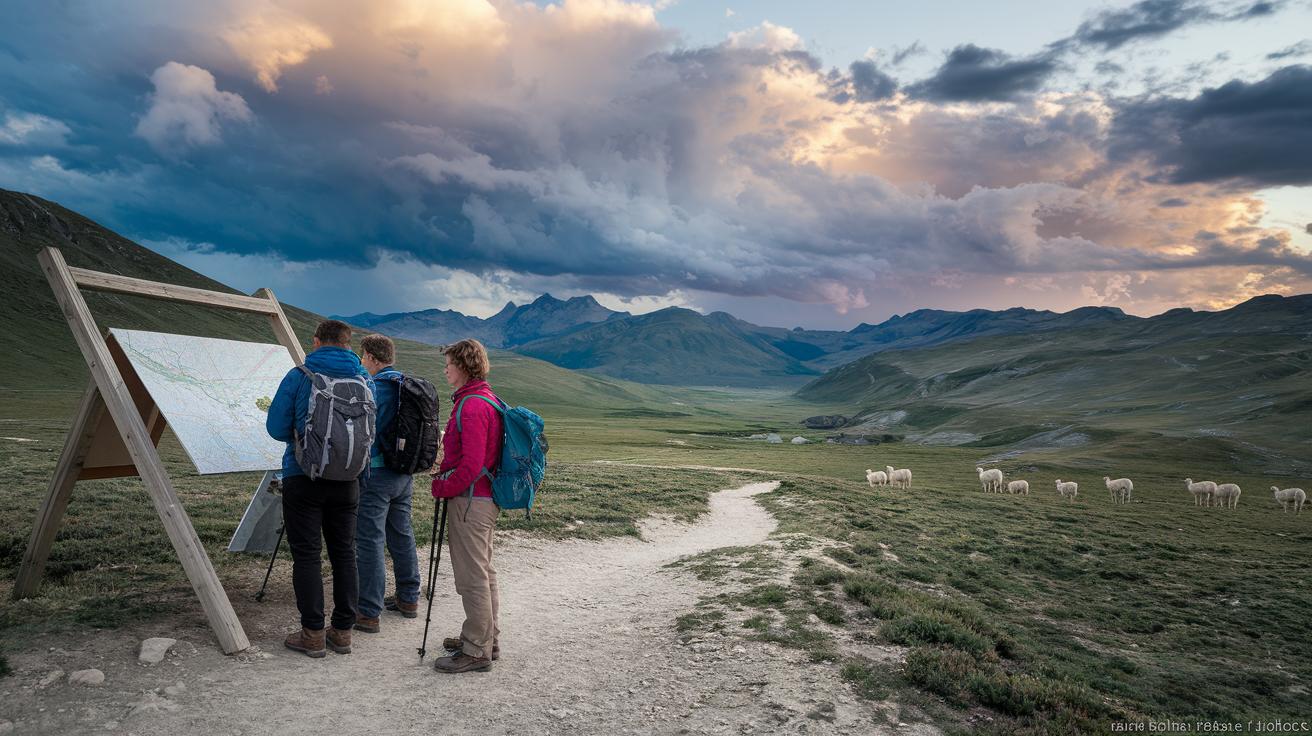
When you head into Torres del Paine, it pays to be prepared. The weather here can change fast. Always bring an emergency bivy (a lightweight shelter) or know where park emergency shelters are located. Wind can gust over 60 km/h (about 37 mph) and sudden storms might appear without warning. Check the weather each day before you start your hike.
Wildlife is usually shy, even though sightings of guanacos are rare. Stay a good distance away from them and never feed any animals. Follow leave-no-trace rules by packing out all your trash and using the designated toilets at refugios and campsites. This helps keep the area beautiful for everyone.
There is little cell service in the park, so plan for emergencies ahead of time. Know the risks of trekking here and let someone safe know your route. Keep these emergency contacts close by:
| Contact | Purpose | Phone |
|---|---|---|
| SERNATUR Office | Info & Emergencies | +56 61 241 2310 |
| Ranger Station | Trail & Rescue | +56 61 241 2300 |
| Emergency Shelter | Temporary Refuge | On-site signage |
Final Words
In the action, you’ve explored the main trails, weather choices, fee details, hut stops, gear musts, and safety advice. Each section shows you what to expect on your trek. We covered from the W Trek’s steady pace to the extra push of the O Circuit and Paine Circuit. With clear tips and practical planning, you’re all set for trekking in torres del paine. Enjoy every step, stay safe, and take in the breathtaking mountain views.
FAQ
What are the main trekking routes in Torres del Paine?
The main trekking routes include the W Trek, the O Circuit, and the Paine Circuit extension. These routes offer spectacular viewpoints and varied levels of challenge according to your fitness and time.
How do distances and durations compare for the W Trek and O Circuit?
The W Trek is about 70 km long and takes 4–5 days with roughly 1,200 m of ascent. The O Circuit stretches 130 km over 7–9 days, with strenuous climbs like the John Gardner Pass.
When is the best season to trek Torres del Paine?
The best season is December to February when days are longer and temperatures are milder. Fewer hikers and cooler weather come in October–November and March–April, though snow can increase risks.
What permits and park fees are needed for trekking Torres del Paine?
The park fee during peak months is CLP 21,000 (about USD 26) per person, with lower rates off-season. Overnight stays need reservations at campsites or refugios, which should be booked months ahead.
How do hut-to-hut trekking accommodations work in Torres del Paine?
Hut-to-hut trekking means staying at refugios like Paine Grande or Grey. Expect daily legs of 10–15 km, and remember that bookings for huts open 6 months ahead and offer shared kitchen and dining facilities.
What essential gear should I pack for trekking Torres del Paine?
Essential gear includes a waterproof jacket and pants, synthetic layers, sturdy trekking boots, a 0 °C-rated sleeping bag, and items like trekking poles and a headlamp for longer hikes.
What safety and environmental guidelines should I follow in Torres del Paine?
Follow personal safety measures by carrying an emergency bivy and using park emergency shelters as needed. Maintain a safe distance from wildlife and practice Leave No Trace principles by packaging out all waste.