


Ever thought about exploring paths less traveled? Wildland trekking turns a simple hike into a journey where every step reveals nature’s hidden stories. In this guide, we share routes that mix challenge and charm perfectly. You'll find straightforward tips from experienced trekkers and planning tools (like GPX files and topo maps) to help you pick a route that fits your pace and comfort level. Whether you're planning a family outing or heading out solo, we have ideas to keep your trip safe, fun, and unforgettable.
Planning and Customizing Your Wildland Trekking Routes
Start by visiting an easy-to-use online platform where you can explore more than 250 guided trips. Each itinerary tells you where you'll sleep, what meals are provided, the gear you’ll need, and a simple daily plan. You can narrow things down by trip style. For example, pick from backpacking, basecamp, porter-assisted, llama treks, inn stays, hut-to-hut routes, day hikes, or even ski and snowshoe outings.
Friendly search filters help you find the trekking guide that fits your style and comfort level. If you're planning a trip with the family, just use the family filter to see trips that work for everyone. Want a women-only adventure? A special filter makes it easy to choose trips where you'll be with like-minded hikers. There’s even a Guides’ Choice section that shows trips loved by local experts.
You can also read reviews from fellow trekkers to see tips on trail conditions and weather. Look for reviews that say things like, "The views were amazing and the trail was well-marked," or, "A great mix of challenge and charm." These honest insights help you plan and pack for your journey.
This planning system has been fine-tuned over 17 years with the help of a trusted trade association. It lets you choose a route that matches your skill and style. Detailed info on daily elevation gains, meal stops, and gear recommendations means you can get ready for every twist and turn of your trek.
Essential Gear and Packing Tips for Wildland Trekking

Before you hit wild trails, make sure every item in your pack earns its spot. Choose gear that works in more than one way. Think of a lightweight tent that doubles as your shelter and a solar charger that keeps your phone powered for those awesome nature photos. One hiker mentioned, "I dropped almost 2 kg by choosing gear that does double duty."
Here’s a quick list of must-haves:
- Ultralight tents and compact sleeping systems that keep you warm without weighing you down
- Sturdy hiking boots that support your feet on rocky paths during long days
- A reliable portable camp stove with easy ignition and low fuel use
- Solar gear to charge your gadgets in remote areas
- Layered clothing made with moisture-wicking fabrics, perfect for high-altitude weather
- Clothes sorted by each day’s forecast, with a lightweight jacket for extra warmth
Every itinerary gives clear details on what to pack for each day and the expected conditions. Check out the multi-day hiking packing checklist for tips on balancing comfort and efficiency.
Gear should work as hard as you do. Each item adds a layer of protection and comfort, making your journey as smooth as possible. For example, a good pair of hiking boots can turn a tough climb into a manageable day. Pack smart, save your energy, and get ready to enjoy the stunning trails ahead.
Trail Safety Guidelines and Wilderness First Aid for Wildland Trekking
Before you head out on a wild trek, make sure you pack a personal locator beacon and use a trusted GPS hiking app with offline maps. These tools will help you stay on the right path even when there's no phone signal. Check that the trail’s difficulty matches your fitness and experience, and let someone know where you plan to go and when you expect to be back.
Bring along a basic first-aid kit for cuts, scrapes, and altitude-related issues. Watch for signs of altitude sickness on long climbs, like a sudden headache or nausea. Slow your pace or descend if you notice these signs. In glacier areas, remember the crevasse rescue tips you learned in your pre-trip briefing.
Below is a quick list of recommended emergency gear:
- Personal locator beacon to call for help
- GPS hiking app with offline maps for guidance
- Compact first-aid kit for minor injuries
- Extra layers for sudden weather changes
- Emergency contact card with local rescue numbers
For more detailed tips and first-aid advice, check out the hiking safety section at the provided link. With these simple measures, you can enjoy exploring the wild trails while staying safe and prepared.
Top Wildland Trekking Destinations and National Park Trail Tours
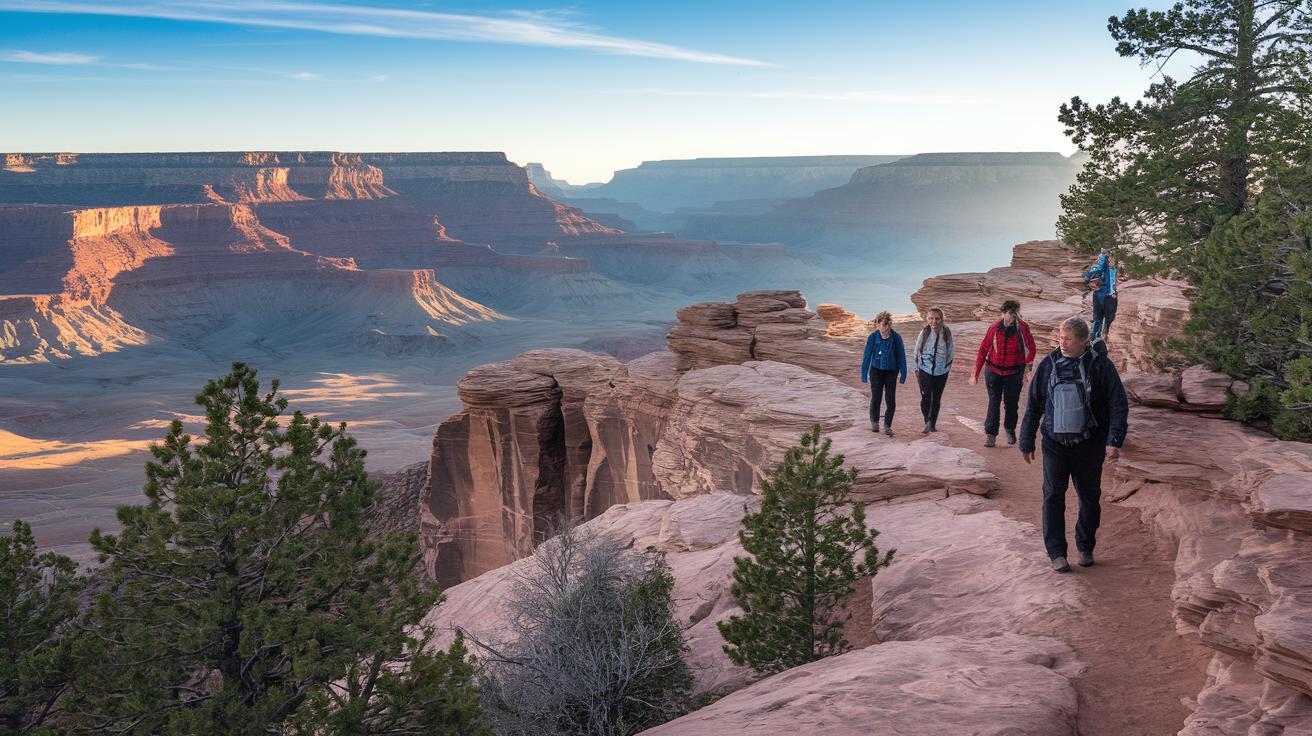
Wildland trekking lets you soak in sights from deep canyons to quiet alpine forests. Every trail pushes you a little and fills you with wonder. The Grand Canyon Rim-to-Rim trek is a favorite for its wide desert views and striking rock shapes. Hikers love it for the mix of tough climbs and the big feeling of achievement when you make it through. In Patagonia’s Torres del Paine, rugged paths twist through windy plains and towering peaks, offering unforgettable scenery.
In Europe, the Dolomites invite you on hut-to-hut hikes. These trails run through solid stone corridors and give you breathtaking views of steep, jagged peaks. You might spend anywhere from five to 14 days, with daily climbs of about 450 to 1500 m (1,500 to 5,000 ft). Each day blends challenging climbs with satisfying descents, where cool mountain air and changing light make every step count.
Over in Olympic National Park, the rainforest trails bring a whole new vibe. Green paths follow gentle streams and lead you through mossy groves under tall fir trees. In Alaska, Denali’s wild lands test you on remote trails that call for careful planning and a healthy respect for nature. And in New Zealand, the Milford Track offers rugged routes that capture the island’s wild heart with its mix of ecosystems and fast-changing weather.
These treks work best when the season fits the trail. Most routes shine from spring through fall, when the weather is kind and days are long. Whether you opt for a quick canyon hike or a longer mountain adventure, each journey challenges you and rewards you with nature at its finest.
Think of your trek like a well-oiled watch: every minute matters, and each step and gear piece adds to the rhythm of your adventure. Enjoy a trip where every new day brings a fresh marvel to discover.
Guided vs. Independent Wildland Trekking Itineraries
Guided treks let you explore beautiful, remote trails with expert help. A local leader takes care of your group's route (usually 6 to 12 people) and handles meals, transfers, and lodging so you can focus on the journey. This all-in-one service removes the hassle of planning. Many companies even adjust trips to suit different experience levels. Prices usually run from $1,200 to $4,500 a week, with early-booking discounts or promo codes sometimes available. One hiker said, "The guidance and support made each step feel secure, even on tougher sections."
If you prefer more freedom, an independent trek might be a better choice. These trips give you the chance to plan your own schedule and set your own pace. Local outfitters offer options such as hut-to-hut, basecamp, or loop treks. With this style, you decide when to stop and start while still having access to emergency contacts and handy tips from experts.
- Guided trips: Enjoy organized schedules, full support, and the comfort of shared experiences.
- Independent treks: Benefit from flexible planning, a pace you set, and the thrill of making your own decisions.
Both guided and self-guided trips offer their own unique rewards. Think about what matters most to you, whether you prefer the security of a planned itinerary or the freedom to explore on your own. Picking the right style will help make your wildland adventure as safe and fulfilling as you dream.
Final Words
In the action, this article mapped out your wildland trekking plan with clear route options, gear advice, and safety tips. We showed how to use online filters to narrow down your preferred trails and outlined smart packing lists so you travel light. You got a clear picture of staying safe while exploring iconic national parks and mountain retreats. With these tips, planning multi-day hut-to-hut hikes becomes more straightforward. Enjoy every step in the wild, confident and ready for the next mountain memory.
FAQ
What do wildland trekking reviews, reviews complaints, and Reddit comments say?
Wildland trekking reviews, reviews complaints, and Reddit posts highlight real experiences. They reflect detailed itineraries and quality service while noting occasional issues, helping you decide if the trips meet your expectations.
What packages does Wildland Trekking offer?
Wildland Trekking offers over 250 guided trips with options like backpacking, hut-to-hut, basecamp stays, and more. These packages cater to various trek styles, ensuring routes suit your preferences and fitness level.
What are Wildland Trekking jobs and how much do they pay?
Wildland Trekking jobs include guide and support roles with competitive wages. The pay varies by position and experience, making it a viable option for those interested in working in an outdoor setting.
Which destinations are featured, like Yellowstone, Yosemite, and Patagonia?
Wildland Trekking covers top spots such as Yellowstone, Yosemite, and Patagonia. Their itineraries provide different durations and challenges, allowing you to experience iconic trails and landscapes firsthand.
What is the Wildland Trekking address?
The Wildland Trekking address is best found on their official website. This ensures you get the most current contact details and office locations for accurate, up-to-date information.
How does Wildland Trekking compare to Backroads?
Wildland Trekking versus Backroads means comparing guided, hut-to-hut routes with more independent expedition styles. Wildland emphasizes detailed itineraries and direct support throughout your trek.
What is the difference between hiking and trekking?
The difference is that hiking refers to day walks on marked trails, while trekking spans multiple days with planned stops, accommodation, and more challenging routes, giving you deeper exposure to nature.
Is wildland trekking a good option?
Wildland trekking is a good option if you value expert guidance, detailed planning, and a safe, structured outdoor experience. It caters to varying fitness levels and enhances comfort on long treks.
How do I train for wildland trekking?
Training for wildland trekking involves building endurance with regular walks, strength exercises, and practice hikes on varied terrain. This preparation readies you for multiple-day trips and challenging routes.
What options exist for last minute hiking trips?
Last minute hiking trips are available through flexible booking options and carefully planned packages. These allow spontaneous trips while maintaining safety, quality equipment, and planned itineraries.
What are luxury hiking vacations and tours in the USA?
Luxury hiking vacations in the USA offer comfortable accommodations, high-end meals, and well-curated trek experiences. These tours blend adventure with refined service, making outdoor exploration a bit more indulgent.
What do hiking tour companies in Europe offer?
Hiking tour companies in Europe provide group treks, cultural insights, and varied landscapes. They offer professional support and different route options tailored to diverse fitness levels and interests.