


Ever think one trek could change your view of the world? In Ladakh, every step feels special. High peaks push you to your limits, and ever-changing weather makes each moment exciting while reminding you to stay cautious.
When you start out in Leh, the thinner air and higher elevation set the stage for your climbs. The trails here teach you to plan well and build real endurance.
Your next trek could be the push you need to reach new heights. Embrace the challenge and let Ladakh reveal its true magic.
2 trekking in ladakh: Thrilling Peaks Ahead
Planning a trek in Ladakh means getting ready for changing trails, shifting weather, and the challenges of high altitude. The best time to trek here is from mid-June to early September. During these months, high passes like Khardung La (5,359 m or 17,568 ft) open up early, giving you an exciting start. Daytime temperatures hover around 15–20°C (59–68°F), but nights can drop to 0–5°C. Pack layers and gear that work well in both warm and chilly weather.
Trek difficulty in Ladakh varies. For example, the Sham Valley circuit is easy to moderate and a gentler introduction. Then there are tougher routes like the Stok Kangri trek (6,153 m or 20,183 ft) that demand extra strength and endurance. Starting with a simpler trail lets you build confidence before trying a more challenging climb.
Acclimatization is key. Most treks start in Leh, which sits at 3,500 m (11,500 ft). We recommend spending at least two days in Leh to adjust to the altitude, much like warming up your car before a long drive. This pause helps reduce altitude sickness and keeps you safe.
Don’t forget your permits. The Inner Line Permit (ILP) is required for many trekking areas in Ladakh. Secure your permit before you begin and keep copies with you as you trek along remote paths.
Also, even a light monsoon can cause occasional roadside landslides. Always check the latest Leh weather forecast before and during your trip. With careful planning, honest prep, and proper acclimatization, you’re ready for the thrilling peaks that Ladakh has to offer.
Travel Logistics for Trekking in Ladakh: Getting to Leh & Around
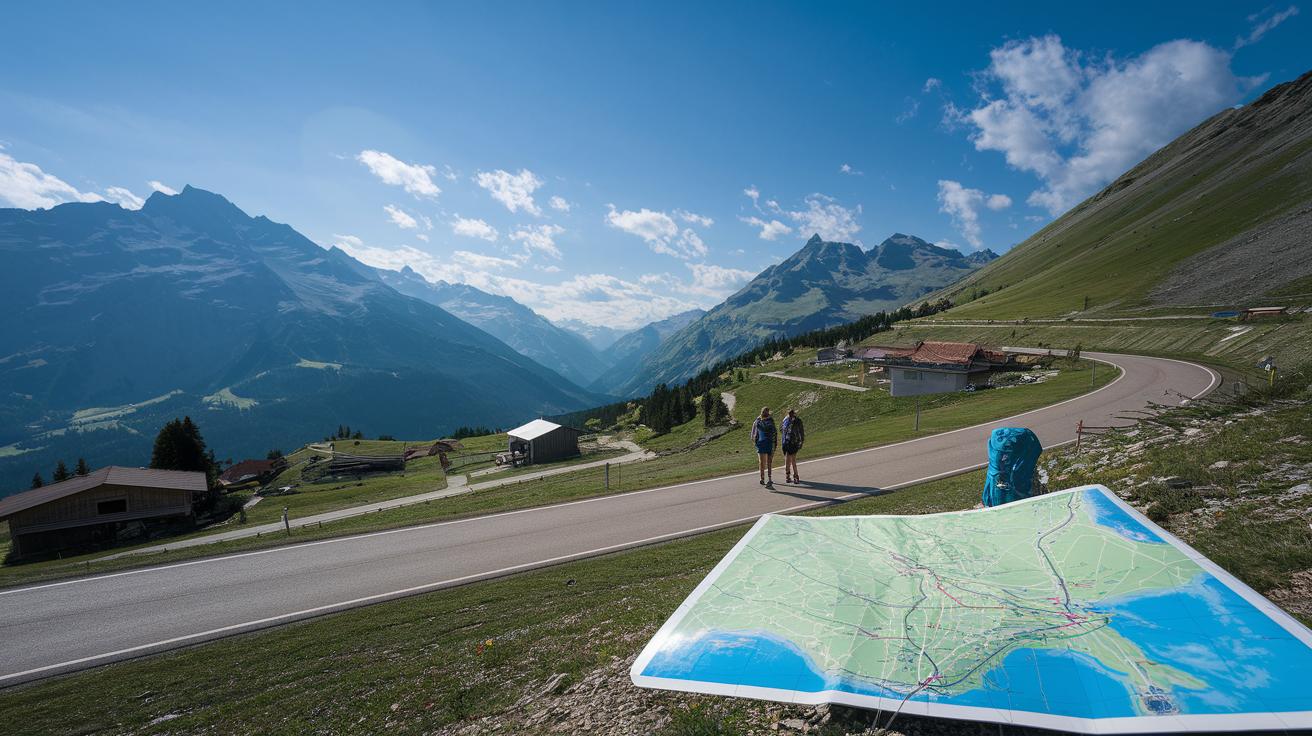
Getting to Leh is easy during trekking season, from June to September. Daily flights link Delhi to Leh. This is the fastest option. If you prefer the road, you have two main choices. The Srinagar-Leh highway (434 km) and the Manali-Leh road (490 km) both offer beautiful views. They usually take two days, with stops at places like Kishtwar or Sarchu.
In Leh, local travel is both flexible and budget-friendly. Shared jeeps cost around INR 700–1,500 and serve many starting points for treks. You can also hire a private ride for a more personal trip. Keep in mind that early monsoon, especially in July, may block some roads. It is smart to book your flights and transfers in advance to avoid delays.
Working with a trusted trek organizer in Leh can really boost your peace of mind. Look for providers with good reviews and clear pricing. That way, they can handle the small details while you focus on getting ready for your hike. Choose punctual, experienced local operators to ensure your journey from city to trail goes smoothly.
Permit Requirements for Trekking in Ladakh
Trekking in Ladakh isn’t complete without the proper permits. Most trails need an Inner Line Permit (ILP) for areas like Leh, Kargil, and Nubra. Indian citizens get this permit for free, while foreign visitors pay INR 400 for a 7-day permit. You can extend it up to 21 days at the DC Office in Leh. It’s best to sort this out early as permits can take a few days to process.
If you plan to trek into the restricted Zanskar region, you’ll also need a Protected Area Permit (PAP) that costs around INR 600. You can get this permit at the Leh DC office or through approved travel agents online. Always carry both the original permit and a photocopy with you on the trail.
Plan your permit arrangements well ahead of your trip. Having the right documents helps avoid delays and fines during unexpected checks. Double-check application deadlines and processing times with your travel agent or directly at the DC office. A printed copy safely tucked in your pack can save you a lot of hassle during your trek.
Trekking in Ladakh: Top Routes and Sample Itineraries
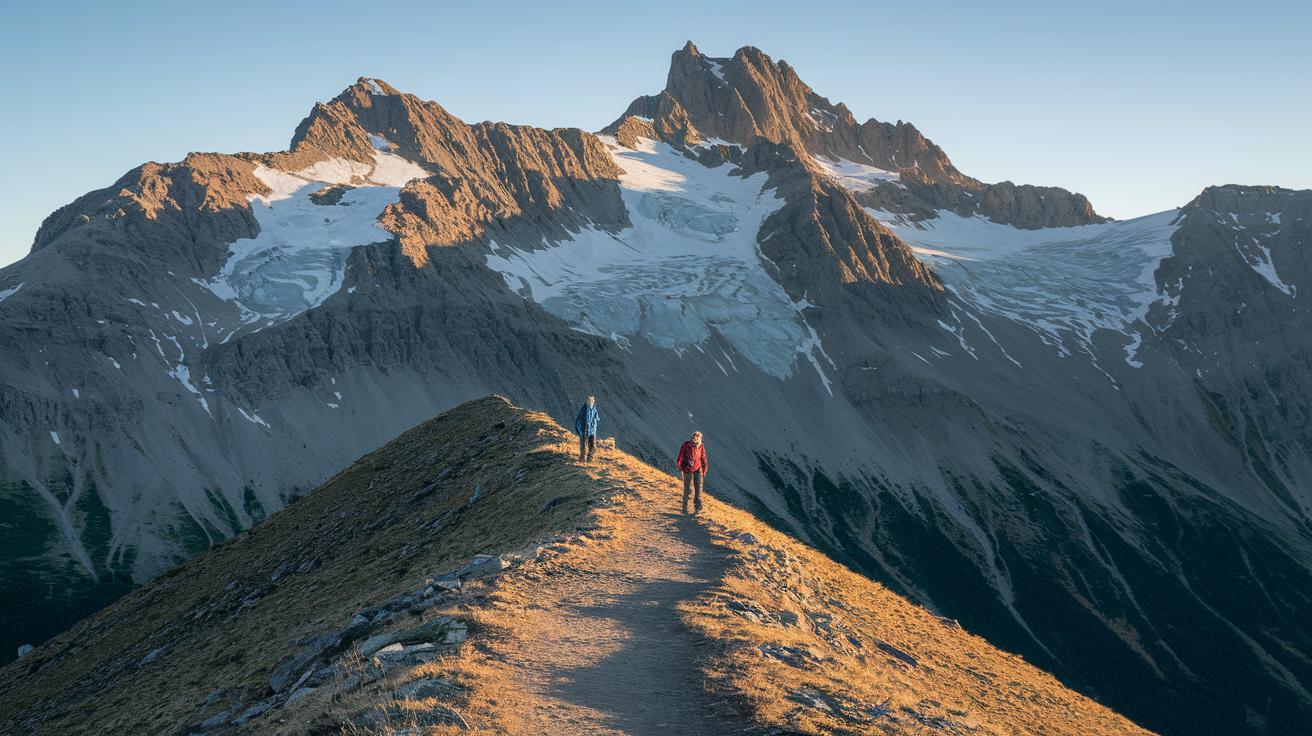
Markha Valley is an 8-day trek covering about 65 km. It offers a mix of stunning scenery and physical challenge. The trail climbs to 5,350 m and is best suited for hikers with moderate to high fitness. Think of it as 10 km stretches of changing terrain where every step unveils a new view.
The Chadar Trek is a true test even for seasoned adventurers. Over 12 days, you’ll cover 62 km along the frozen Zanskar River. This route is for experts only. Many say gliding over frozen river paths feels both surreal and demanding.
Stok Kangri Base Camp is a brisk 5-day trek that promises a quick mountain burst. Covering 30 km with a high point of 5,150 m, it challenges your strength and endurance. A rapid climb suddenly opens up to breathtaking panoramas that make every step worth it.
The Sham Valley Day Circuit is great if you’re after a shorter outing. It follows a 35 km loop with an 800 m gain. This easier route still captures the rugged charm of Ladakh. It’s a full day of gentle climbs and lovely views that leave you refreshed.
| Route | Duration | Distance | High Pass | Difficulty |
|---|---|---|---|---|
| Markha Valley | 8 days | 65 km | 5,350 m | Moderate–Strenuous |
| Chadar Trek | 12 days | 62 km | N/A | Expert |
| Stok Kangri Base Camp | 5 days | 30 km | 5,150 m | Challenging |
| Sham Valley Day Circuit | 1 day | 35 km | N/A | Easy–Moderate |
For a taste of local culture, try the Lamayuru–Alchi trek. This 4-day route covers 45 km and blends moderate hiking with memorable cultural highlights.
Essential Gear & Packing Tips for Trekking in Ladakh
When exploring Ladakh, having the right gear is more than smart, it’s a must. Proper equipment keeps you warm, safe, and ready for sudden weather hikes and high-altitude challenges. Out here, the right clothes and tools transform your trip. A layered clothing system helps you adjust from chilly mornings to bright afternoons. Sturdy boots and a quality sleeping bag keep your feet firm and your body warm when temperatures drop. Trekking poles offer extra support and ease tired legs on those longer days.
A headlamp, sunglasses, and high-SPF sunscreen shield you from the strong mountain light and UV rays. Health and safety items like water purifier tablets, a portable pulse oximeter (for checking your oxygen levels), and a compact power bank ensure you stay connected in case of emergencies. Being well-prepared boosts your confidence on steep ascents and rocky trails.
Below is a quick checklist of 10 must-have items for your trek:
- Layered clothing (thermal base layers, an insulated down jacket, and a waterproof shell)
- Mountaineering boots built for rocky paths and snow
- A sleeping bag rated for -10°C
- Trekking poles
- Headlamp
- Sunglasses (UV400)
- Sunscreen SPF 50+
- Power bank with spare batteries
- Basic first-aid kit with Diamox (250 mg)
- Portable pulse oximeter
Pack these items carefully, you’ll notice the difference in your comfort and safety on the trail.
Trekking in Ladakh Accommodation: Campsites & Homestays
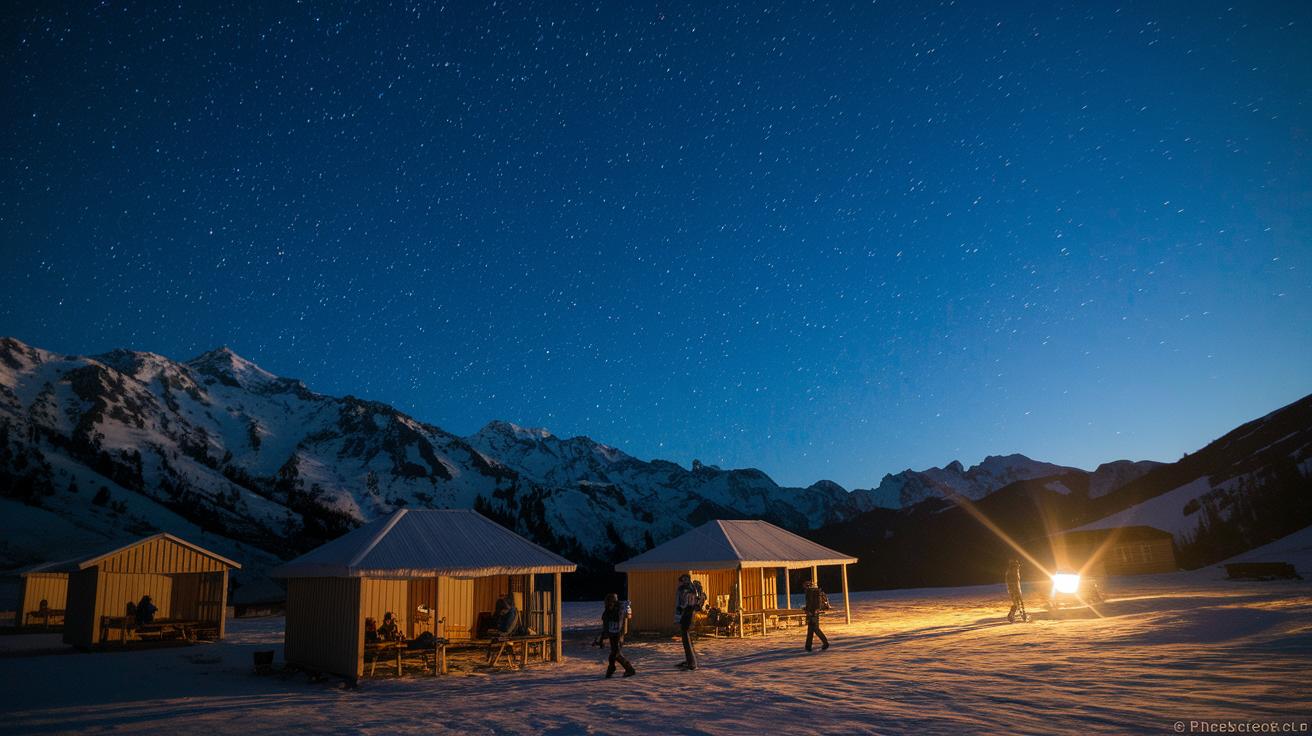
At campsites in Skiu, Markha, and Nyerak (Chadar), you can enjoy a true mountain stay with a night fee of about INR 200 to 400. These spots offer basic open shelters where you can gaze at clear night skies and breathe in the crisp mountain air. They are great if you prefer a simple, nature-rich experience.
Along the Lamayuru–Alchi route, basic teahouses provide a cozy break. They often feature a wood stove and may offer a hot drink to warm you up after a long day. The facilities are simple, but they give you a much-needed pause from the elements.
Village homestays in Hankar and Yurutse give you a genuine taste of local life. Here, simple meals cost around INR 300 to 500. Always ask ahead if bedding is included; if not, bring your own sleeping bag as a safe bet.
In Leh bazaar, you’ll also find equipment rentals and booking services, which makes it easier to lock in your accommodations before setting off on your trek.
Guided vs Self-Guided Trekking in Ladakh
Guided trekking trips in Ladakh typically last 7 to 10 days with a steady support team by your side. These trips usually run between INR 15,000 and 40,000 and include permits, meals, a cook, a guide, and even pack animals. It’s like having a local friend take care of the details while you breathe in the clear mountain air.
Self-guided treks cost around INR 5,000 to 10,000, with extra fees for gear and permits. You’ll need to be comfortable with maps (navigational skills) and arrange your own campsites in advance. This option is perfect for hikers who like a more independent pace and wish to manage their budget.
For a touch of extra comfort, you can choose a luxury option that offers tented camps and hot showers for an added fee. Budget group treks often bring together 6 to 8 people, offering a close-knit feel without the full cost of a guided tour. Every option has its benefits and drawbacks, so you can mix your skills with your comfort needs to have a fantastic trek in Ladakh.
Trekking in Ladakh Safety & Acclimatization Tips
Before you head out on tougher trails, spend two days in Leh (3,500 m) to get used to the altitude. Try to keep your daily climb to around 300 m. Even a small increase like this can help you avoid altitude sickness.
Drink plenty of water, about 3 to 4 liters each day. This helps your body adjust. Watch for signs of altitude sickness such as headaches, nausea, or dizziness. If these show up, slow down, rest, and let your body adapt.
A handy tip: if your doctor recommends it, carry Diamox (250 mg twice daily) to ease symptoms. And skip alcohol during your first few days as it can make you feel worse.
Keep emergency numbers close by. The local emergency helpline is 112. In remote areas of the Zanskar region, a satellite phone can really come in handy. Taking these steps will let you enjoy the stunning views safely in Ladakh.
Cultural Highlights on Trekking in Ladakh Routes
As you hike in Ladakh, you'll find amazing cultural treasures along every step. In the Markha Valley, a stop at Hemis Monastery lets you dive into Buddhist traditions with inspiring murals and a peaceful atmosphere. Imagine a quiet temple where ancient chants gently fill the air.
Keep your eyes open on the trail. At Thiksey Gompa, a towering 15 m Buddha statue watches over serene prayer halls and busy prayer wheels. Then in Diskit in the Nubra valley, a panoramic view unfolds that feels almost out of this world. One minute you're on a rugged path, and the next, the landscape reminds you why you love the mountains.
Local food plays a big role too. A warm cup of salted butter tea soothes chilly evenings, while a bowl of tsampa (roasted barley) helps power you through steep climbs. And if you're in the mood for something sweet, apricot oil sweets offer a burst of local flavor that lingers long after the bite.
Near Lamayuru, the area known as Moonland treats you to lunar-like rock formations. Picture yourself walking among these striking shapes, imagining the old trade caravans that once passed by. Sometimes, local festivals line up with your trek, filling the air with traditional dance and music that brings Ladakh to life.
Final Words
In the action, planning your trek involves mapping routes, sorting permits, and checking travel details. The post outlined travel logistics to Leh, permit basics, top trekking itineraries, and gear must-haves. It also covered self-guided versus guided options, safety tips, and cultural highlights along the way. All these elements help boost your confidence for trekking in Ladakh. Enjoy the crisp mountain air, local hospitality, and meaningful moments on your trip.
FAQ
Frequently Asked Questions
What should US trekkers know about trekking in Ladakh?
Trekking in Ladakh from the USA means planning well. Most visitors fly into Leh during mid-June to early September and must arrange permits, acclimatization, and proper gear for safe high-altitude travel.
What options are available for short treks and one-day treks in Ladakh?
Short treks in Ladakh include easy circuits like the Sham Valley day loop and one-day treks in Leh. They offer a glimpse of the region’s stunning landscapes without long, strenuous itineraries.
What are the best trekking routes and itineraries in Ladakh?
Best trekking routes in Ladakh include classic treks such as the Markha Valley, Stok Kangri base trek, and others like Hemis National Park circuits. These routes vary in duration and difficulty to suit different fitness levels.
What trekking companies and packages are available in Ladakh?
Trekking companies offer packages in Ladakh that cover permits, accommodation, and guide support. Packages vary from budget self-guided options to full-service guided trips with leaders and local support.
What are the trekking options for exploring both Ladakh and Zanskar?
Combined treks in Ladakh and Zanskar let you explore frozen river paths like the Chadar Trek. They are recommended for experienced trekkers with good acclimatization due to long distances and rough terrain.
When is the best time or month for trekking in Ladakh?
The best time for trekking in Ladakh is from mid-June to early September. This season offers milder weather and accessible passes while reducing risks from sudden weather changes.
Is Ladakh a good trekking destination and how does it compare to Spiti?
Ladakh is a popular trekking destination with high-altitude passes, clear trails, and cultural experiences. Compared to Spiti, Ladakh offers a more developed infrastructure for trekkers and easier access to guides and permits.
What are some popular trekking routes in Ladakh like Markha, Stok Kangri, Hemis National Park, Tso Moriri, Nubra Valley, and Kashmir Great Lakes Trek?
Popular routes such as the Markha Valley, Stok Kangri trek, and circuits around Hemis National Park, Tso Moriri, Nubra Valley, and the Kashmir Great Lakes Trek are well-known for diverse scenery, varying difficulties, and memorable mountain experiences.