


Have you ever wondered why many hikers choose hut-to-hut trips instead of camping? Imagine trading a heavy backpack and outdoor cooking for a warm meal and a cozy bed each night. With hut-to-hut hiking, you spend less time planning and more time soaking in the mountain views.
A little route research, early hut bookings, and smart gear choices go a long way. This lets each day end in comfort while you discover new side trails and hidden spots in the mountains. With a lighter load and a clear plan, you can enjoy every step of the journey with a light heart and a steady stride.
Key Stages in Hut-to-Hut Trip Planning
A hut-to-hut trip means spending several days hiking and sleeping in mountain huts. Some huts are simple with a mattress and an outdoor toilet. Others are full service with meals, bedding, and even washrooms. With food and shelter provided, you carry less weight and can focus on the trail and the view. Imagine swapping cooking and camping for a warm meal and a cozy bed each night.
Hut-to-hut hiking blends comfort with adventure. Whether you’re planning a short 3–6 day trip as a beginner or a longer 10+ day journey as an experienced hiker, you’ll find a mix of convenience and local charm. You might chat with friendly hut owners, sample regional dishes, and wake up to a simple buffet breakfast that fuels your day. Changing huts each night lets you enjoy different parts of the landscape without dragging heavy gear from one campsite to another.
- Itinerary design
- Route research
- Hut reservations
- Gear preparation
- Safety planning
- Contingency planning
Each step is important for a smooth trip. Itinerary design helps you determine how many days you’ll hike and where you’ll stay. Route research means looking at maps and reviews from fellow hikers to pick a path that suits your pace and interests. Hut reservations can be a challenge, especially in popular areas or during peak times, so it’s best to book early. Gear preparation is about choosing a 30–40 L backpack and packing only what you need for safe and comfortable travel. Safety planning covers how to handle sudden weather and high mountain conditions. Contingency planning gives you a backup plan if things don’t go as expected. Together, these steps set you up for a clear, stress-free adventure that lets you enjoy every scenic moment.
Selecting Hut-to-Hut Routes and Itinerary Blueprints

Iconic Alpine Circuits
If you're dreaming of classic mountain adventures, consider Italy's Alta Via 1 & 2. These trails take about 7 to 12 days and cover roughly 120 km. They mix moderate and tougher sections. The best time to try them is from July until mid-September. Another favorite is the Tour du Mont Blanc. Over 9 to 11 days, you cross France, Italy, and Switzerland, covering around 170 km on mostly moderate terrain. For a real challenge, the GR20 in Corsica offers 15 days and about 180 km of demanding paths. You’ll need to book your spots in the refuges ahead of time. Imagine stepping onto these rugged tracks early in the season and ending each day in a warm, welcoming hut.
New Zealand Great Walks
New Zealand is full of amazing trails. The Routeburn Track, lasting 3 days over 32 km, is a great pick. Lake Waikaremoana is another, taking 3 to 4 days to cover 46 km. And there’s the Abel Tasman Coast, which you can do in 3 to 5 days over 60 km. These trails work best during the season when the huts open from late October through April. Picture crossing from a sunny seaside path to a quiet, forested lakeside walk under clear skies.
Emerging International Paths
For those looking for something a little different, explore routes in Nepal and Kyrgyzstan. Nepal’s teahouse treks and Kyrgyzstan’s Tian Shan routes mix beautiful scenery with local culture. These trips usually need a flexible plan. They’re perfect if you want to blend mountain hiking with a taste of local life. If you're curious about cultural stops, the teahouses in Nepal add a unique flavor to your journey.
| Route | Region | Duration (days) | Distance (km) |
|---|---|---|---|
| Alta Via 1 & 2 | Italy | 7–12 | 120 |
| Tour du Mont Blanc | France/Italy/Switzerland | 9–11 | 170 |
| GR20 | Corsica | 15 | 180 |
| Routeburn Track | New Zealand | 3 | 32 |
| Lake Waikaremoana | New Zealand | 3–4 | 46 |
Mountain Hut Accommodation and Booking Tips
Booking your alpine hut stay well in advance is key to a smooth trip in the mountains. Most huts need to be reserved 6–9 months ahead, so plan early. In New Zealand, the 10 Great Walks huts open for bookings online in late May each year. For many European refuges, you can book by email, phone, or through individual hut websites. Many of these huts take cash only, so always have some local currency ready. While some New Zealand huts now accept credit cards, it’s wise to be prepared if you explore other regions.
Reserving early gives you time to pick huts with the amenities you want. You might find dry rooms with boot racks, a hot dinner costing around $25–50, breakfast for about $10–20, or even a packed lunch for $5–10.
There are several ways to secure your booking:
- Direct booking via the hut’s own website or email
- Using a centralized system on resort websites
- Calling or emailing the specific hut or local contact
- Hiring a third-party agent who handles backcountry lodging
- Joining guided group tours that manage booking details
Cancellation rules vary by hut and region. Some places offer free cancellation if you change early, while others may charge a fee. If your plans might change, ask about flexible booking options. Booking ahead helps you avoid last-minute stress and lets you focus on enjoying the beautiful mountain routes and the comfort of a well-run hut.
Essential Gear and Packing Strategies for Hut-to-Hut Treks
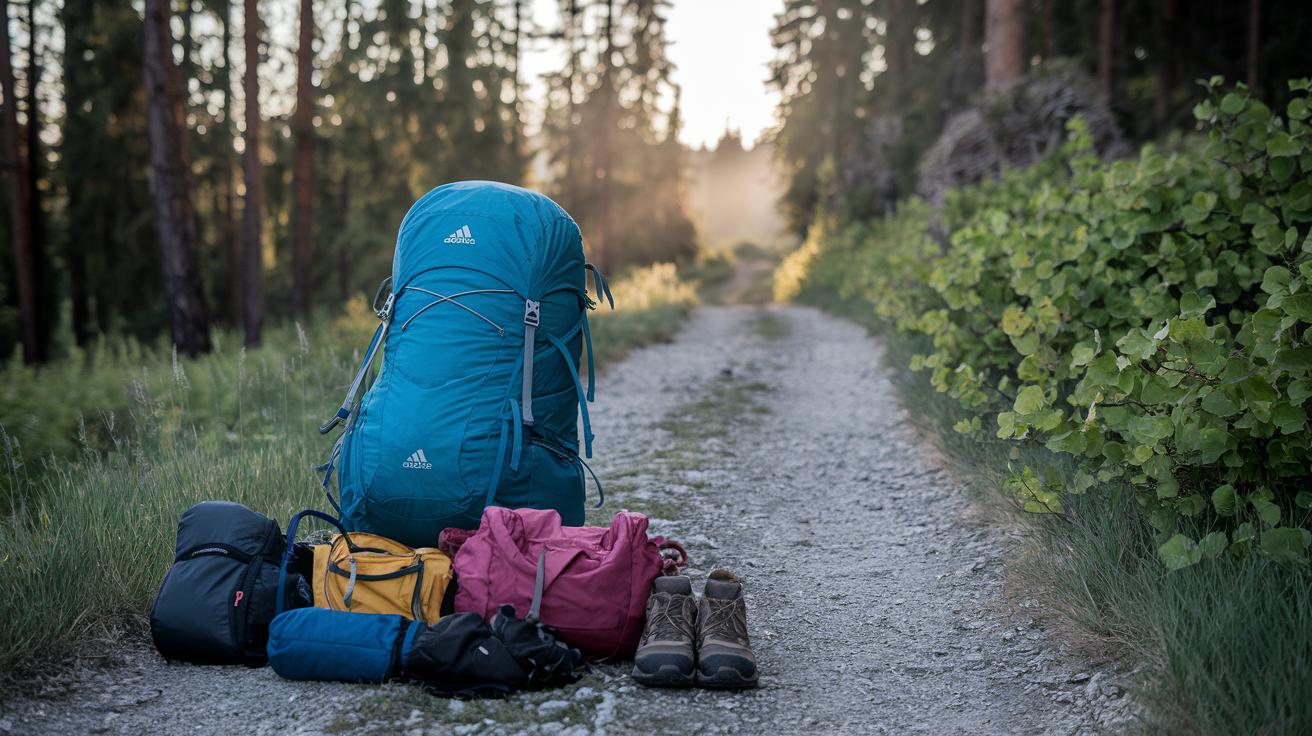
Traveling light means more time enjoying the trail and soaking in the views. With fewer items in your pack, you get to focus on the beauty around you and have energy for those scenic pauses between huts.
- 30–40 L backpack to carry your must-haves.
- Waterproof shell and warm mid-layer (a light jacket for extra warmth) to stay dry.
- Trekking poles to keep you steady on bumpy trails.
- Headlamp for early morning tasks or when dusk arrives unexpectedly.
- Map/GPS (plus a printed copy) to guide your way.
- First-aid kit for treating small scrapes or bumps.
- Sleeping bag liner to add comfort in huts with simple bedding.
- Indoor footwear (flip-flops) so you can relax after a long hike.
Packing smart with light and versatile gear makes a big difference. Try using compression bags or packing cubes. These help shrink your clothing into neat, organized spots. That way, you save space and can easily find what you need during a quick break. With every item in its own place, packing and unpacking become simple. This means a lighter load and a readiness for sudden weather shifts or route changes.
Safety and Emergency Planning in Hut-to-Hut Trip Planning
Mobile signals can drop out in the mountains. That’s why it’s smart to bring a Personal Locator Beacon (PLB) or satellite messenger. They send your location when there’s no cell service. Also, use weather apps that give daily forecasts and updates from local hut wardens. These tools keep you informed both before and during your trip.
High altitudes add extra risks. Try to limit your climb to about 300–500 m (or 1,000–1,600 ft) in elevation gain when you sleep. Taking planned rest days helps your body adjust. Always note down emergency contacts, like hut phone numbers and local mountain rescue details. With this info and constant weather updates, you can make better choices during sudden changes.
If you run into trouble, follow these steps:
- Tell the hut warden immediately if something feels off.
- Activate your PLB or satellite messenger.
- Stick to the marked evacuation routes on the trail.
- Give first-aid to any minor injuries or early signs of altitude sickness.
- Call rescue services with your exact location and condition.
Group safety is key in tough terrain. Stay together and share weather updates with each other. Before you head out, review the route and agree on a spot to take a break. Check in on everyone’s condition and adjust your pace or climb if needed. This teamwork makes it easier to spot signs of fatigue and quickly follow the emergency plan when required.
Budgeting and Meal Planning for Hut-to-Hut Expeditions

When you plan a hut-to-hut trip, expect dinner prices between $25 and $50 and breakfast between $10 and $20. A packed lunch will usually cost around $5 to $10, and a bunk for the night comes in at about $30 to $60. Most huts serve a full dinner and a buffet breakfast so you don't need to lug extra food on the trail. In peak season, meals and lodging can be 10–15% more expensive.
| Item | Cost Range |
|---|---|
| Dinner | $25–50 |
| Breakfast | $10–20 |
| Packed Lunch | $5–10 |
| Bunk | $30–60 |
Traveling in off-peak times can help you save money. Sharing meals with other hikers is another great way to keep your costs low. Adjust your plans to include budget-friendly options so you can enjoy a warm meal and a good night’s sleep after a long day on the trail.
Seasonal and Regional Adjustments in Hut-to-Hut Trip Planning
Alpine huts open from July 1 to September 15, when snow is scarce and trails are clear. In New Zealand, huts welcome visitors from November 1 to April 30, though heavy rain in December and January can slow your pace. Winter trips in many areas call for extra care. You may need avalanche gear (safety equipment for snow) and special route permits, and you might stay in winter huts built for cold weather. In places like the High Tatras and parts of Nepal, hut openings are shorter and sometimes require extra local permits.
- Gear swaps: Change to warmer or lighter clothing as the temperature shifts.
- Snow-route checks: Look over trail conditions for any lingering snow.
- Monitoring passes: Keep an eye on mountain passes for delays from ice or snow.
- Off-peak discounts: Enjoy lower rates when you travel outside the busy season.
- Respect conservation rules: Follow local guidelines to protect delicate mountain areas.
Local hut wardens offer the best updates on seasonal changes and trail conditions. It’s wise to check with them before you set out. Their recent insights can help you adjust your gear and plans, making sure your trip stays safe and enjoyable as the seasons change.
Final Words
In the action of hut-to-hut trip planning, we broke down each step to keep your trek smooth and secure. The guide covered route research, booking procedures, essential gear, and safety measures, all in clear, simple language.
Every stage, from budgeting to confirmation of night stops, builds a stress-free experience. Your preparation turns logistical details into simple tasks, leaving more time to enjoy the mountain stays and local hospitality. Happy trails as you set off on your next hut-to-hut trip planning adventure.
FAQ
How do hut-to-hut trip planning discussions on Reddit support hikers?
Hut-to-hut trip planning discussions on Reddit offer real advice, route insights, and personal experiences, which help you design a safe and enjoyable trek.
How is hut-to-hut hiking organized in the USA?
Hut-to-hut hiking in the USA follows set paths with scheduled stops in mountain shelters, letting you travel lighter with reliable nightly lodging along the way.
How does hut-to-hut hiking work for beginners?
Hut-to-hut hiking for beginners features shorter routes, easy-to-use trails, and simple refuges that build your confidence and provide clear guidance through each step.
How does hut-to-hut hiking in South America differ from other regions?
Hut-to-hut hiking in South America combines dramatic scenery with local hospitality, offering a mix of traditional shelter experiences and cultural immersion along varied routes.
What defines luxury hut-to-hut hiking?
Luxury hut-to-hut hiking mixes top-notch lodges with quality meals, comfortable bedding, and refined amenities while still allowing you to explore high mountain trails.
How is Patagonia hut-to-hut hiking unique?
Patagonia hut-to-hut hiking presents rugged trails, striking mountain views, and dependable refuges that let you experience the wild spirit of the region in a structured way.
What are common features of hut-to-hut hikes?
Hut-to-hut hikes usually connect mountain shelters set along scenic trails, ensuring lighter packs, local flavor, and organized nightly stops on multi-day treks.
How can I plan a 5-day hut-to-hut hike in the Dolomites?
A 5-day hut-to-hut hike in the Dolomites involves careful itinerary planning, advance reservations, and segmenting the route to cover scenic trails in manageable daily steps.
What are Francie’s Cabin and Broome Hut known for on these hikes?
Francie’s Cabin and Broome Hut are known for their unique local charm and reliable lodging, providing a comfortable and memorable rest stop during your trek.
How does the 10th Mountain Division Hut Association support hut-to-hut planning?
The 10th Mountain Division Hut Association helps by maintaining reliable mountain shelters and booking systems, ensuring you have safe and structured accommodations along the trail.
What amenities can I expect at McNamara Hut, Harry Gates Hut, and Point Breeze Cabin?
At McNamara Hut, Harry Gates Hut, and Point Breeze Cabin, you can expect basic yet practical amenities such as bunking, simple meals, and a warm, local touch to complete your mountain experience.