


Have you ever wondered if planning your own hut trip can be simple? With a self-guided journey, you set the pace and choose your route. Every new day feels like a fresh start. In our guide, we share clear, practical tips to help you have a safe and fun adventure. We cover everything from picking the best season to finding good hut details and a reliable hiking buddy. With a solid plan, you’ll enjoy a route that feels comfortable, safe, and full of local charm. Let's get ready to explore those bright, scenic paths together.
Planning Essentials for Your Self-Guided Hut Trip
Begin with the basics. If you're new to hut trips, try a journey of five days or less. It's best to have a hiking partner. Sharing the load helps with tasks and safety. Check the 10th Mountain Division Huts website for details. You can see each hut's distance, bed count, and shared amenities. For example, you might find a hut 10 miles away with 20 beds and a shared kitchen.
Plan your trip with the season in mind. Warm or shoulder seasons usually mean fewer people and better hut rates. Mid-September is a great choice because the trails are quieter and mornings feel fresher. This timing also lessens the chance of sudden cold weather or crowded routes.
Remember these key steps:
- Keep your trip to five days or less.
- Bring at least one hiking partner.
- Review hut details and route distances on trusted websites.
- Choose a time during warm months or the shoulder season.
- Check weather updates and local news before you head out.
This solid plan gives you clear steps: a set trip length, a trusted partner, and reliable hut info. Keep your important documents and emergency contacts handy so you enjoy a safe and comfortable adventure.
Building a Self-Guided Hut Trip Itinerary Framework
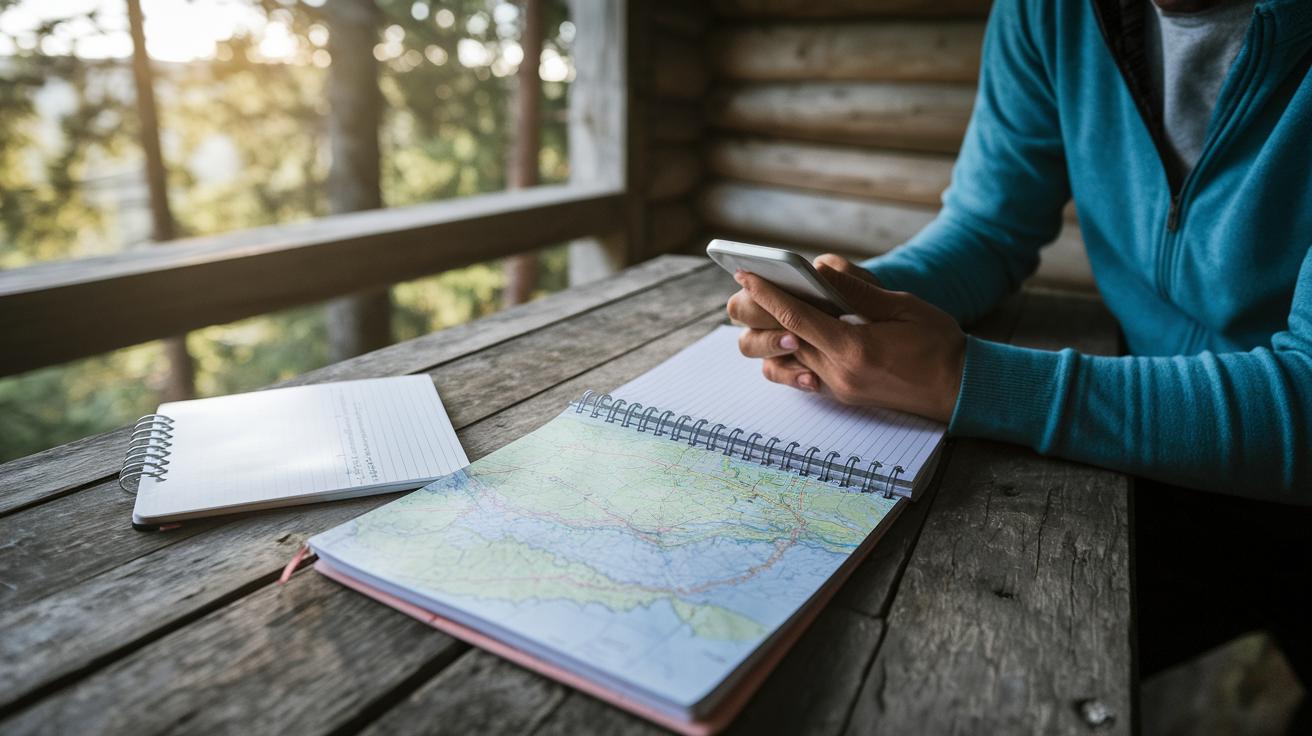
Start your hut trip by picking a planning method that suits you. You can design your own route using maps and trail details, follow a trusted online guide, hire a trip planner, or join a group excursion. Each way has its own perks. For example, creating your own route lets you decide your daily distances and climbs, kind of like writing chapters in your own adventure.
Here’s a simple three-day plan from Hocking Hills, Ohio:
- Day 1: Hike about 10 km (6 miles) with a steady climb to warm up and enjoy the local views.
- Day 2: Trek roughly 8 km (5 miles) with a few extra climbs to boost endurance.
- Day 3: Walk around 6 km (4 miles) for a relaxed finish that ends in a gentle descent.
This plan gives you a clear framework to sketch out your trip day by day. Adjust the distances and elevation as needed to match your pace, and be sure to leave time for rest and spontaneous stops.
For a fun twist, consider pairing your hut stay with a visit to a ski resort. For instance, a stop at Wolf Creek Ski Resort mixes comfy lodging with a dash of outdoor challenge. It’s a way to enjoy both steady shelter and a varied, scenic route.
Self-Guided Hut Trip Lodging: Selecting and Booking Huts
When you're planning a self-guided hut trip, expect a warm, hostel-like atmosphere. Most huts have shared dorms, communal baths, and a friendly kitchen where you can enjoy buffet-style breakfasts and multi-course dinners. Some even offer a packed lunch so you can spend more time on the trail.
In popular areas like the Italian Dolomites, the Swiss, Austrian and French Alps, Scotland’s Highland Way, Norway’s Fjord Country, and New Zealand Great Walks, huts work on a first-come basis. This means it's smart to book weeks or even months in advance to secure your spot for the season you plan to travel.
You might also have the option to upgrade to a private room at an extra cost. Shared rooms let you meet fellow trekkers and swap stories, while a private room offers a bit more peace and quiet after a long day of hiking.
Keep these tips in mind when booking:
- Check the number of beds and meal services to see if they match your needs.
- Confirm booking deadlines and any advance payment requirements.
- Make sure the hut’s location fits well with your planned route changes.
- Weigh the benefits of a social environment against the comfort of personal space.
Taking the time to plan and compare your options will help you find the perfect mix of comfort and mountain authenticity on your self-guided hut trip.
Gear and Safety Planning for Self-Guided Hut Trips
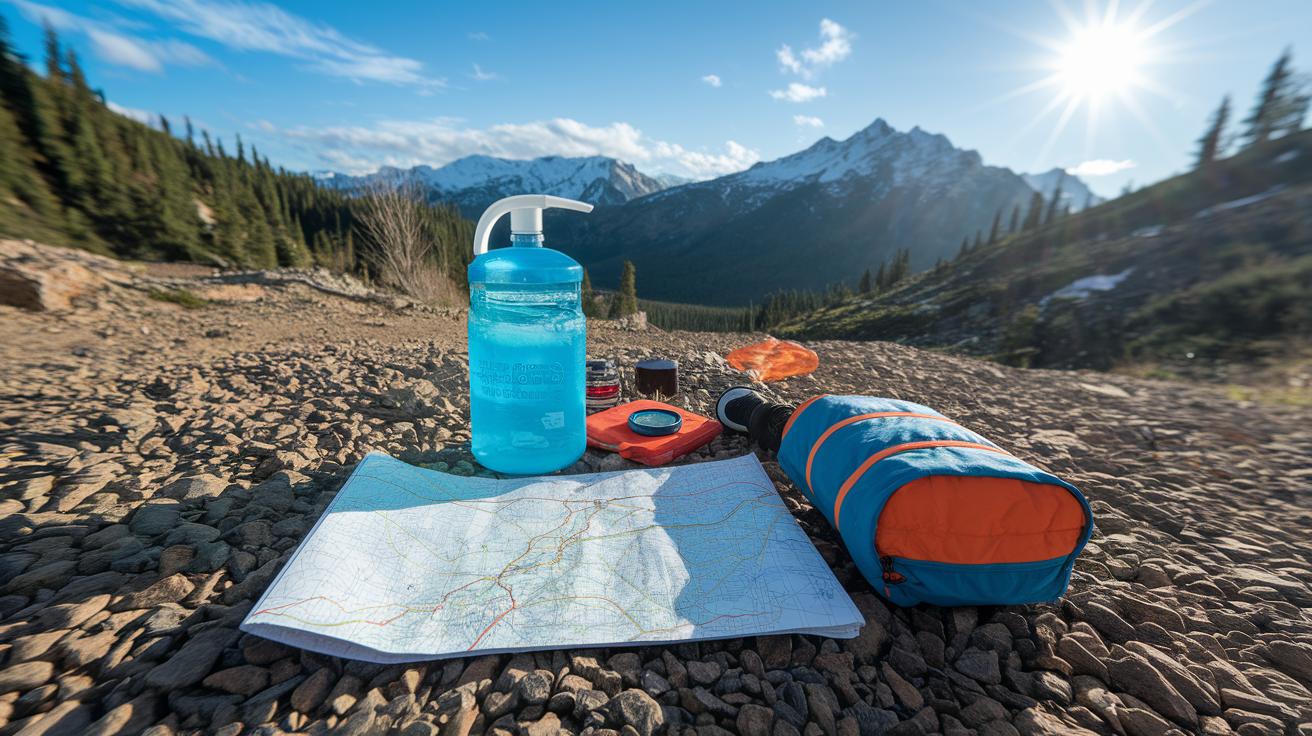
Before you head out, pack a basic kit to keep you safe and comfortable. Bring a topo map (a detailed layout of trails and terrain), a water purifier (to keep your water clean), a compass (for navigation), and a first-aid kit (in case of minor injuries). These essentials cover most common issues on the trail.
We suggest using trusted packing lists, like those from Backcountry Magazine or the 10th Mountain Division site, to double-check your gear. They offer a clear rundown of what you need, along with seasonal tips. For instance, one list reminds you to pack spare batteries for your devices, because no one wants to be caught in the dark.
Before setting out, meet with your group and assign clear roles:
- Navigator: Handles the map and leads route planning.
- Meal planner: Does the shopping and sets up a simple menu.
- Safety-gear carrier: Checks that all emergency supplies, like a whistle, extra water, and a multi-tool, are in working order.
Also, check the latest weather and avalanche reports on the hut's website before you start your trek. Doing this just a few hours before departure gives you a chance to adjust your plans if needed.
Being well-prepared with the right gear and clear role assignments makes your hut trip safer and more enjoyable. Take a moment now to review your kit and make sure everyone knows their responsibility.
Mapping Tools for Self-Guided Hut Trips
Good planning is key to a safe hut trip. The 10th Mountain Division Huts map is a trusted digital tool that shows distances, elevation (how high or low the trail goes), and the paths between huts. It gives you a clear idea of the land so you can plan your daily route and adjust your pace.
When cell service is weak or gone, offline maps are a lifesaver. Download maps or use smartphone apps with built-in topographical layers (they show hills, valleys, water spots, and terrain details). This way, you stay informed even when you're far from any signal.
Before you set off, write down the GPS coordinates of your starting point. Check for any parking restrictions or limits so you and your group have a smooth start. Make sure your device is fully charged and pack extra power banks to be safe.
Mixing digital mapping tools with offline GPS options gives you a solid safety net. You can quickly change your route if needed, watch for changes in elevation, and enjoy the stunning paths with confidence on your self-guided hut trip.
Sustainable Practices on Self-Guided Hut Trips

Follow leave-no-trace rules on every step of your hut trip. Pack out every piece of trash, even the tiniest bit. This shows respect for hut owners and local communities.
At the start, divide the cleaning tasks so everyone knows what to do. For example, one person can collect packaging while another tidies up shared spaces. Using the meals provided at the hut also helps; it means you won't carry extra food that could draw in critters (animals that might be tempted by human food).
Keep a safe distance when you see wildlife. This helps both the animals and you; it makes sure that nature stays wild and trails remain enjoyable.
Before leaving each stop, check your cleanup list and remind everyone of their role. With a little planning and teamwork, your hut trip will protect nature and support a lasting, clean outdoor experience.
Budgeting, Permits, and Local Guidelines for Self-Guided Hut Trips
Managing both costs and permits is the first step to a stress-free hut trip. Every hiker needs to pay their hut fee and sign a waiver. The group leader can track these payments, waivers, and supply tasks with a simple spreadsheet. This clear system saves time and helps everyone stick to the plan.
Always bring your trip confirmation letter, emergency contact numbers, and hut door-lock codes. They come in handy if you face any unexpected stops or local questions. Also, check local parking rules, road access, and regional guidelines before you head out.
Look into permit requirements well ahead of time. Popular spots like New Zealand Great Walks and Nepal teahouse treks usually need advanced permits or licensed guides. Sorting these out early keeps your adventure safe and simple.
Don’t hesitate to reach out to local hiking groups and hut operators. They can offer useful tips on local rules and budget-friendly ideas. By keeping track of your fees, permits, and rules, you set yourself up for a safe, affordable, and well-planned hut trip.
Final Words
In the action, you’ve seen planning essentials from route mapping and safe gear choices to hut lodging and sustainable practices. The guide breaks down key self-guided hut trip planning tips to help form solid itineraries, reliable bookings, and smart budgets. With clear advice on taps for offline maps and emergency checks, you can set off with confidence. Enjoy the crisp mountain air and warm local hospitality on your next trip while keeping your adventure safe and stress-free. Happy hiking and may the mountain magic guide you along the way.